04 Mar 2026
Wedge wire screen, also known as v-wire screen, is a robust filtration solution used in a diverse array of industries, from water well construction to food processing. Its unique design provides excellent strength, accurate slot sizes, and non-clogging performance. However, determining a fair wedge wire screen price can be complex, influenced by several key factors. This article will provide a comprehensive overview of these factors, typical price ranges, and how to ensure you're getting the best value for your investment. Understanding these elements allows for informed purchasing decisions and optimization of your filtration systems.
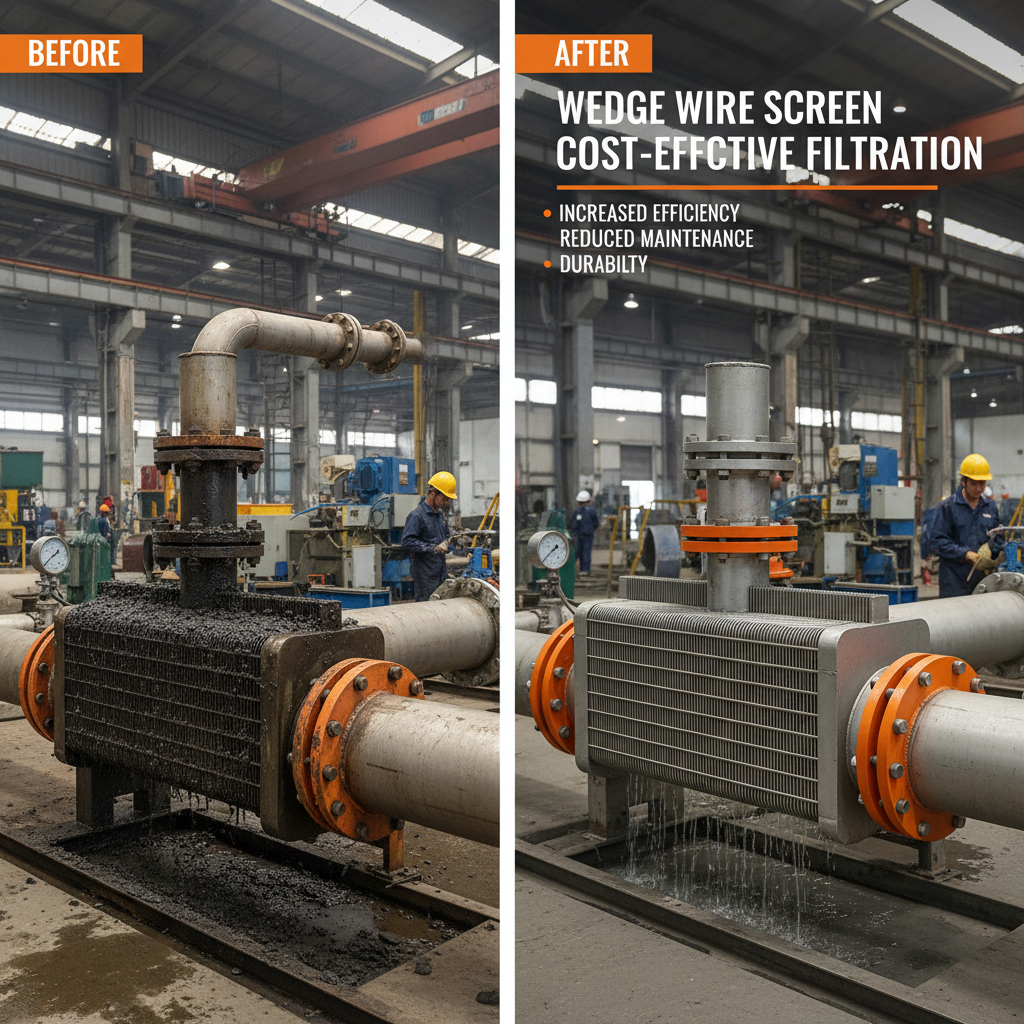
The cost of wedge wire screen isn't a fixed number. It’s a dynamic value shaped by several critical elements. The material used is a primary driver – stainless steel grades (304, 316L, 904L) significantly impact price, with higher alloys offering superior corrosion resistance but commanding a higher cost. Slot size influences manufacturing complexity; tighter tolerances require more precision and increase expenses. The dimensions of the screen, including length and diameter, are also directly proportional to the price. Furthermore, fabrication requirements like welding, shaping, and the inclusion of support rods will add to the overall cost. Finally, order quantity plays a vital role, with bulk orders typically benefiting from economies of scale and reduced per-unit pricing.
Key Highlights: Material choice (stainless steel grade), slot size precision, screen dimensions, and fabrication complexity all contribute to the final price.
The type of stainless steel chosen has a substantial impact on the wedge wire screen price. 304 stainless steel is the most common and affordable option, suitable for less corrosive environments. 316L stainless steel offers improved corrosion resistance, making it ideal for applications involving chlorides and saline solutions, but it comes at a higher price point. 904L stainless steel, a super-austenitic grade, provides exceptional resistance to corrosion in harsh environments and is the most expensive option. The choice depends on the specific application and the longevity required for the screen.
Stainless Steel Grade Comparison:
• 304 Stainless Steel: Cost-effective, suitable for general applications.
• 316L Stainless Steel: Enhanced corrosion resistance, ideal for chloride environments.
• 904L Stainless Steel: Superior corrosion resistance, for extremely harsh conditions.
The precision required for different slot sizes significantly influences manufacturing costs and therefore the wedge wire screen price. Wider slot sizes are easier and less expensive to produce, while tighter tolerances demand specialized equipment and expertise, increasing the price. Selecting the appropriate slot size is crucial – it must be fine enough to effectively filter the target particles but not so tight that it causes excessive clogging or pressure drop. A balance between performance and cost is essential.
Beyond the material and slot size, several other aspects contribute to the final cost. The diameter and length of the screen obviously have a direct influence, with larger screens requiring more material and fabrication time. Complex shapes and custom designs will naturally incur higher costs. The inclusion of support rods – essential for maintaining screen integrity under pressure – adds to the price. Shipping costs, particularly for international orders, must also be considered. Finally, the reputation and experience of the manufacturer can influence the price; established companies often charge a premium for their expertise and quality control.
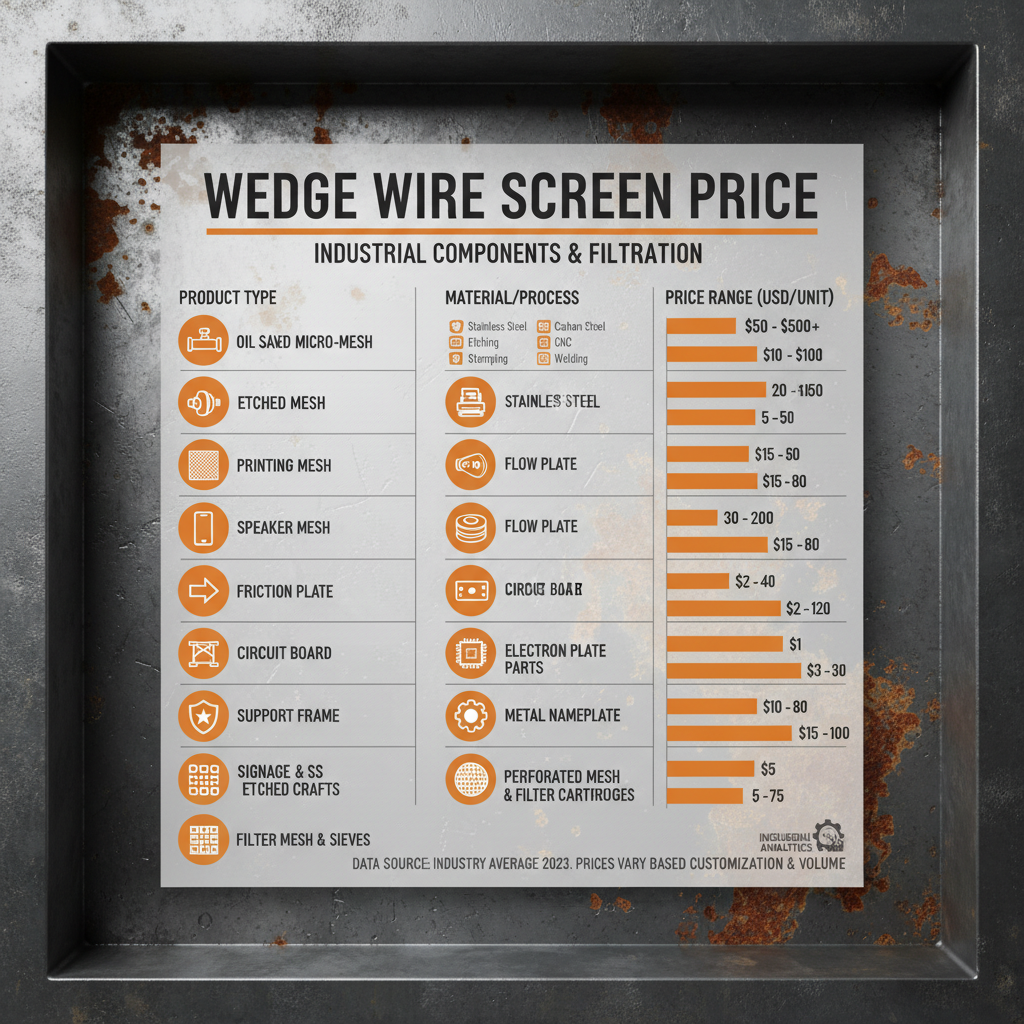
While quality shouldn't be compromised, there are ways to optimize your expenditure on wedge wire screen. Clearly define your filtration requirements – accurate slot size, material compatibility, and pressure ratings – to avoid overspending on unnecessary features. Obtain quotes from multiple suppliers, comparing not just price but also quality and lead times. Consider standard sizes and materials where possible, as custom designs can be significantly more expensive. Negotiate with suppliers, especially for bulk orders. Finally, ensure the supplier has a strong reputation for quality control and after-sales support. Working with a reliable partner like Tomaifilter can help ensure you receive a high-quality product at a competitive price.
Understanding the factors that influence wedge wire screen price is crucial for making informed purchasing decisions. By carefully considering material, slot size, dimensions, fabrication requirements, and supplier options, you can optimize your investment and ensure a reliable, high-performance filtration solution. Don’t hesitate to consult with experts to determine the best screen for your specific application.
Lead times vary significantly depending on the complexity of the order, the availability of materials, and the manufacturer's current workload. Generally, standard orders may take 2-4 weeks, while custom designs can require 6-8 weeks or longer. It's essential to discuss lead times with the supplier upfront and factor them into your project planning. Providing clear specifications and timely approvals can help expedite the process.
Minor damage, such as small dents or localized deformations, can often be repaired by skilled technicians. However, extensive damage or significant corrosion may necessitate complete replacement. Repair costs can sometimes approach the price of a new screen, so it's important to assess the feasibility and cost-effectiveness of repair before proceeding.
With proper installation and maintenance, a high-quality wedge wire screen made from suitable materials (like 316L stainless steel) can last 10-20 years or even longer. Regular cleaning to prevent clogging and inspection for corrosion are crucial for maximizing lifespan. The specific lifespan will depend on the operating conditions, the nature of the filtered media, and the severity of any chemical exposure.


Hit enter to search or ESC to close
