05 Mar 2026
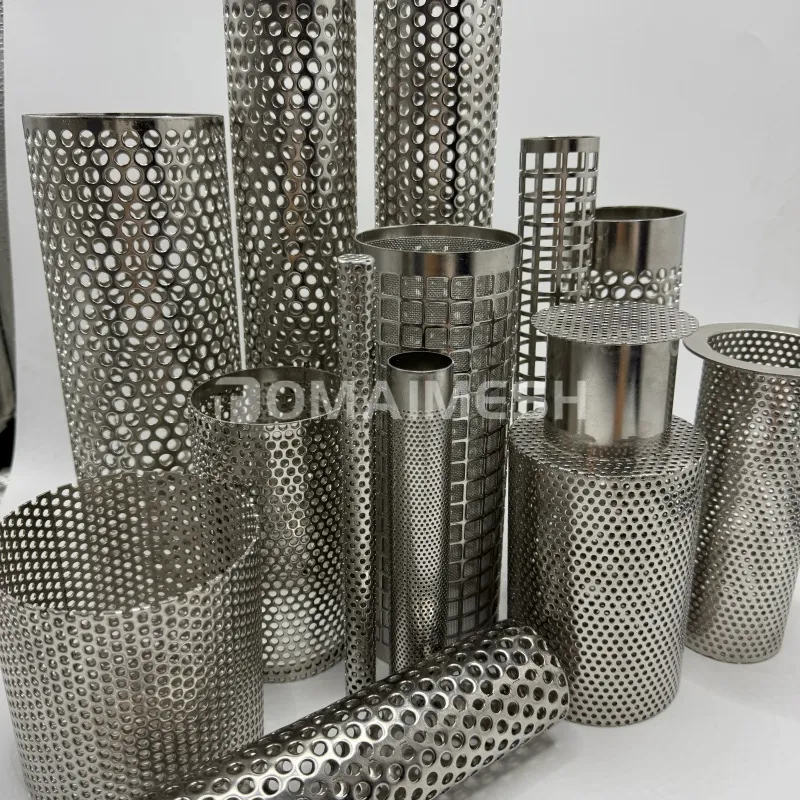
Sieve bend screens are crucial components in various industrial processes, particularly within wastewater treatment and pulp & paper production. These screens efficiently separate solids from liquids, improving process efficiency and protecting downstream equipment. At Tomaifilter, we specialize in designing and manufacturing high-quality sieve bend screens tailored to meet diverse industrial needs. This article delves into the workings, benefits, applications, and selection criteria of sieve bend screens, providing a thorough understanding for engineers, operators, and procurement professionals.
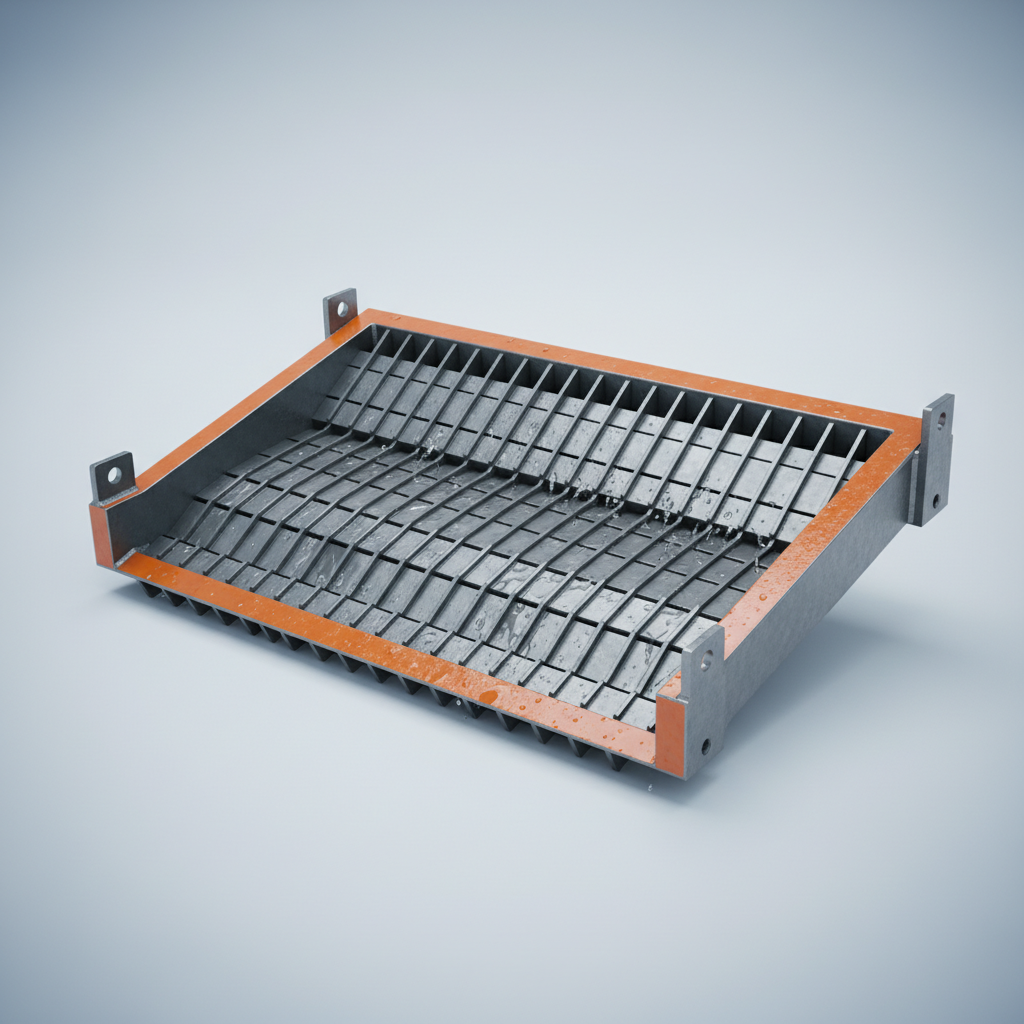
A sieve bend screen utilizes a curved, perforated or woven screen to separate solids from liquids. The influent stream enters tangentially into the screen, creating a swirling motion. This centrifugal force pushes the solids towards the outer screen surface, while the cleaner liquid flows through the perforations and exits. The collected solids are then discharged periodically or continuously. The effectiveness of a sieve bend screen is directly related to its design, screen aperture size, and flow rate.
Implementing sieve bend screens in your processes delivers a multitude of benefits, including improved efficiency, reduced maintenance, and enhanced product quality. They effectively protect downstream equipment, such as pumps and filters, from damage caused by abrasive solids. Furthermore, sieve bend screens offer a cost-effective solution for solid-liquid separation, requiring minimal operator intervention. These screens are also known for their high throughput capacity and ability to handle varying solid loads.
Key Highlights: Improved efficiency, reduced maintenance, enhanced product quality, and protection of downstream equipment.
Sieve bend screens find application in a broad spectrum of industries. In wastewater treatment, they remove debris, rags, and other solids from incoming sewage. The pulp and paper industry employs them to recover fibers and separate contaminants. Other applications include food processing, chemical manufacturing, and mining. They are particularly beneficial in processes demanding continuous operation and reliable solid-liquid separation. Tomaifilter provides custom sieve bend screen solutions designed for optimal performance in specific applications.
Selecting the appropriate sieve bend screen requires careful consideration of several factors. These include the influent flow rate, solid load, particle size distribution, and the desired level of separation. The screen material must also be compatible with the process fluid to prevent corrosion or degradation. Furthermore, the screen aperture size should be chosen based on the size of the solids to be removed. Contact Tomaifilter to discuss your specific requirements and obtain expert guidance on selecting the optimal sieve bend screen for your application.
Selecting a high-quality sieve bend screen from Tomaifilter ensures reliable and efficient solid-liquid separation. By carefully considering the application-specific factors discussed in this article, you can optimize your process performance, reduce maintenance costs, and protect your valuable equipment. Invest in a solution that will contribute to long-term operational success.
The lifespan of a sieve bend screen depends on several factors, including the abrasiveness of the solids being processed, the operating pressure, and the quality of the screen material. With proper maintenance, a well-constructed sieve bend screen can last for several years. Regular inspection for wear and tear, along with timely replacement of worn components, is crucial for maximizing its lifespan. At Tomaifilter, we use high-quality materials and robust construction techniques to ensure the longevity of our screens. Typical lifespan ranges from 5-10 years with consistent monitoring and cleaning.
The frequency of cleaning depends on the solid load and the nature of the solids being processed. In high-solids applications, daily cleaning may be necessary. For lower solid loads, cleaning can be performed weekly or monthly. Regular cleaning prevents clogging, maintains optimal flow rates, and ensures efficient separation. Automated cleaning systems can significantly reduce the labor required for maintenance. A visual inspection should be conducted regularly to assess the build-up of solids on the screen surface.
Sieve bend screens are commonly constructed from stainless steel (304, 316L), which offers excellent corrosion resistance and durability. Other materials, such as carbon steel with protective coatings, may be used depending on the specific application and fluid compatibility requirements. The mesh or perforated plate is also available in various materials, including stainless steel, polypropylene, and nylon. The choice of material depends on factors such as temperature, pH, and the chemical composition of the process fluid.
Absolutely. Tomaifilter specializes in custom-designed sieve bend screens. We work closely with our clients to understand their unique process requirements and develop a solution that meets their specific needs. This includes tailoring the screen size, aperture size, material of construction, and cleaning system. We offer comprehensive engineering support and manufacturing capabilities to deliver high-performance, custom-built sieve bend screens.


Hit enter to search or ESC to close
