10 Mar 2026
In the realm of industrial filtration, selecting the right screen panel is critical for operational efficiency and product quality. Polyurethane screen panels have emerged as a superior choice for numerous applications due to their durability, flexibility, and cost-effectiveness. This article will explore the benefits, applications, and key considerations when choosing polyurethane screen panels, providing a comprehensive guide for professionals in various industries. Efficient filtration is vital for maintaining product integrity and optimizing processes; understanding the nuances of screen panel materials is key to achieving these goals.
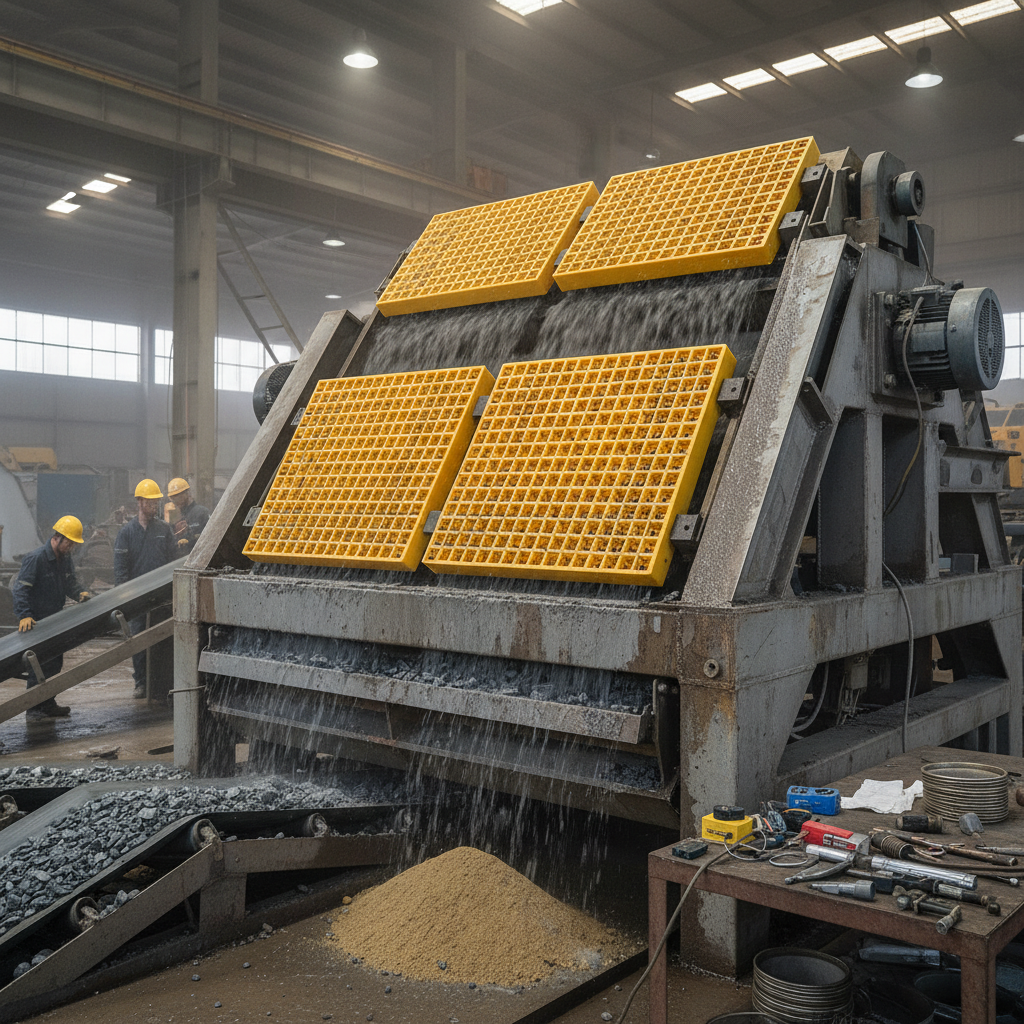
Compared to traditional screen materials like stainless steel, polyurethane offers several distinct advantages. Its inherent flexibility reduces the risk of blinding (screen clogging) and increases open area, leading to higher throughput. Polyurethane is also significantly lighter than steel, simplifying installation and reducing stress on supporting structures. Furthermore, it demonstrates excellent resistance to abrasion, corrosion, and many chemicals, contributing to a longer lifespan and lower overall maintenance costs. The noise reduction capabilities of polyurethane are another significant benefit, creating a safer and more comfortable working environment. Choosing Tomaifilter's polyurethane panels ensures high quality and performance.
Key Highlights: Polyurethane's flexibility minimizes blinding, higher open area increases throughput, lighter weight simplifies installation, and excellent resistance extends lifespan.
The versatility of polyurethane screen panels makes them suitable for a wide array of industries. In the mining and aggregate sectors, they excel at classifying materials ranging from coarse gravel to fine sand. The food processing industry benefits from their hygienic properties and ability to withstand cleaning agents. Water treatment facilities utilize them for solids removal and media retention. They’re also increasingly common in recycling operations for separating different material streams. Polyurethane panels are a crucial component in achieving efficient separation and ensuring product purity across these diverse applications. Explore Tomaifilter’s tailored solutions for specific industry needs.
Application Areas:
• Mining & Aggregate
• Food Processing
• Water Treatment
• Recycling
When considering screen panel materials, it’s essential to understand the performance differences. Polyurethane consistently outperforms traditional materials in several key areas. The table below outlines a detailed comparison.
Selecting the optimal polyurethane screen panel requires careful consideration of several factors. Aperture size (the opening in the screen) is critical for determining separation efficiency. Durometer (hardness) influences durability and resistance to wear. The type of polyurethane formulation should be chosen based on the materials being processed and the operating environment. Tomaifilter offers expert consultation to help you identify the most suitable panel for your specific application. We provide custom options to meet unique requirements, ensuring maximum performance and longevity.
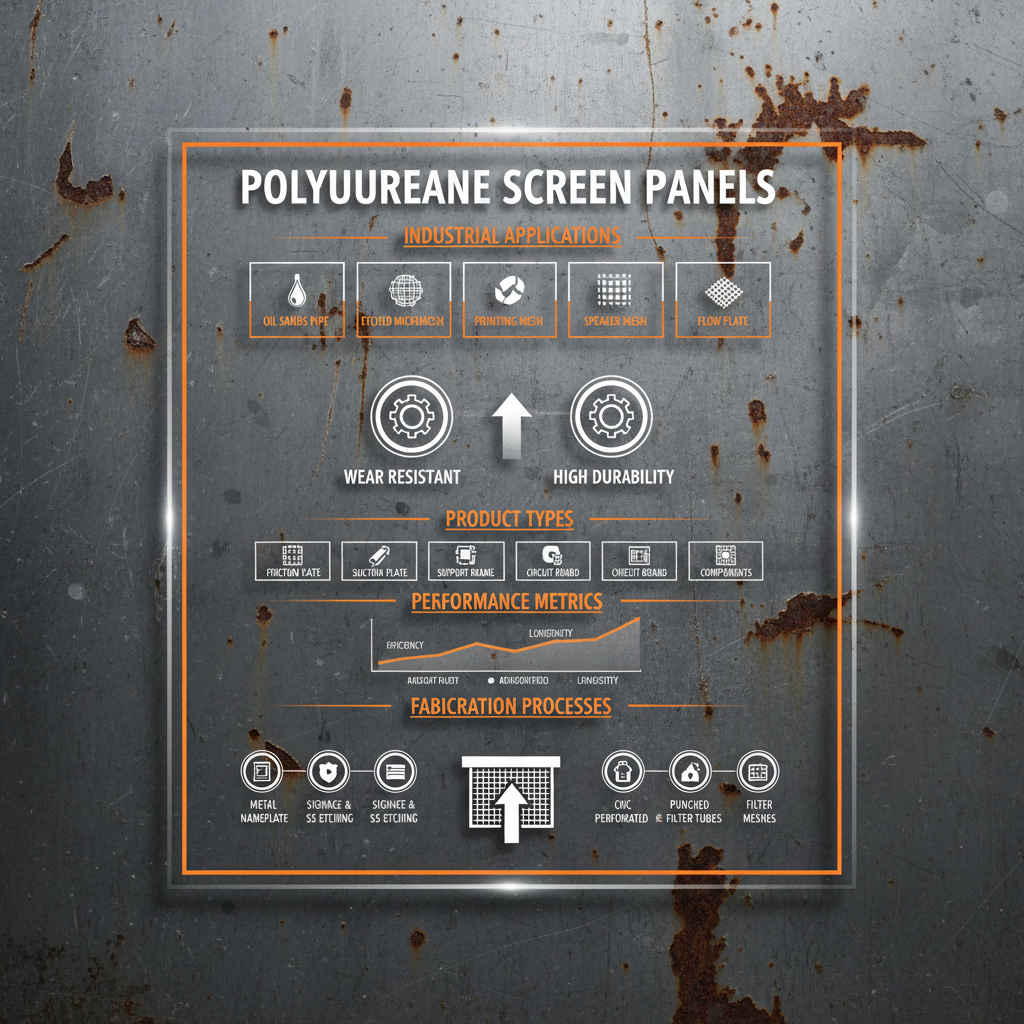
While polyurethane screen panels are highly durable, proper maintenance is essential to maximize their lifespan. Regular inspection for wear and tear, and timely replacement of damaged panels, are crucial. Cleaning the screens periodically to remove accumulated debris prevents blinding and maintains optimal throughput. Avoid using abrasive cleaning agents that could damage the polyurethane material. Following these simple maintenance practices will ensure consistent performance and cost-effective operation. Tomaifilter provides guidance on best practices for maintenance and care.
Investing in high-quality polyurethane screen panels from a trusted supplier like Tomaifilter is a strategic move for any industrial operation. Their superior performance, durability, and cost-effectiveness contribute to increased efficiency, reduced maintenance, and improved product quality. Don't compromise on filtration – choose polyurethane for reliable and long-lasting results.
The lifespan of a polyurethane screen panel varies depending on the application, the materials being processed, and the operating conditions. However, with proper maintenance, a well-selected panel can typically last between 12 to 24 months. Factors such as abrasive materials, high temperatures, and exposure to harsh chemicals can shorten the lifespan. Regular inspections and timely replacement are crucial to prevent downtime and maintain optimal performance. Tomaifilter offers panels designed for extended durability and resistance to specific operating environments.
While minor damage can sometimes be addressed, generally, polyurethane screen panels are not easily repaired. Attempting to repair significant tears or punctures can compromise the structural integrity of the panel and lead to premature failure. It is recommended to replace damaged panels promptly to ensure consistent screening performance and prevent contamination. Tomaifilter offers readily available replacements to minimize downtime.
Aperture size is critical for achieving the desired separation efficiency. A smaller aperture size will retain finer particles but may also increase the risk of blinding. A larger aperture size will provide higher throughput but may allow some unwanted particles to pass through. The ideal aperture size depends on the particle size distribution of the materials being processed and the desired level of separation. Consulting with a filtration specialist at Tomaifilter can help determine the optimal aperture size for your specific application.
Polyurethane generally exhibits good resistance to oils and greases, but the specific formulation matters. Some polyurethane materials are more susceptible to degradation from prolonged exposure to certain oils. Tomaifilter offers polyurethane panels specifically formulated for use with oily or greasy materials, providing excellent resistance and long-lasting performance. It's important to specify the type of materials being processed to ensure the appropriate panel is selected.


Hit enter to search or ESC to close
