09 Mar 2026
In the realm of industrial filtration and separation, the polyurethane screen stands as a versatile and durable solution. These screens, manufactured by companies like Tomaifilter, offer significant advantages over traditional screening materials in a variety of applications. This article will delve into the specifics of polyurethane screens, exploring their construction, benefits, applications, and why they are becoming the preferred choice for many industries. We will examine how their unique properties contribute to increased efficiency, longevity, and cost savings.
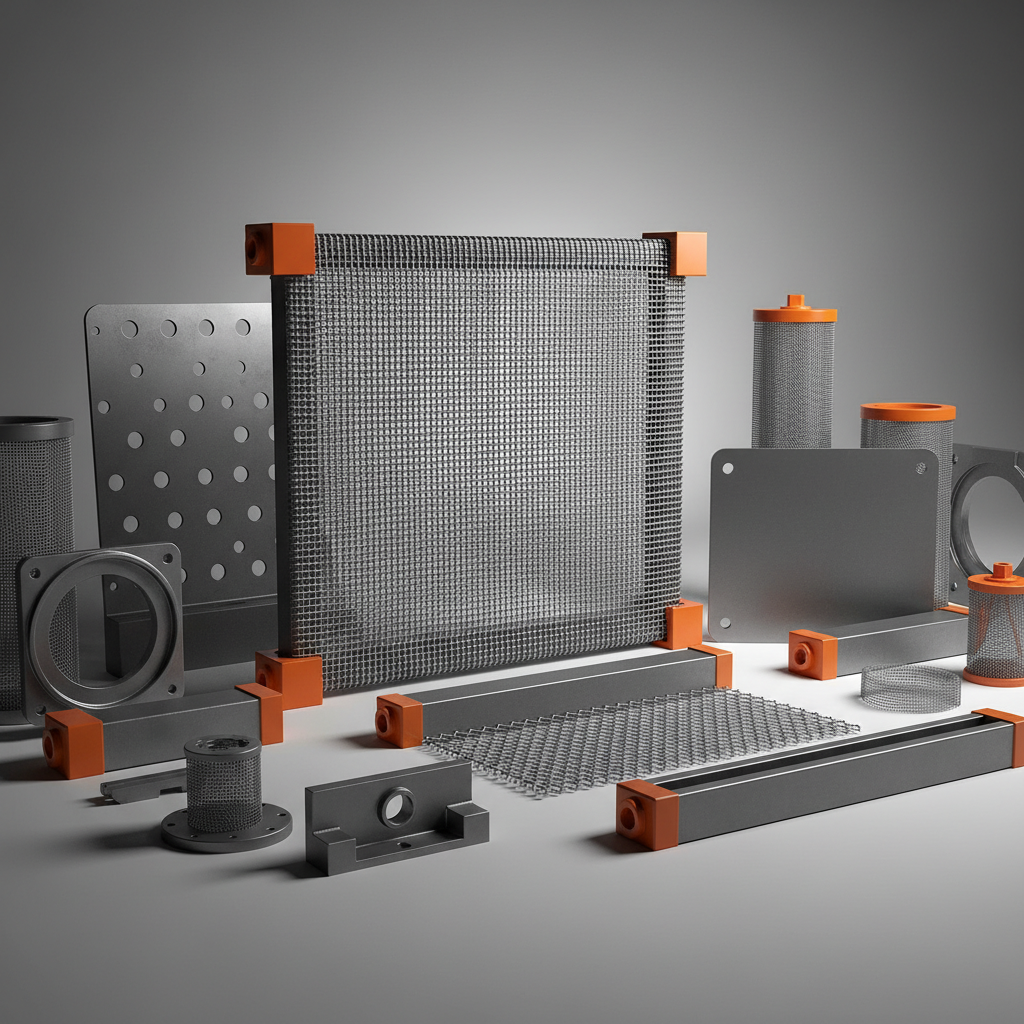
A polyurethane screen is a type of industrial screen constructed from a resilient and abrasion-resistant polyurethane material. Unlike traditional woven wire screens, polyurethane screens are typically cast or molded into a specific shape and aperture size. This manufacturing process allows for greater control over the screen's characteristics, resulting in improved performance and durability. They are known for their ability to withstand high impact forces, resist wear and tear, and provide consistent screening results. The flexibility of polyurethane allows for various designs, catering to a wide spectrum of separation needs.
Key Highlights: Polyurethane screens are known for their exceptional abrasion resistance, high throughput capacity, and ability to handle a wide range of material sizes and shapes.
The adoption of polyurethane screen technology offers several key advantages. Firstly, their superior abrasion resistance significantly extends their lifespan compared to traditional wire screens, reducing replacement costs and downtime. Secondly, they excel in handling wet and sticky materials, which often clog wire screens. Thirdly, the noise levels are notably lower during operation. Finally, the ability to customize aperture sizes and screen configurations makes them suitable for highly specific separation tasks. This translates to improved efficiency, reduced maintenance, and increased profitability for businesses.
Key Advantages:
• Extended lifespan due to abrasion resistance
• Effective handling of wet and sticky materials
• Reduced noise pollution
• Customizable configurations
Understanding the differences between polyurethane screens and traditional wire screens is crucial for making informed decisions. While wire screens have historically been the standard, polyurethane screens offer a compelling alternative in many applications. Their superior wear resistance translates to a longer service life, minimizing the need for frequent replacements. This is particularly valuable in industries processing abrasive materials. The ability of polyurethane to maintain its shape and integrity under stress also results in more consistent screening results. Tomaifilter's polyurethane screens are designed to exceed industry standards in both performance and longevity.
The versatility of polyurethane screens makes them ideal for a wide range of industries. They are commonly used in aggregate processing, coal preparation, mining, recycling, food processing, and wastewater treatment. Specific applications include screening sand, gravel, coal, ores, plastics, and organic waste. The ability to tailor the screen's aperture size and material properties allows for precise separation of materials, maximizing efficiency and product quality. Tomaifilter provides custom solutions to meet the unique needs of each client.
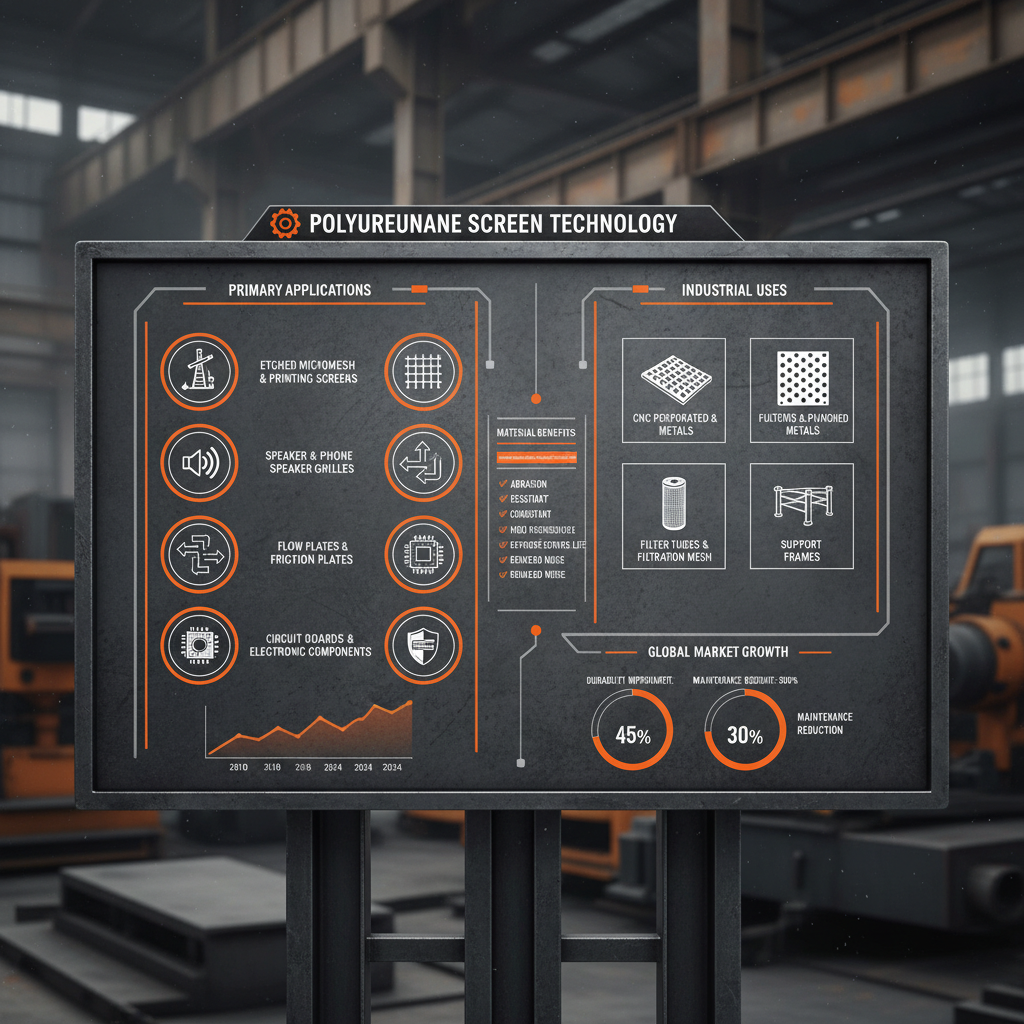
Choosing the right polyurethane screen involves considering several factors. The material being screened, the desired separation size, the operating environment, and the expected throughput are all critical. The hardness of the polyurethane should be matched to the abrasiveness of the material. Tomaifilter's experienced engineers can assist in selecting the optimal screen configuration for your specific application. We offer a range of polyurethane formulations and aperture sizes to ensure optimal performance and longevity.
The polyurethane screen represents a significant advancement in industrial filtration technology. Its superior durability, versatility, and performance make it a cost-effective and reliable solution for a wide range of applications. By investing in high-quality polyurethane screens from a trusted supplier like Tomaifilter, businesses can optimize their processes, reduce maintenance costs, and enhance overall efficiency.
The lifespan of a polyurethane screen varies based on the application and the abrasiveness of the material being screened. However, they generally last significantly longer than traditional wire screens – often 2 to 5 times longer. Under normal operating conditions, a well-maintained polyurethane screen can provide reliable performance for several years. Factors like material hardness, impact forces, and exposure to chemicals can affect lifespan. Regular inspection for wear and tear is recommended.
Polyurethane has a limited temperature resistance. While it can handle moderately warm materials, prolonged exposure to high temperatures can cause the polyurethane to soften or degrade. The maximum operating temperature depends on the specific polyurethane formulation. It is crucial to consult the manufacturer’s specifications to ensure the screen is suitable for the intended temperature range. Tomaifilter offers specialized polyurethane formulations with enhanced temperature resistance for specific applications.
Yes, polyurethane screens are generally easy to clean. Their smooth, non-porous surface prevents material from sticking, and they can be easily cleaned with water, brushes, or compressed air. The smooth surface also minimizes the buildup of bacteria and other contaminants, making them suitable for food processing and pharmaceutical applications. Compared to wire screens, polyurethane screens require less frequent and intensive cleaning.


Hit enter to search or ESC to close
