11 Mar 2026
In industrial filtration, achieving optimal separation efficiency and durability is paramount. Polyurethane screen panels are increasingly recognized as a superior solution for demanding applications. This article delves into the benefits, applications, and considerations for choosing polyurethane screen panels, providing a comprehensive understanding for professionals in various industries. Selecting the right screen panel material directly impacts your process’s efficiency and cost-effectiveness. We’ll explore why polyurethane is often the preferred choice over traditional materials.
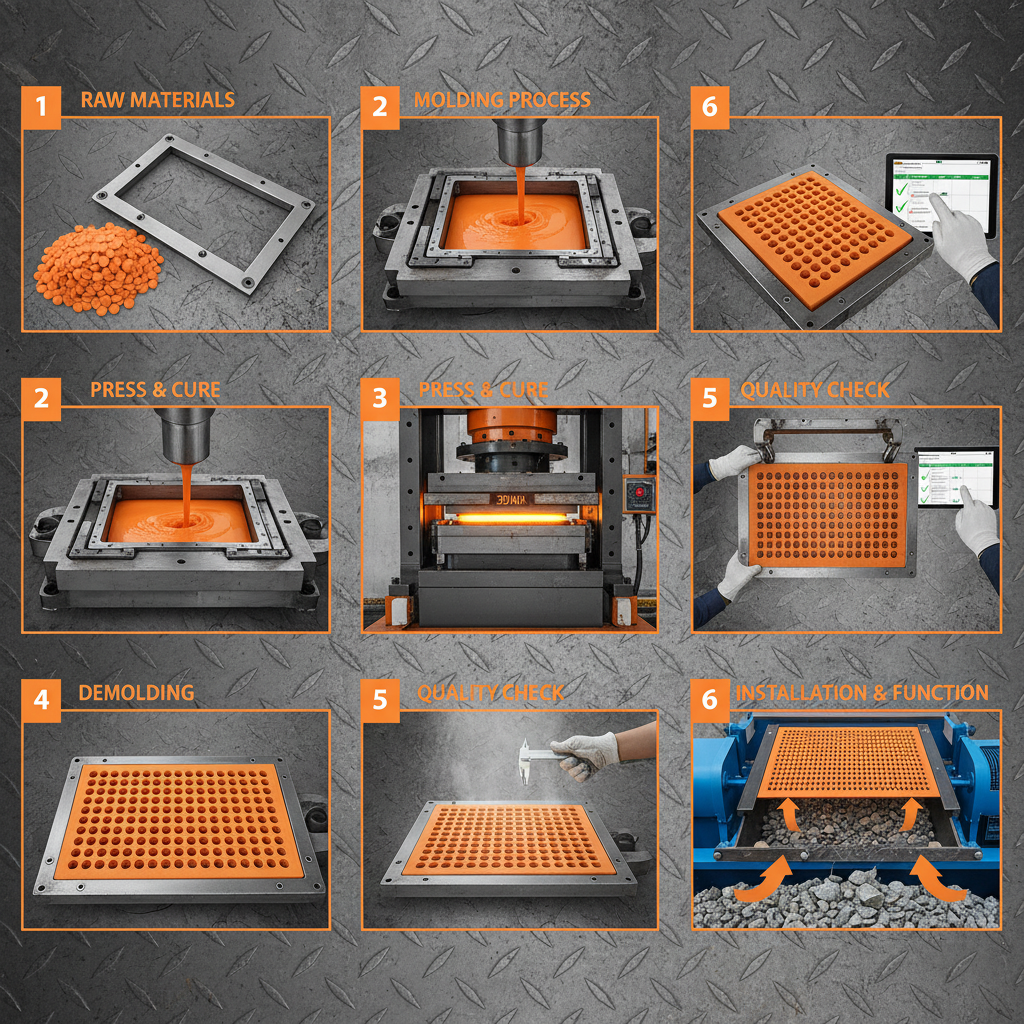
Polyurethane screen panels are constructed from high-quality polyurethane elastomers, offering exceptional wear resistance, flexibility, and impact strength. These panels are typically used in screening applications across various industries, including mining, agriculture, recycling, and wastewater treatment. Unlike traditional metal screen panels, polyurethane offers a longer service life, reducing downtime and maintenance costs. The material’s flexibility allows it to conform to vibrating screens, maximizing screening efficiency. Furthermore, polyurethane panels are significantly quieter in operation than metal alternatives.
Key Benefits: Exceptional wear resistance, flexibility, impact strength, longer service life, reduced noise levels, and consistent performance.
The versatility of polyurethane screen panels makes them suitable for a wide range of applications. In the mining industry, they are used for classifying and separating ores and aggregates. Agricultural applications include screening soil, compost, and grains. Recycling facilities utilize these panels for separating various materials like plastics, glass, and metals. Wastewater treatment plants employ them for removing solids from effluent. The ability to customize the aperture size and panel configuration allows for precise control over the screening process.
Application Examples:
• Mining: Ore classification, aggregate screening
• Agriculture: Soil, compost, and grain screening
• Recycling: Plastic, glass, and metal separation
• Wastewater Treatment: Solids removal
While metal screen panels have traditionally been used, polyurethane panels offer significant advantages. Metal screens are prone to wear and tear, especially when handling abrasive materials. This leads to frequent replacements and increased downtime. Polyurethane’s superior wear resistance extends its service life considerably, reducing these costs. Additionally, metal screens can become noisy during operation, whereas polyurethane provides a quieter working environment. The flexibility of polyurethane also reduces the risk of damage from impact.
Selecting the appropriate polyurethane screen panel involves considering several factors. Aperture size is critical, determining the particle size that passes through the screen. Panel thickness impacts durability and resistance to deformation. The type of polyurethane elastomer used influences its resistance to abrasion, chemicals, and temperature extremes. Consulting with a reputable supplier like Tomaifilter can ensure you select the optimal panel for your specific application.
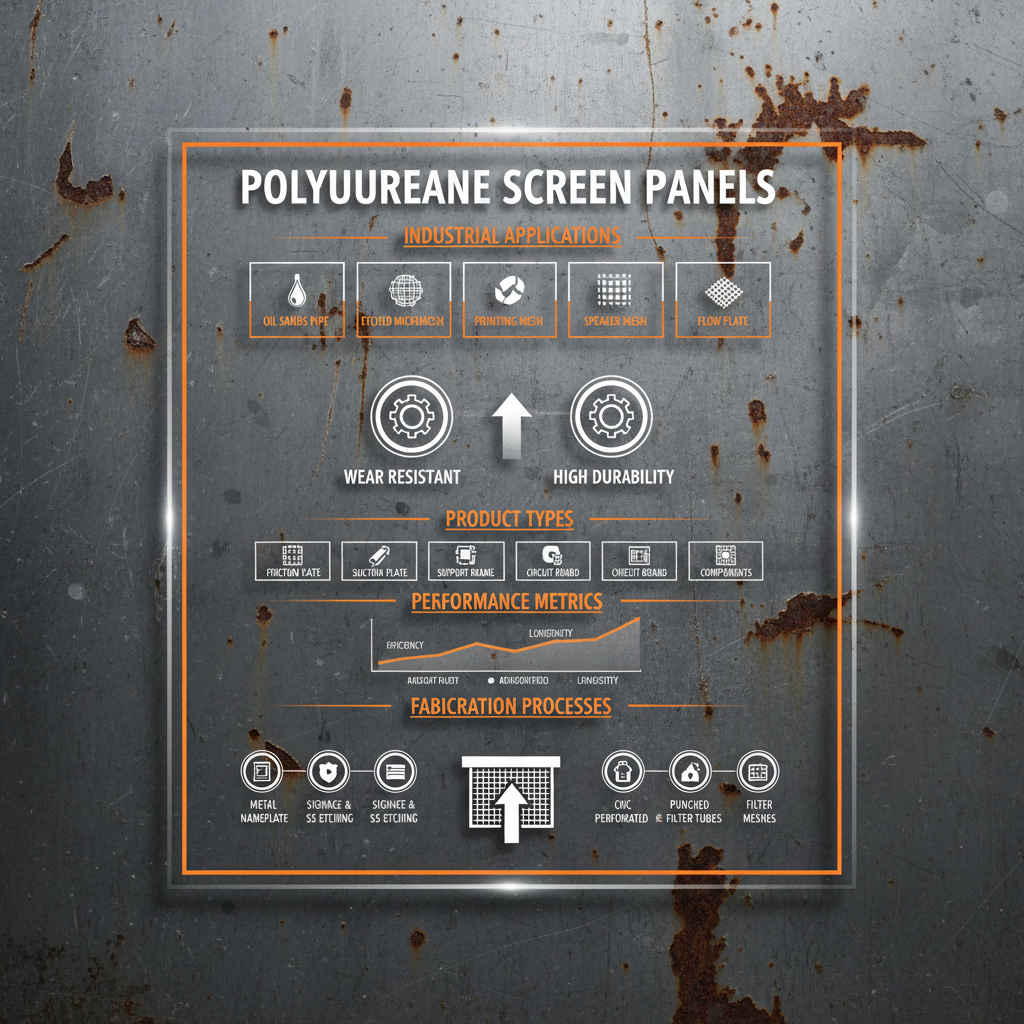
Understanding the specifications of polyurethane screen panels is crucial for informed decision-making. Key parameters include durometer (hardness), tensile strength, elongation, and abrasion resistance. These properties dictate the panel’s performance under various operating conditions. Furthermore, consider the panel’s compatibility with your existing screening equipment and the potential for customization. Tomaifilter offers a range of customizable options to meet your precise needs.
Investing in high-quality polyurethane screen panels is a strategic move for any industry relying on efficient separation processes. Their durability, performance, and cost-effectiveness make them a superior alternative to traditional materials. Contact Tomaifilter today to discuss your specific requirements and discover the ideal solution for your application.
The lifespan of a polyurethane screen panel varies significantly depending on the application, the abrasiveness of the material being screened, and the operating conditions. However, generally, polyurethane panels last 2-3 times longer than metal alternatives. In less demanding applications, they can last for several years. Regular inspections for wear and tear are recommended. Proper maintenance, such as cleaning and avoiding oversized material, can extend the lifespan of the panel. Tomaifilter offers expert advice on maximizing panel longevity.
Polyurethane has a limited temperature range. While it can handle moderately warm materials, prolonged exposure to high temperatures can cause the material to degrade. The specific temperature resistance depends on the type of polyurethane used. It’s crucial to verify the temperature rating of the panel before using it with hot materials. Tomaifilter offers panels made from specialized polyurethane formulations designed for higher temperature applications.
Recycling polyurethane can be challenging, but it’s becoming increasingly feasible with advancements in recycling technologies. Some facilities can process polyurethane for use in other applications, such as carpet padding or adhesives. However, the recyclability depends on the specific type of polyurethane and local recycling infrastructure. Tomaifilter is committed to sustainable practices and exploring recycling options for end-of-life panels.
Polyurethane screen panels are available in a wide range of aperture sizes, from very fine meshes to large openings, depending on the application. Common aperture sizes range from 0.5mm to 100mm. Tomaifilter offers both standard and custom aperture sizes to meet specific screening requirements. Choosing the correct aperture size is crucial for achieving optimal separation efficiency.


Hit enter to search or ESC to close
