19 Mar 2026
In various industrial applications, efficient separation and filtration are crucial. Polyurethane screen mesh provides a robust and versatile solution for these needs. This article will explore the properties, applications, benefits, and considerations when choosing polyurethane screen mesh, offering a detailed overview for professionals and industries seeking optimal screening solutions. Understanding the nuances of this material can significantly improve process efficiency and product quality.
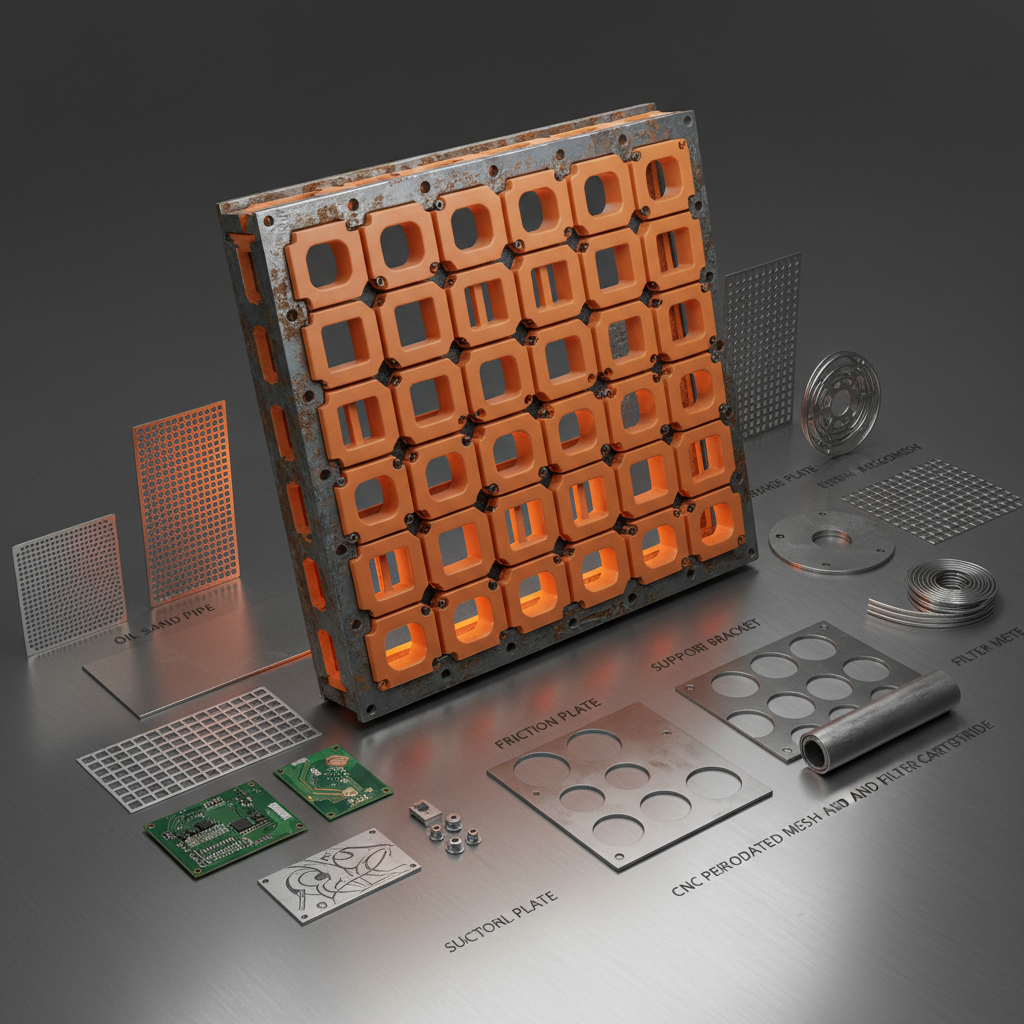
Polyurethane screen mesh is a woven or cast screen constructed from polyurethane material. Unlike traditional metal screen meshes, polyurethane offers exceptional abrasion resistance, flexibility, and a longer service life. It is commonly used in industries like mining, quarrying, agriculture, and wastewater treatment. The material's resilience allows it to withstand harsh operating conditions and handle a wide variety of materials. Tomaifilter specializes in the production of high-quality polyurethane screen mesh tailored to diverse industrial needs.
Key Benefits: Exceptional abrasion resistance, increased flexibility, longer lifespan compared to metal alternatives, and suitability for diverse materials.
Polyurethane screen mesh finds application across a broad spectrum of industries. In the mining sector, it's used for classifying and separating ores. The quarrying industry utilizes it for aggregate screening. In agriculture, it’s vital for soil classification and compost separation. Wastewater treatment plants employ polyurethane screen mesh for removing solids from effluent. Furthermore, it’s employed in the food processing industry for separating and sizing materials. Its adaptability makes it a cornerstone of efficient operations across these sectors.
Key Application Areas:
• Mining & Mineral Processing
• Quarrying & Aggregate Production
• Agricultural Screening
• Wastewater Treatment
• Food Processing
While stainless steel screen mesh has traditionally been used, polyurethane presents compelling advantages. Stainless steel is rigid and can be prone to corrosion. Polyurethane, however, offers superior abrasion resistance and flexibility, leading to a longer operational life and reduced downtime. The initial cost of polyurethane might be higher, but the extended lifespan and reduced maintenance often result in lower long-term costs. Tomaifilter's polyurethane mesh is engineered for optimal performance and cost-effectiveness.
Selecting the appropriate polyurethane screen mesh requires careful consideration of several factors. The size and shape of the material being screened, the throughput rate, and the operating environment all play a crucial role. Aperture size (mesh opening) is a primary determinant, influencing separation efficiency. The durometer (hardness) of the polyurethane impacts its abrasion resistance and flexibility. Tomaifilter's expert team can assist you in selecting the optimal mesh for your specific application.
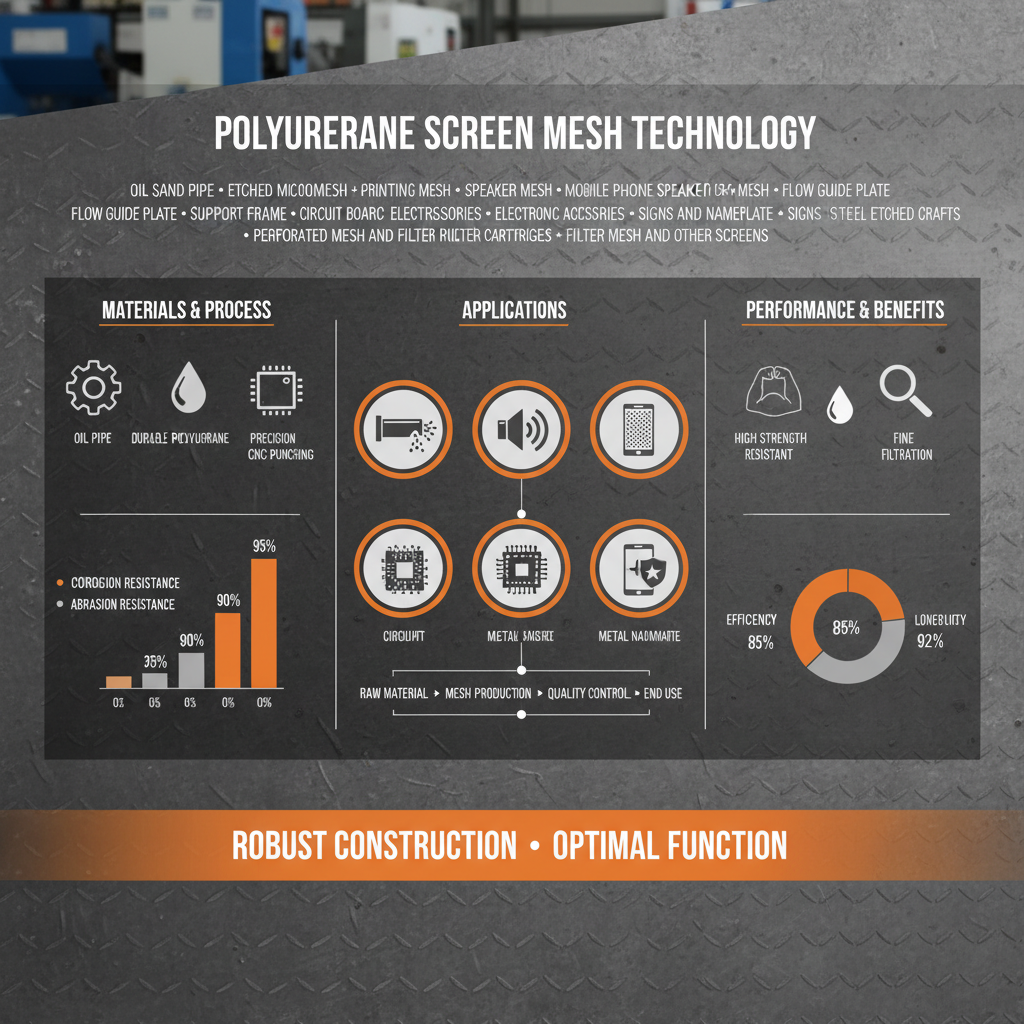
Tomaifilter offers a comprehensive range of polyurethane screen mesh products, customizable to meet your precise requirements. We offer various aperture sizes, mesh patterns (woven, cast), and durometer levels. Our products are available in sheets, rolls, and custom-fabricated shapes. Below is a snapshot of common specifications:
Investing in polyurethane screen mesh from Tomaifilter is a strategic move toward increased efficiency, reduced downtime, and superior product quality. With its exceptional durability, flexibility, and adaptability, polyurethane screen mesh offers a compelling alternative to traditional materials. Contact us today to discuss your specific needs and discover how our solutions can benefit your operation.
The lifespan of polyurethane screen mesh is significantly longer than that of stainless steel, typically ranging from 2 to 5 times longer depending on the application and abrasive nature of the materials being screened. Factors influencing lifespan include particle size, impact velocity, and operating conditions. Regular inspection and timely replacement are crucial for maintaining optimal performance and preventing process disruptions. Tomaifilter offers guidance on assessing wear and determining the appropriate replacement schedule.
Yes, polyurethane screen mesh is well-suited for wet screening applications. The material is non-absorbent, preventing swelling or degradation when exposed to water. This makes it ideal for industries like mining, quarrying, and wastewater treatment where wet screening is common. Proper drainage considerations should be taken into account to ensure efficient water removal.
Woven polyurethane screen mesh offers greater flexibility and is generally preferred for applications requiring high elongation. Cast polyurethane screen mesh, on the other hand, provides superior abrasion resistance and is well-suited for handling heavy materials. The choice between woven and cast depends on the specific requirements of the application, including material characteristics, throughput rate, and operating conditions. Tomaifilter experts can assist you in selecting the optimal mesh type for your needs.
Regular cleaning is essential for maintaining the performance of polyurethane screen mesh. Use a mild detergent and water solution to remove buildup and debris. Avoid harsh chemicals or abrasive cleaners, as these can damage the material. Inspect the mesh regularly for signs of wear and tear, and replace it when necessary. Proper storage when not in use will also prolong its lifespan.


Hit enter to search or ESC to close
