21 Mar 2026
PU screen mesh, or polyurethane screen mesh, is a versatile material increasingly used in a wide range of industrial filtration and separation processes. Its unique properties make it a superior alternative to traditional metal mesh in many applications. This article will delve into the characteristics, benefits, applications, and considerations when choosing PU screen mesh for your specific needs. From mining to food processing, we’ll explore how this material optimizes efficiency and reduces operational costs. Choosing the right mesh is key to a successful operation, and we’ll guide you through the process.
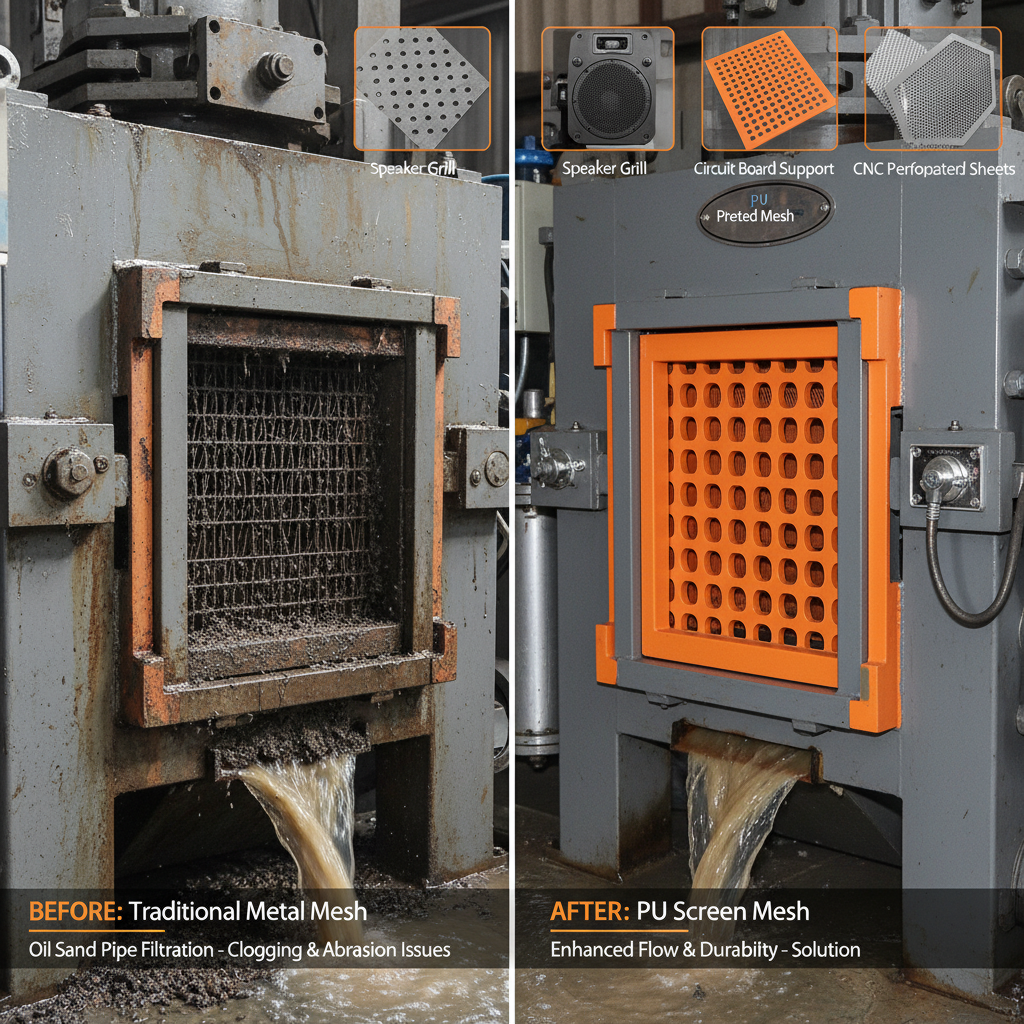
PU screen mesh is created from polyurethane, a highly durable and flexible polymer. Unlike metal meshes, PU mesh is known for its resistance to wear, abrasion, and corrosion. The manufacturing process involves precisely weaving or molding polyurethane strands to create an open grid structure. The aperture size (opening in the mesh) and mesh count (number of openings per inch) can be tailored to suit specific application requirements. This makes PU screen mesh an adaptable solution for a multitude of filtering and screening tasks.
Key Benefits: Exceptional wear resistance, corrosion resistance, high tensile strength, and customizable aperture sizes.
Several key properties distinguish PU screen mesh from its competitors. Firstly, its high tensile strength allows it to withstand significant tension and pressure without tearing or distorting. Secondly, its exceptional abrasion resistance ensures a long service life, even in harsh environments. This significantly reduces downtime and replacement costs. Thirdly, PU mesh is highly resistant to corrosion from chemicals, oils, and solvents. Furthermore, its flexibility allows for easier installation and maintenance compared to rigid metal screens. The combination of these properties makes it an ideal choice where longevity and reliability are paramount.
Key Property Benefits:
• High Tensile Strength: Withstands high pressures and tension.
• Abrasion Resistance: Extends service life and reduces replacement frequency.
• Corrosion Resistance: Ideal for use with harsh chemicals and solvents.
• Flexibility: Simplifies installation and maintenance.
While metal meshes have historically been the standard in many industries, PU screen mesh offers distinct advantages. Metal meshes are prone to corrosion, particularly in wet or chemically aggressive environments. They can also be more brittle, leading to cracking and failure. PU mesh, on the other hand, exhibits superior resistance to these issues. It's also often lighter in weight, making handling and installation easier. Ultimately, the choice depends on the specific application, but PU mesh consistently outperforms metal in terms of longevity and overall cost-effectiveness. Consider PU screen mesh as a longer-lasting solution.
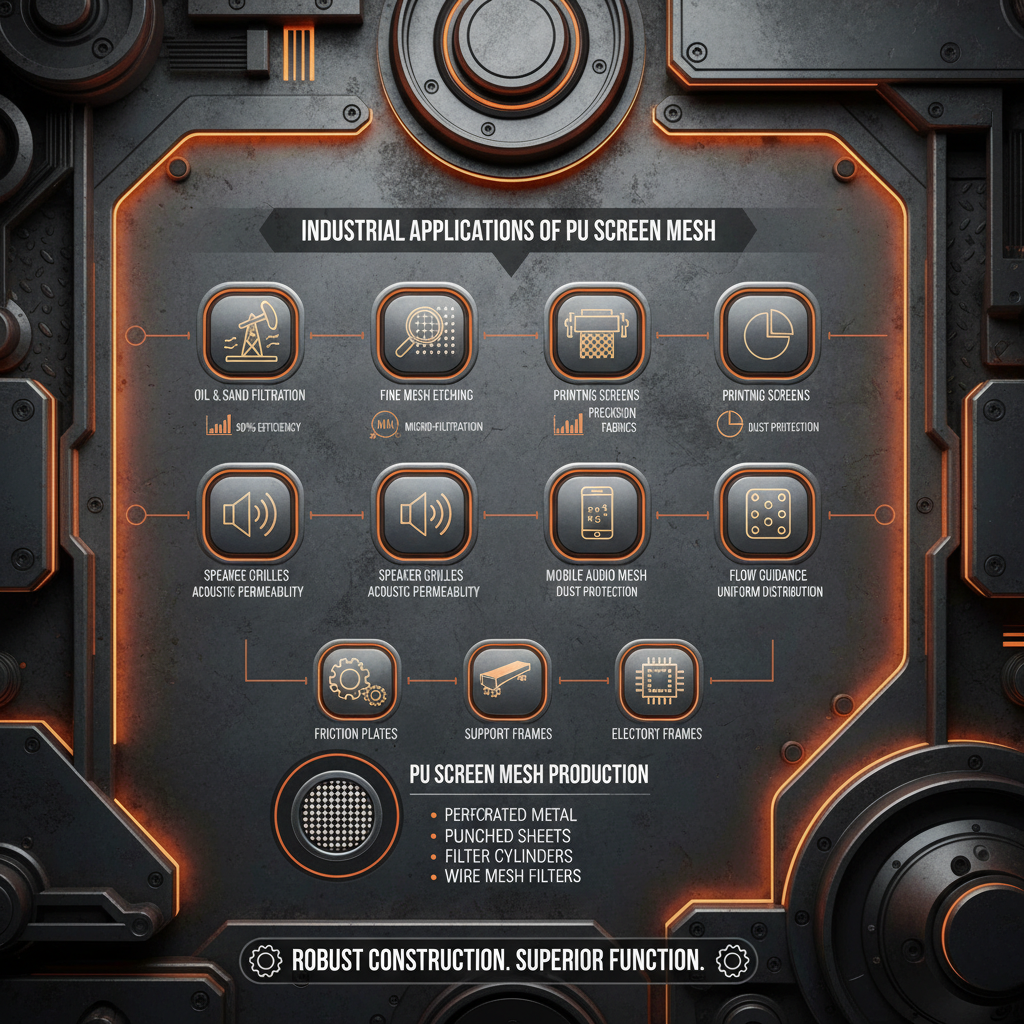
The versatility of PU screen mesh is reflected in its wide range of applications. In the mining industry, it's used for screening aggregates, coal, and other minerals. In the food processing sector, it ensures product purity by separating foreign objects. Water treatment facilities utilize it for filtration. The pharmaceutical industry relies on it for precise particle separation. Even in architectural applications, it's used for decorative screens and facades. This adaptability makes PU screen mesh a valuable asset across numerous industries.
Choosing the correct PU screen mesh requires careful consideration of several factors. The aperture size is crucial and should be determined based on the particle size you need to separate. The mesh count, measured in openings per inch, directly affects the precision of the separation. The material thickness and weave pattern also impact the mesh's strength and durability. Finally, consider the operating environment; temperature, chemical exposure, and abrasion levels all influence the optimal mesh selection. Tomaifilter.com offers expert advice to help you choose the ideal mesh for your application.
PU screen mesh represents a significant advancement in filtration and separation technology. Its superior properties, coupled with its versatility, make it a compelling alternative to traditional metal mesh. By understanding its capabilities and carefully selecting the right specifications, you can optimize your processes, reduce costs, and enhance efficiency. Explore the range of PU screen mesh solutions available at Tomaifilter.com today.
The lifespan of PU screen mesh varies depending on the application, the material's thickness, and the abrasiveness of the materials being processed. However, it generally outlasts metal mesh by a significant margin, often providing 2 to 3 times the service life. Factors such as operating temperature, chemical exposure, and impact forces also influence longevity. Regular inspections for wear and tear are recommended to optimize performance and prevent unexpected failures. Proper maintenance and correct installation are also critical for extending its life.
Yes, PU screen mesh exhibits excellent resistance to a wide range of corrosive materials, including acids, alkalis, solvents, and oils. This makes it an ideal choice for applications in chemical processing, wastewater treatment, and other industries where exposure to harsh chemicals is common. However, it's important to select a PU formulation specifically designed for the type of corrosive material it will encounter. Consulting with a materials expert at Tomaifilter.com can ensure you choose the most appropriate mesh for your specific application.
Yes, certain formulations of PU screen mesh are specifically manufactured to meet food-grade standards. These formulations are non-toxic, odorless, and resistant to bacterial growth, making them safe for use in food processing and beverage industries. It's crucial to ensure that the mesh you select is certified by relevant regulatory bodies, such as the FDA, to guarantee compliance with food safety regulations. Tomaifilter.com offers a range of food-grade PU screen mesh options.
PU screen mesh is generally easier to install than metal mesh due to its flexibility. It can be stretched, cut, and secured using various methods, including clamping, gluing, or welding. The installation method will depend on the specific application and the design of the equipment. Proper tensioning is crucial to ensure optimal performance and prevent premature wear. Detailed installation instructions are typically provided by the manufacturer.


Hit enter to search or ESC to close
