14 Mar 2026
In various industrial processes, effective separation of solids from liquids is paramount. Polyurethane screening panels are increasingly becoming the material of choice for this critical task, offering durability, high performance, and cost-effectiveness. This article provides an in-depth exploration of polyurethane screening panels, covering their applications, benefits, selection criteria, and why Tomaifilter is a leading provider of these essential components. Understanding these panels will lead to more efficient, longer-lasting systems.
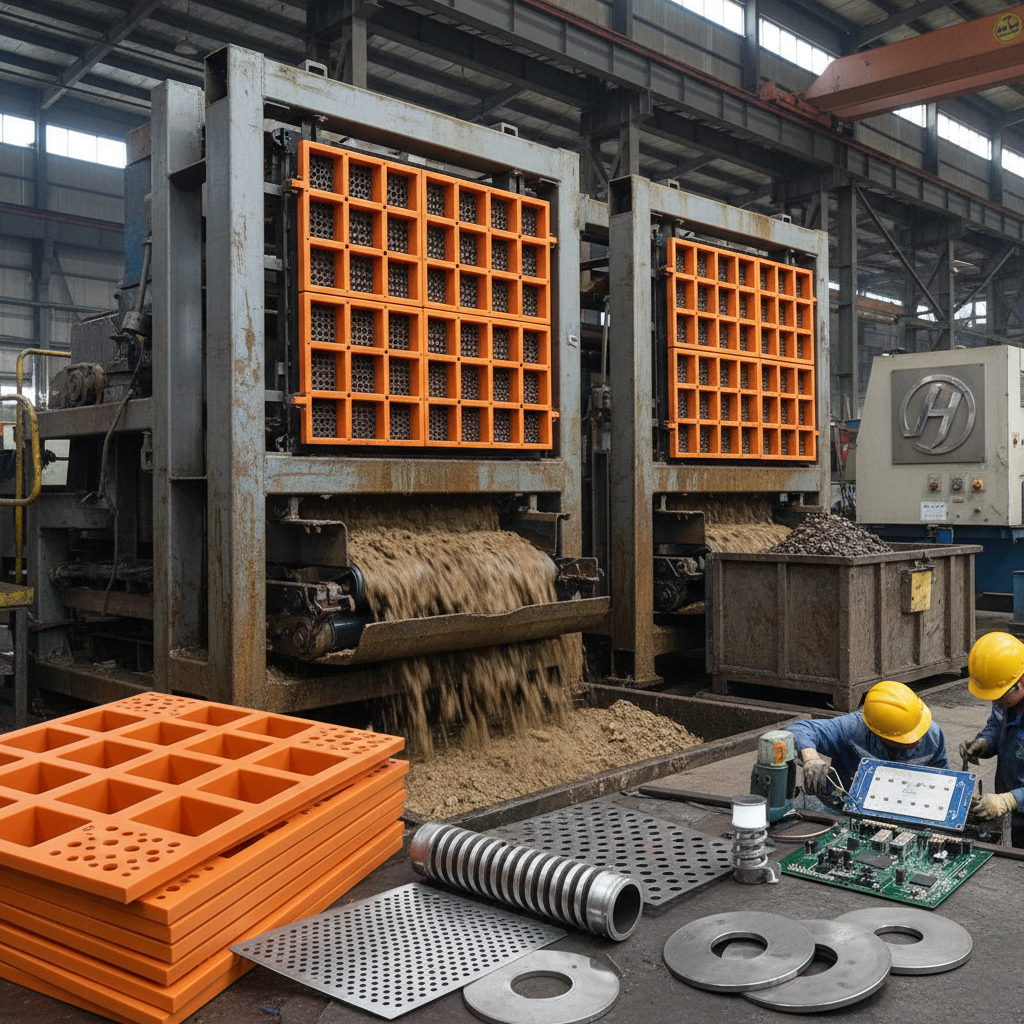
Polyurethane screening panels are precision-engineered components used in a wide range of separation equipment, including vibrating screens, trommels, and test sieves. They are manufactured from high-quality polyurethane elastomers, offering a unique combination of abrasion resistance, flexibility, and tensile strength. Unlike traditional metal mesh screens, polyurethane panels are designed to withstand harsh operating conditions and deliver consistent performance over an extended lifespan. These panels come in various aperture sizes and configurations to suit specific application needs. The material’s elasticity also helps minimize blinding and pegging.
Key Features: Exceptional abrasion resistance, high tensile strength, flexibility, minimal blinding, long service life, and customizable aperture sizes.
The versatility of polyurethane screening panels allows for use in diverse industries. Common applications include: aggregate processing, mining and mineral processing, coal preparation, recycling, food processing, and wastewater treatment. In aggregate processing, they efficiently separate materials by size for road construction and building materials. In mining, they are used to classify ore and remove impurities. Recycling facilities utilize them to separate different types of plastics and metals. Their ability to handle wet and abrasive materials makes them ideal for demanding industrial environments.
Application Highlights:
• Aggregate Processing
• Mining & Mineral Processing
• Recycling Operations
• Food Processing
Compared to traditional metal mesh screens, polyurethane panels offer significant advantages. Metal mesh is prone to wear and tear, especially when processing abrasive materials, leading to frequent replacements. Polyurethane, however, exhibits exceptional abrasion resistance, extending its service life considerably. Furthermore, polyurethane panels are less susceptible to blinding and pegging – the clogging of screen apertures – resulting in consistent throughput and reduced downtime. The flexibility of polyurethane also contributes to higher screening efficiency and reduced noise levels.
Choosing the correct polyurethane screening panel is crucial for optimal performance. Key factors to consider include: aperture size (the size of the openings), panel thickness, polyurethane hardness (durometer), and the specific material being screened. A smaller aperture size is needed for finer separation, while a thicker panel provides greater durability. The durometer indicates the panel's resistance to deformation; harder panels are better for abrasive materials. Tomaifilter’s experienced engineers can assist in selecting the optimal panel for your application.
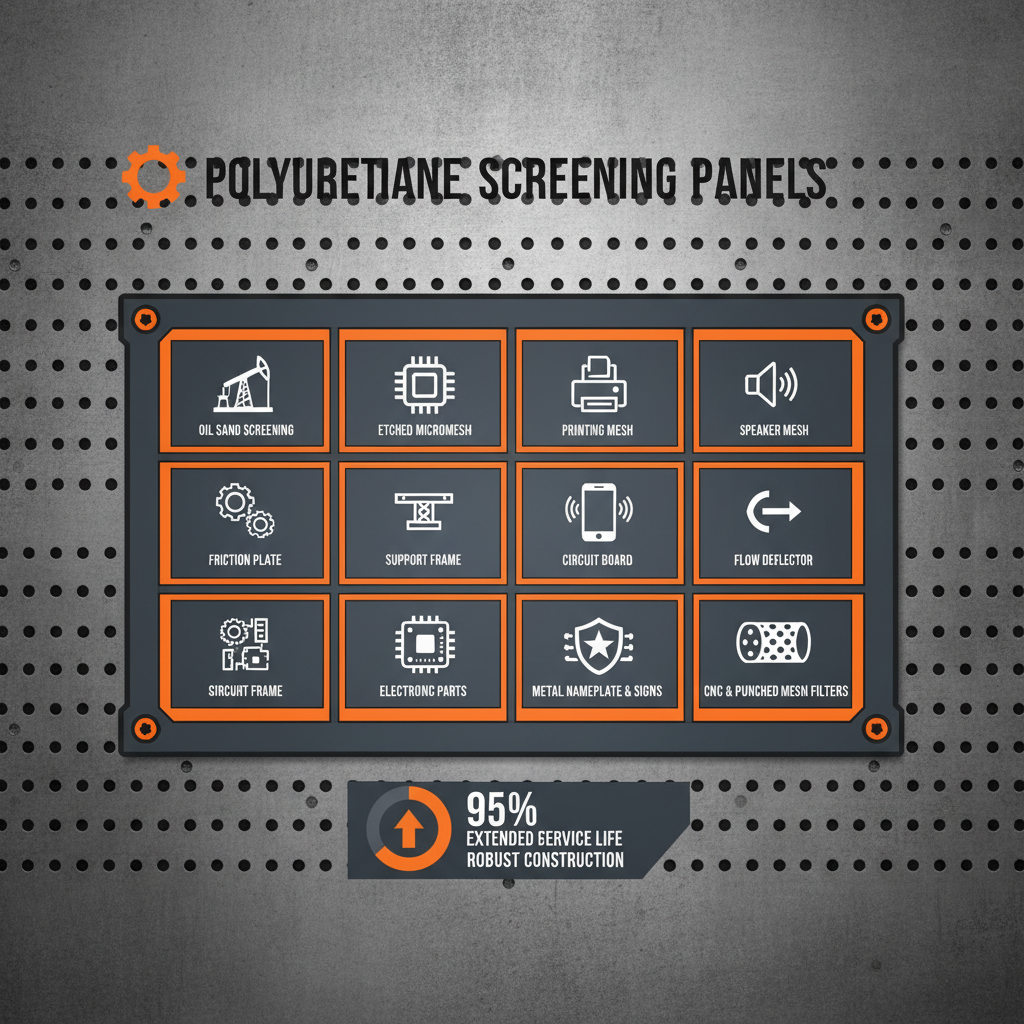
Tomaifilter is a leading manufacturer of high-quality polyurethane screening panels. We utilize advanced manufacturing processes and premium polyurethane materials to ensure superior performance and durability. We offer a wide range of standard sizes and configurations, as well as custom-designed panels to meet specific client requirements. Our commitment to customer satisfaction and competitive pricing makes us the preferred choice for businesses across various industries.
Investing in high-quality polyurethane screening panels from Tomaifilter is a strategic move to enhance operational efficiency, reduce maintenance costs, and improve product quality. Our dedication to innovation and customer service ensures you receive the optimal solution for your separation needs. Contact us today to learn more!
The lifespan of a polyurethane screening panel varies depending on the application, the abrasiveness of the material being screened, and operating conditions. Generally, a well-maintained panel can last from 6 months to 2 years, significantly longer than traditional metal mesh screens. Factors like impact loading, chemical exposure, and temperature fluctuations can influence the lifespan. Regular inspections and timely replacements are crucial for maintaining optimal performance and preventing costly downtime.
Minor damage, such as small tears or abrasions, can sometimes be repaired with specialized polyurethane adhesives. However, extensive damage or significant wear typically requires panel replacement. Repairing panels is often less cost-effective than replacing them, especially considering the downtime associated with repair work. Tomaifilter offers panel replacement services to minimize disruption to your operations.
The appropriate durometer depends on the abrasiveness of the material being screened. Softer durometers (lower numbers) are more flexible and suitable for less abrasive materials, providing better resistance to cracking. Harder durometers (higher numbers) offer greater abrasion resistance and are ideal for handling highly abrasive materials. Generally, a durometer of 60A to 70A is common for most aggregate and mining applications. Tomaifilter’s experts can help you select the optimal durometer based on your specific needs.
Yes, certain polyurethane formulations are FDA-compliant and suitable for use in food processing applications. These formulations are manufactured using food-grade materials and are designed to prevent contamination. It's crucial to verify that the polyurethane panel you choose meets the specific food safety regulations applicable to your application. Tomaifilter offers FDA-compliant polyurethane panels for various food processing needs.


Hit enter to search or ESC to close
