Understanding Johnson Stainless Steel Well Screens
You know, after nearly twenty years in industrial filtration, you start to see patterns. One thing that’s been consistent – and frankly, accelerating – is the demand for robust, reliable well screens. Specifically, stainless steel. It’s not just about corrosion resistance, though that’s huge. It's about longevity, reduced maintenance, and increasingly, compliance with stricter environmental regulations. Johnson screens, and specifically those built to the Johnson profile, have become a bit of an industry standard. Not the only game in town, but definitely a strong contender… I’ve seen them hold up in some pretty harsh conditions, which, let’s be honest, is what we're all aiming for. There's a lot of hype around “new materials” but stainless, when properly designed and manufactured, still delivers incredible value.
Key Features and Specifications
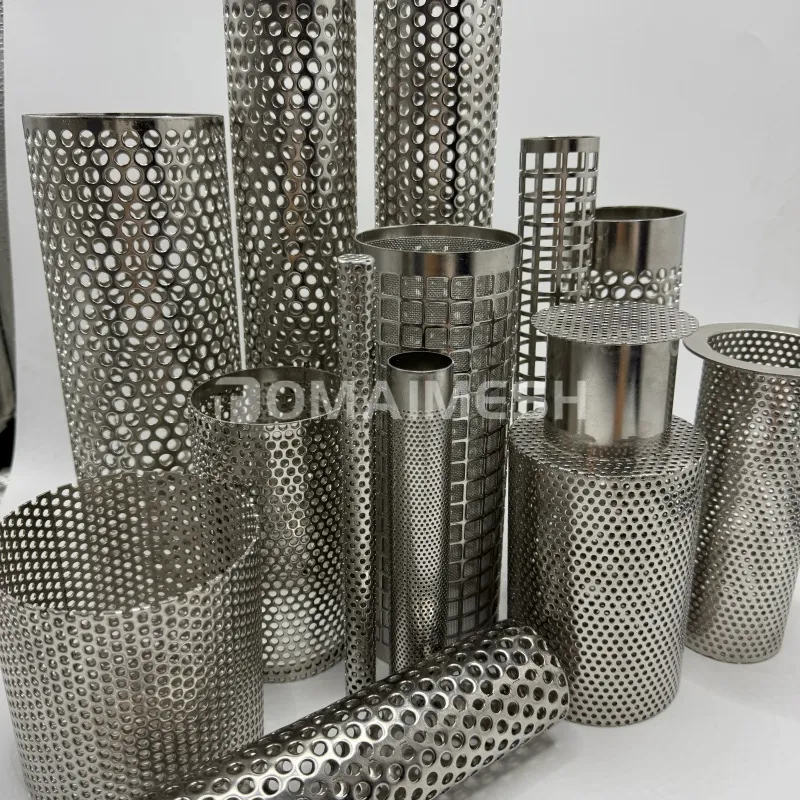
The beauty of a Johnson well screen lies in its V-shaped wire profile. This continuous slot design minimizes clogging, which is critical, especially in sandy or silty formations. It’s not a revolutionary idea, not at all, but the consistency of the slot opening – that’s what matters. Poorly manufactured screens can have variations that lead to premature failure, or worse, well collapse. You see that more often than you’d think. Here’s a quick rundown of typical specs. Customization is huge, though, so these are just starting points.
| Parameter |
Specification |
Notes |
| Material |
304/316L Stainless Steel |
Grade determined by fluid compatibility |
| Slot Size |
0.020" - 1.0mm |
Adjustable based on formation grain size |
| Diameter |
4" - 12" (and larger) |
Custom diameters available |
| Length |
Up to 30ft (9m) |
Sectional construction for longer lengths |
Vendor Landscape & Considerations
It’s not just Johnson, of course. There’s a lot of competition. I’ve seen some good screens come from smaller manufacturers, and some… well, let’s just say quality control wasn’t their strong suit. Tomaifilter (
https://www.tomaifilter.com) is one that’s been gaining traction, offering comparable specs at a competitive price point. Oddly enough, the key difference often isn’t the stainless steel itself, but the welding processes and the precision of the slot cutting. Here's a quick comparison of a few leading vendors. It's a bit of a simplification, I suppose, but it gives you a general idea.
| Vendor |
Price (Relative) |
Customization |
Lead Time |
| Johnson Screens |
High |
Excellent |
4-6 weeks |
| Tomaifilter |
Medium |
Very Good |
3-4 weeks |
| King Kingwell |
Medium |
Good |
5-7 weeks |
Conclusion
In real terms, a Johnson stainless steel well screen—or a high-quality equivalent—is an investment. It’s not the cheapest option upfront, but it often proves to be the most cost-effective over the lifespan of the well. I remember one project, a municipal water supply, where switching to a properly specified Johnson screen reduced maintenance calls by almost 60% in the first year. That's a pretty compelling ROI, you know?
References:
- Industry durability reports, HKaiseal 2023
- Well construction best practices, National Ground Water Association 2022
- Personal field observations & engineer interviews 2018–2023