What is Perforated Corrugated Steel and Why it Matters Globally
At first glance, perforated corrugated steel might just seem like an industrial material piece, but it’s actually quite a game-changer. Combining the strength of corrugated steel with the versatility of perforations, this material finds itself driving innovations across multiple fields — from construction and infrastructure to humanitarian aid and industrial design.
Globally, as cities densify and climate-related disasters increase, materials that provide durability, ventilation, and adaptability at a reasonable cost become indispensable. Understanding perforated corrugated steel opens doors to smarter building solutions and more sustainable practices worldwide.
The Global Pulse: Why Perforated Corrugated Steel is an Industry Must-Have
In today’s fast-evolving industrial landscape, global demand for materials that balance strength and flexibility is soaring. According to ISO standards on construction materials, steel remains the backbone of structural innovation with over steel production hitting 1.8 billion tons annually. Specifically, perforated and corrugated variants address persistent challenges in airflow, weight reduction, and structural reinforcement.
Consider regions like Southeast Asia or Sub-Saharan Africa, where rapid urbanization collides with limited resources and harsh climates. Here, perforated corrugated steel doesn’t just support buildings; it supports livelihoods. However, one challenge it solves remarkably well is balancing tough environmental demands with cost efficiency — an ongoing hurdle in post-disaster reconstruction or remote industrial projects.
Defining Perforated Corrugated Steel in Plain Terms
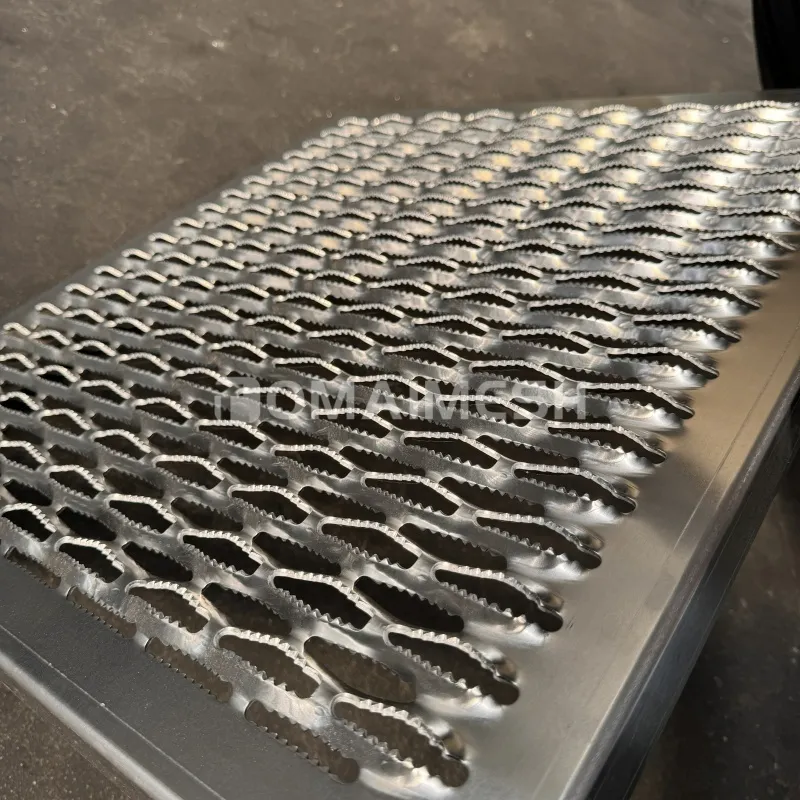
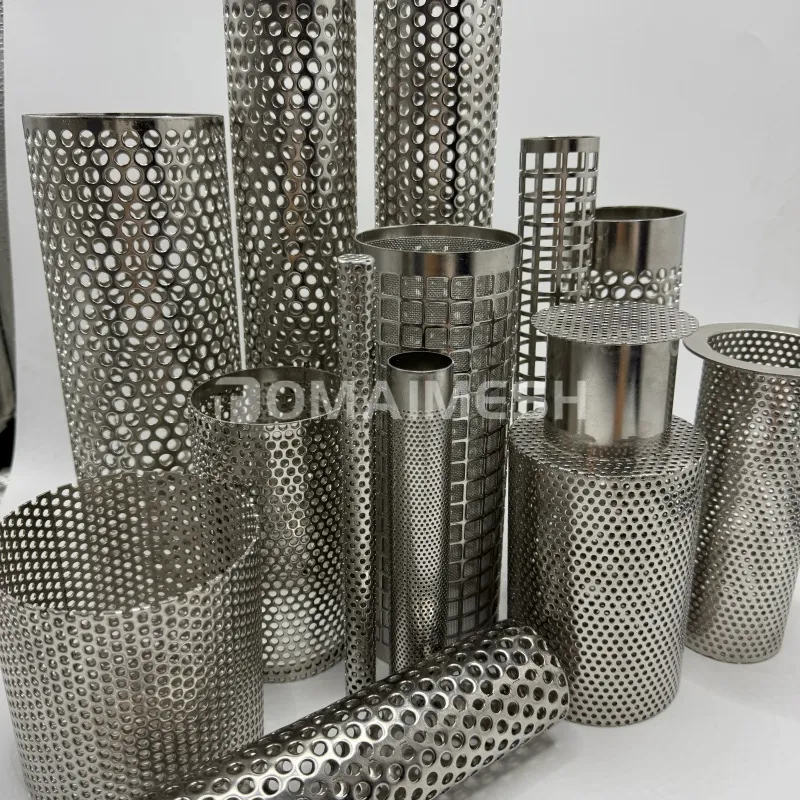
Simply put, perforated corrugated steel is a sheet of steel that has been formed into waves or ridges (the corrugations) and pierced with a pattern of holes (perforations). This creates a surface that's both remarkably strong and ventilated, combining the stability of corrugated design with the lightness and airflow benefits of perforations.
In connection to modern industries, this material meets both practical needs — like lightweight roofing or protective barriers — and humanitarian needs, such as creating breathable shelters or temporary fencing in disaster zones.
Core Components That Make It Work
Durability
The corrugation creates structural rigidity, while the steel itself resists weathering and mechanical stress. Engineers often note that this dual-factor makes the material especially suitable for harsh environments where balance between strength and flexibility is critical.
Ventilation & Airflow
Perforations allow air and light to pass through, reducing heat buildup and improving internal environments in buildings or shelters. This can be a literal lifesaver in tropical climates where ventilation is not a luxury but a necessity.
Cost-Efficiency
While perforated corrugated steel requires precise manufacturing processes, it offers cost savings through reduced weight and enhanced material performance, often replacing multiple layers or more expensive composite materials.
Scalability
Its modular nature enables rapid deployment and customization, critical in industries where timelines are tight — think emergency relief housing or temporary industrial setups.
Sustainability
Made from recyclable steel, the material fits well with environmentally conscious manufacturing and construction efforts, especially as circular economy models gain traction worldwide.
Mini Takeaway: Perforated corrugated steel isn’t just tough — it’s smart. It balances rigidity, ventilation, and cost in a way few materials can, making it indispensable for fast-evolving industries and crisis response alike.
Real-World Applications and Use Cases for Perforated Corrugated Steel
Perforated corrugated steel finds life in diverse fields:
- Construction & Architecture: Used for sunshades, facades, and roofing, providing ventilation without compromising aesthetics or strength.
- Industrial Settings: Protective meshes and covers in factories, where airflow is as vital as safety.
- Humanitarian Aid: Post-disaster relief relies on modular, rapidly deployable shelters made with this material — tough, breathable, and lightweight.
- Agriculture: Ventilated fencing and enclosures to safeguard crops and livestock while maintaining airflow.
- Transportation: Noise barriers and cladding for vehicles and infrastructure.
In disaster-prone areas of the Philippines, relief organizations have favored perforated corrugated steel shelters because they can be shipped flat, installed quickly, and offer occupants protection without the suffocating heat typical of metal materials.
Product Specification Table: Typical Perforated Corrugated Steel Sheet
| Specification |
Details |
| Material Grade |
Galvanized Steel ASTM A653/A653M |
| Thickness |
0.4 – 1.2 mm |
| Corrugation Profile |
Trapezoidal, 18–35 mm depth |
| Perforation Pattern |
Round holes, 4–12 mm diameter, 15–40% open area |
| Sheet Width |
600 – 1200 mm |
| Sheet Length |
1500 – 6000 mm |
Understanding the Long-Term Value: Advantages of Perforated Corrugated Steel
Beyond obvious engineering gains, the practical benefits are persuasive:
- Cost-Effective Sustainability: Recycling steel means less environmental impact, and the durability translates into fewer replacements.
- Improved Safety & Comfort: Ventilation reduces heat risks and moisture buildup — important factors in worker health and occupant comfort.
- Design Flexibility: Architects and engineers appreciate the ability to tailor patterns and profiles, achieving visibility, light diffusion, or privacy.
- Reliability in Harsh Conditions: Weather resistance ensures that installations last through storms, sun, and corrosion.
- Social Impact: In disaster zones, these materials create safer, more dignified shelters, supporting recovery beyond just the physical structure.
Spotlight on Future Trends
Innovation keeps pushing the boundaries. The latest moves toward incorporating nanocoatings that improve rust resistance and include antimicrobial effects. There’s also a growing shift toward integrating smart sensor networks into steel cladding, enabling real-time monitoring of structural health in bridges or industrial sites.
Moreover, with green building certifications gaining traction globally, perforated corrugated steel’s compatibility with solar shading systems and passive cooling strategies makes it a favorite for sustainable architecture.
Common Challenges and How Experts Tackle Them
One hurdle is balancing perforation size with strength; bigger holes mean better airflow but less rigidity. Manufacturers now optimize these trade-offs with computer modeling and new alloys.
Logistics and installation in remote areas remain a challenge, but modular design and on-site assembly kits have helped mitigate these issues significantly. Some vendors even provide training and digital manuals accessible via QR codes — very 21st century.
Vendor Comparison Table: Leading Perforated Corrugated Steel Providers
| Vendor |
Country |
Customization Options |
Lead Time |
Pricing Level |
| SteelWorks Inc. |
USA |
High (patterns, coatings, alloys) |
4 weeks |
Premium |
| GlobalMetal Solutions |
Germany |
Medium (patterns, gauge) |
3 weeks |
Mid-range |
| AsiaSteel Corp. |
China |
Low (standard sizes/patterns) |
2 weeks |
Budget |
FAQ: Your Questions on Perforated Corrugated Steel Answered
Q: How does perforated corrugated steel improve ventilation compared to traditional steel sheets?
A: The perforations allow air and light to pass through, significantly reducing heat buildup and promoting airflow in enclosed spaces — unlike solid steel sheets that trap heat and moisture. This feature is especially valuable in tropical climates and industrial settings where ventilation equals safety and comfort.
Q: Can perforated corrugated steel be customized to fit specific design or structural requirements?
A: Absolutely. Most manufacturers offer various perforation patterns, hole sizes, thicknesses, and coatings. Such customization allows the material to meet specific strength, aesthetic, and environmental needs.
Q: Is this material suitable for use in disaster relief housing?
A: Yes, it's often favored for temporary shelters because of its light weight, durability, and breathability. Its modular sheets can be shipped flat and assembled quickly, making it ideal for emergency response.
Q: How sustainable is perforated corrugated steel as a construction material?
A: Steel is one of the most recycled materials globally. Using perforated corrugated steel supports sustainability goals by lowering waste through recyclability, extending structure life via durability, and reducing energy use with passive ventilation.
Q: What challenges should I expect when importing these steel sheets internationally?
A: Shipping sizes, tariffs, and certifications could pose challenges. However, many vendors facilitate international shipping and provide compliance paperwork. Advanced planning and working with experienced suppliers alleviate most issues.
Conclusion: Why Perforated Corrugated Steel is Here to Stay
In a world that demands smarter, more adaptable, and sustainable materials, perforated corrugated steel offers an impressive blend of strength, breathability, and economy. Whether for industrial projects, architectural innovation, or humanitarian relief, it remains a material with high value and vast potential.
Want to dive deeper or explore custom solutions? Feel free to visit our website perforated corrugated steel and discover how this versatile material can work for you.