What is a Hexagonal Perforated Steel Sheet and Why Should We Care?
Hexagonal perforated steel sheets—if that term sparks an image, it might be one of those mesh-like metal panels with a honeycomb pattern you see in architectural designs or massive industrial facades. But beyond that aesthetic appeal, these sheets carry significant global importance in manufacturing, construction, and even humanitarian efforts. Why? Because their unique hexagonal holes create a combination of strength, lightweight durability, and airflow that many sectors desperately need.
Globally, industries constantly look for materials that balance cost, durability, and functionality. Hexagonal perforated steel sheets check all the boxes, helping engineers and designers create solutions that last longer, reduce waste, and often cut costs without compromising on safety.
Mini takeaway: Hexagonal perforated steel sheets offer a smart blend of form and function, making them a quietly transformative element in many global industries.
The Global Context: Why Is Hexagonal Perforated Steel Sheet So Relevant Today?
To appreciate the impact, think about some numbers. According to the ISO, the global steel industry produces over 1.8 billion metric tons annually, and a significant portion goes towards perforated elements for various uses. The World Bank also points out the rising demand for lightweight, recyclable, and durable construction materials—especially as urbanization accelerates. Hexagonal perforated steel sheets, with their honeycomb-like structure, are emerging as an elegant answer to several modern problems.
For example, ventilation systems must balance airflow with protection from debris or pests—something these sheets accomplish beautifully. And engineers faced with reducing weight while maintaining strength in bridges, vehicles, or facade cladding find these perforated patterns invaluable. There's also a sustainability angle: by removing parts of the steel, less material is used, lowering the overall carbon footprint.
Yet challenges remain. Producing consistent quality at scale, addressing corrosion in harsh environments, and balancing cost pressures form a tricky equation manufacturers and users must solve.
Mini takeaway: Hexagonal perforated steel sheets meet critical global demands but also pose unique challenges requiring constant innovation.
Breaking It Down: What Exactly Is a Hexagonal Perforated Steel Sheet?
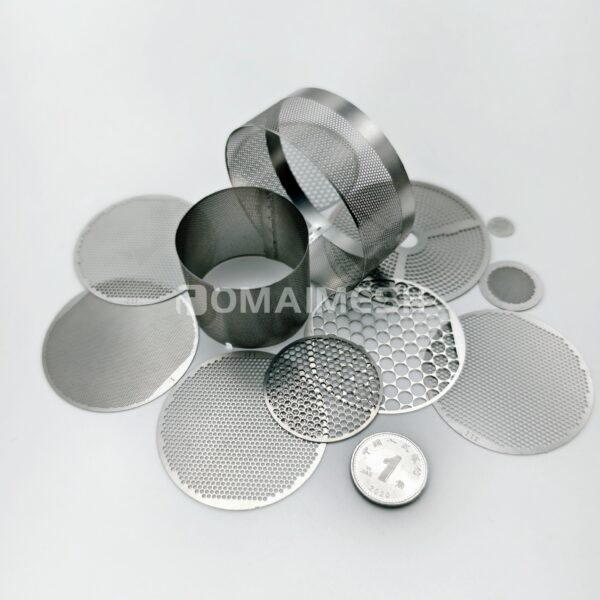
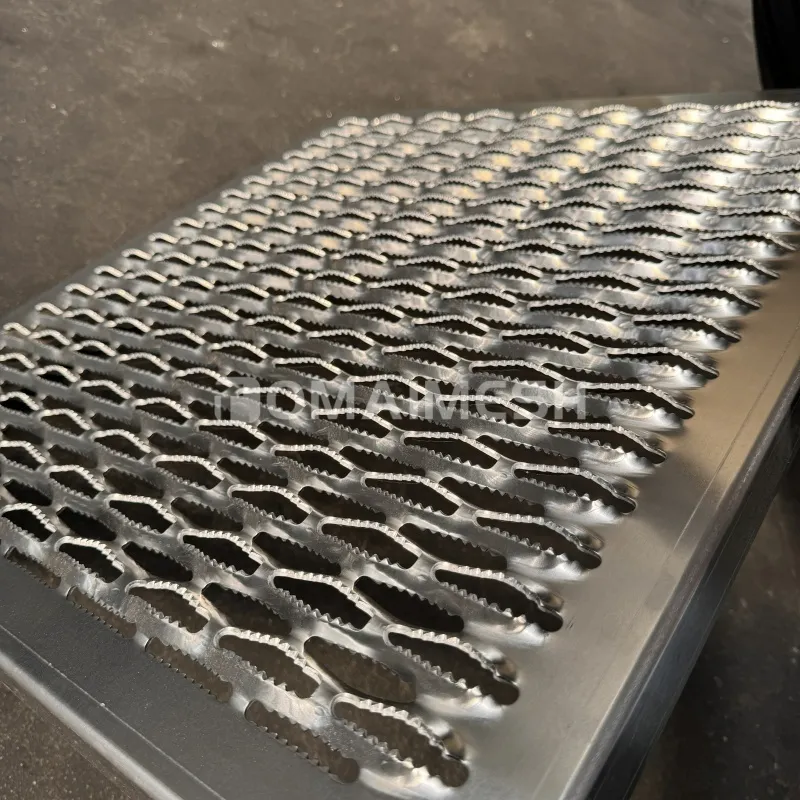
Simply put, it’s a sheet of steel that’s been punched or cut to have hexagonal holes arranged in a pattern across its surface. You’ll find it in thicknesses ranging from ultra-thin metal foils to heavy-duty steel plates. This honeycomb pattern isn’t just for looks; it optimizes the sheet for strength-to-weight ratio, allowing for flexibility, ventilation, and sound absorption while maintaining impressive rigidity.
In today’s world, these sheets connect modern manufacturing to humanitarian solutions. For instance, creating rapid-deploy shelters that need airflow yet weather protection, or filtering systems protecting water sources in post-disaster areas — they’re often made from these clever sheets.
Core Characteristics: What Makes Hexagonal Perforated Steel Sheets Stand Out?
Durability and Strength
Steel, inherently, is tough. The hexagonal perforation pattern evenly distributes stress, making sheets resistant to bending and deformation even under heavy loads. Many engineers swear by this pattern for applications that must last decades.
Weight Optimization
Removing material reduces weight—often by 20-40% compared to solid steel sheets. This means easier handling, reduced fuel consumption in automotive applications, and lower structural loads in buildings.
Airflow & Acoustic Performance
Because of the regular, open pattern, these sheets allow air and sound waves to pass through efficiently. This makes them ideal for ventilation grilles, soundproofing panels, and filtration.
Cost Efficiency
Less steel used = fewer raw materials consumed. While production can be more complex, the overall material and shipping savings often tip the balance favorably.
Customizability
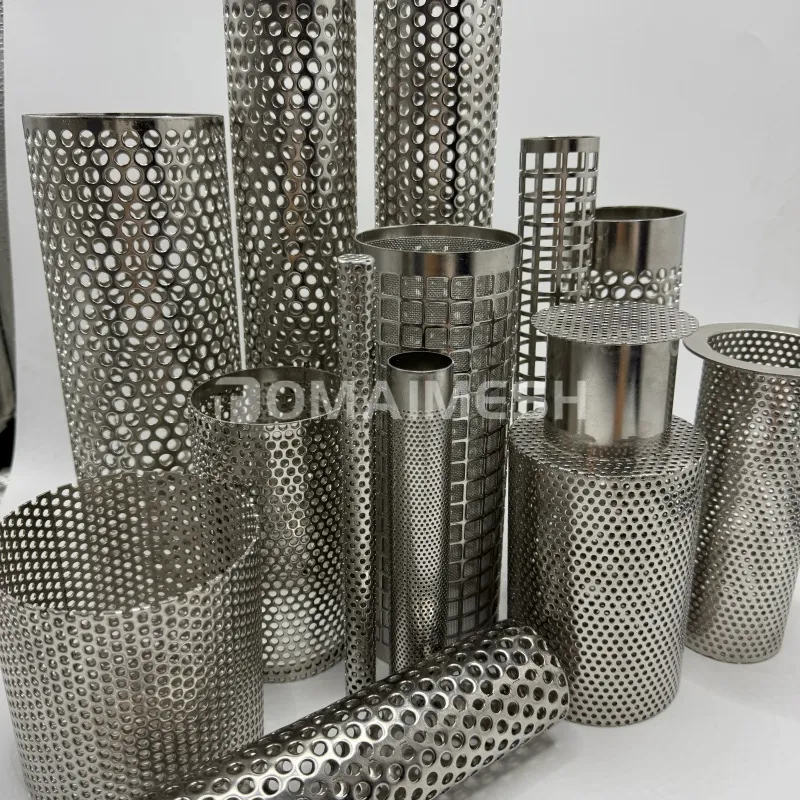
Manufacturers can tailor hole sizes, thickness, and material coatings (e.g., galvanized, stainless) to meet sector-specific needs such as anti-corrosion or flame resistance.
| Specification |
Typical Range |
Notes |
| Material Thickness |
0.5 mm - 12 mm |
Varies by application |
| Hole Size |
3 mm - 50 mm |
Hexagonal pattern spacing |
| Panel Size |
Up to 2000 mm x 6000 mm |
Customizable length & width |
| Material Type |
Carbon steel, stainless steel, galvanized steel |
Chosen based on environment |
Mini takeaway: This material is surprisingly flexible—whether you want ultra-light roof panels or rugged industrial filters, hexagonal perforated steels deliver.
Where in the World Do Hexagonal Perforated Steel Sheets Really Shine?
Some regions and industries lean heavily on their unique benefits:
- Construction & Architecture: From Europe’s avant-garde facades to North American building ventilation, designers love the blend of beauty and utility.
- Automotive & Aerospace: Vehicle manufacturers use light-weighted, perforated steels for parts reducing overall weight without compromising safety.
- Water Treatment & Filtration: NGOs deploying water filters in developing world post-disaster zones rely on perforated steel for its durability and ease of cleaning.
- Energy Sector: Wind turbine cages, solar array mounts—parts must resist wind and weather while staying light.
For example, after a tsunami in Southeast Asia, aid organizations rapidly constructed temporary shelters with walls incorporating hexagonal perforated steel sheet, providing ventilation and protection with minimal weight.
Mini takeaway: Practical, global, and adaptable—that's the real-world story of these sheets.
Advantages & The Long-Term Value Proposition
Sure, the upfront cost can sometimes be higher than standard steel sheets, but the balance tips fast when you consider:
- Lower Transportation & Installation Costs: Their lighter weight reduces shipping fuel needs and makes handling onsite easier.
- Enhanced Safety: Strong patterns resist damage and reduce overall risk over a structure’s lifespan.
- Sustainability: Less steel used = less carbon emissions and more recyclable materials.
- Emotional & Social Impact: In disaster relief or urban living, safer, better-ventilated environments improve dignity and trust in infrastructure.
In short, these sheets offer more than just a metal panel—they promise reliability and thoughtful design at scale.
Looking Ahead: Innovations and Trends
Recent research focuses on sustainable materials and digital manufacturing technologies producing even more precise perforations, reducing waste further. We’re seeing integration with smart sensors embedded inside these perforated sheets — monitoring structural health or air quality.
Additionally, emerging green energy projects are adopting these sheets for solar panel shading and wind deflectors inside turbine housings. Automation in cutting also means customized patterns at scale, ideal for specialized architectural needs.
What about Challenges? Practical Issues & Solutions
Corrosion remains a concern in coastal or chemical-exposed environments. But innovations like high-performance coatings, stainless alloys, and routine maintenance protocols help mitigate this effectively.
Keeping production consistent is another hurdle, with minor perforation mismatches potentially hampering airflow or strength. Collaborating closely with vendors and using computerized quality checks can address this.
| Vendor |
Product Range |
Quality Certifications |
Price Range (USD/per sqm) |
| TOMAI Filters |
Wide (thin to heavy gauge) |
ISO 9001, CE |
$20 - $50 |
| SteelForm Inc. |
Medium (standard sizes) |
ISO 14001 |
$18 - $40 |
| HexaSteel Ltd. |
Niche (custom patterns) |
ISO 9001 |
$25 - $60 |
FAQ: Your Practical Questions About Hexagonal Perforated Steel Sheets
- Q: How durable is a hexagonal perforated steel sheet in outdoor settings?
- A: When made from galvanized or stainless steel, these sheets can last 15-30 years outdoors without significant corrosion, depending on environmental factors and maintenance. Proper coatings improve longevity exponentially.
- Q: Can I customize the size and pattern of hexagonal perforations?
- A: Absolutely. Modern CNC punching machines allow custom hole sizes and spacing, catering to ventilation, acoustic, or aesthetic requirements.
- Q: Is the hexagonal pattern better than circular perforations?
- A: Hexagonal patterns provide a more uniform stress distribution and typically higher open area percentage for a given material thickness, offering better airflow and structural performance.
- Q: How do I ensure quality when ordering from international suppliers?
- A: Verify certifications like ISO 9001, request sample products, and use third-party inspection services to confirm compliance with your requirements.
- Q: Are hexagonal perforated steel sheets recyclable?
- A: Yes, steel is highly recyclable with minimal loss in quality, making these sheets an eco-friendly choice in circular material economies.
Wrapping It Up: Why Hexagonal Perforated Steel Sheets Are Here to Stay
All said, it feels like these sheets have quietly become unsung heroes across industries—from architecture to disaster relief. Their mix of strength, lightweight engineering, and adaptability addresses practical problems while supporting sustainability goals. If you want to explore premium options or custom applications, I recommend visiting TOMAI Filter’s site, where you’ll find detailed catalogs and expert consultation.
At the end of the day, understanding such materials — oddly enough — helps us appreciate the often unseen engineering marvels that keep the modern world breathin’, sheltered, and running smoothly.
References:
- International Organization for Standardization (ISO)
- World Bank Data on Construction and Materials
- Wikipedia: Perforated Metal