
16 Oct 2025
If you’ve been speccing filtration or lightweight structural media lately, you’ve probably bumped into woven titanium mesh. Not the buzzwordy kind—real hybrid weaves that blend 316L stainless with Ti‑6Al‑4V for aerospace, marine, and energy hardware. I spent a week speaking with buyers and shop leads in Anping County and, to be honest, the momentum here feels very real.
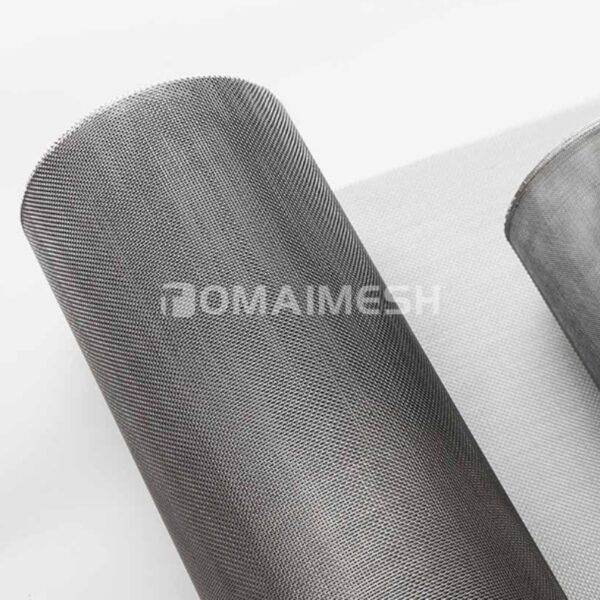
Weight-to-strength, corrosion resistance, and cleanability. Sounds cliché, but in marine heat exchangers and compact aerospace ducts, the trade-offs matter. This hybrid mesh—316L + Gr5 (Ti‑6Al‑4V)—arrives pickled to ASTM A380 and can be electropolished to ≈Ra 0.2 μm. Many customers say the surface finish alone saves them an extra cleaning step. I guess that’s why procurement keeps nudging R&D toward woven titanium mesh when stainless alone can’t hold up to chlorides.
| Parameter | Spec (≈/range) | Notes |
|---|---|---|
| Material | 316L + Gr5 Ti‑6Al‑4V (ASTM F67/AMS 4928) | Vendor lists F67; Gr5 alignment commonly checked against AMS 4928 |
| Weave | Plain / Twill | Hybrid welded joints to stabilize edges |
| Wire Ø | 0.1–3.0 mm (±1.5%) | Real‑world tolerance varies with weave density |
| Mesh Count | 20–300 | Custom layered wire & mesh available |
| Thickness | 0.5–6 mm | Stacked laminates for load-critical parts |
| Tensile Strength | ≥800 MPa | Typical verified via ASTM E8 |
| Surface | Acid pickled (ASTM A380) / Electropolished (Ra≤0.2 μm) | Improves fouling resistance |
| Origin | East Development Zone, Anping County, Hengshui, Hebei | Industry hub for technical meshes |
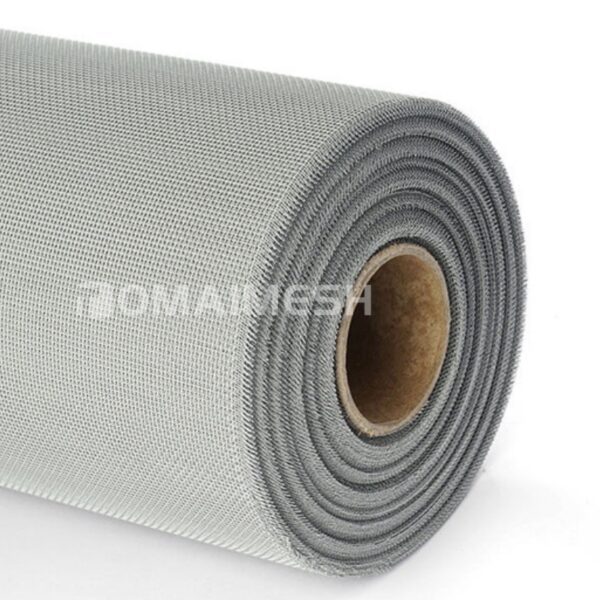
Materials: 316L and Ti‑6Al‑4V wire drawing → controlled anneal → weaving (plain/twill) → hybrid edge welding → pickling to ASTM A380 → optional electropolish → dimensional and tensile checks (ASTM E8/E18) → corrosion screening (ISO 9227; ASTM G31/G48 as needed). Service life: in marine chloride cycles, buyers report 8–12 years; in aerospace ventilation, often much longer, assuming normal maintenance. Testing paperwork typically includes heat lot traceability and EN 10204 3.1 certs—ask for them.
Two quick case notes: a European shipyard retrofit saw pressure drop stabilize after 6 months—with less biofouling than their prior 316L-only media. And a UAV maker’s twill weave (220 mesh) shaved 11% mass vs. a legacy screen while passing a 96‑hour neutral salt spray screen under ISO 9227. Not earth-shattering, but in fact, meaningful.
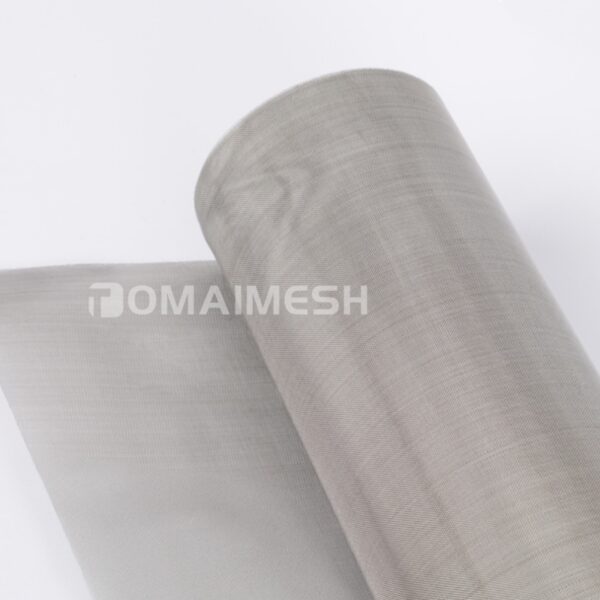
| Vendor | Certs (≈) | Lead Time | Customization | Notes |
|---|---|---|---|---|
| TOMAIFILTER (Anping) | ISO 9001 (on request); EN 10204 3.1 | 2–4 weeks | Wire Ø, mesh count, laminate stacks | Hybrid welded edges; Ra≤0.2 μm option |
| Regional OEM A | ISO 9001; basic RoHS | 4–6 weeks | Standard weaves; limited laminate control | Competitive MOQ; fewer surface options |
| Global Catalog B | ISO 9001; AS9100 via partners | Stock or 1–3 weeks | Cut-to-size; limited hybrid welding | Fast delivery; premium pricing |
Share your fluid, temperature, and chloride load; pick plain weave for stability or twill for finer filtration. Ask for ASTM E8 tensile coupons and an ISO 9227 salt spray snapshot for your finish. For woven titanium mesh in sour service, request corrosion data (ASTM G31/G48) and verify lot traceability.
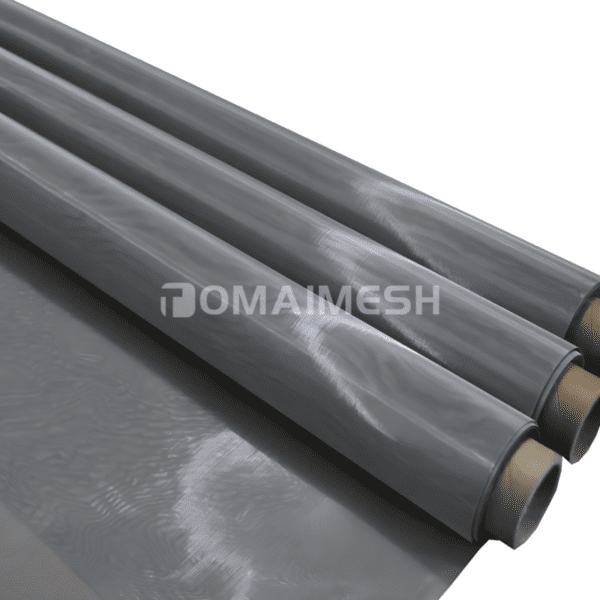
Final thought: the hybrid approach isn’t hype—it’s a practical middle ground when stainless alone corrodes too fast and pure titanium gets pricey. Test, verify, and you’ll likely keep it on your AVL.


Hit enter to search or ESC to close