12 Mar 2026
Polyurethane screens are rapidly becoming the preferred choice for a wide range of industrial screening applications. Known for their durability, flexibility, and resistance to wear and tear, these screens offer significant advantages over traditional metal mesh. This article will delve into the benefits, applications, and specifications of polyurethane screens, providing a detailed overview for professionals in industries like mining, aggregates, and wastewater treatment. Understanding the right screening solution is crucial for optimizing your processes and reducing downtime.
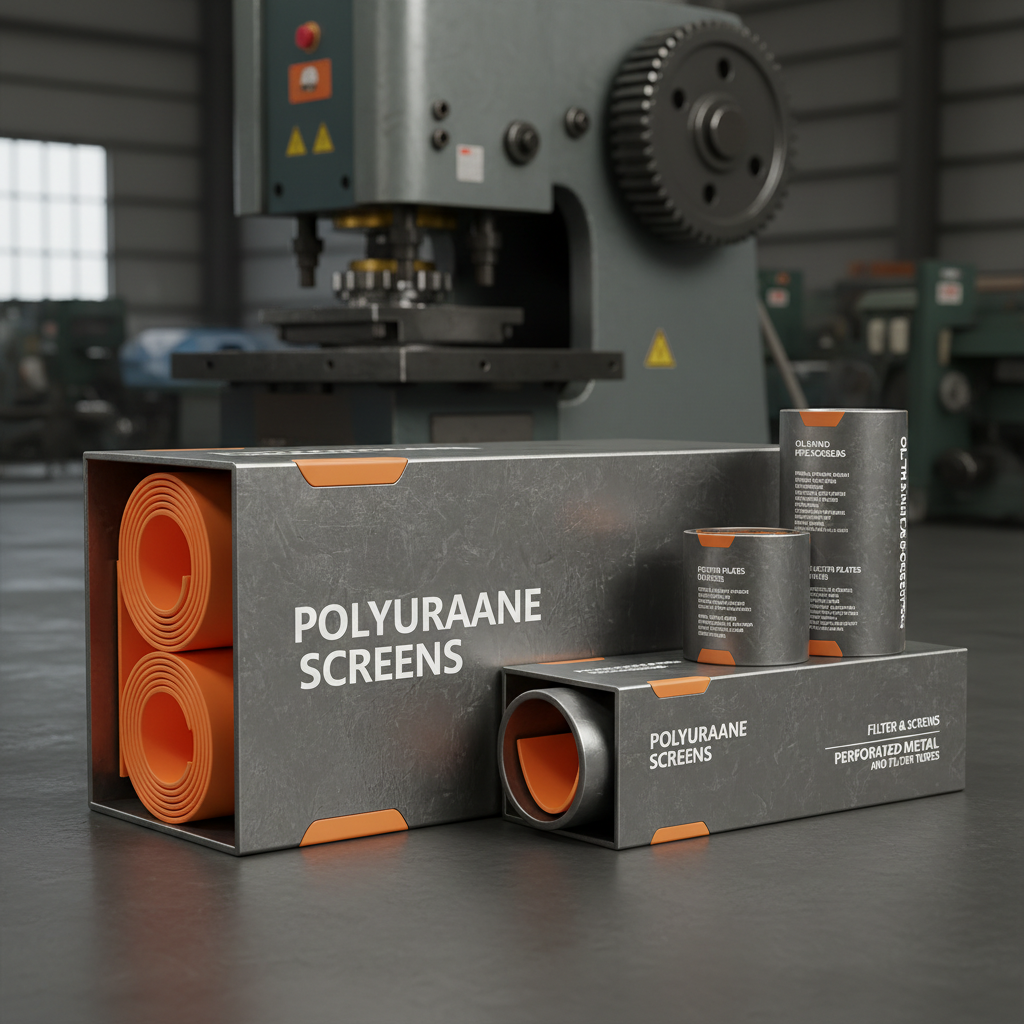
Compared to traditional woven wire or metal mesh screens, polyurethane screens offer a host of benefits. Their superior abrasion resistance extends screen life significantly, reducing replacement costs and minimizing production interruptions. The flexibility of polyurethane allows it to conform to vibrating screens more effectively, enhancing screening efficiency. Furthermore, polyurethane screens are typically lighter than metal screens, easing installation and reducing stress on screen support structures. They also exhibit excellent resistance to oils, solvents, and other chemicals commonly found in industrial environments. This leads to better performance and longevity in challenging applications.
Key Highlights: Superior abrasion resistance, enhanced screening efficiency, lighter weight for easier installation, and excellent chemical resistance.
The versatility of polyurethane screens makes them suitable for a diverse range of industries and applications. In the mining industry, they are used for classifying ores, separating aggregates, and dewatering materials. Aggregate producers utilize them for screening sand, gravel, and crushed stone. Wastewater treatment plants employ polyurethane screens for removing solids from incoming water streams. Other applications include coal processing, recycling, and even food processing, where hygiene and durability are paramount. The ability to customize aperture sizes and screen configurations further expands their applicability.
Key Application Areas:
• Mining – Ore Classification & Dewatering
• Aggregates – Sand, Gravel, & Crushed Stone Screening
• Wastewater Treatment – Solids Removal
• Recycling – Material Separation
Understanding the differences between polyurethane and metal screens is essential for making informed purchasing decisions. While metal screens have been a long-standing standard, polyurethane screens often provide a better long-term value due to their increased lifespan and reduced maintenance. Polyurethane screens resist pegging and blinding more effectively than metal screens, maintaining higher throughput rates. Their flexibility also reduces the risk of damage from vibration and impact. However, initial costs for polyurethane screens can be higher.
Selecting the correct polyurethane screen for your application requires careful consideration of several factors. Aperture size (the opening between the screen elements) is crucial for determining the separation efficiency. Screen thickness influences durability and resistance to deformation. The type of polyurethane material (e.g., polyester or polyether) impacts its resistance to specific chemicals and temperatures. Finally, the screen’s construction method (e.g., modular, welded, or cast) affects its suitability for different screen machines. Tomaifilter offers a wide range of customizable polyurethane screen options to meet your specific needs.
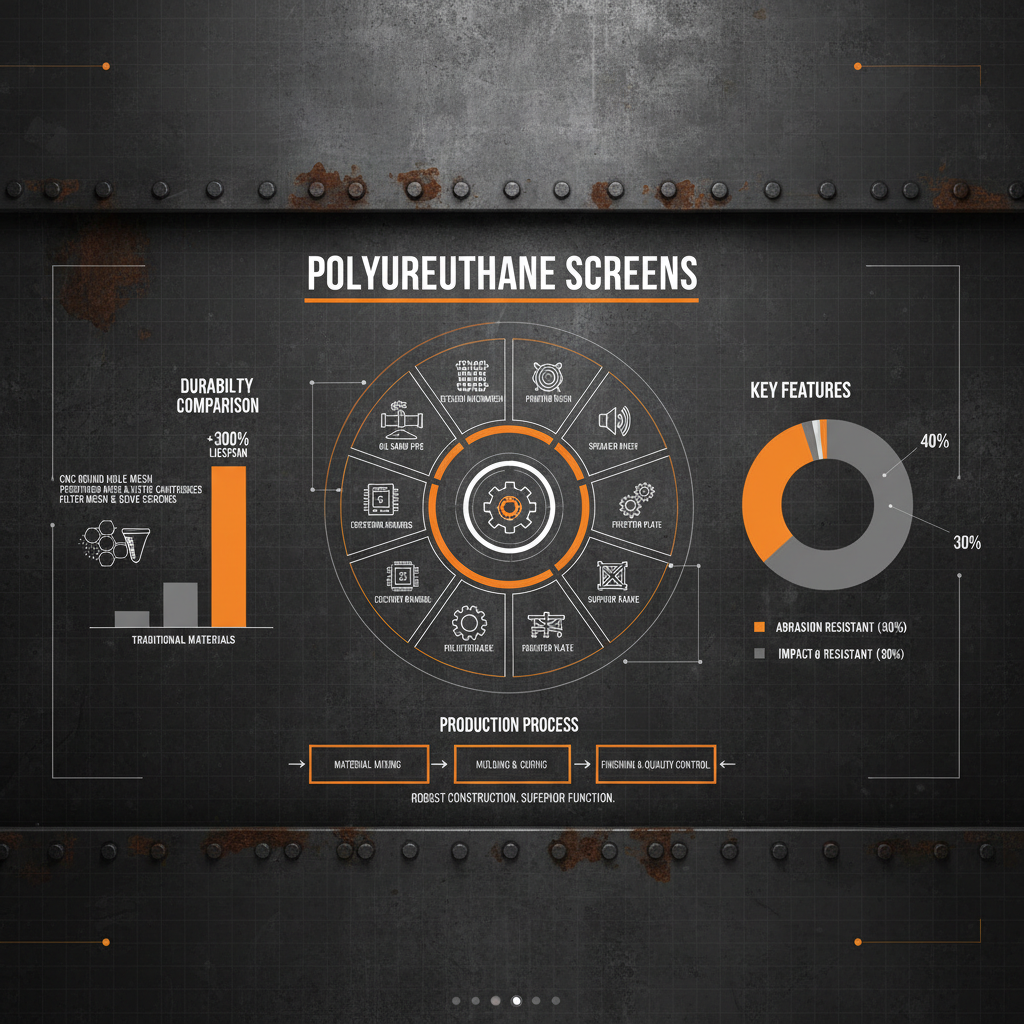
Investing in polyurethane screens is a strategic move for businesses seeking to improve screening performance, reduce maintenance costs, and enhance operational efficiency. Their superior durability, resistance to wear, and versatility make them a compelling alternative to traditional metal screens. Explore the comprehensive range of polyurethane screening solutions offered by Tomaifilter to find the perfect fit for your unique application.
The lifespan of a polyurethane screen is significantly longer than metal screens, typically ranging from 6 months to 2 years, depending on the application, material being screened, and operating conditions. Factors such as abrasion, impact, and chemical exposure all contribute to wear and tear. Regular inspection and timely replacement are crucial for maintaining optimal screening performance. Tomaifilter offers screens made from various polyurethane formulations to extend lifespan based on your specific needs.
Determining the correct aperture size is crucial for effective separation. The aperture size should be slightly smaller than the smallest particle you want to retain. Factors like particle shape and material characteristics also play a role. It’s often helpful to conduct test screenings with different aperture sizes to determine the optimal configuration. The team at Tomaifilter can provide expert guidance in selecting the appropriate aperture size for your specific application.
Polyurethane screens generally have a temperature range of -20°C to +80°C. While some specialized polyurethane formulations can withstand higher temperatures, standard screens are not recommended for continuous exposure to extreme heat. For high-temperature applications, it's essential to consult with a materials specialist to select the appropriate polyurethane compound. Tomaifilter offers various polyurethane options, including those designed for higher temperature resistance.


Hit enter to search or ESC to close
