27 Feb 2026
Profile wire screen, also known as profiled wire mesh, is a versatile material used across numerous industries. From architectural facades to agricultural applications, its unique design provides a robust and aesthetically pleasing solution for filtering, shielding, and supporting various elements. This article provides an in-depth look at profile wire screen, its applications, benefits, and factors to consider when selecting the right type for your needs. We'll also highlight how Tomaifilter provides high-quality solutions.
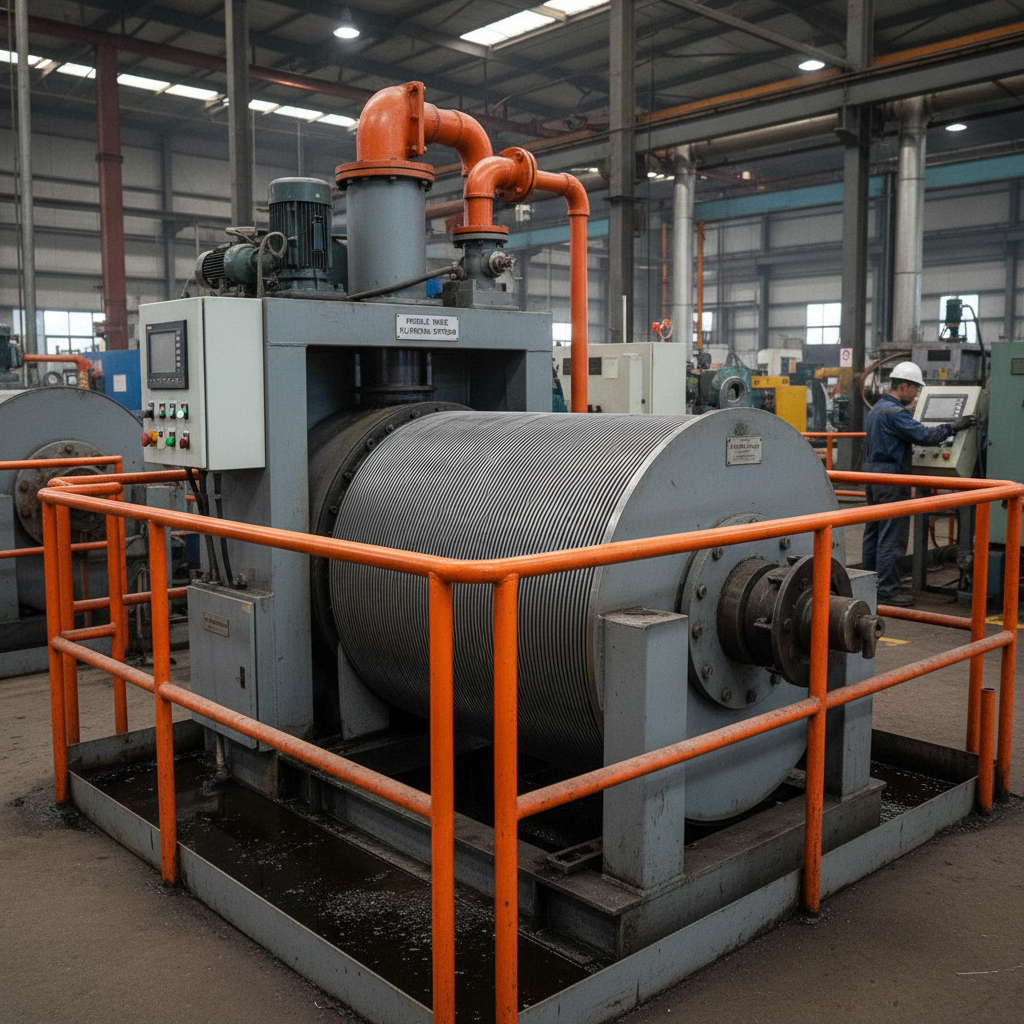
Profile wire screen is a woven mesh constructed from specifically shaped wires. Unlike traditional flat wire mesh, profile wire possesses a distinct cross-sectional profile – commonly triangular, square, or trapezoidal. This profile creates a more rigid and structurally sound screen, allowing for greater open area and superior strength. The weaving process interlocks these profiled wires, forming a mesh that’s ideal for applications requiring precise apertures and load-bearing capabilities. The profile wire screen at Tomaifilter is engineered for durability and performance.
Key Highlights: Profile wire screen offers a unique combination of strength, open area, and precision, making it suitable for diverse applications. Its robust construction ensures long-lasting performance, even in demanding environments.
The unique characteristics of profile wire screen lend themselves to a wide range of applications. These include architectural facades, providing sun shading and aesthetic appeal; filtration systems, efficiently separating solids from liquids; speaker grills, protecting sensitive components while maintaining sound quality; and agricultural structures, supporting plant growth and protecting crops. Furthermore, it’s frequently utilized in automotive components, industrial safety guards, and even medical devices.
Application Areas:
• Architectural Facades
• Filtration Systems
• Speaker Grills
• Agricultural Support
• Automotive Components
While both profile wire screen and traditional woven wire mesh serve similar purposes, key differences impact their suitability for specific applications. Profile wire screen’s distinct profile provides superior rigidity, allowing for wider spans and reduced support structures. It also offers a larger open area for a given wire diameter, increasing airflow or filtration efficiency. Traditional woven wire mesh, while more cost-effective in some cases, typically lacks the same structural integrity and open area.
Selecting the appropriate profile wire screen requires careful consideration of several factors. These include the wire material (stainless steel, carbon steel, aluminum, etc.), the wire profile shape, the aperture size, and the overall mesh dimensions. The environment in which the screen will be used is also crucial; for corrosive environments, stainless steel is often the preferred choice. At Tomaifilter, we can assist you in selecting the optimal screen for your specific application.
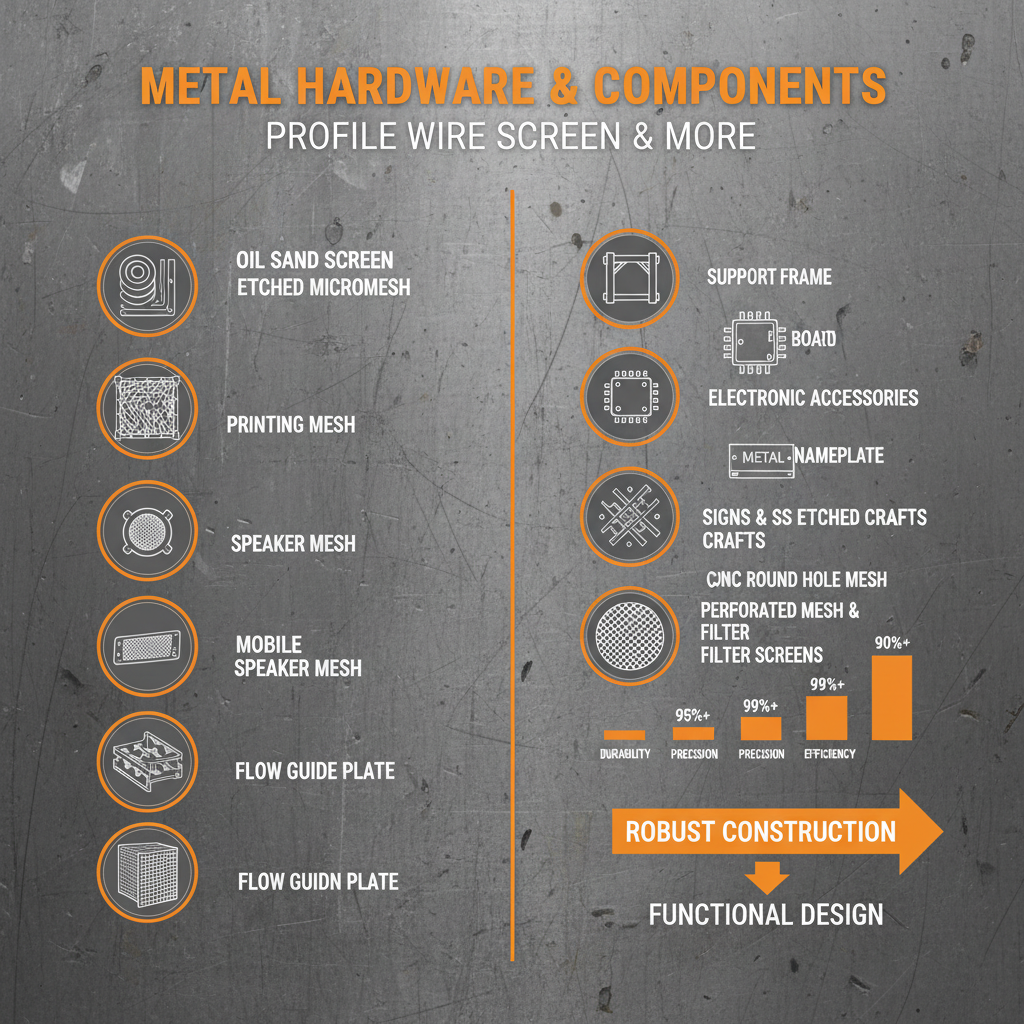
At Tomaifilter, we specialize in providing high-quality profile wire screen solutions tailored to your specific requirements. We offer a wide range of materials, profiles, and dimensions, coupled with expert technical support to ensure you receive the optimal product for your application. Our commitment to quality, competitive pricing, and timely delivery makes us a trusted partner for businesses across various industries.
Choosing the right profile wire screen is crucial for optimal performance and longevity. With Tomaifilter, you can be confident you're receiving a high-quality product and expert support. Invest in quality and ensure the success of your project.
Profile wire screens are commonly manufactured from stainless steel (304, 316L), carbon steel, and aluminum. Stainless steel is favored for its corrosion resistance, making it suitable for harsh environments. Carbon steel provides high strength but requires protective coatings to prevent rust. Aluminum is lightweight and offers good corrosion resistance in certain applications. The choice of material depends on the specific application and environmental conditions.
The most common profile shapes include triangular, square, trapezoidal, and rectangular. Triangular profiles offer high strength-to-weight ratio and good drainage characteristics. Square profiles provide excellent stability and uniform aperture size. Trapezoidal profiles are often used in architectural applications for their aesthetic appeal. The ideal profile shape depends on the specific requirements of the application, such as load-bearing capacity, flow rate, and aesthetic considerations.
The aperture size is critical for ensuring optimal performance. For filtration applications, the aperture size must be smaller than the particles you wish to retain. In architectural applications, it influences the amount of light and ventilation. Consider the size of the objects passing through the screen, the desired flow rate, and any aesthetic requirements. Consulting with a specialist like those at Tomaifilter can help you determine the ideal aperture size.
Yes, profile wire screen can be custom-made to meet specific requirements. Factors such as wire material, profile shape, aperture size, mesh width, and length can be tailored to your needs. Tomaifilter offers custom fabrication services to provide you with a perfectly tailored solution.


Hit enter to search or ESC to close
