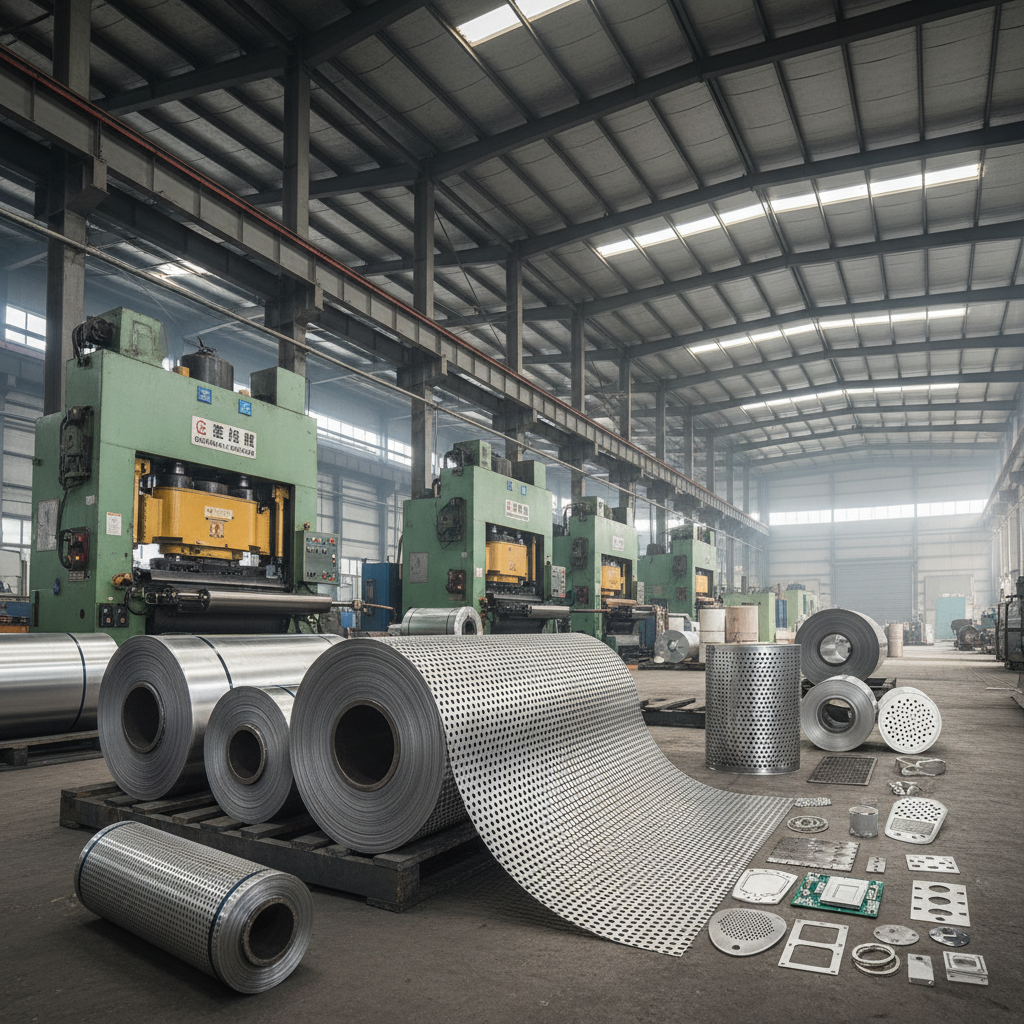
Perforated plate ss 304 is a versatile material finding increasing application across diverse industries, from filtration and separation to architectural design and sound dampening. Its inherent strength, corrosion resistance, and precise manufacturing capabilities make it a preferred choice for demanding environments. Understanding its properties and potential unlocks innovation and efficiency gains for businesses globally.
The growing demand for perforated plate ss 304 is intrinsically linked to broader trends like industrial automation, sustainable manufacturing, and increasingly stringent safety regulations. Its durability reduces the need for frequent replacements, lowering lifecycle costs, while its customizability allows for tailored solutions specific to various applications. This makes it particularly relevant in resource-constrained settings where long-term value is paramount.
Moreover, advancements in laser cutting and forming technologies have broadened the design possibilities and lowered production costs associated with perforated plate ss 304. This increased accessibility is driving wider adoption across a spectrum of projects, from small-scale artisanal endeavors to large-scale infrastructure developments, cementing its position as a vital component in modern engineering and manufacturing.
Introduction to Perforated Plate SS 304
Perforated plate SS 304 represents a significant advancement in material science, combining the inherent benefits of stainless steel with the functional advantages of precisely engineered perforations. This combination yields a product that is exceptionally durable, corrosion resistant, and adaptable to a wide range of applications, making it a cornerstone in various industrial processes.
The increasing demand for high-performance materials, coupled with advancements in manufacturing technologies, has propelled perforated plate SS 304 to the forefront of many engineering solutions. Its capacity to facilitate fluid passage, sound attenuation, or light transmission, while maintaining structural integrity, makes it an invaluable component in fields ranging from food processing to aerospace.
Defining Perforated Plate SS 304
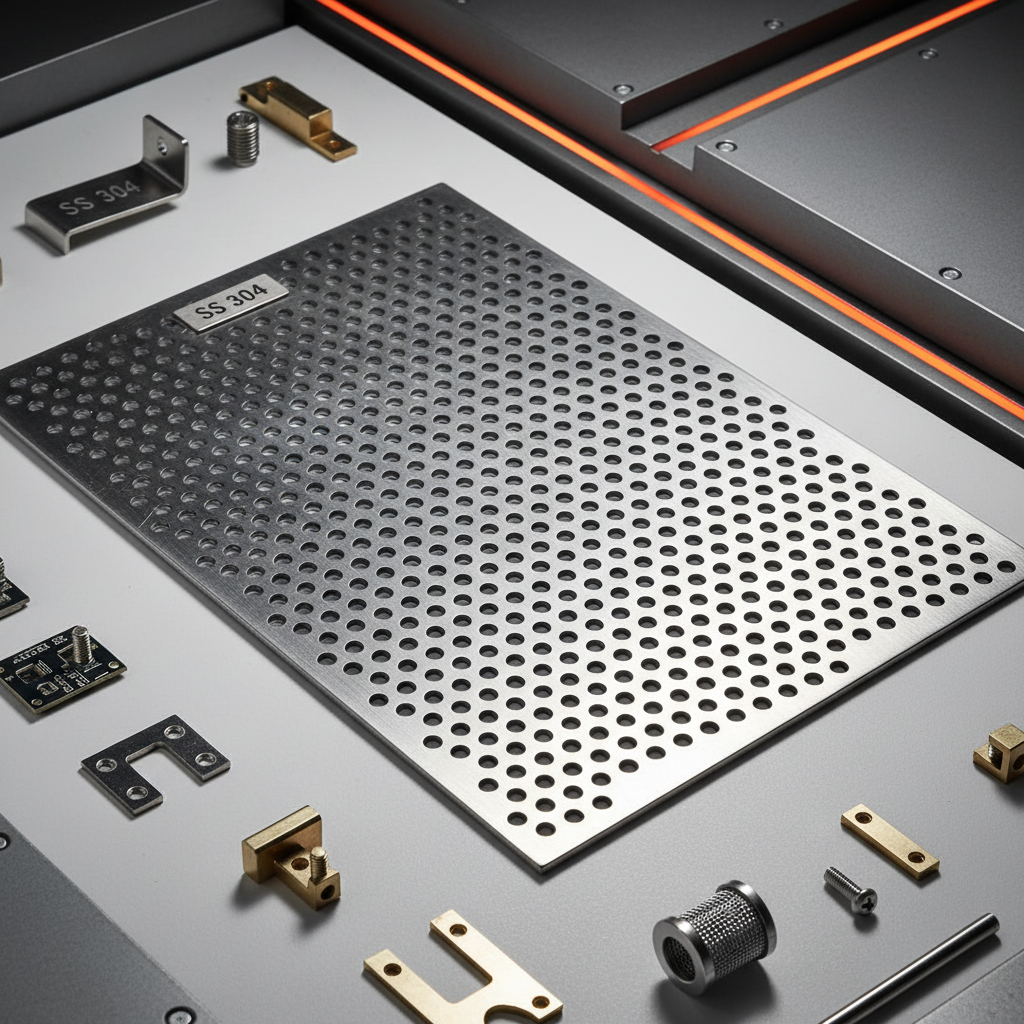
Perforated plate SS 304 is a sheet metal product constructed from grade 304 stainless steel, characterized by precisely formed holes. These holes can vary in size, shape, and pattern depending on the specific application requirements. The SS 304 designation indicates the alloy composition, renowned for its excellent corrosion resistance and weldability.
Unlike simple sheet metal, the perforations in SS 304 plates impart specific functional properties. They allow for the passage of liquids or gases, reduce weight, create unique aesthetic effects, or provide a surface for filtering and screening. This makes it fundamentally different from a solid sheet, moving it from a basic structural component to a specialized functional element.
Its connection to modern industry and humanitarian needs lies in its versatility. It's utilized in critical filtration systems for potable water, in architectural facades for improved ventilation, and in food processing equipment to maintain hygiene standards. The material’s ability to withstand harsh conditions makes it crucial in various demanding scenarios.
Core Characteristics of Perforated Plate SS 304
The key characteristics of perforated plate SS 304 stem from the inherent properties of its base material – SS 304 stainless steel – and the precision of the perforation process. These include exceptional corrosion resistance due to the chromium content, high tensile strength ensuring durability, and excellent formability allowing for complex shapes.
Furthermore, the perforation pattern itself contributes significantly to the material’s properties. Factors like hole diameter, pitch (distance between holes), and open area (percentage of the plate covered by holes) directly influence flow rate, filtration efficiency, and structural rigidity. Customization in these parameters is a defining feature.
Finally, SS 304’s hygienic properties are particularly valuable in industries like food and beverage processing and pharmaceuticals. Its smooth, non-porous surface inhibits bacterial growth and simplifies cleaning, contributing to safer and more sanitary operating environments.
Key Performance Indicators of Perforated Plate SS 304
Evaluating the performance of perforated plate SS 304 requires considering several key indicators, each tailored to the specific application. These metrics allow engineers and designers to optimize plate parameters for maximum efficiency and reliability.
These indicators include flow rate (crucial for filtration and separation), pressure drop (important for efficient fluid transport), open area (directly impacting flow and filtration), tensile strength (determining structural integrity), and corrosion resistance (ensuring longevity in harsh environments).
Performance Comparison of Perforated Plate SS 304 Designs
Global Applications of Perforated Plate SS 304
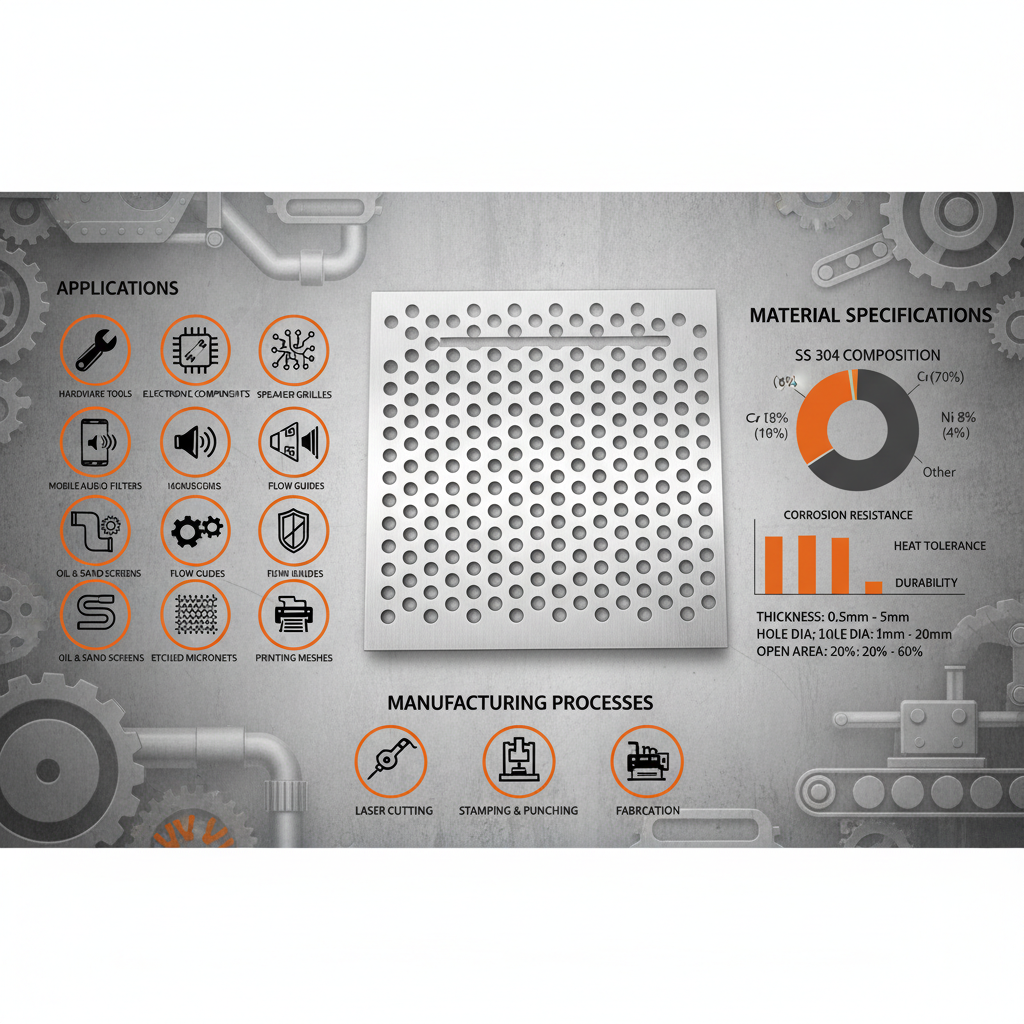
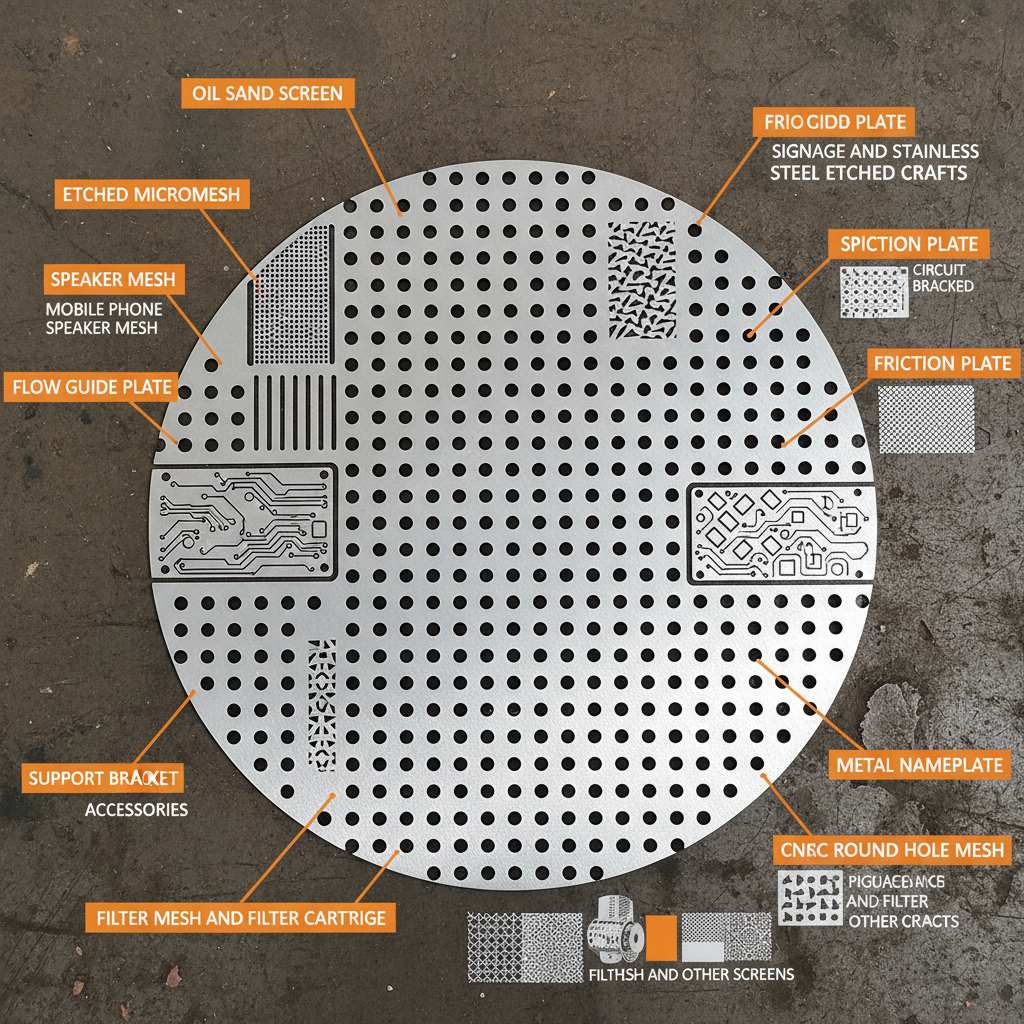
The applications of perforated plate SS 304 are remarkably diverse and span numerous industries worldwide. In the food and beverage sector, it's crucial in creating hygienic filter screens for processing ingredients and clarifying liquids. The pharmaceutical industry employs it in tablet coating and powder separation processes.
Architecturally, it serves as facade cladding, providing ventilation and shading while creating aesthetically pleasing designs. Its acoustic properties make it a valuable component in noise reduction barriers along highways and in industrial settings. In post-disaster relief operations, it can be utilized for constructing temporary shelters and water filtration systems.
Geographically, demand is particularly strong in industrialized nations with robust manufacturing sectors, such as Germany, Japan, and the United States. However, increasing industrialization in emerging economies like China and India is driving rapid growth in demand for this versatile material.
Advantages and Long-Term Value
The advantages of utilizing perforated plate SS 304 extend beyond its immediate functional benefits. Its exceptional durability translates to reduced maintenance and replacement costs, offering significant long-term economic value. The corrosion resistance minimizes the risk of material degradation, ensuring consistent performance over its lifespan.
From a sustainability perspective, the recyclability of stainless steel further enhances its value. Its long service life reduces the demand for new material production, minimizing environmental impact. Its contribution to safer and more efficient processes also adds social value, fostering worker well-being and improved product quality.
Future Trends and Innovations in SS 304 Perforation
Future innovations in perforated plate SS 304 are focusing on enhancing its functionality and sustainability. Advancements in laser cutting technology are enabling the creation of increasingly intricate and precise perforation patterns, unlocking new design possibilities and optimizing performance characteristics.
Research is also underway to explore the integration of smart materials and sensors into perforated SS 304 plates, creating “intelligent” surfaces capable of monitoring fluid flow, detecting contaminants, or adjusting ventilation rates in real-time. These developments align with broader trends in Industry 4.0 and the Internet of Things.
Furthermore, the adoption of sustainable manufacturing practices, such as utilizing recycled SS 304 and minimizing waste during production, is gaining momentum. These efforts are driven by growing environmental concerns and a desire to reduce the carbon footprint of industrial processes.
FAQS
The lifespan of perforated plate SS 304 installations is highly dependent on the operating environment and the specific application. However, due to the inherent corrosion resistance of SS 304, it generally boasts a remarkably long service life, often exceeding 20-30 years with minimal maintenance. Harsh chemical exposure or abrasive environments may reduce this lifespan, but proper maintenance and periodic inspections can significantly extend it.
The perforation pattern is critical in determining flow rate and pressure drop. A higher open area (larger and more numerous holes) generally leads to a higher flow rate but also a lower pressure drop. Conversely, a smaller open area increases pressure drop, which can be beneficial in specific applications requiring flow restriction or backpressure. Engineers carefully select the pattern to achieve the desired balance for their application.
Yes, SS 304 is readily weldable and can be further fabricated using standard techniques like cutting, bending, and forming. However, it's essential to use appropriate welding procedures and materials to maintain the corrosion resistance and structural integrity of the plate. Heat treatment may be required after welding to restore optimal material properties.
Perforated plate SS 304 is extensively used in the food processing industry for applications like filter screens for separating solids from liquids, spray nozzles for applying coatings or washing solutions, and ventilation systems for maintaining hygienic air quality. Its smooth, non-porous surface prevents bacterial growth and simplifies cleaning, ensuring compliance with strict food safety regulations.
While perforated plate SS 304 generally has a higher upfront cost compared to materials like carbon steel or plastic, its exceptional durability, corrosion resistance, and long service life often result in lower lifecycle costs. The reduced need for maintenance and replacement, combined with its recyclability, makes it a cost-effective solution in the long run, particularly in demanding environments.
Laser cutting provides superior precision and quality compared to traditional perforation methods like punching or stamping. It allows for the creation of intricate and complex patterns with minimal burring or deformation. This results in a cleaner, more accurate finish, particularly important for applications requiring tight tolerances or aesthetic appeal. Laser cutting also minimizes material waste.
Conclusion
In conclusion, perforated plate SS 304 stands as a testament to the power of material science and engineering innovation. Its unique combination of durability, corrosion resistance, and customizable design makes it a critical component in a vast array of industries, from food processing and pharmaceuticals to architecture and environmental engineering. Its inherent advantages translate into long-term value, sustainability, and enhanced performance.
Looking ahead, continued advancements in manufacturing technologies and material science will undoubtedly unlock even more sophisticated applications for perforated plate SS 304. Investing in research and development focused on sustainable production methods and intelligent material integration will be crucial for maximizing its potential and addressing future challenges. For high-quality perforated plate SS 304 solutions, visit our website: tomaifilter.com.