Basket filter price is a critical consideration across numerous industries, impacting operational efficiency, product quality, and ultimately, profitability. Understanding the nuances of pricing – from material costs to manufacturing processes and market demand – is essential for both suppliers and consumers. The global need for effective filtration systems, coupled with evolving technological advancements, consistently drives fluctuations in basket filter price, necessitating a continuous evaluation of value and cost.
The importance of accurately assessing basket filter price extends beyond simple procurement. Effective filter systems are foundational to many processes, including water purification, chemical processing, and food & beverage production. Ignoring the long-term cost implications of a poorly chosen filter – considering factors like replacement frequency and potential downtime – can lead to significant financial losses.
As sustainability concerns grow, the focus is shifting towards filters with longer lifespans and reduced environmental impact, which naturally influences basket filter price structures. This trend encourages innovation and a more holistic approach to evaluating the true cost of filtration solutions.
The Significance of Basket Filter Price
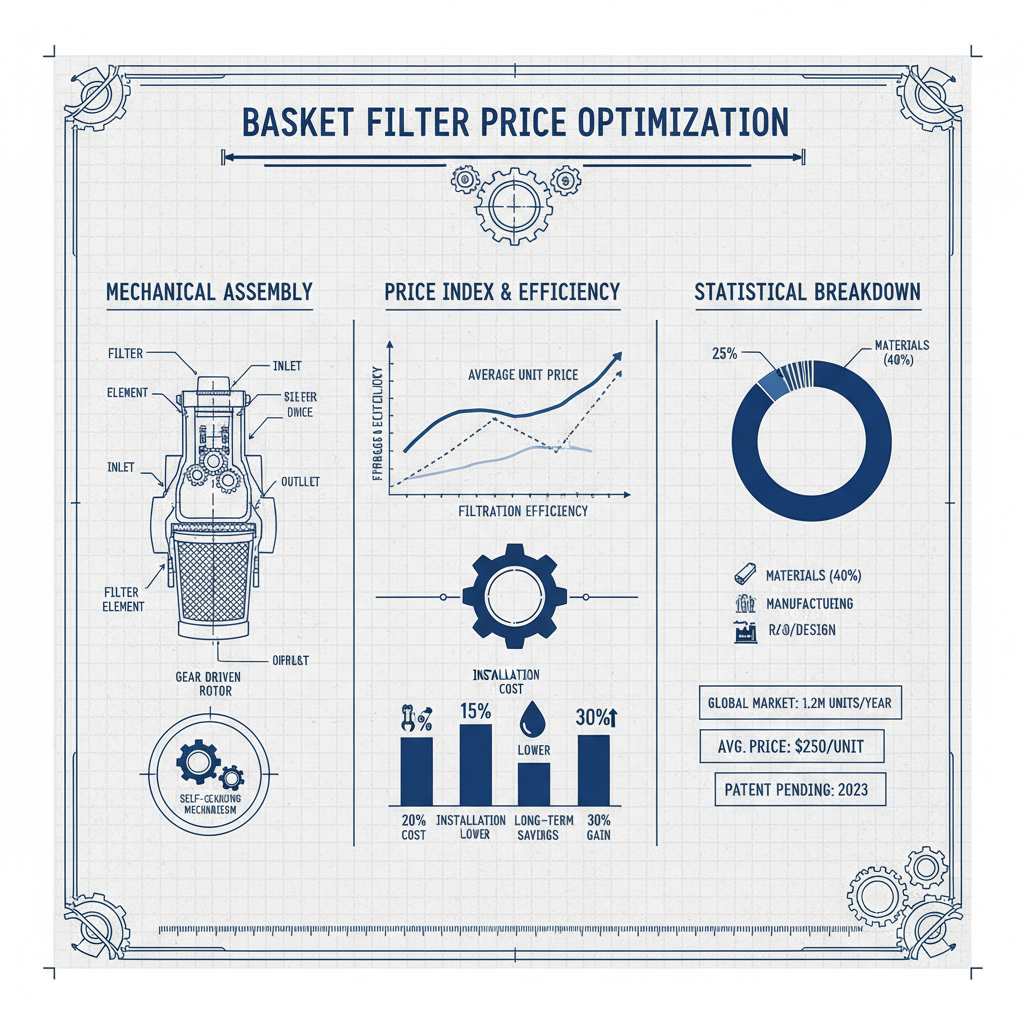
The basket filter price isn't simply a number; it represents a complex interplay of materials, engineering, and market dynamics. Businesses relying on filtration systems must meticulously analyze this price to ensure long-term cost-effectiveness. Variations in basket filter price can directly affect project budgets, product manufacturing costs, and overall operational sustainability.
Understanding the components that drive basket filter price empowers informed purchasing decisions. This proactive approach can lead to substantial savings and optimized performance, making it a crucial aspect of effective resource management.
Defining Basket Filter Price
Basket filter price refers to the total cost associated with acquiring and implementing a basket filter system. This includes the initial purchase price of the filter element, housing, and any associated components. It’s crucial to remember that the 'price' extends beyond the upfront cost to encompass installation, maintenance, and eventual replacement expenses.
In modern industrial settings, the definition of basket filter price often incorporates life-cycle cost analysis. This approach considers the entire lifespan of the filter, factoring in operating costs, potential downtime due to filter failure, and the environmental impact of disposal.
For humanitarian applications, a competitive basket filter price is essential to maximize the reach of aid programs, particularly in providing access to clean water and sanitation. This requires balancing affordability with the necessary performance and durability standards.
Core Factors Influencing Basket Filter Price
Several key factors directly influence basket filter price. The material composition – stainless steel, polypropylene, or other specialized alloys – is a primary driver, with more robust and corrosion-resistant materials commanding higher prices. Filter media type, mesh size, and construction quality also contribute significantly to the overall cost.
Manufacturing processes and economies of scale play a crucial role. Filters produced in large volumes and utilizing automated techniques typically have lower per-unit costs. Conversely, custom-designed filters or those manufactured with specialized techniques will be more expensive. Supplier location and associated shipping costs also impact the final basket filter price.
Market demand and competitive landscapes also exert influence. Periods of high demand, or limited supplier availability, can lead to price increases. Conversely, a highly competitive market encourages suppliers to offer more attractive pricing to secure market share.
Global Applications and Industry Impacts
Basket filters find widespread application across diverse industries globally. In the food and beverage sector, they ensure product purity and prevent contamination. Chemical processing plants utilize them to remove particulate matter and protect sensitive equipment. The pharmaceutical industry relies on highly precise basket filters for sterile filtration processes.
In water treatment facilities, basket filters are a crucial first line of defense, removing sediment and debris before more advanced filtration stages. Industrial wastewater treatment also commonly employs these filters to recover valuable resources and comply with environmental regulations.
In remote industrial zones like mining operations in Australia or oil and gas facilities in the North Sea, reliable and cost-effective basket filters are vital for maintaining operational efficiency and minimizing downtime. Similarly, in post-disaster relief operations, portable basket filter systems are critical for providing access to safe drinking water.
Basket Filter Price Comparison by Application
Advantages of Optimized Basket Filter Price
Securing a favorable basket filter price translates to tangible benefits for businesses. Reduced procurement costs directly impact profitability. Furthermore, selecting high-quality filters with extended lifespans minimizes the frequency of replacements, reducing both expenses and operational disruptions.
Optimized basket filter price also contributes to sustainability goals. Durable filters require less frequent disposal, reducing environmental waste. Choosing filters designed for efficient operation lowers energy consumption, further minimizing environmental impact.
Future Trends in Basket Filter Pricing
The future of basket filter price will be shaped by several key trends. Increased demand for sustainable filtration solutions will drive innovation in materials and manufacturing processes, potentially leading to higher upfront costs but lower life-cycle costs. The integration of smart sensors and data analytics will enable predictive maintenance, optimizing filter replacement schedules and reducing downtime.
Automation in filter manufacturing will likely contribute to lower production costs and increased efficiency. Furthermore, the development of new filter media with enhanced performance characteristics will command premium pricing but deliver superior value.
Digital platforms and e-commerce will enhance price transparency and facilitate easier comparison shopping, empowering buyers to secure the most competitive basket filter price.
Challenges and Solutions in Price Management
One significant challenge in managing basket filter price is the lack of standardized pricing models. Variations in specifications, materials, and supplier markups make direct price comparisons difficult. Fluctuations in raw material costs – particularly for stainless steel – can also significantly impact pricing.
To overcome these challenges, businesses should implement robust supplier evaluation processes and negotiate long-term contracts to secure favorable pricing. Utilizing data analytics to track historical pricing trends and identify potential cost savings is also crucial.
Adopting a life-cycle cost analysis approach, as mentioned earlier, provides a more comprehensive understanding of the true cost of ownership and allows for informed decision-making. Collaborating with filtration experts and seeking independent price assessments can further enhance price management strategies.
Analysis of Basket Filter Price Management Strategies
| Strategy |
Implementation Effort (1-10) |
Cost Savings Potential (1-10) |
Long-Term Sustainability (1-10) |
| Supplier Negotiation |
6 |
7 |
5 |
| Life-Cycle Cost Analysis |
8 |
9 |
8 |
| Volume Purchasing |
4 |
6 |
6 |
| Alternative Material Exploration |
7 |
5 |
7 |
| Data-Driven Demand Forecasting |
9 |
8 |
9 |
| Strategic Supplier Partnerships |
5 |
8 |
9 |
FAQS
The primary drivers of basket filter price include the materials used (stainless steel, polypropylene, etc.), the filter media’s quality and type, the complexity of the design, the manufacturing process, and current market demand. Shipping costs and supplier markups also play a role. A life-cycle cost analysis considering replacement frequency is crucial, rather than solely focusing on initial price.
Strategies for cost reduction include negotiating with suppliers, exploring volume purchasing discounts, conducting a thorough life-cycle cost analysis to optimize replacement schedules, and considering alternative materials that offer a balance between performance and price. Investigating long-term contracts can also secure favorable pricing. Regularly assessing filter performance to prevent premature failures is key.
The lifespan of a basket filter varies significantly depending on the application, the fluid being filtered, and the filter’s quality. Typically, they can last from several months to several years. A longer lifespan translates to lower replacement costs and a more favorable long-term basket filter price. Investing in higher-quality filters with durable materials generally results in a longer lifespan, despite a potentially higher upfront cost.
Yes, sustainable options, such as filters made from recycled materials or designed for easier recycling, are becoming increasingly available. While these may initially have a slightly higher basket filter price, their environmental benefits and potential for reduced waste disposal costs can make them cost-effective in the long run. Furthermore, filters designed for extended lifespans contribute to sustainability by reducing replacement frequency.
Finer mesh sizes, which filter out smaller particles, generally require more precise manufacturing processes and higher-quality materials, leading to a higher basket filter price. Coarser mesh sizes are less expensive to produce but offer lower filtration efficiency. The optimal mesh size depends on the specific application and the required level of purity.
Finding reliable suppliers requires research. Online directories, industry trade shows, and recommendations from other businesses are good starting points. When evaluating suppliers, consider their reputation, quality certifications, lead times, and customer support. Requesting multiple quotes and comparing specifications is essential to secure a competitive basket filter price. basket filter price is a reliable source.
Conclusion
In conclusion, understanding basket filter price isn’t merely about finding the cheapest option. It’s about evaluating the total cost of ownership, considering factors like material quality, lifespan, maintenance requirements, and sustainability. A strategic approach to procurement, coupled with a thorough understanding of the underlying market dynamics, allows businesses to optimize their filtration systems for both performance and cost-effectiveness.
Looking ahead, the future of basket filter price will be driven by innovation in materials, manufacturing, and data analytics. Proactive businesses that embrace these advancements will be best positioned to secure competitive pricing and achieve long-term operational success. For reliable basket filter solutions and pricing information, visit our website: www.tomaifilter.com.