Perforated stainless plate is a versatile material increasingly vital across numerous industries, from architectural design and security applications to advanced filtration systems and industrial processing. Its unique combination of strength, corrosion resistance, and customizable design makes it a preferred solution for a wide range of engineering challenges. Understanding the intricacies of perforated stainless plate—its manufacturing processes, material properties, and application possibilities—is crucial for engineers, architects, and procurement professionals seeking reliable and effective material solutions.
The global demand for perforated stainless plate is driven by growth in infrastructure development, stringent safety regulations, and increasing adoption of efficient filtration technologies. Markets in Asia-Pacific, North America, and Europe represent the largest consumers, with ongoing expansion expected as industrialization continues and new applications emerge. This material addresses critical needs for secure environments, clean air and water, and durable architectural elements.
Investing in knowledge about perforated stainless plate empowers businesses to optimize designs, reduce costs, and enhance the performance of their products and systems. Selecting the correct perforation pattern, material grade, and thickness can significantly impact the functionality and longevity of the final application.
Understanding Perforated Stainless Plate
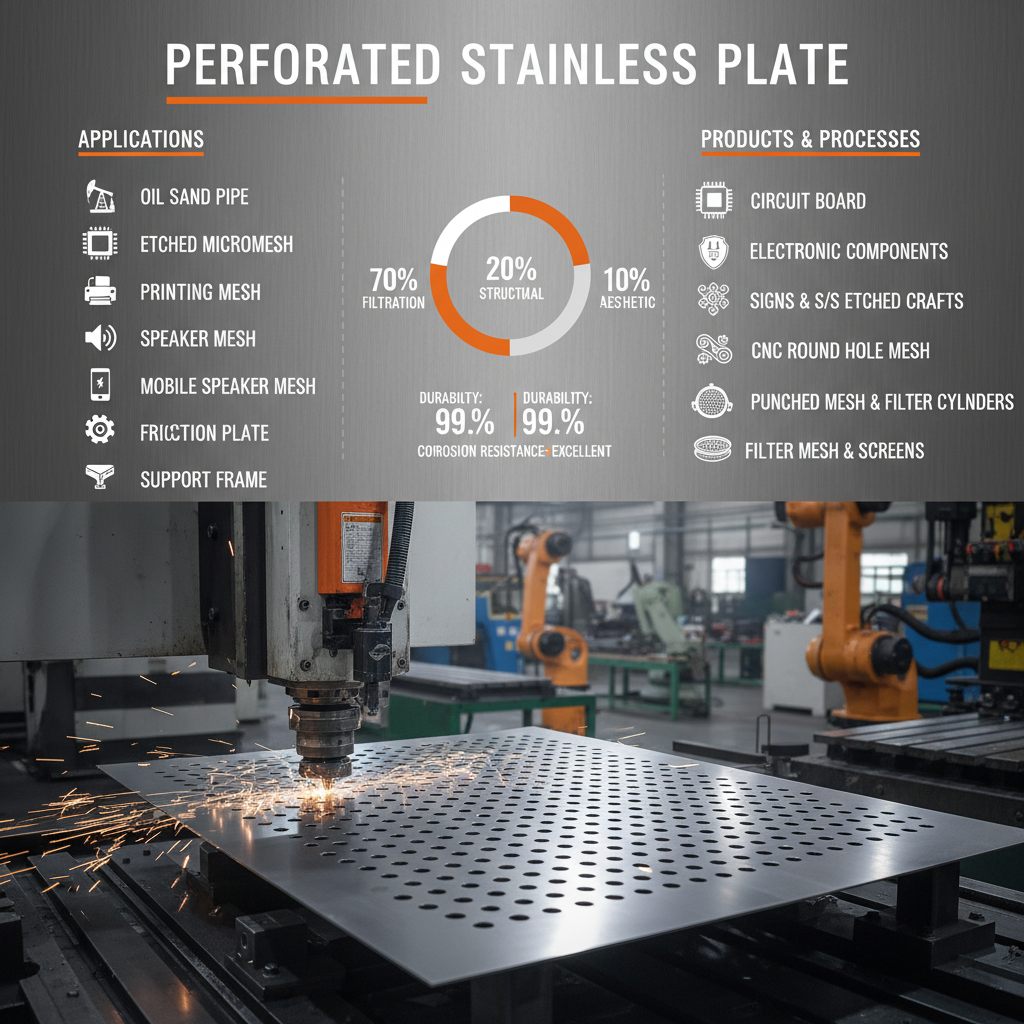
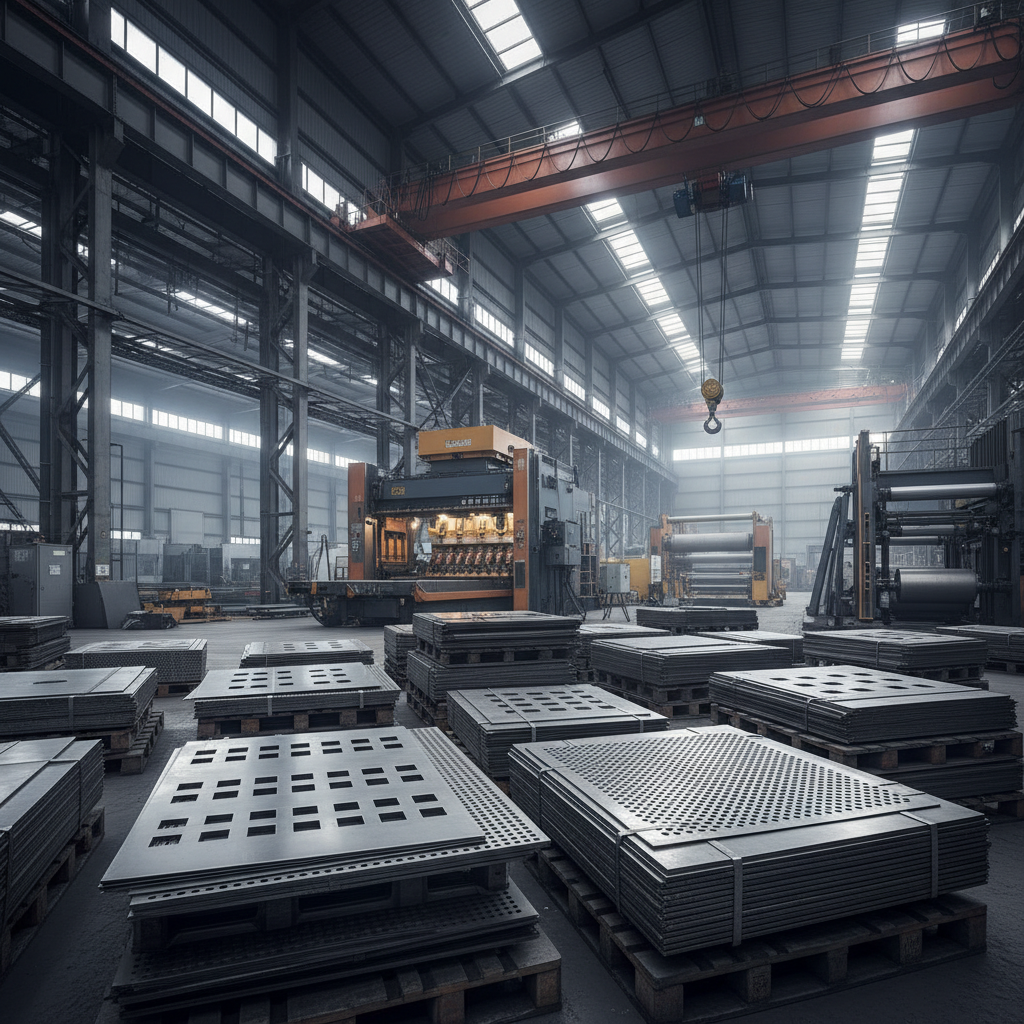
Perforated stainless plate is created by punching a variety of hole patterns into a flat sheet of stainless steel. These patterns can be precisely engineered to meet specific requirements for airflow, filtration, sound transmission, or aesthetic appeal. The selection of stainless steel as the base material ensures exceptional durability, corrosion resistance, and hygienic properties, making it suitable for demanding environments. perforated stainless plate offers a unique blend of functionality and longevity.
The manufacturing process allows for a vast range of customization, including hole size, shape, spacing, and overall sheet thickness. This versatility makes perforated stainless plate an ideal material for applications where standard solutions are inadequate. Careful consideration of these parameters is essential to optimize performance and cost-effectiveness.
The Global Relevance of Perforated Stainless Plate
The demand for perforated stainless plate is experiencing steady growth worldwide, driven by factors such as increasing industrialization, stricter safety standards, and a growing need for efficient filtration systems. According to a report by the World Steel Association, stainless steel production reached over 50 million tonnes in 2023, a significant portion of which is allocated to perforated metal products. This underlines the critical role this material plays in supporting global infrastructure and manufacturing.
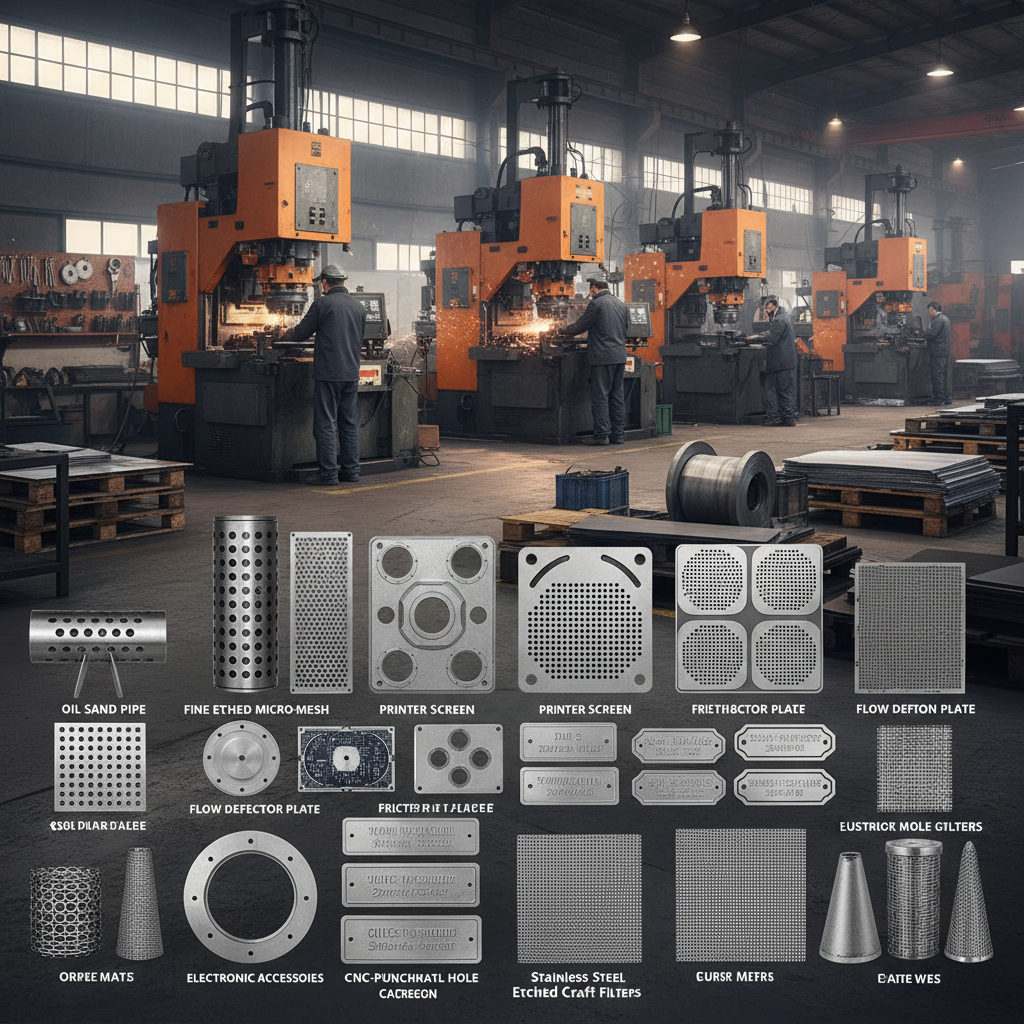
Several key industries rely heavily on perforated stainless plate. The construction sector utilizes it for facade cladding, sun shading, and acoustic panels, enhancing building aesthetics and performance. In the food and beverage industry, it is vital for filtration and separation processes, ensuring product quality and hygiene. Furthermore, the security industry uses it for protective barriers and screens, providing robust and reliable safety solutions.
Challenges remain in ensuring sustainable production and responsible sourcing of stainless steel. The increasing focus on circular economy principles is driving innovation in recycling and material recovery, aiming to minimize environmental impact and promote resource efficiency within the perforated stainless plate supply chain.
Defining Perforated Stainless Plate
Perforated stainless plate is fundamentally a sheet of stainless steel containing holes that have been punched, drilled, or etched according to a specified pattern. These patterns can range from simple circular perforations to intricate designs tailored to specific functional or aesthetic requirements. It’s a semi-finished product, meaning it’s often further processed or integrated into larger assemblies.
The connection to modern industry is deeply rooted in the need for materials that are both strong and versatile. Stainless steel’s inherent resistance to corrosion, coupled with the ability to precisely control permeability through perforation, makes it invaluable in applications ranging from aerospace components to pharmaceutical filtration. perforated stainless plate has become an indispensable element in numerous manufacturing processes.
Its significance extends beyond industrial applications. In humanitarian contexts, perforated stainless plate can be used in water purification systems, providing access to clean drinking water in developing regions. The material’s durability and hygienic properties make it a reliable and sustainable solution for addressing essential human needs.
Key Characteristics of Perforated Stainless Plate
One of the defining features of perforated stainless plate is its exceptional Durability. Stainless steel inherently resists corrosion, rust, and wear, ensuring a long service life even in harsh environments. This longevity translates to reduced maintenance costs and increased reliability for critical applications.
Another key aspect is its Versatility. The ability to customize hole size, shape, pattern, and sheet thickness allows for tailored solutions to a wide range of engineering challenges. This adaptability makes it suitable for diverse applications, from filtration to architectural design.
Performance Metrics for Common Perforated Stainless Plate Types
Diverse Applications of Perforated Stainless Plate
In the architectural realm, perforated stainless plate is frequently employed as facade cladding, offering both aesthetic appeal and functional benefits like sun shading and ventilation. Its durability and resistance to weathering make it an ideal choice for exterior applications, providing long-lasting performance and reducing maintenance requirements. Examples include the facade of the Burj Khalifa in Dubai.
Within the industrial sector, perforated stainless plate is critical in filtration systems, serving as a support medium for filter elements and ensuring efficient separation of solids and liquids. Its corrosion resistance is particularly valuable in chemical processing and wastewater treatment facilities.
Advantages and Long-Term Value
The tangible benefits of utilizing perforated stainless plate stem from its inherent properties. Lower lifecycle costs result from its durability and minimal maintenance needs. Sustainability is enhanced by its recyclability and long lifespan, reducing the demand for frequent replacements. Moreover, the material offers improved safety due to its robust construction and non-combustible nature.
Beyond these practical advantages, perforated stainless plate fosters trust and innovation. Its sleek aesthetic contributes to a positive brand image, while its versatility empowers designers and engineers to push boundaries and create cutting-edge solutions. This results in a perceived value that extends beyond mere functionality.
Future Trends and Innovations
Advancements in laser cutting and waterjet technologies are enabling more intricate and precise perforation patterns, expanding the design possibilities for perforated stainless plate. The integration of digital fabrication techniques is also streamlining the manufacturing process, reducing lead times and costs.
A growing focus on sustainability is driving research into alternative stainless steel alloys with increased recycled content and lower carbon footprints. Furthermore, the development of self-cleaning coatings for perforated stainless plate is reducing maintenance requirements and extending its service life.
The increasing adoption of smart building technologies is creating new opportunities for perforated stainless plate in applications such as intelligent facades that respond to environmental conditions and optimize energy efficiency.
FAQS
Lead times vary depending on the complexity of the design, the quantity ordered, and our current production schedule. Generally, smaller orders with standard patterns can be delivered within 2-3 weeks, while more complex or large-scale orders may require 4-6 weeks. We provide detailed lead time estimates with each quote.
We offer a wide range of stainless steel grades, including 304, 316, 309, 310, and more specialized alloys. 304 is commonly used for its excellent corrosion resistance and cost-effectiveness, while 316 provides superior resistance to chlorides, making it ideal for marine environments. The best grade depends on the specific application and exposure conditions.
Yes, perforated stainless plate can be formed or bent, but the extent of deformation depends on the hole diameter, sheet thickness, and the perforation pattern. Smaller holes and thicker sheets generally allow for greater forming capabilities without distorting the pattern. We recommend consulting with our engineers to ensure proper formability for your specific application.
Perforated stainless plate is extensively used in food processing for applications like filter screens in beverage production, drying trays for fruits and vegetables, and ventilation panels in food storage areas. Its hygienic properties, corrosion resistance, and ease of cleaning make it a critical component in maintaining food safety standards.
You can request a quote through our website by submitting a detailed drawing or specification sheet outlining your requirements, including dimensions, hole size, pattern, material grade, and quantity. Alternatively, you can contact our sales team directly via phone or email, and we will be happy to assist you.
Punched perforation is the most common and cost-effective method, suitable for larger holes and simpler patterns. Drilled perforation offers greater precision and is ideal for smaller holes and tight tolerances. Etched perforation creates highly intricate designs with fine details, but is typically more expensive and suited for thinner materials.
Conclusion
In conclusion, perforated stainless plate stands as a remarkably versatile and durable material, crucial for a wide range of industries and applications. Its inherent properties – corrosion resistance, strength, and customizable design – translate into long-term value, improved safety, and enhanced performance. From architectural facades and industrial filtration to security solutions and innovative designs, perforated stainless plate consistently delivers reliable and effective results.
Looking ahead, continued innovation in manufacturing techniques, materials science, and sustainable practices will further expand the possibilities of this exceptional material. By embracing new technologies and prioritizing responsible sourcing, we can unlock even greater benefits and contribute to a more sustainable future. Visit our website at www.tomaifilter.com to explore our extensive range of perforated stainless plate products and discover how we can help you meet your specific needs.