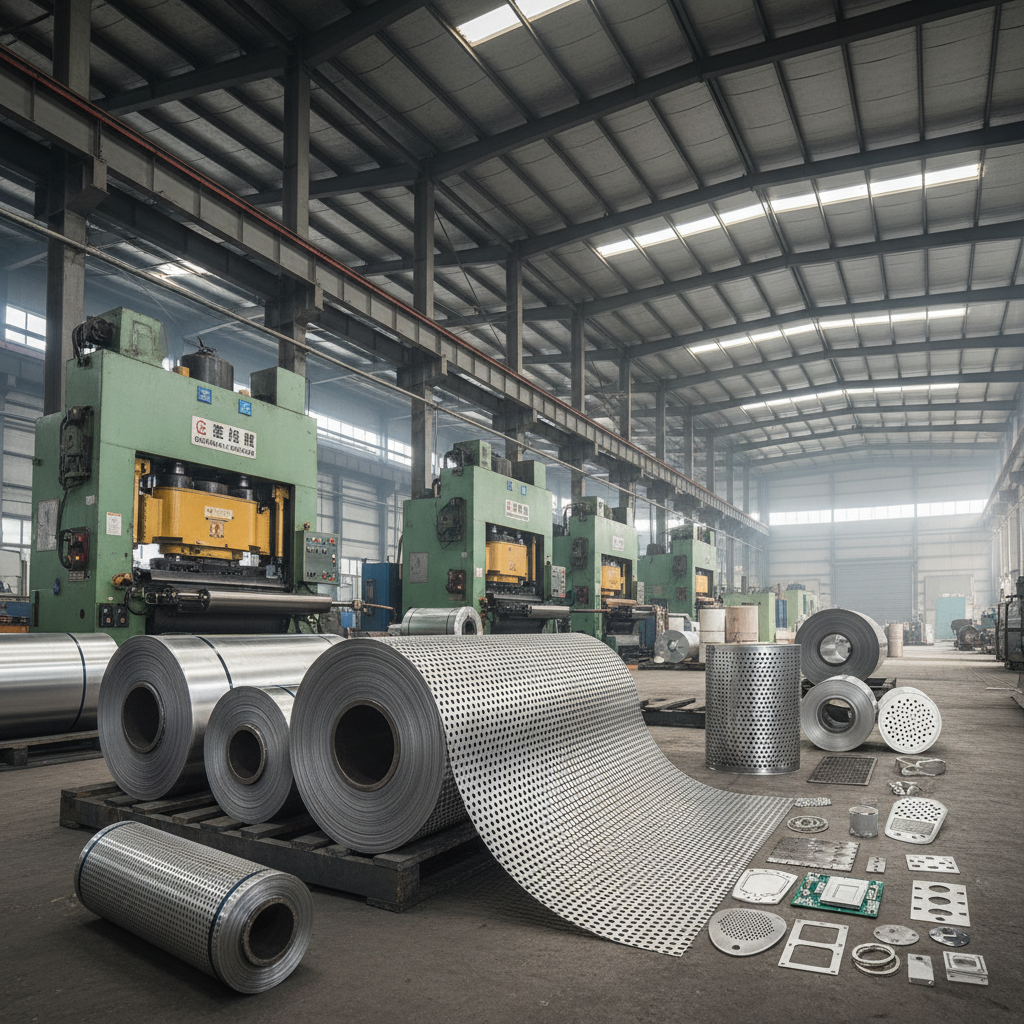
The versatility of a perforated mild steel plate has made it an indispensable component in modern structural engineering and architectural design. By combining the inherent strength of low-carbon steel with precision-engineered apertures, these plates provide an ideal balance of structural integrity and functional permeability, serving critical roles in everything from filtration systems to safety barriers.
Globally, the demand for high-quality perforated metal solutions is rising as industries shift toward more sustainable and efficient manufacturing processes. Understanding the nuances of mild steel perforation—ranging from hole patterns to material thickness—allows engineers to optimize airflow, light transmission, and acoustic dampening, ensuring that infrastructure is not only durable but also high-performing.
Whether utilized in heavy-duty industrial machinery or refined architectural facades, the perforated mild steel plate offers a cost-effective alternative to more expensive alloys without sacrificing the necessary mechanical properties. This guide explores the technical specifications, global applications, and future innovations that define this essential material in the metal fabrication industry.
Global Relevance of Perforated Mild Steel Plate
In the current global industrial landscape, the perforated mild steel plate stands as a cornerstone of structural efficiency. With the expansion of urban infrastructure in emerging economies, ISO standards for material strength and safety have pushed manufacturers to adopt precision perforation techniques. These plates are critical in managing the tension between weight reduction and load-bearing capacity, which is essential for reducing shipping costs and carbon footprints in large-scale construction.
The global market for mild steel products continues to grow, driven by the need for adaptable materials that can be easily welded, bent, and coated. By implementing specific hole diameters and open-area percentages, industries can solve complex problems such as overheating in server rooms or the need for high-visibility security fencing in sensitive industrial zones.
Defining the Technical Essence of Perforated Metal
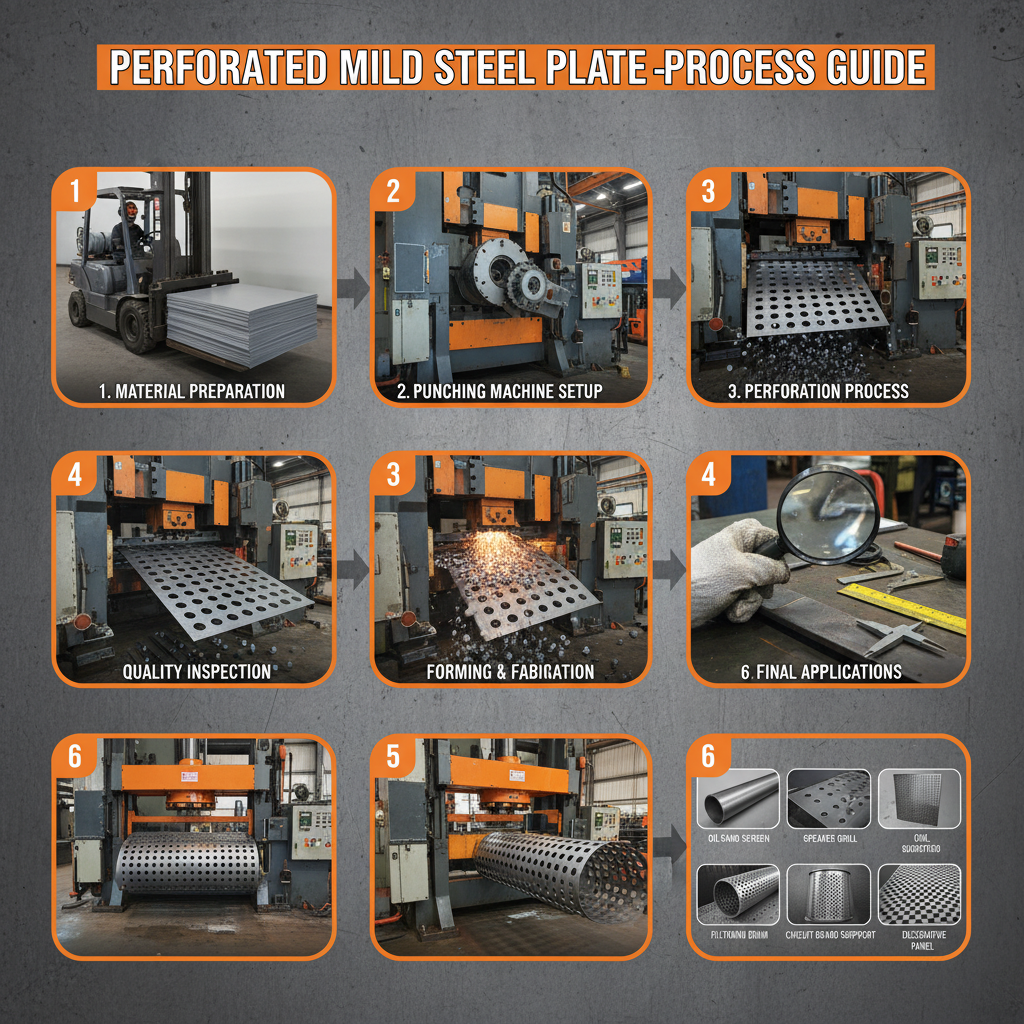
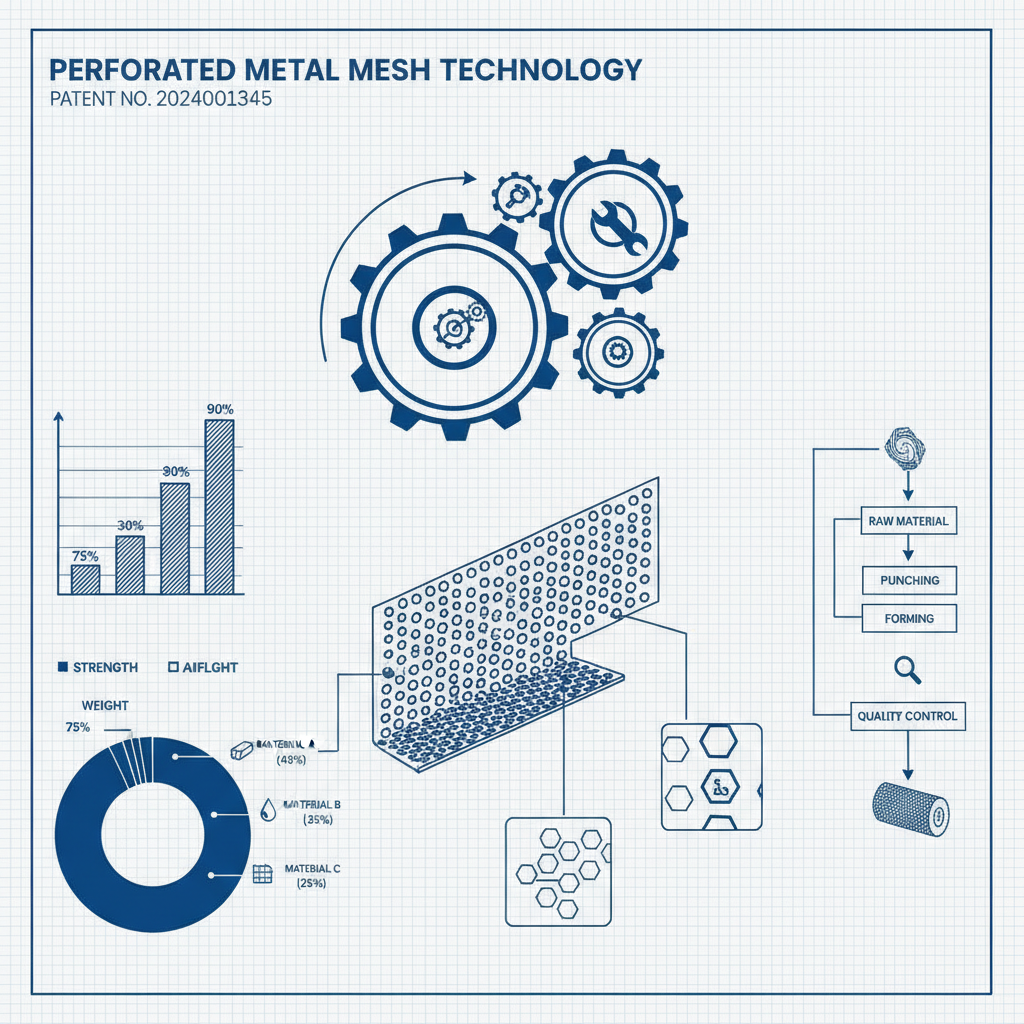
A perforated mild steel plate is essentially a sheet of low-carbon steel that has been punched or laser-cut with a consistent pattern of holes. Unlike expanded metal, which is slit and stretched, perforated plates maintain a more precise hole geometry, which is critical for filtration and screening applications where specific particle sizes must be managed.
The "mild" in mild steel refers to the low carbon content, which makes the material highly ductile and easy to machine. This characteristic is vital for the perforation process, as it allows the metal to be punched thousands of times without cracking or losing structural integrity, provided the bridge width between holes is correctly calculated.
In modern industry, this material serves as a bridge between heavy raw steel and functional components. It is the primary choice for applications requiring "breathability" or transparency without compromising the security or strength of the installation, making it a staple in both humanitarian housing projects and high-tech factories.
Core Components and Performance Factors
The performance of a perforated mild steel plate is largely determined by its "Open Area" percentage. This is the ratio of the total area of the holes to the total area of the plate, which directly impacts the flow of air, liquids, or light. A higher open area increases permeability but decreases the overall mechanical strength of the panel.
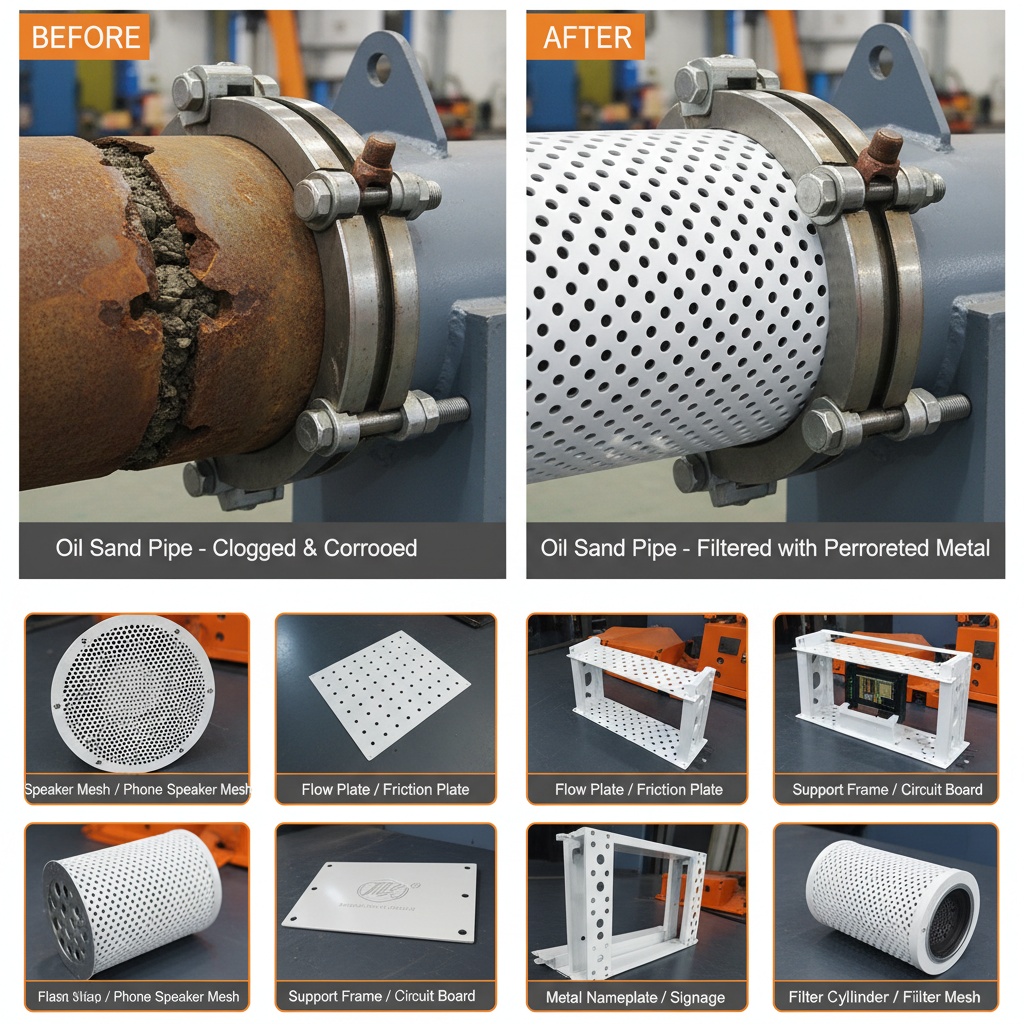
Durability is another core factor, often enhanced through secondary treatments. Since mild steel is susceptible to oxidation, these plates are frequently galvanized, powder-coated, or painted. This ensures that the perforated mild steel plate can withstand harsh environmental conditions, such as coastal salt spray or industrial chemical exposure, extending its operational lifespan by decades.
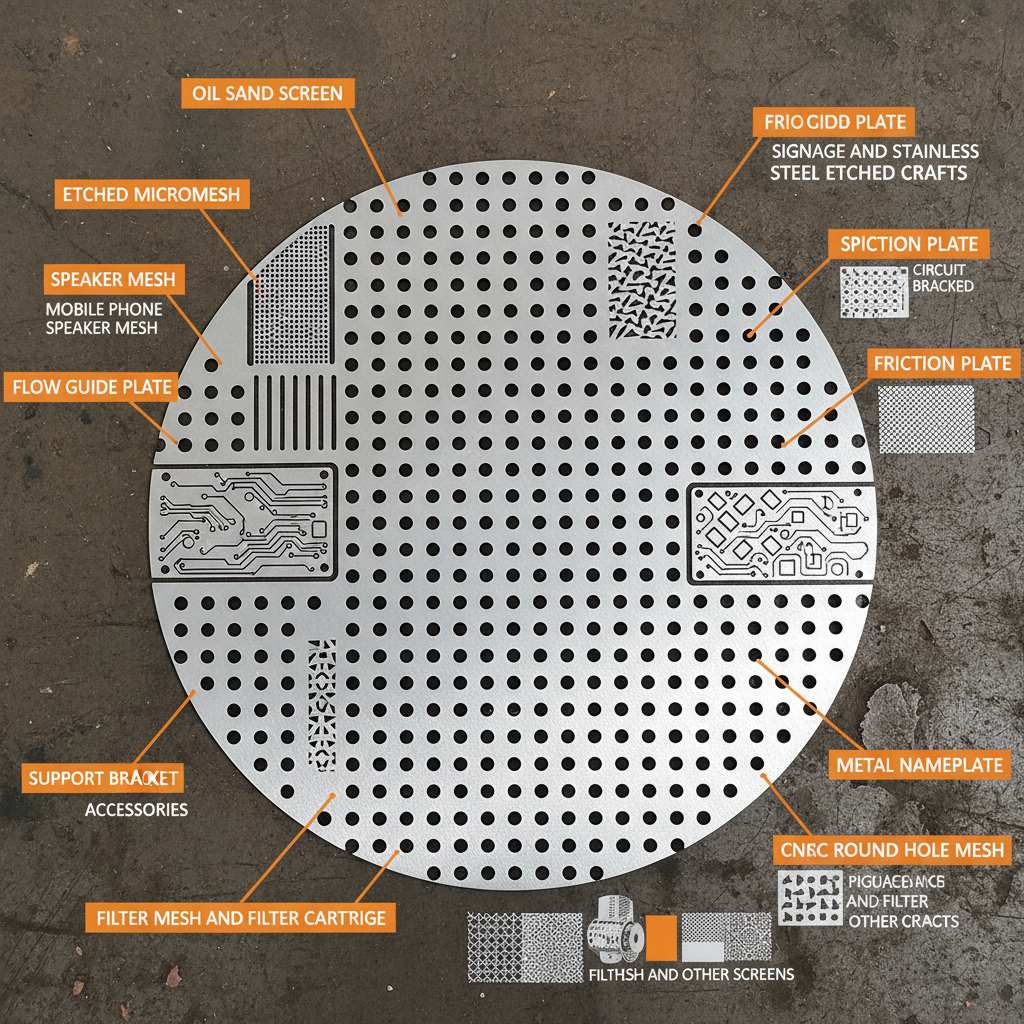
Precision in hole geometry—whether round, square, slotted, or decorative—defines the plate's utility. For instance, staggered patterns provide better structural stability and more uniform filtration than aligned patterns, making the choice of layout a critical engineering decision for those designing industrial sieves or acoustic panels.
Global Applications and Industrial Use Cases
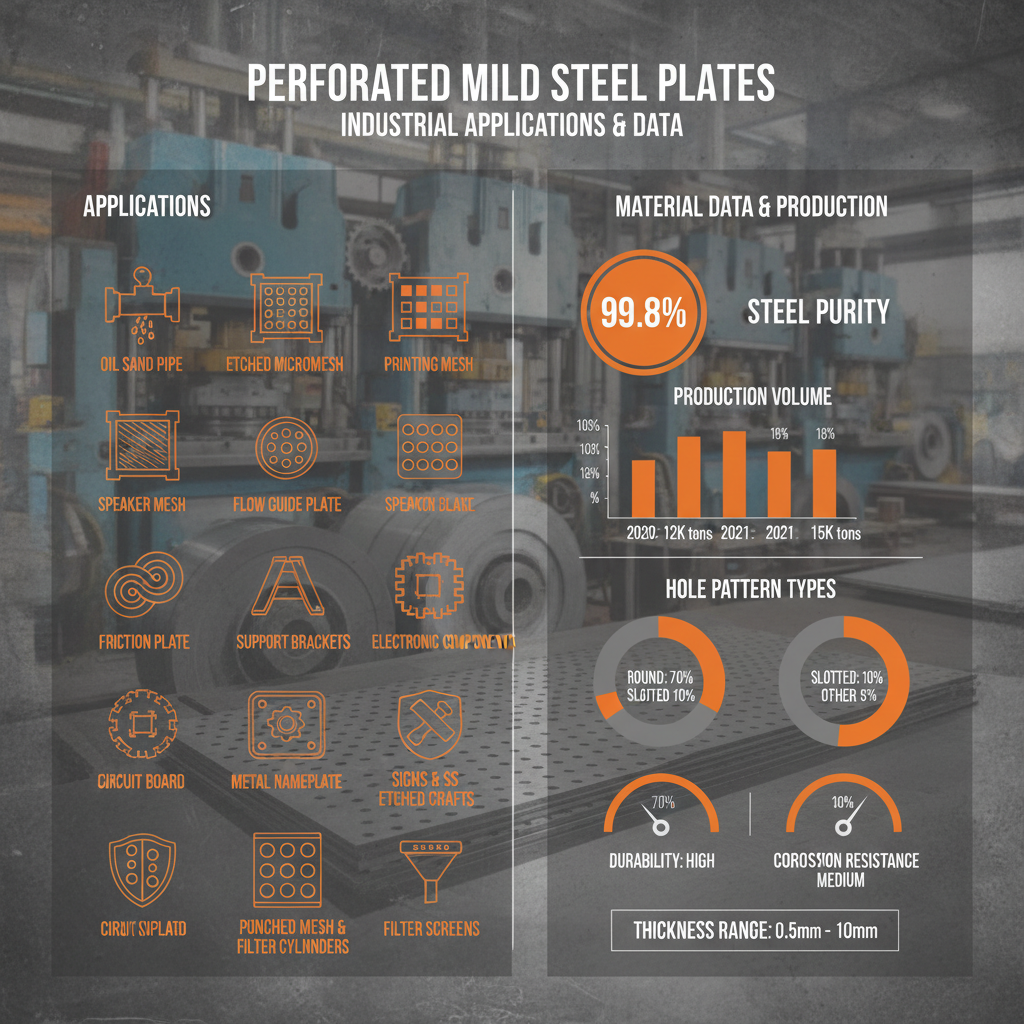
The application of perforated mild steel plate spans across diverse sectors. In the automotive industry, they are used for grill guards and heat shields, where they protect sensitive components while allowing heat to dissipate. In the food processing industry, high-precision perforated plates are used as conveyors and drainage screens, ensuring sanitary conditions through smooth finishes and precise hole sizes.
Beyond the factory floor, these plates are vital in architectural safety. In many European and North American urban centers, they are used for balconies, stair treads, and cladding. Their ability to provide privacy while maintaining ventilation makes them a preferred choice for sustainable "green" buildings that aim to reduce reliance on artificial cooling.
Comparative Performance of Perforated Mild Steel Plate Variants
Long-Term Value and Economic Advantages
Investing in a perforated mild steel plate provides significant long-term economic value due to its low initial cost and high recyclability. Compared to stainless steel or aluminum, mild steel is far more affordable, allowing for larger-scale deployments in budget-sensitive projects without sacrificing essential safety and strength.
Moreover, the sustainability aspect cannot be overlooked. Steel is one of the most recycled materials on earth. When a perforated mild steel plate reaches the end of its lifecycle, it can be melted down and reused, aligning with the global shift toward a circular economy. This reliability and eco-friendliness build trust between manufacturers and environmentally conscious clients.
Future Trends in Perforation Technology
The future of perforated mild steel plate production is being reshaped by digital transformation. Fiber laser cutting technology is replacing traditional mechanical punching in many high-end applications, allowing for complex, non-repetitive patterns and tighter tolerances. This shift enables the creation of "parametric" facades where the hole size varies across the plate to optimize light intake based on the sun's position.
Automation and AI-driven design are also optimizing the layout of holes to maximize strength while minimizing material waste. By using generative design software, engineers can create perforated mild steel plate configurations that are mathematically optimized for specific acoustic frequencies or fluid dynamics, reducing the trial-and-error phase of product development.
Furthermore, the integration of nano-coatings is emerging as a trend to combat corrosion. These advanced coatings provide a molecular-level shield, potentially eliminating the need for thick galvanization and allowing the plates to remain lightweight while achieving unprecedented resistance to oxidation.
Overcoming Challenges in Mild Steel Fabrication
One of the primary challenges when working with a perforated mild steel plate is the inherent risk of corrosion. To solve this, industry experts recommend a multi-stage treatment process: degreasing, pickling, and then applying a high-performance zinc-rich primer. This comprehensive approach ensures that the edges of the perforated holes—which are the most vulnerable points—are fully sealed.
Another common limitation is the deformation that can occur during the punching process, known as "burring." Excessive burrs can interfere with the fit of the plate or cause safety hazards. The solution lies in using precision-ground tooling and implementing automated deburring processes, such as vibratory finishing or chemical polishing, to ensure a smooth edge.
Finally, balancing structural rigidity with a high open area requires precise engineering. Experts suggest using reinforced borders or integrating the perforated plate into a supporting frame. By treating the perforated mild steel plate as part of a systemic assembly rather than a standalone component, designers can achieve maximum transparency without risking structural failure.
Technical Analysis of Perforated Mild Steel Plate Fabrication Parameters
| Material Grade |
Perforation Method |
Corrosion Resistance |
Structural Rigidity |
| ASTM A36 Low Carbon |
CNC Punching |
Moderate (Painted) |
High (8/10) |
| S235JR Structural |
Fiber Laser |
Low (Raw) |
Medium (6/10) |
| Hot-Dipped Steel |
CNC Punching |
Very High (Zinc) |
High (9/10) |
| Cold Rolled Mild Steel |
Plasma Cutting |
Medium (Powder) |
Medium (7/10) |
| Industrial Grade A |
CNC Punching |
High (Epoxy) |
Very High (10/10) |
| Commercial Mild Steel |
Fiber Laser |
Moderate (Oil) |
Low (5/10) |
FAQS
The most effective way to prevent rust is through surface treatment. Galvanization (zinc coating) is the gold standard for industrial use. For architectural applications, powder coating or high-grade epoxy paints provide an airtight seal that prevents moisture and oxygen from reaching the steel surface. Regular maintenance and the application of anti-corrosive oils can also extend the life of raw mild steel plates.
Perforated mild steel plate is created by punching or cutting holes out of a solid sheet, resulting in a flat surface with precise hole dimensions. Expanded metal is made by slitting and stretching the metal, creating a diamond-shaped mesh. Perforation is generally preferred when precise hole size, shape, and open area percentages are critical for filtration or acoustic purposes.
The open area is calculated by dividing the total area of all the holes by the total area of the plate. For round holes, the formula involves the hole diameter and the pitch (the distance between the centers of two adjacent holes). This percentage is crucial for engineers to determine if the plate will allow enough airflow or fluid passage for its intended application.
Yes, because mild steel is highly ductile, these plates can be bent, rolled, or curved. However, it is important to bend the plate in the direction of the holes' alignment to minimize distortion. If the plate is bent perpendicular to the hole rows, the apertures may deform, which could affect the aesthetic or the functional flow rate of the product.
Generally, staggered hole patterns provide higher structural integrity and better load distribution than aligned patterns. Staggering prevents "failure lines" from forming across the plate, making it more resistant to bending and shearing forces. For maximum strength, engineers typically recommend smaller holes with wider bridges (the space between holes).
Mild steel can withstand significant heat, but its properties change at extreme temperatures. For high-heat applications, the primary concern is the coating. Powder coatings may peel or burn, so raw or specially treated heat-resistant coatings are used. If the application involves corrosive gases at high temperatures, upgrading to stainless steel may be necessary.
Conclusion
The perforated mild steel plate remains a vital tool in the arsenal of modern manufacturing, offering a unique combination of strength, affordability, and functional flexibility. From the precision of its open-area calculations to the durability provided by advanced coatings, this material solves a wide array of engineering challenges across the automotive, architectural, and filtration industries.
As we move toward a future defined by automation and sustainable building, the evolution of perforation technology will only increase the efficiency and versatility of these plates. For businesses seeking to optimize their structural components, prioritizing high-precision fabrication and appropriate surface treatments will ensure long-term reliability and cost-efficiency. Visit our website for more professional solutions: www.tomaifilter.com