1 2 perforated metal is a versatile material finding increasing applications across diverse sectors globally. Its unique properties, combining strength with controlled permeability, make it indispensable in industries ranging from architecture and construction to aerospace and filtration. Understanding its characteristics and potential is crucial for innovation and sustainable development, offering solutions to challenges in infrastructure, environmental control, and product design.
The global demand for 1 2 perforated metal is driven by factors like rapid urbanization, the need for improved filtration systems, and the growing emphasis on lightweight materials for energy efficiency. According to industry reports, the perforated metal market is projected to reach significant growth in the next decade, with Asia-Pacific leading the demand due to its expanding industrial sector. This increased demand underlines the critical role of this material in modern infrastructure and manufacturing.
The benefits of utilizing 1 2 perforated metal extend beyond functionality. It offers aesthetic appeal, customizable design options, and can contribute to improved safety and security. Its adaptability allows for creative solutions in architectural facades, acoustic panels, and protective barriers, making it a valuable asset for architects, engineers, and designers worldwide.
Introduction to 1 2 Perforated Metal
1 2 perforated metal is characterized by precise patterns of holes fabricated into a metal sheet, offering a unique combination of structural integrity and controlled airflow or filtration. This distinct feature makes it a preferred material in many industries, enabling solutions for sound absorption, light diffusion, and efficient separation processes.
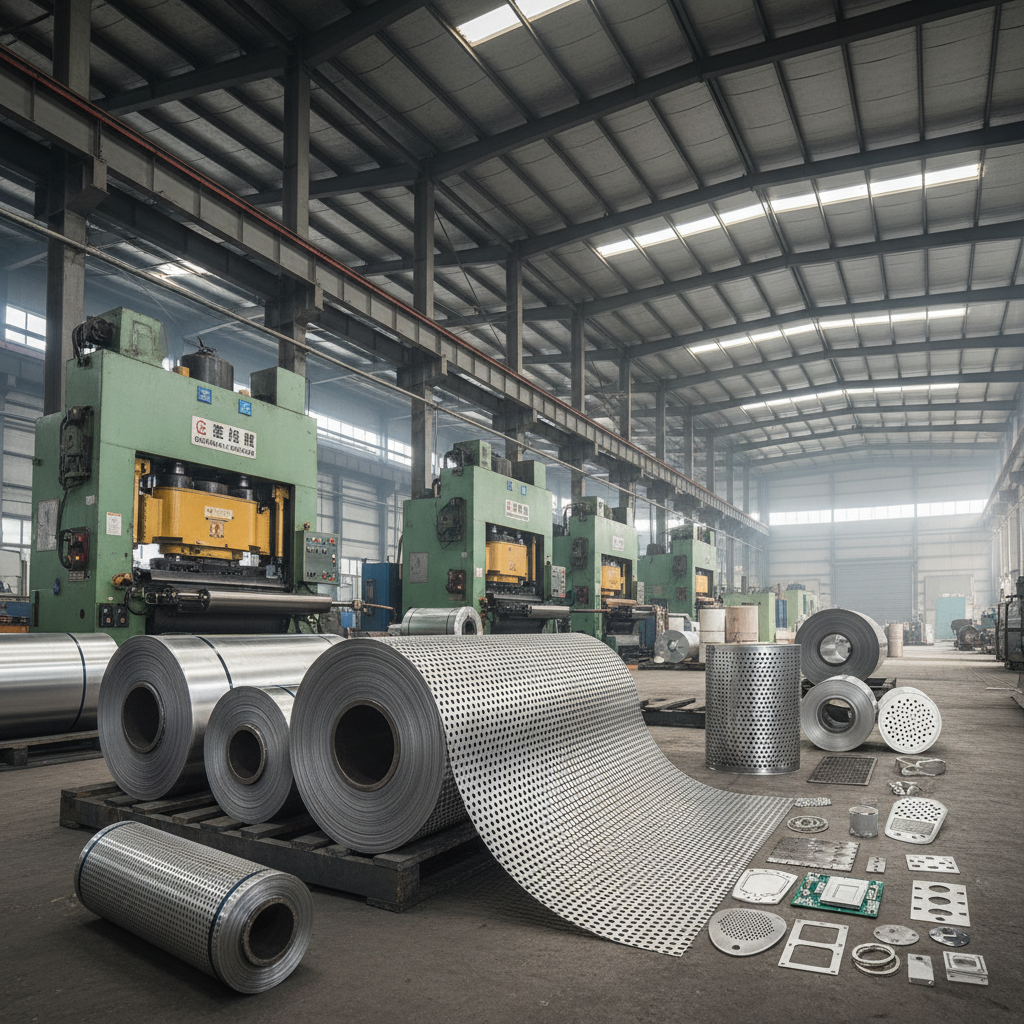
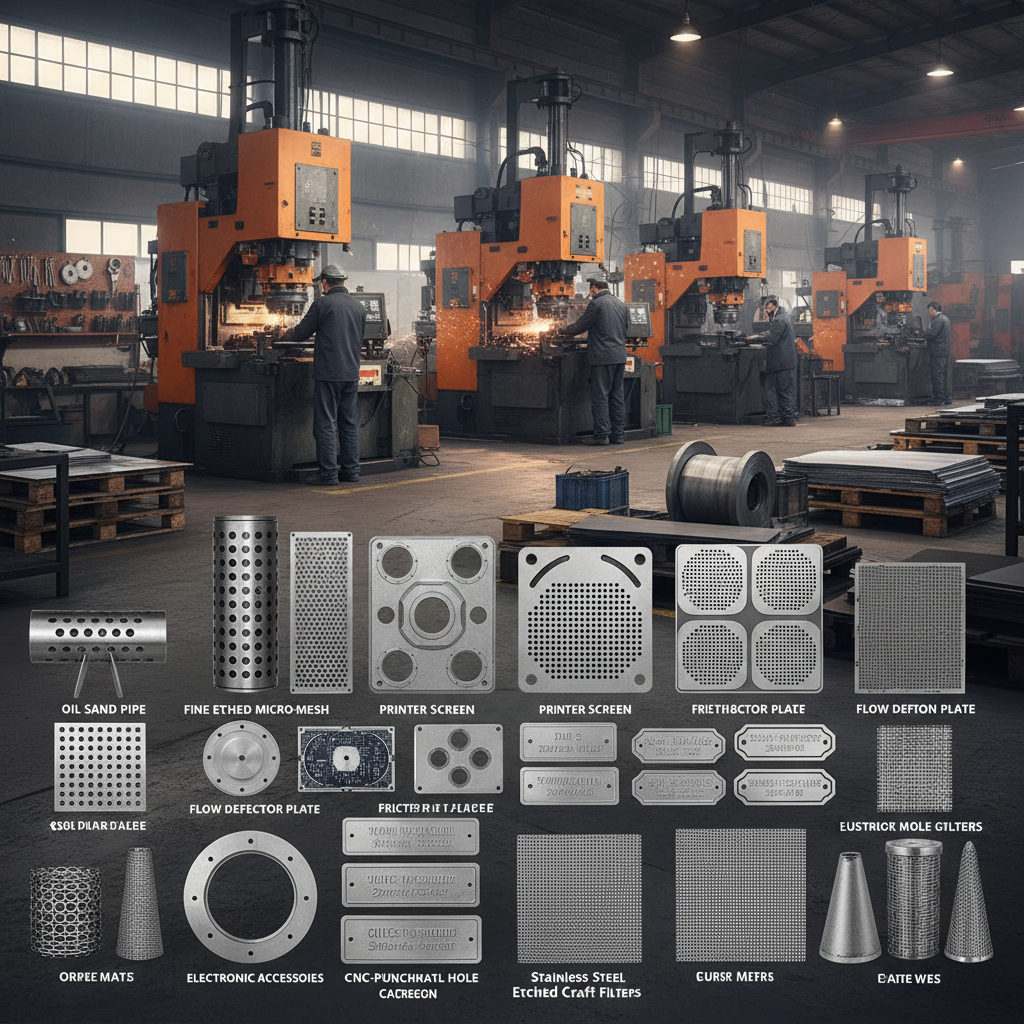
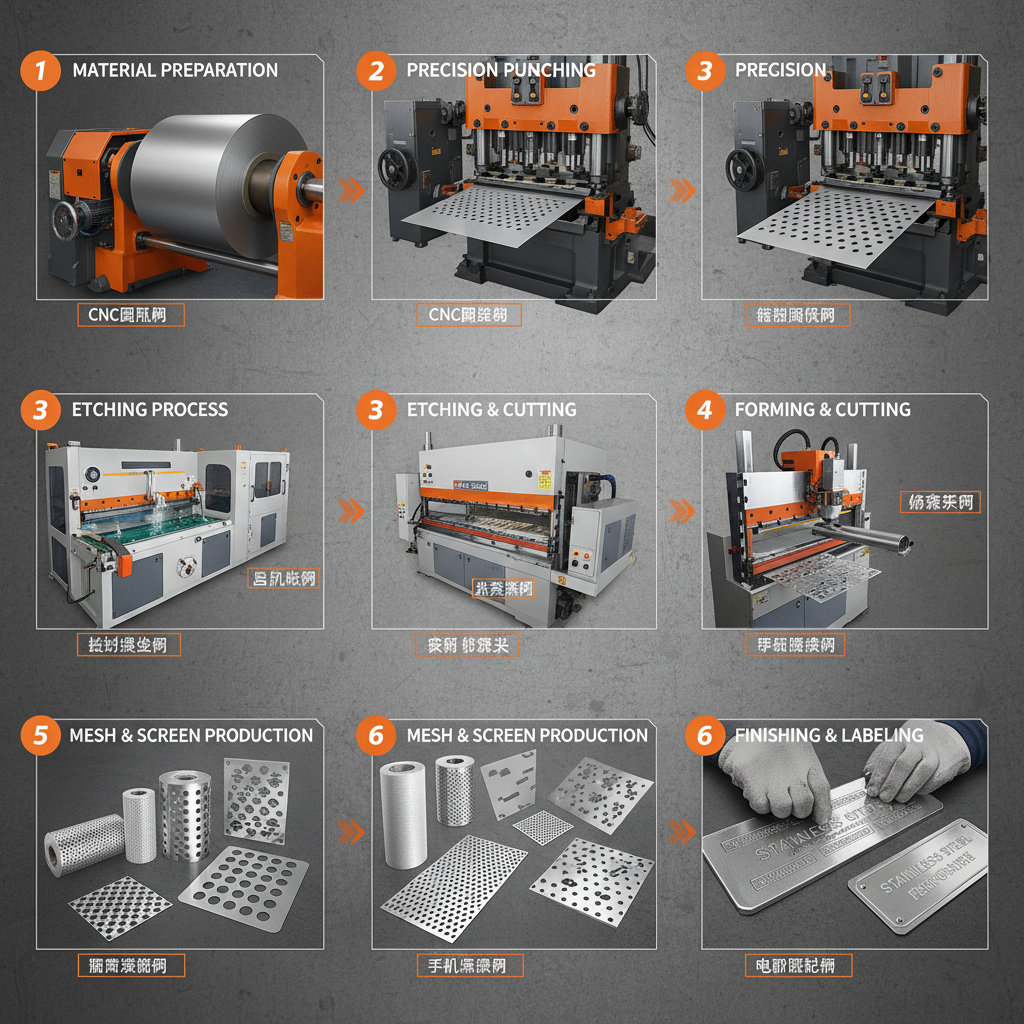
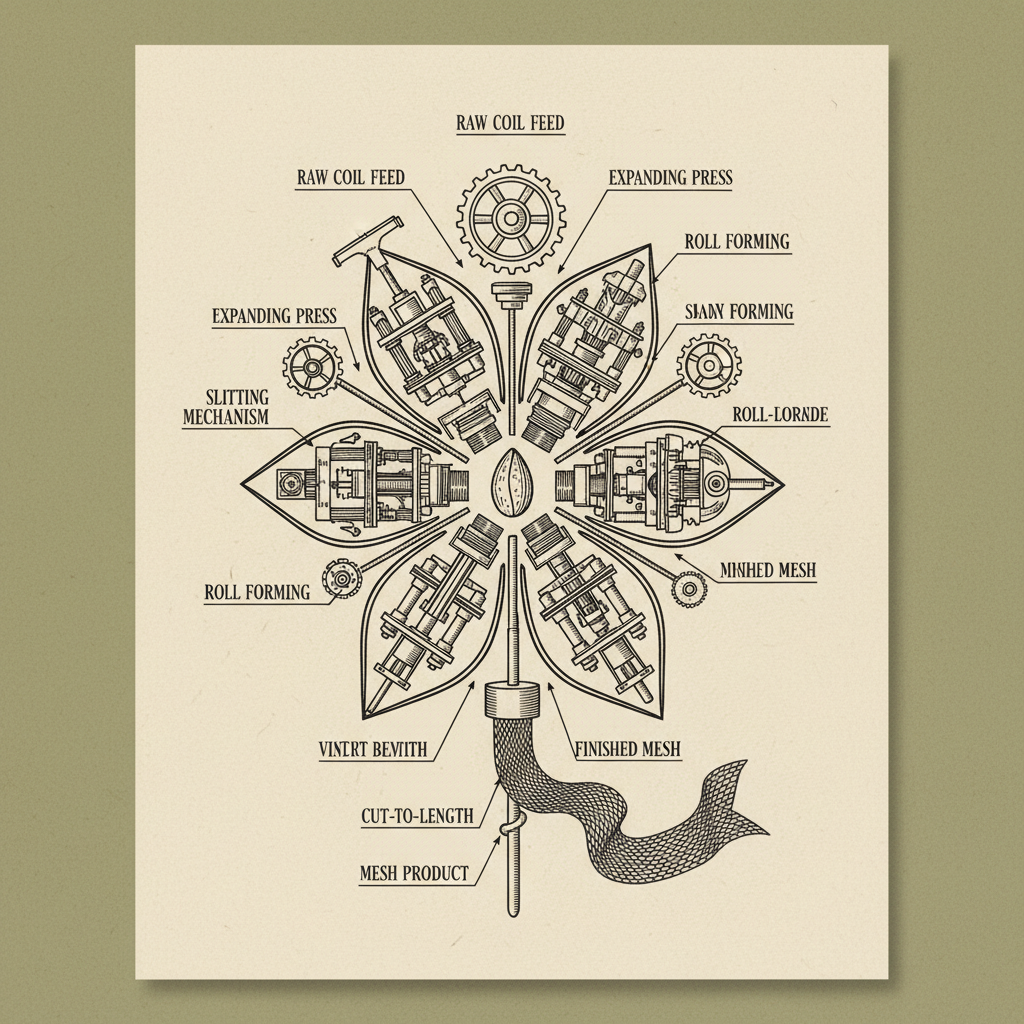
The fabrication process of 1 2 perforated metal involves careful consideration of hole size, pattern, and metal thickness to achieve specific performance criteria. The process can incorporate various metals, including stainless steel, aluminum, and carbon steel, catering to diverse application requirements and environmental conditions.
The Global Relevance of 1 2 Perforated Metal
The demand for 1 2 perforated metal is intimately linked to global trends in infrastructure development, manufacturing efficiency, and environmental sustainability. Rapid urbanization, particularly in emerging economies, drives the need for innovative building materials that offer both functionality and aesthetic appeal. Perforated metal plays a crucial role in modern architectural designs, providing efficient ventilation, shading, and security features.
Moreover, stricter environmental regulations worldwide are fueling the demand for advanced filtration systems across various industries, including water treatment, air purification, and chemical processing. 1 2 perforated metal serves as an essential component in these systems, enabling precise separation and filtration of particles and contaminants. This reliance is projected to intensify as environmental concerns grow.
According to a report by the United Nations Environment Programme (UNEP), investment in sustainable infrastructure is crucial for achieving global climate goals. 1 2 perforated metal, with its recyclability and potential for energy-efficient designs, aligns with these sustainability objectives, further solidifying its global relevance.
Defining 1 2 Perforated Metal
1 2 perforated metal refers to metal sheets containing precisely engineered holes, typically created through punching, etching, or laser cutting. The ‘1 2’ specifies the ratio of open area to solid metal, meaning for every 1 square inch, 1/2 square inch is open space created by the perforations. This ratio is crucial for controlling airflow, light transmission, or filtration capacity.
Its connection to modern industry lies in its versatility. Unlike traditional solid metal sheets, 1 2 perforated metal offers a balance between structural strength and permeability. This makes it ideal for applications requiring both support and the passage of fluids or air. In humanitarian contexts, this material can be utilized for rapid deployment shelters, ensuring adequate ventilation while maintaining structural integrity.
The manufacturing process allows for immense customization – hole size, shape, pattern, and metal type can all be tailored to meet specific application needs. This adaptability extends its use beyond industrial applications to include architectural design, artistic installations, and even specialized medical devices.
Key Characteristics of 1 2 Perforated Metal
Durability is a cornerstone of 1 2 perforated metal's appeal. Depending on the metal alloy used – stainless steel, aluminum, or carbon steel – the material can withstand harsh environmental conditions, including corrosion, extreme temperatures, and significant mechanical stress. This makes it suitable for long-lasting outdoor applications.
Another key aspect is its versatility in design. The ability to customize hole size, pattern, and density allows for tailored solutions in both functionality and aesthetics. From intricate artistic designs to precise filtration configurations, the options are extensive.
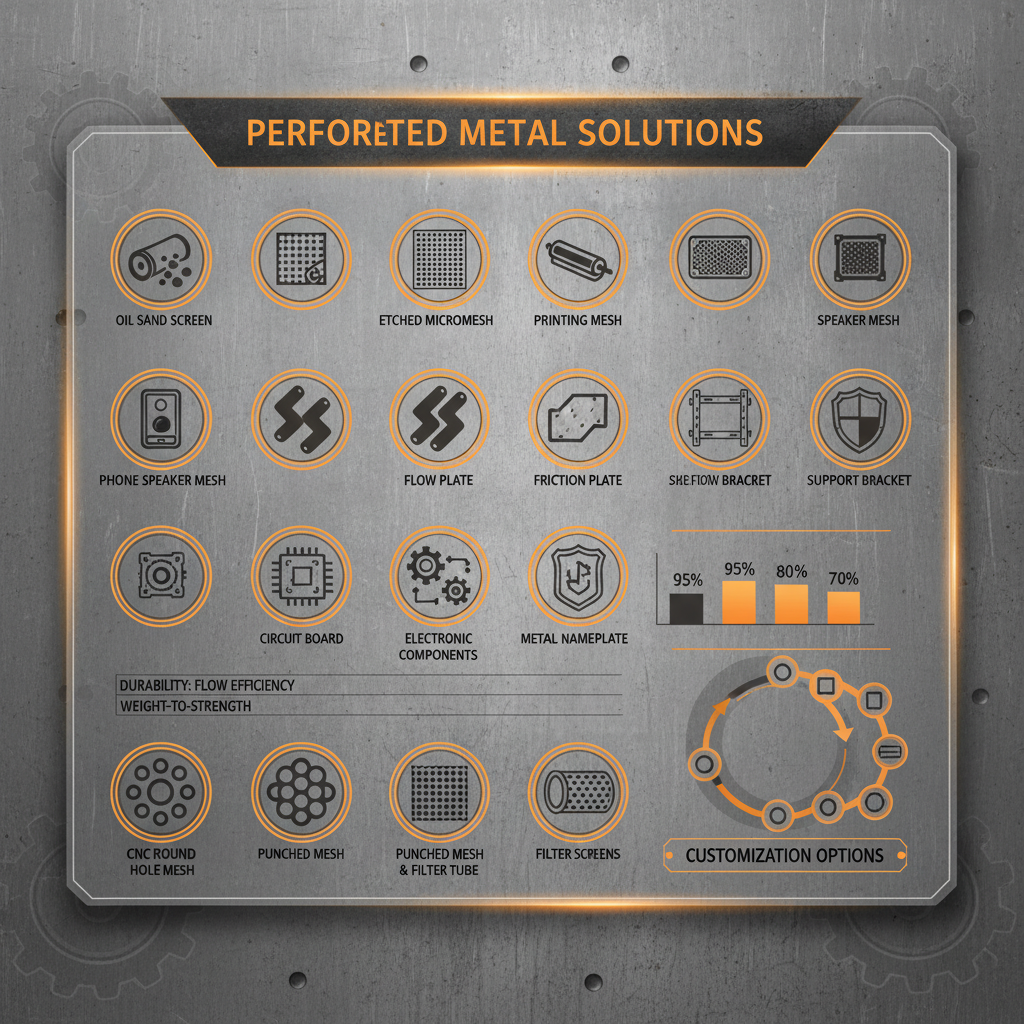
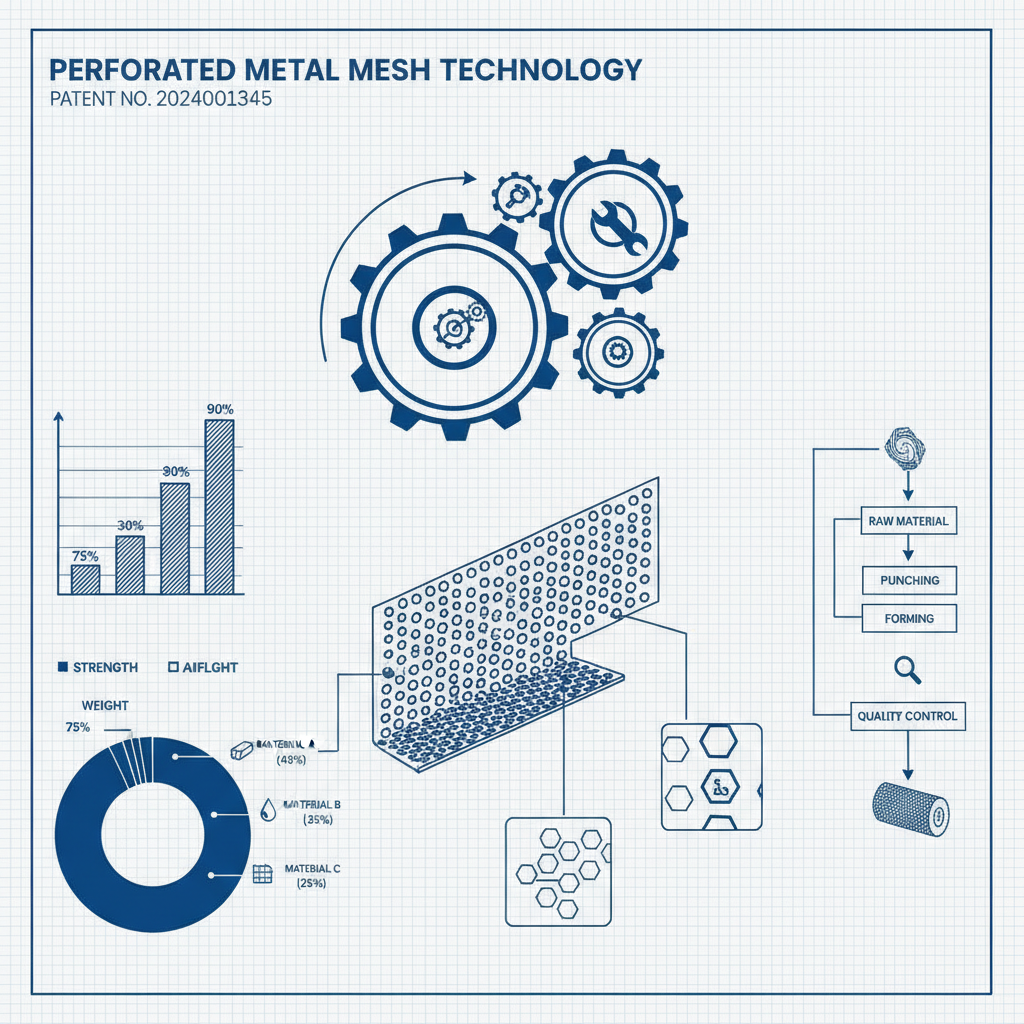
Performance Metrics of Different 1 2 Perforated Metal Methods
Global Applications of 1 2 Perforated Metal
In the architectural sector, 1 2 perforated metal is extensively used for building facades, sunshades, and acoustic panels. Cities like Dubai and Singapore, known for their innovative architecture, frequently utilize this material to create visually striking and energy-efficient buildings. Its ability to control light and ventilation enhances building comfort and reduces energy consumption.
The filtration industry relies heavily on 1 2 perforated metal for creating filter screens and diffusers. From water treatment plants in Europe to air purification systems in North America, this material plays a vital role in removing impurities and ensuring clean resources. Industrial zones in Germany and Japan particularly benefit from its precision and durability.
Advantages and Long-Term Value
The cost-effectiveness of 1 2 perforated metal arises from its efficient manufacturing processes and long lifespan. While the initial investment might be comparable to other materials, its durability and low maintenance requirements result in substantial long-term savings. This economic advantage makes it appealing for large-scale projects.
Beyond financial gains, the material promotes sustainability by enabling energy-efficient designs and reducing waste. Its recyclability further contributes to a circular economy. This aligns with growing corporate social responsibility initiatives and enhances brand reputation.
Future Trends and Innovations in 1 2 Perforated Metal
Emerging technologies like 3D printing are revolutionizing the fabrication of 1 2 perforated metal, enabling the creation of complex geometries and customized designs with unprecedented precision. This opens doors to new applications in aerospace, medical devices, and personalized architectural features.
The integration of smart materials with perforated metal is another promising trend. Combining perforated metal with sensors and actuators can create responsive facades that adapt to changing environmental conditions, optimizing energy efficiency and occupant comfort. These smart building solutions are gaining traction in urban development projects.
Furthermore, advancements in laser cutting techniques are allowing for the creation of increasingly intricate perforation patterns with finer tolerances. This unlocks possibilities for sophisticated acoustic designs and advanced filtration systems, driving further innovation across various industries.
Table Summarizing the Challenges and Solutions Related to 1 2 Perforated Metal
| Challenge |
Impact on 1 2 Perforated Metal Application |
Proposed Solution |
Implementation Cost (1-10) |
| Corrosion in Harsh Environments |
Reduced lifespan and structural integrity. |
Utilize corrosion-resistant alloys (e.g., stainless steel, titanium). |
7 |
| High Manufacturing Costs |
Limits application to high-value projects. |
Optimize perforation patterns and explore alternative manufacturing techniques (e.g., laser cutting). |
6 |
| Noise Generation |
Can be problematic in acoustic applications. |
Introduce damping materials or optimize perforation patterns for noise reduction. |
5 |
| Limited Design Flexibility |
Traditional methods restrict complex geometries. |
Employ 3D printing or advanced laser cutting technologies. |
8 |
| Difficulties in Joining |
Challenges in integrating with other structural components. |
Develop specialized joining techniques (e.g., welding, mechanical fastening). |
4 |
| Maintaining Perforation Integrity |
Damage to holes can compromise functionality. |
Implement protective coatings or design reinforcement around perforations. |
5 |
FAQS
1 2 Perforated metal is widely utilized in architectural design for creating facades, sunshades, screens, and cladding systems. Its ability to control light, ventilation, and acoustics, combined with its aesthetic versatility, makes it ideal for modern buildings. It’s employed in both interior and exterior applications to enhance building performance and visual appeal. The open area created by the perforations allows for natural light diffusion and airflow while providing a degree of privacy or shading.
The perforation pattern significantly impacts the functionality of 1 2 perforated metal. The hole size, shape, and spacing influence airflow, light transmission, sound absorption, and filtration efficiency. Larger holes increase airflow and light, while smaller holes enhance filtration and acoustic properties. Different patterns can also create varying aesthetic effects. Careful consideration of the intended application is essential when selecting the appropriate perforation pattern.
Common materials for 1 2 perforated metal include stainless steel, aluminum, carbon steel, and galvanized steel. Stainless steel offers excellent corrosion resistance and is suitable for outdoor applications. Aluminum is lightweight and provides good formability. Carbon steel is a cost-effective option for indoor applications, while galvanized steel provides added protection against corrosion. The material selection depends on the specific application requirements and environmental factors.
1 2 Perforated metal offers several advantages over solid metal sheets in filtration systems. The perforations allow for efficient fluid or air passage while providing a structural support for filter media. This design minimizes pressure drop and maximizes filtration capacity. The precise control over hole size and pattern enables tailored filtration performance for specific applications, making it a superior option for demanding filtration processes.
1 2 Perforated metal contributes to sustainable building practices through several avenues. Its durability and long lifespan reduce the need for frequent replacements. Its ability to facilitate natural ventilation and daylighting reduces energy consumption for heating, cooling, and lighting. Furthermore, many metals used in perforated metal production, such as aluminum and steel, are highly recyclable, promoting a circular economy and minimizing environmental impact.
Recent advancements in manufacturing 1 2 perforated metal include the use of laser cutting and 3D printing technologies. Laser cutting provides higher precision and allows for complex perforation patterns. 3D printing enables the creation of customized, intricate designs that were previously impossible to achieve. These technologies are expanding the possibilities for applications in various industries.
Conclusion
In conclusion, 1 2 perforated metal stands as a remarkably versatile and increasingly important material across a spectrum of industries. From enhancing architectural designs and optimizing filtration systems to promoting sustainable building practices and driving innovation in manufacturing, its unique combination of strength, permeability, and customizable design makes it a valuable asset. Understanding its characteristics and exploring its potential is critical for addressing modern challenges and achieving sustainable growth.
Looking ahead, continued advancements in manufacturing technologies, coupled with a growing emphasis on sustainability, will further expand the applications of 1 2 perforated metal. By embracing innovation and exploring new materials and designs, we can unlock even greater benefits from this remarkable material. For more information and to explore our range of 1 2 perforated metal products, visit our website: www.tomaifilter.com