Look, I’ve spent the last fifteen years on job sites, breathing concrete dust and getting to know steel inside and out. And let me tell you, when you’re trying to build something – anything, really – efficiency and reliability aren't buzzwords, they’re lifesavers. That’s where perforated stainless comes in. It's not just a material, it's a solution to a whole bunch of problems we face every day. From filtration systems to architectural features, it’s quietly making projects smoother, safer, and frankly, better. We're talking about a material that's consistently proving its worth, and understanding its nuances is critical for anyone in construction or engineering.
What's always struck me is its versatility. I’ve seen perforated stainless used in everything from noise barriers along highways to intricate sunshades on skyscrapers. It’s a workhorse, plain and simple. It's not flashy, but it gets the job done, and gets it done well. More and more, folks are realizing that investing in quality materials like perforated stainless upfront saves a massive headache – and a lot of money – down the line. It's about long-term value, not just the lowest initial bid.
And the demand is only growing. With the push for sustainable building practices and the need for durable, long-lasting infrastructure, perforated stainless is becoming a staple. From what I’ve seen traveling around, projects that incorporate it consistently deliver better results, and that’s what ultimately matters.
The Importance of Perforated Stainless in Modern Construction
From my experience, the demand for durable, versatile materials is constantly increasing, and perforated stainless perfectly fits that bill. It's not just about making something look good; it’s about building things to last, reducing maintenance, and improving safety. I’ve seen it used in critical applications where other materials would simply fail. perforated stainless is a core component in many modern designs.
You see it everywhere now – architectural cladding, sound dampening, filtration systems… the list goes on. And it’s not just high-end projects. Even smaller-scale builds benefit from its strength, corrosion resistance, and aesthetic appeal. It’s become a go-to for engineers and architects who understand the value of investing in quality.
Defining Perforated Stainless: Beyond the Holes
Perforated stainless isn't just a sheet of metal with holes punched in it. It's a precisely engineered product. The pattern, the hole size, the metal thickness – it all matters. The key is that the stainless steel itself provides inherent corrosion resistance, strength, and a clean aesthetic. It's often type 304 or 316, depending on the environment.
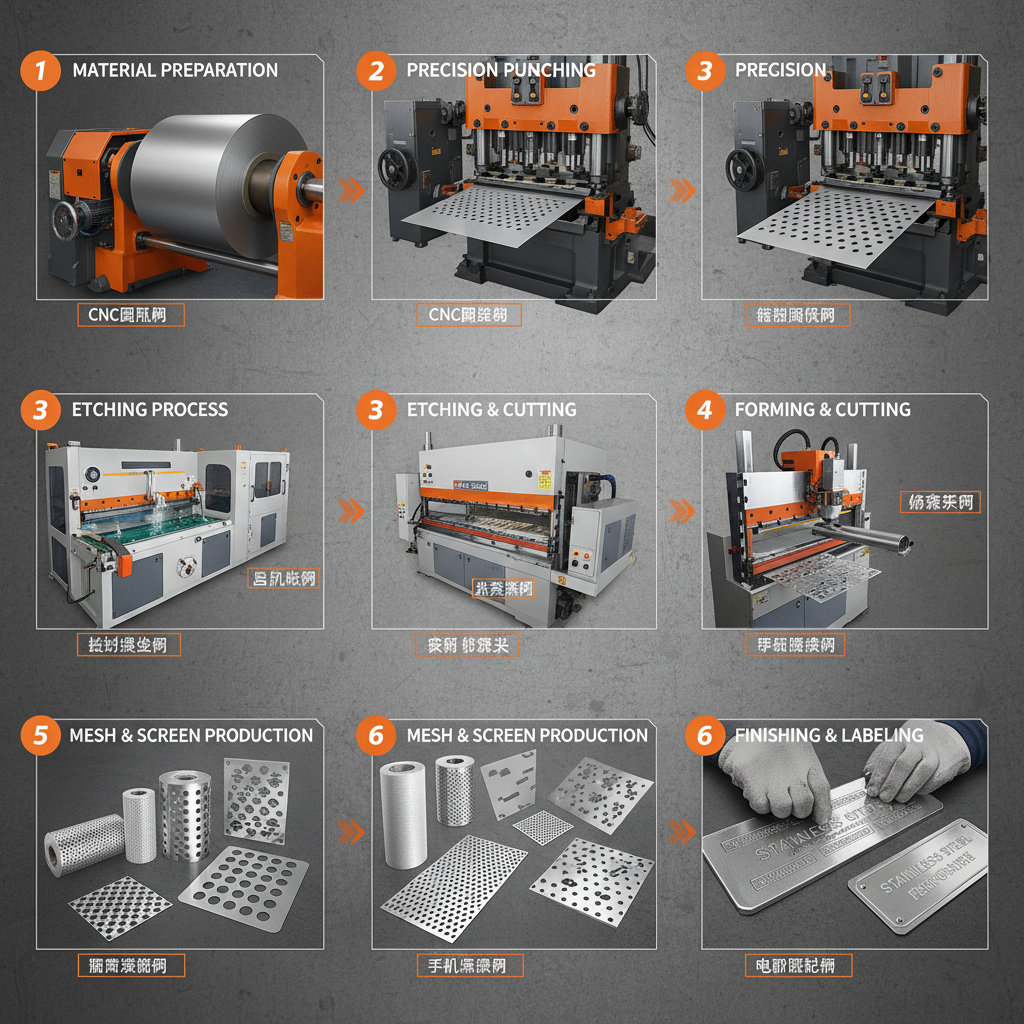
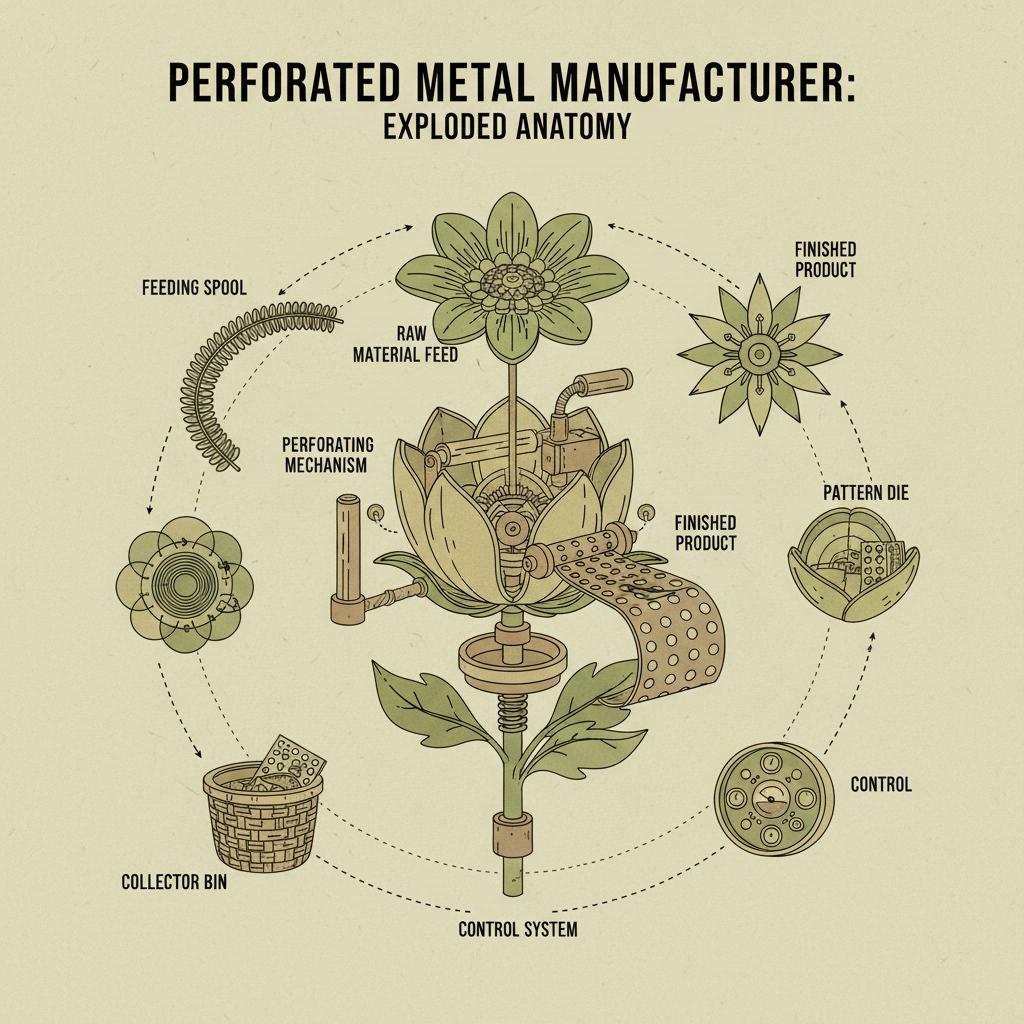
What really sets it apart is the manufacturing process. The holes are created with precision, ensuring consistent spacing and clean edges. This isn’t some slapdash job; it’s a controlled process that results in a material with specific properties. And these properties are what allow it to be used in a wide range of critical applications.
Its connection to modern industry, and even humanitarian needs, is significant. For instance, it’s crucial for water filtration systems in developing countries and equally vital for noise reduction in urban environments. It’s a foundational material for building a more sustainable and functional world.
Core Characteristics of High-Quality Perforated Stainless
First and foremost, durability. Stainless steel, as the name suggests, resists corrosion and stands up to harsh weather conditions. We're talking decades of reliable performance with minimal maintenance. The perforated pattern itself doesn’t compromise the structural integrity of the material, as long as it’s engineered correctly.
Then there's the versatility of design. You can create virtually any pattern imaginable – round, square, hexagonal, slotted, staggered – and adjust the hole size and spacing to achieve specific aesthetic or functional goals. I’ve worked with architects who use it as a canvas, creating incredible visual effects. That degree of customization is huge.
Another critical factor is its permeability. The perforations allow for airflow, light transmission, or fluid passage, making it ideal for applications like ventilation systems, filters, and architectural screens. It’s about creating functionality through the design, not in spite of it. It’s also surprisingly easy to work with, which saves time and money on the job site.
Practical Applications of Perforated Stainless Across Industries
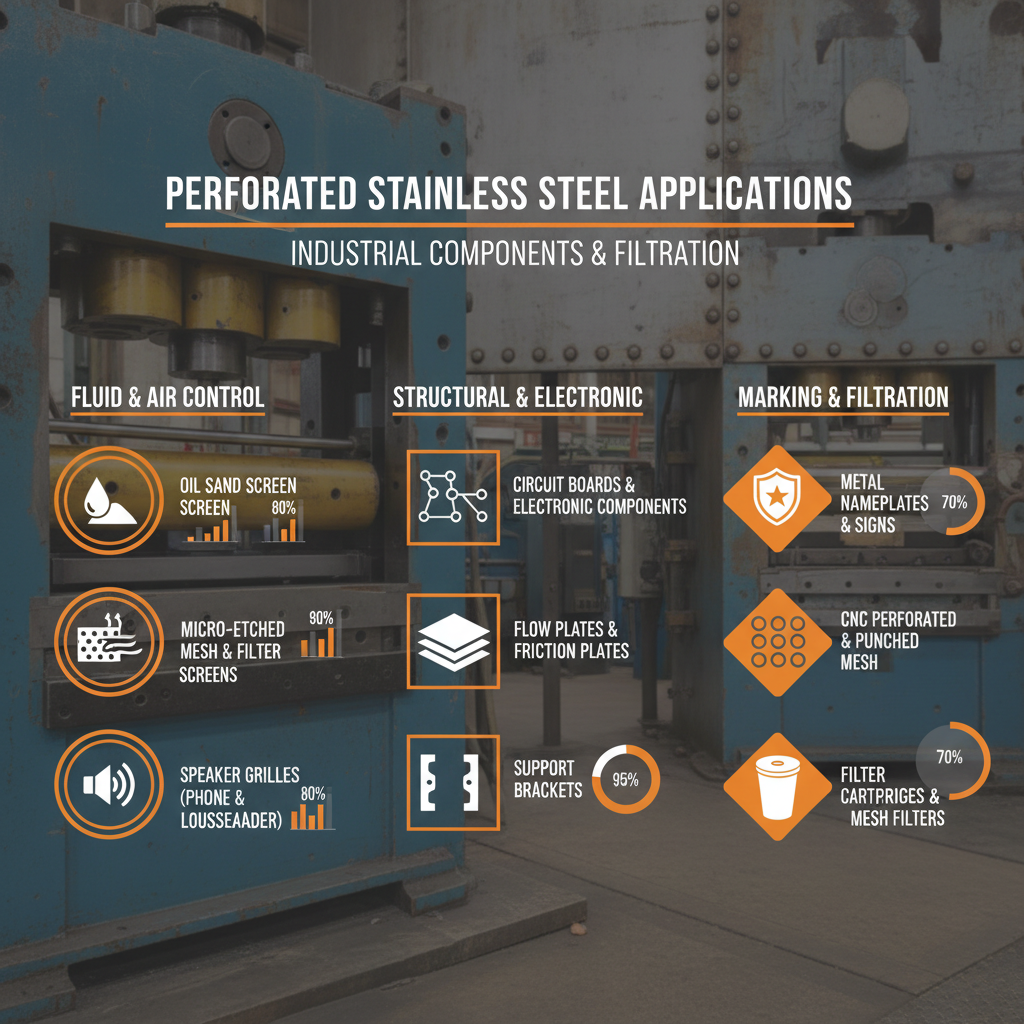
I've seen it everywhere. In the food and beverage industry, it's used for strainers and filters that need to withstand constant cleaning and sanitization. In the pharmaceutical industry, it's critical for sterile filtration systems. And in construction, it's becoming increasingly popular for architectural cladding and sunshades.
But it goes beyond that. In automotive, it’s utilized for air intake systems and grills. In aerospace, it’s used for noise reduction and airflow management. The applications are truly endless. It’s a material that adapts to the needs of the project, not the other way around.
Perforated Stainless Application Performance
Global Usage and Impact of Perforated Stainless
You see significant use in Europe, especially in architectural projects where aesthetics and durability are paramount. In Asia, it’s driven by the rapid urbanization and demand for efficient infrastructure. The Middle East utilizes it in desalination plants and other water management systems because of its corrosion resistance.
In post-disaster relief operations, perforated stainless filtration systems are becoming increasingly common for providing safe drinking water. It’s a practical, reliable solution when you need it most. I’ve seen it being implemented in remote industrial zones, where maintenance and longevity are essential, and resources are limited.
Advantages and Long-Term Value Proposition
The initial cost might be a bit higher than some other materials, but the long-term savings are substantial. You’re looking at reduced maintenance, increased lifespan, and improved performance. It’s an investment, not an expense. And you can’t put a price on safety and reliability.
From a sustainability standpoint, stainless steel is 100% recyclable, which reduces its environmental impact. It also contributes to the longevity of buildings and infrastructure, minimizing the need for frequent replacements. It's a material you can feel good about using. The trust it inspires is huge, knowing something built with perforated stainless is going to stay built.
Future Trends and Innovations in Perforated Stainless
We’re seeing a lot of innovation in the manufacturing process, with new techniques for creating more complex and intricate perforation patterns. There’s also research into using thinner gauges of stainless steel without compromising strength, which can reduce material costs.
I’m excited about the potential of integrating perforated stainless with smart technologies – sensors embedded within the material to monitor stress, corrosion, or environmental conditions. And with the push for green building practices, we'll likely see even more creative applications for improving energy efficiency and sustainability.
The development of self-healing stainless steel is also a game changer. This could dramatically extend the lifespan of structures and reduce maintenance costs even further. And as automation becomes more prevalent in manufacturing, expect to see even greater precision and efficiency in the production of perforated stainless.
Summary of Challenges and Potential Solutions Related to Perforated Stainless
| Challenge |
Impact on Project |
Potential Solution |
Implementation Cost |
| High Initial Material Cost |
Budget Overruns |
Value Engineering, Phased Implementation |
Low |
| Complex Design Integration |
Extended Project Timelines |
BIM Modeling, Early Contractor Involvement |
Medium |
| Limited Availability of Skilled Fabricators |
Reduced Quality of Workmanship |
Training Programs, Collaboration with Specialists |
Medium to High |
| Potential for Noise Amplification (Depending on Perforation Pattern) |
Unacceptable Acoustic Performance |
Acoustic Modeling, Optimization of Perforation Parameters |
Low to Medium |
| Corrosion in Harsh Marine Environments |
Structural Weakening |
Use of High-Alloy Stainless Steel (316, Duplex) |
Medium to High |
| Maintaining Cleanliness in Highly Polluted Areas |
Reduced Aesthetic Appeal |
Protective Coatings, Regular Cleaning Schedules |
Low |
FAQS
Lead times vary depending on the complexity of the pattern, the sheet size, and current demand. Generally, you can expect 2-4 weeks for standard patterns and 6-8 weeks for highly customized designs. It’s always best to get a quote and confirm the lead time with the manufacturer early in the project planning phase. Material availability also plays a significant role, especially with fluctuations in steel prices and supply chain disruptions.
It’s not just about the pattern, but the combination of pattern, perforation diameter, sheet thickness, and the backing material. However, staggered patterns and those with a high open area percentage generally perform best for sound absorption. We often recommend consulting with an acoustical engineer to determine the optimal pattern and configuration for your specific application. They can model the sound field and provide precise recommendations based on your noise reduction goals.
Absolutely, but you need to specify the correct grade of stainless steel. 316 stainless steel is significantly more resistant to corrosion from saltwater and chloride exposure than 304. We also recommend considering a passivation treatment to further enhance corrosion resistance. Regular cleaning to remove salt buildup is also crucial for maintaining the longevity of the material in coastal applications.
The weight of perforated stainless depends on the sheet thickness, the percentage of open area, and the pattern. While stainless steel is a relatively heavy material, the perforations reduce the overall weight compared to a solid sheet. Structural engineers need to account for the weight when designing the support system. It's crucial to obtain accurate weight calculations from the manufacturer to ensure structural integrity and compliance with building codes.
You’ve got a lot of options! Mill finish is the most cost-effective, but brushed or polished finishes offer a more refined aesthetic. We can also provide powder coating or other specialized coatings for specific color requirements or added protection. The choice of finish depends on the application and the desired look and feel. Consider how the finish will hold up to weathering and wear and tear.
Welding perforated stainless requires skilled welders and the proper techniques to avoid distortion and maintain corrosion resistance. Using the correct welding consumables and controlling the heat input are critical. It's often best to weld before perforating, if possible, or to use specialized welding techniques designed for perforated materials. Post-weld cleaning and passivation are also essential to restore corrosion resistance.
Conclusion
In the end, perforated stainless is more than just a material – it's a versatile solution that addresses a wide range of challenges across various industries. From its inherent durability and corrosion resistance to its design flexibility and sustainable properties, it consistently delivers long-term value. Understanding its nuances and applying it strategically can lead to better, more efficient, and more sustainable projects.
Looking ahead, continued innovation in manufacturing processes and material science will only expand the possibilities for perforated stainless. I encourage anyone involved in construction, engineering, or design to explore its potential and consider it as a cornerstone of their future projects. For more information and to discuss your specific needs, visit our website: www.tomaifilter.com