Look, I’ve been running around construction sites for fifteen years, dealing with all sorts of materials. To be honest, the whole basket filter game has really changed in the last couple years. Everyone's talking about modularity now. Used to be everything was built to spec, one-off designs. Now it's all "plug and play," pre-fabricated sections. It’s faster, sure, but it brings its own headaches.
Have you noticed how everyone's obsessed with lifecycle cost? It's not just about the upfront price anymore. They want to know how long it'll really last, how much maintenance it needs, the whole nine yards. That’s why we're seeing a shift towards more robust materials, even if they cost a little more initially. It's also why everyone is suddenly interested in basket filter manufacturer standards.
It’s a funny thing, really. Spent ten years convincing people to upgrade from basic carbon steel, now they’re all demanding stainless 316L. 316L… feels different in your hands, a bit heavier, doesn't smell like metal shavings as much when you’re cutting it. And the welds, oh the welds. You gotta have a guy who knows his TIG settings, or you'll be chasing cracks all day. Anyway, I think that's a good starting point.
The Evolution of Basket Filter Manufacturer
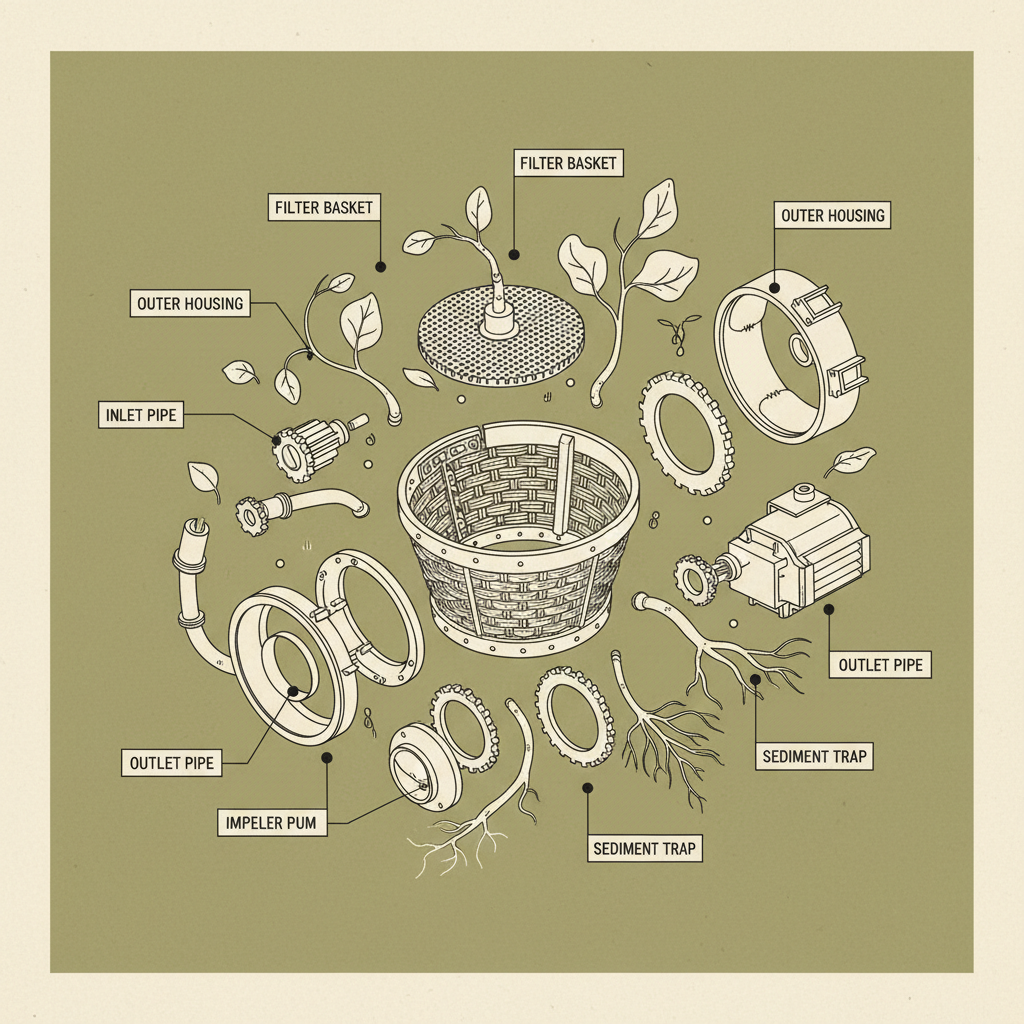
Strangely enough, basket filter manufacturer started as this very niche thing, mostly for high-end chemical plants. Remember those old basket strainers? Heavy cast iron, a real pain to clean. Then someone figured out you could use perforated plates and woven mesh, and suddenly it became adaptable.
Now? Now it's everywhere. Wastewater treatment, food processing, even some surprisingly delicate pharmaceutical applications. The biggest change? Standardization. It used to be everyone made their own, custom-welded monstrosities. Now you've got ISO standards, ANSI flanges… it’s a whole different ball game.
Common Design Pitfalls in Basket Filter Manufacturer
I encountered this at a paper mill in Georgia last time. They'd specified this incredibly fine mesh for their basket filter, thinking it would get every last bit of contaminant. Ended up clogging every five minutes! They hadn't accounted for the fiber length in the pulp. It's easy to fall into the trap of thinking “finer is better,” but you gotta understand the process.
Another one? Neglecting differential pressure. If you don't have a good DP gauge and a bypass valve, you’re asking for trouble. Those baskets can build up pressure fast, and you don't want a rupture. And don’t even get me started on improper basket seating. A tiny gap, and you've got bypass flow.
Proper support structure too. You wouldn't believe how many times I've seen baskets deform under load. A little wobble, and suddenly you're dealing with a whole mess of problems.
Material Selection: A Hands-On Approach to Basket Filter Manufacturer
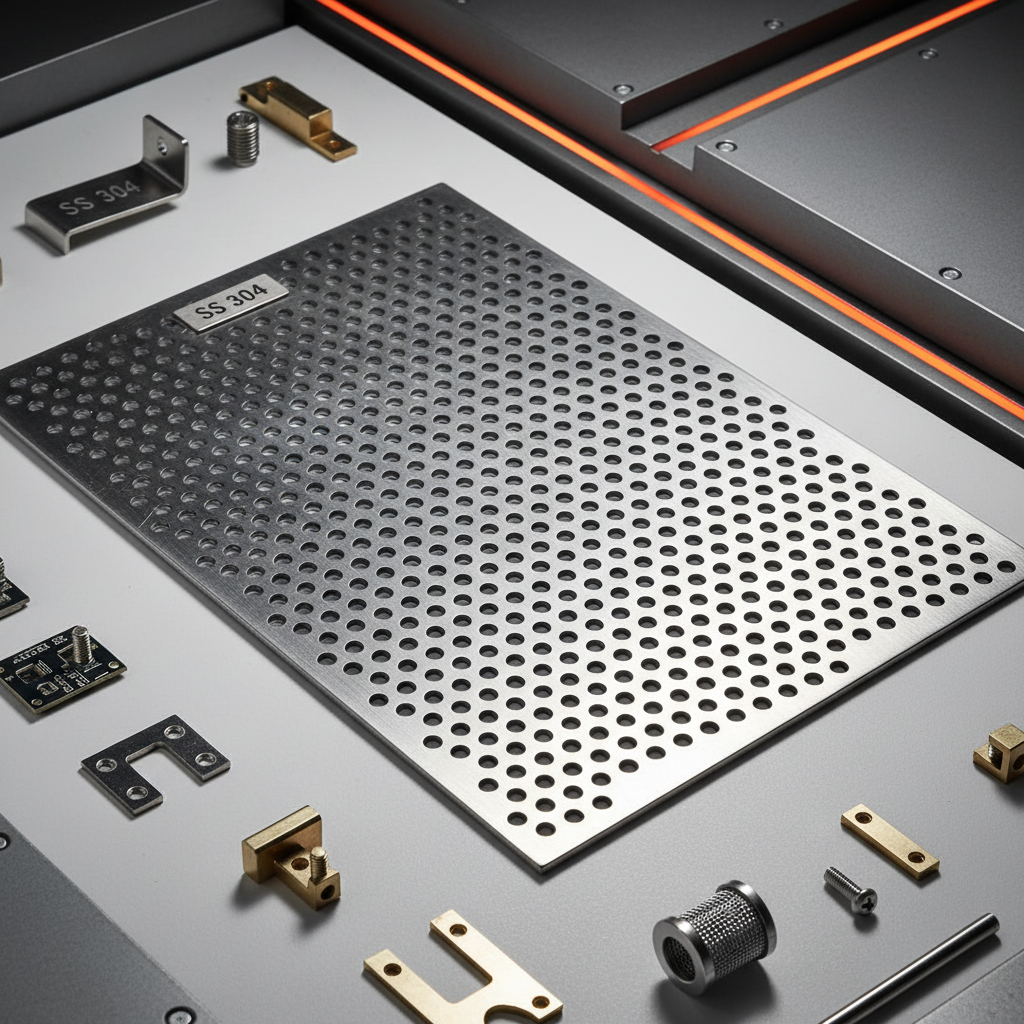
Okay, materials. This is where it gets real. 304 stainless is your workhorse, good for general purpose applications. It's relatively cheap, easy to weld, doesn’t rust easily. But if you're dealing with chlorides or aggressive chemicals, you need to step up to 316L. It has molybdenum in it, which makes it much more corrosion resistant. Feels different to the touch, smoother, less…gritty.
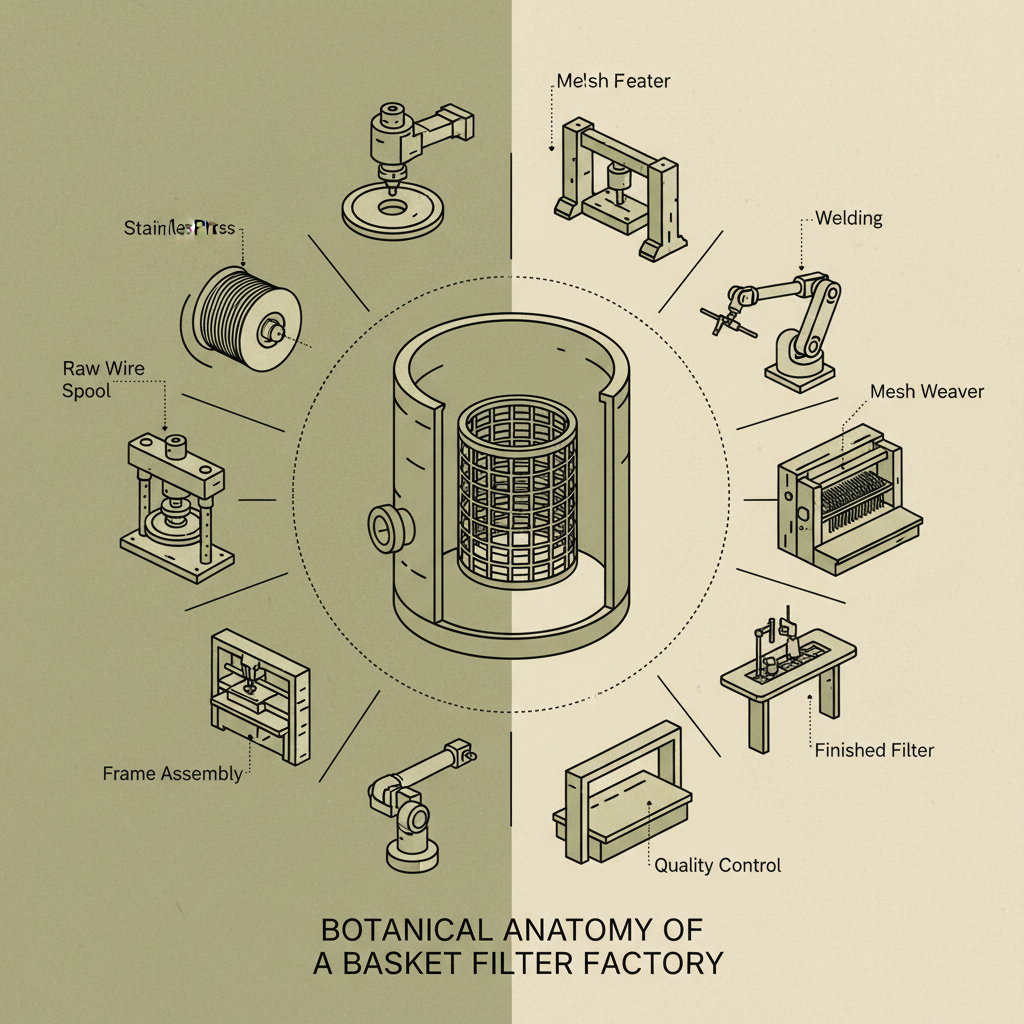
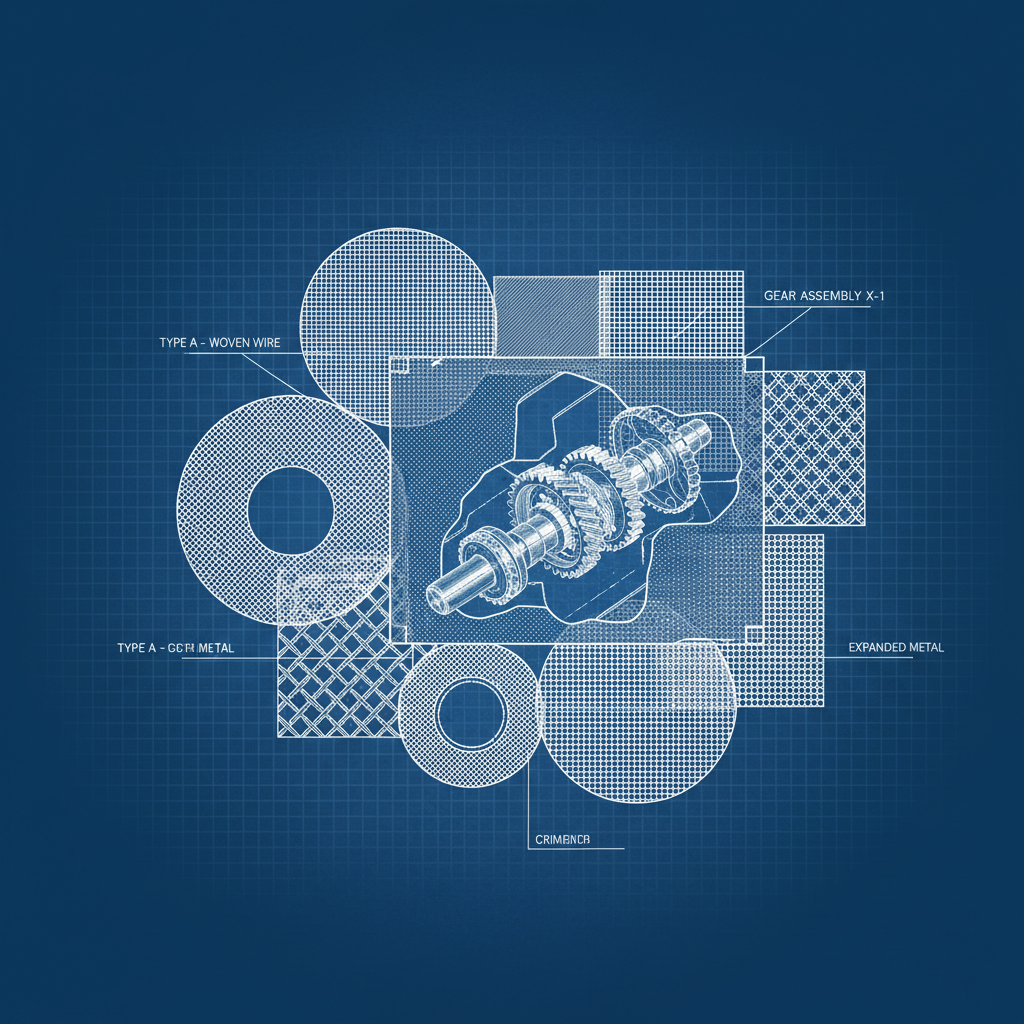
Then you've got your woven wire mesh. Dutch weave, plain weave, twill weave… each one has its own characteristics. Dutch weave is good for catching very fine particles, but it's also more prone to clogging. Plain weave is more robust. And don’t forget about the mesh count. Higher mesh count means smaller openings, but also lower flow rate. You gotta balance it all out. You can tell a good mesh just by looking at it, the tightness of the weave, the consistency of the wire diameter. Cheap mesh feels flimsy, and it’ll tear up quickly.
And don't discount polymers! Polypropylene, PTFE… great for certain applications, especially where corrosion is a huge issue. They don't have the strength of metal, but they can handle some nasty chemicals. Later... Forget it, I won’t mention the time someone tried to use PVC for a high-temperature application.
Real-World Testing of Basket Filter Manufacturer
Lab tests are fine, but they don't tell the whole story. I've seen filters pass all the lab tests and still fail miserably in the field. That's why we do our own testing, on-site. We’ll take a filter, hook it up to the actual process stream, and run it for a week, monitoring the pressure drop, flow rate, and contaminant levels.
We also do "shock testing". We’ll suddenly increase the flow rate or introduce a surge of contaminants to see how the filter responds. Can it handle the unexpected? Will it rupture? That's the stuff you don't find in a lab report.
Basket Filter Manufacturer Performance Metrics
How Users Actually Interact with Basket Filter Manufacturer
You know, designers always think people are going to operate these things perfectly. They’ll draw up these fancy manuals, with step-by-step instructions for cleaning and maintenance. But in reality? Guys are using screwdrivers to pry stuck baskets loose, spraying down everything with a garden hose, and hoping for the best.
That’s why ease of access is so critical. Can you get to the basket quickly and easily? Is it easy to remove and clean? If it’s a pain in the neck, they’re not going to do it properly. And then you've got problems.
Advantages and Disadvantages of Modern Basket Filter Manufacturer
The advantages are pretty clear: high flow rate, large dirt-holding capacity, relatively low maintenance. They're good for handling high solids loads, which is why they're popular in wastewater treatment. Plus, they’re relatively compact for the capacity they provide.
But they're not perfect. They can be prone to clogging if you don’t have the right mesh size. And cleaning can be a pain, especially if the basket is really dirty. Plus, they’re not ideal for applications where you need very high filtration efficiency. You can get better efficiency with cartridge filters or bag filters, but you sacrifice flow rate.
Customization Options for Basket Filter Manufacturer
Almost everything can be customized. Basket material, mesh size, flange connections, pressure ratings… you name it. We had a customer, a small boss in Shenzhen who makes smart home devices, last month. He insisted on changing the interface to because, and I quote, "It's the future!" Looked great on the drawing, but it added a ton of cost and complexity, and almost messed up the whole project. Anyway.
We can also modify the basket shape to optimize flow distribution or accommodate specific contaminants. We did a job for a brewery once where we had to design a custom basket with a conical shape to prevent beer sediment from settling in the corners. It's all about understanding the application and tailoring the filter to the specific needs of the customer.
Key Design Parameters for Basket Filter Manufacturer
| Parameter |
Material |
Mesh Size (μm) |
Typical Application |
| Flow Rate |
316L Stainless Steel |
100 |
Wastewater Treatment |
| Pressure Drop |
Polypropylene |
20 |
Chemical Processing |
| Basket Diameter |
Carbon Steel (Epoxy Coated) |
500 |
Cooling Water Intake |
| Connection Type |
304 Stainless Steel |
10 |
Food & Beverage |
| Basket Material Strength |
Titanium |
5 |
Pharmaceutical |
| Cleaning Cycle Frequency |
PTFE Coated Steel |
150 |
Aggressive Chemical Environments |
FAQS
Honestly, it's about the right mesh size and pre-filtration. You might need a coarse screen upstream to remove the bulk of the solids before they hit the basket. Also, consider a backwash system if the application allows. A little preventative maintenance goes a long way, trust me.
Definitely avoid carbon steel. It'll corrode like crazy. 316L stainless is a good starting point, but for really aggressive chemicals, you need to look at more exotic alloys like Hastelloy or titanium. Or, you could switch to a polymeric basket, like polypropylene or PTFE, depending on the temperature and pressure.
It depends on the application. But as a general rule, inspect it at least every six months, or more frequently if you're dealing with abrasive materials. Look for tears, holes, or excessive wear. A damaged basket is a useless basket.
Big impact. High differential pressure means the basket is clogging up, reducing flow rate and potentially damaging the filter. You need a DP gauge to monitor it, and a bypass valve to relieve the pressure if it gets too high. Ignoring DP is just asking for trouble.
Generally, yes, but you need to consider the pressure and temperature ratings. Gas filtration requires a more robust basket and a tighter seal to prevent leakage. You’ll also need to choose a material that’s compatible with the gas being filtered.
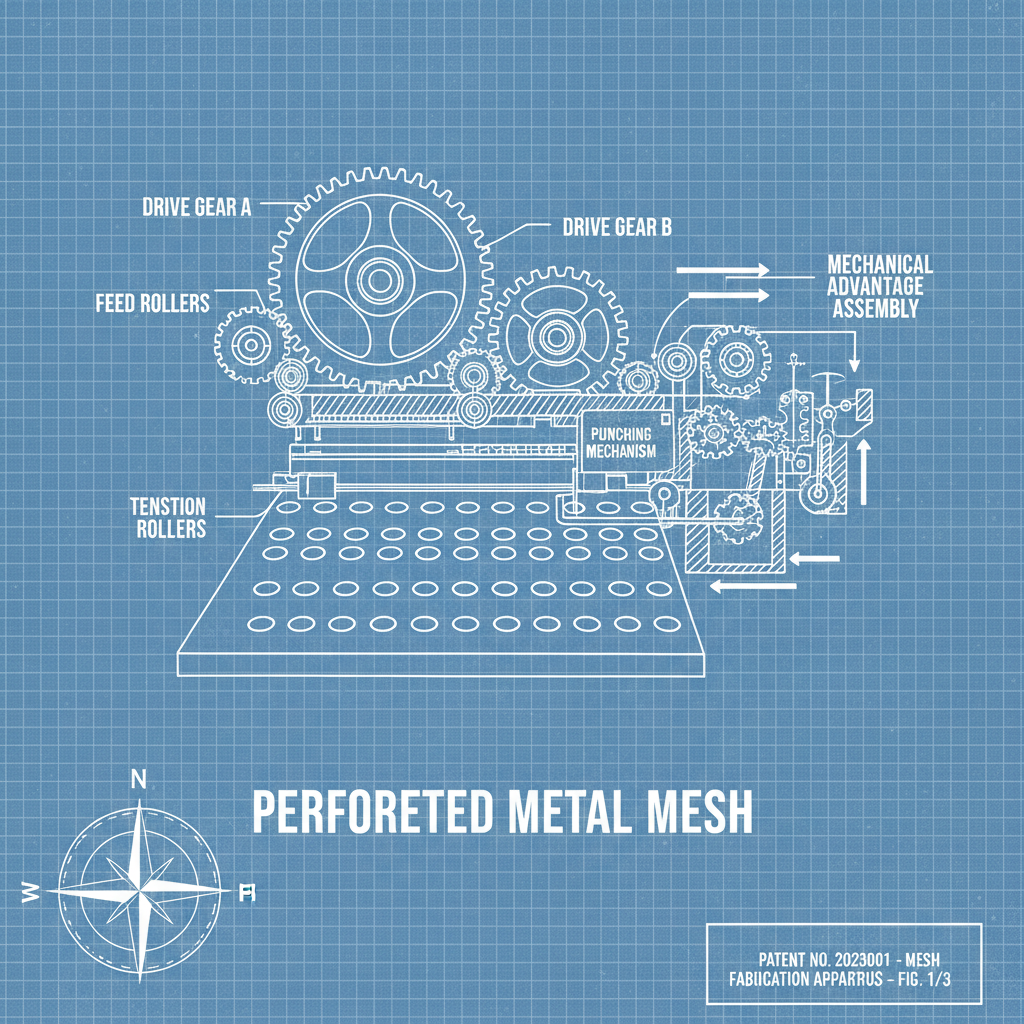
Woven wire provides a more uniform filtration surface and can capture finer particles. Perforated plates are more robust and can handle higher flow rates, but they’re less effective at removing fine contaminants. The choice depends on your specific needs.
Conclusion
So, where does all this leave us? Basket filter manufacturer has come a long way from those clunky cast iron strainers. It's now a sophisticated technology with a wide range of applications. Choosing the right materials, mesh size, and design is critical for ensuring optimal performance and longevity.
Ultimately, whether this thing works or not, the worker will know the moment he tightens the screw. It's about understanding the process, paying attention to the details, and not getting fooled by fancy marketing. If you need robust, reliable filtration, and you’re willing to do your homework, a properly designed basket filter is still one of the best options out there. And if you're looking for a basket filter manufacturer, you know where to find us.