Metal mesh types represent a crucial component in a surprisingly diverse range of industries and applications, from industrial filtration and architectural facades to advanced aerospace engineering and even innovative construction techniques. Understanding the intricacies of these materials – their composition, weave patterns, and resulting properties – is paramount for engineers, architects, and manufacturers aiming to optimize performance, durability, and cost-effectiveness. The global demand for high-quality metal mesh is consistently increasing, driven by advancements in technology and a growing need for specialized materials.
The significance of metal mesh types extends far beyond simply acting as a barrier or filter. They are integral to processes that safeguard public health through air and water purification, enhance structural integrity in critical infrastructure, and contribute to the development of cutting-edge technologies. As global challenges like resource scarcity and environmental sustainability intensify, the role of efficiently produced and durable materials, like various metal mesh types, will only become more vital.
Moreover, the ability to tailor metal mesh properties – such as aperture size, wire diameter, and material composition – to specific application requirements offers a unique level of design flexibility. This adaptability fosters innovation and allows for the creation of bespoke solutions that address complex challenges across a wide spectrum of industries, making a detailed understanding of metal mesh types essential for modern problem-solving.
Introduction to metal mesh types
Metal mesh types encompass a broad category of woven, knitted, or otherwise interconnected metal wires, offering a versatile material solution for a multitude of purposes. These materials aren’t simply about filtration; they’re about carefully engineered structures with specific porosity, strength, and conductivity characteristics. The choice of metal, weaving pattern, and wire gauge all significantly influence the final product’s performance and suitability for a given application.
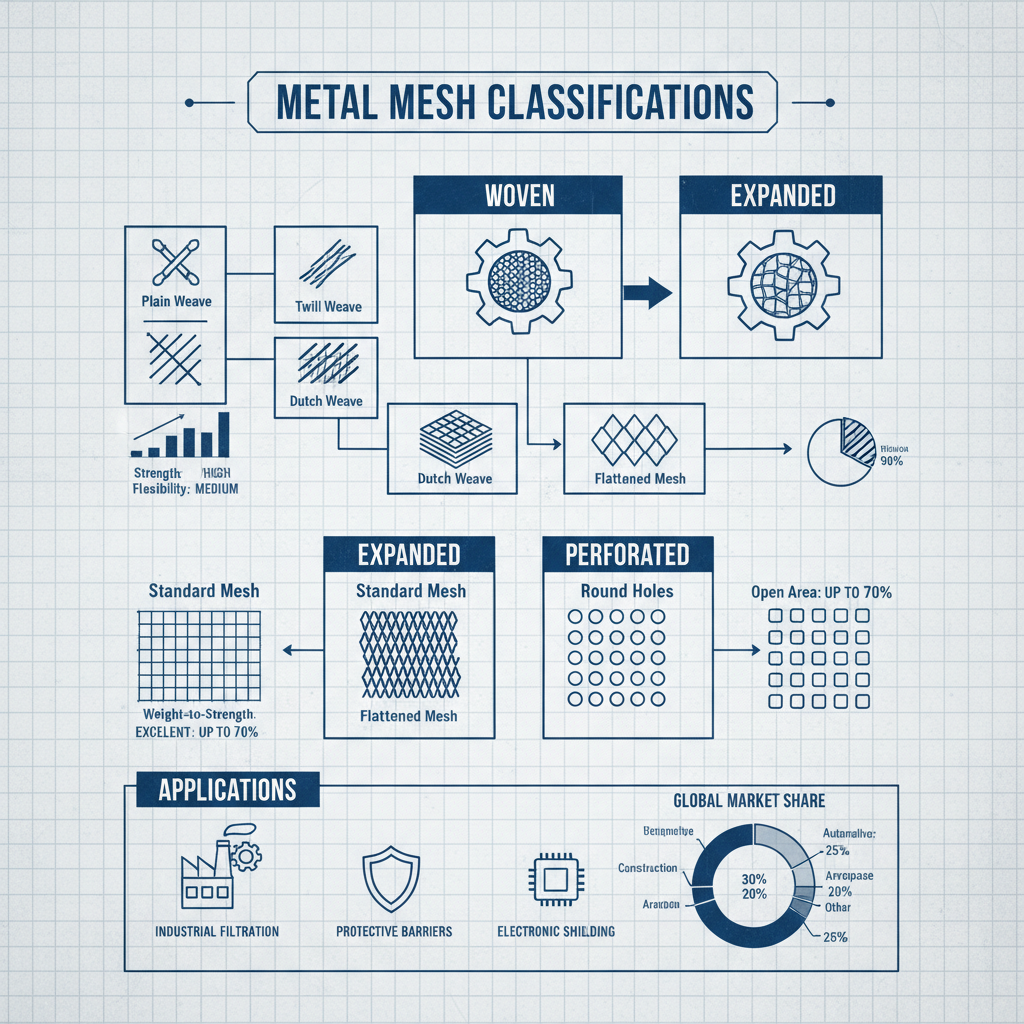
Understanding the different metal mesh types – from stainless steel and aluminum to titanium and specialized alloys – is crucial for optimizing performance. Each metal offers distinct advantages in terms of corrosion resistance, temperature tolerance, and mechanical strength, catering to diverse operational environments. This understanding extends to appreciating the subtle nuances of weave patterns, such as plain weave, twill weave, and Dutch weave, each impacting flow rates, particle retention, and overall structural integrity.
Defining Metal Mesh Types
Metal mesh types, at their core, are defined by the method of their creation and the material used. They represent a structured network of metallic strands, interlocked to create a porous material. This porosity is often the defining characteristic, controlling the passage of fluids, gases, or solids. While traditionally woven, modern manufacturing processes also include knitted, welded, and expanded metal mesh options, each catering to specific performance requirements.
The connection to modern industry is inextricable. From the filtration systems purifying our water supply to the electromagnetic shielding protecting sensitive electronics, metal mesh is a fundamental building block. Humanitarian applications are equally significant; durable and easily deployable metal mesh structures contribute to rapid shelter construction in disaster zones, providing safe and secure housing.
Crucially, the term “metal mesh types” isn’t a monolithic category. It’s a family of materials, each possessing unique characteristics designed to meet specific demands. Consider the difference between a fine stainless steel mesh used in medical implants and a robust, heavy-gauge steel mesh reinforcing concrete structures – both are metal meshes, but their applications and properties diverge dramatically.
Core Properties of metal mesh types
Durability is a primary characteristic. Metal meshes, particularly those constructed from stainless steel or titanium, exhibit exceptional resistance to corrosion, wear, and tear. This longevity translates to reduced maintenance costs and extended operational lifespan, making them ideal for demanding environments. Scalability represents another core property, as metal mesh can be readily manufactured in a wide range of sizes and configurations, adapting to diverse application needs.
Cost efficiency is often a surprising benefit. While specialized alloys can be expensive, many metal mesh applications utilize readily available materials like stainless steel or aluminum, providing a cost-effective solution compared to alternative materials. Additionally, the lightweight nature of many metal meshes contributes to reduced transportation and installation costs.
Finally, permeability is central to many applications. The precisely controlled pore size of metal mesh dictates its ability to filter, separate, or allow the passage of specific substances. This characteristic is tunable during manufacturing, making metal mesh a versatile material for a wide array of industrial and scientific processes. The strength-to-weight ratio of many metal mesh types is also highly advantageous, offering structural support without excessive bulk.
Practical Applications of metal mesh types
Metal mesh types find application across a vast spectrum of industries. In the aerospace sector, they serve as critical components in engine filters, reducing particulate matter and enhancing engine performance. The automotive industry leverages metal mesh for exhaust system filters, catalytic converters, and noise reduction materials.
In post-disaster relief operations, rapidly deployable shelters constructed with metal mesh framing offer robust and safe housing solutions for affected populations. Similarly, in remote industrial zones, metal mesh provides essential safety barriers, ventilation systems, and filtration solutions where access to conventional materials is limited.
Metal Mesh Types - Performance Comparison
Global Impact and Benefits
The tangible benefits of metal mesh types are numerous. Reduced operational costs, stemming from durability and minimized maintenance, contribute to improved profitability across industries. Sustainable practices are also facilitated through the recyclability of many metal meshes and their contribution to more efficient filtration processes.
From a social impact perspective, metal mesh provides solutions for clean water access, safe housing, and improved healthcare facilities. The emotional reassurance of safety and the dignity of secure shelter are indirect yet profound benefits. The inherent reliability of metal mesh builds trust in the systems and structures it supports, fostering innovation and long-term resilience.
Advantages of Utilizing metal mesh types
The consistent and reliable performance of metal mesh types is a significant advantage. Unlike organic materials, metal meshes are less susceptible to degradation from environmental factors, ensuring consistent functionality over extended periods. Their ability to be precisely engineered for specific applications maximizes efficiency and minimizes waste, contributing to resource conservation.
The adaptability of metal mesh also provides a competitive edge. Manufacturers can quickly adjust material composition, weave patterns, and aperture sizes to meet evolving customer demands. This flexibility positions them to respond effectively to market changes and maintain a leading position in their respective industries.
Furthermore, the relative ease of fabrication and installation compared to other structural materials contributes to overall project cost savings. This simplicity streamlines manufacturing processes and reduces the need for specialized labor, further enhancing the economic benefits of utilizing metal mesh types.
Future Trends in metal mesh types
The future of metal mesh types is closely tied to advancements in materials science and manufacturing technologies. The development of self-healing metal alloys promises to further extend the lifespan and durability of these materials. Integration with nanotechnology could lead to the creation of metal meshes with enhanced filtration capabilities and tailored surface properties.
The increasing focus on green energy is driving demand for metal mesh in applications such as fuel cell technology and battery components. Digital transformation and automation are streamlining manufacturing processes, enabling the production of more complex and customized metal mesh structures. Sustainability initiatives are promoting the use of recycled metals and the development of biodegradable coatings for metal meshes, reducing their environmental footprint.
Expect to see more widespread adoption of additive manufacturing (3D printing) for metal mesh production, allowing for the creation of intricate geometries and customized designs previously unattainable with traditional methods. This will unlock new possibilities for innovation across a diverse range of industries.
Overview of Common Challenges and Proposed Solutions in metal mesh types Manufacturing
| Challenge |
Impact on Production |
Potential Solutions |
Implementation Cost (1-10) |
| High Raw Material Costs |
Reduced Profit Margins |
Utilize Recycled Metals, Negotiate Supplier Contracts |
4 |
| Maintaining Consistent Mesh Quality |
Product Defects, Customer Dissatisfaction |
Implement Advanced Quality Control Systems, Automated Inspection |
7 |
| Limited Design Flexibility |
Inability to Meet Specific Customer Needs |
Adopt Additive Manufacturing Techniques (3D Printing) |
9 |
| Slow Production Speeds |
Difficulty Meeting High-Volume Orders |
Invest in High-Speed Automated Weaving/Knitting Machines |
8 |
| Waste Generation |
Increased Environmental Impact, Higher Costs |
Optimize Cutting Processes, Implement Waste Recycling Programs |
5 |
| Skilled Labor Shortage |
Difficulty Finding Qualified Operators |
Invest in Training Programs, Automate Complex Tasks |
6 |
FAQS
Stainless steel (304, 316L) is prevalent due to its corrosion resistance and strength. Aluminum alloys offer lightweight solutions, while titanium alloys provide exceptional strength-to-weight ratios and biocompatibility. Nickel alloys are used for high-temperature applications, and copper alloys offer excellent conductivity. The choice depends on the specific application requirements regarding corrosion resistance, temperature tolerance, and mechanical properties.
Weave pattern dramatically impacts permeability. Plain weaves offer moderate flow resistance, ideal for general filtration. Twill weaves provide tighter structures with reduced permeability. Dutch weaves have varying wire diameters, creating a dense surface layer for fine particle retention while maintaining good overall flow. The aperture size (opening between wires) also plays a crucial role; smaller apertures restrict flow more significantly.
For high-temperature environments, consider the metal’s melting point, oxidation resistance, and creep resistance. Nickel alloys and certain stainless steel alloys (like 310S) are often preferred for their high-temperature stability. The weave pattern should minimize thermal stresses. Proper coating or surface treatment can also enhance oxidation resistance and prolong the mesh's lifespan in harsh conditions.
Absolutely. The shielding effectiveness of metal mesh depends on the material’s conductivity and the aperture size. Smaller apertures and highly conductive materials (like copper or nickel) provide better shielding. Mesh can be customized to meet specific frequency ranges and attenuation levels. The mesh’s weave pattern and thickness also influence shielding performance. Proper grounding is crucial for optimal shielding effectiveness.
Lead times vary depending on the complexity of the order, the material required, and current production schedules. Standard mesh types are typically available within 1-2 weeks. Custom orders, especially those involving specialized alloys or intricate weaves, can take 4-8 weeks or longer. Providing detailed specifications and collaborating closely with the manufacturer can help expedite the process.
Common finishes include passivation for stainless steel to enhance corrosion resistance, coating with polymers or ceramics for improved wear resistance or electrical insulation, and electroplating for aesthetic or functional purposes. Surface treatments like polishing or deburring can also improve the mesh's performance and appearance. The choice of finish depends on the application and desired properties.
Conclusion
Metal mesh types represent a foundational material across a remarkably diverse range of industries. Their adaptability, durability, and cost-effectiveness make them invaluable for applications ranging from filtration and separation to structural reinforcement and electromagnetic shielding. Understanding the intricacies of material selection, weave patterns, and manufacturing processes is crucial for maximizing the benefits of these versatile materials.
Looking ahead, continued innovation in materials science and manufacturing technologies will unlock new possibilities for metal mesh applications. Embracing sustainable practices, such as utilizing recycled materials and optimizing production processes, will further enhance their environmental profile. For detailed insights into specific metal mesh types and their potential for your applications, visit our website today.