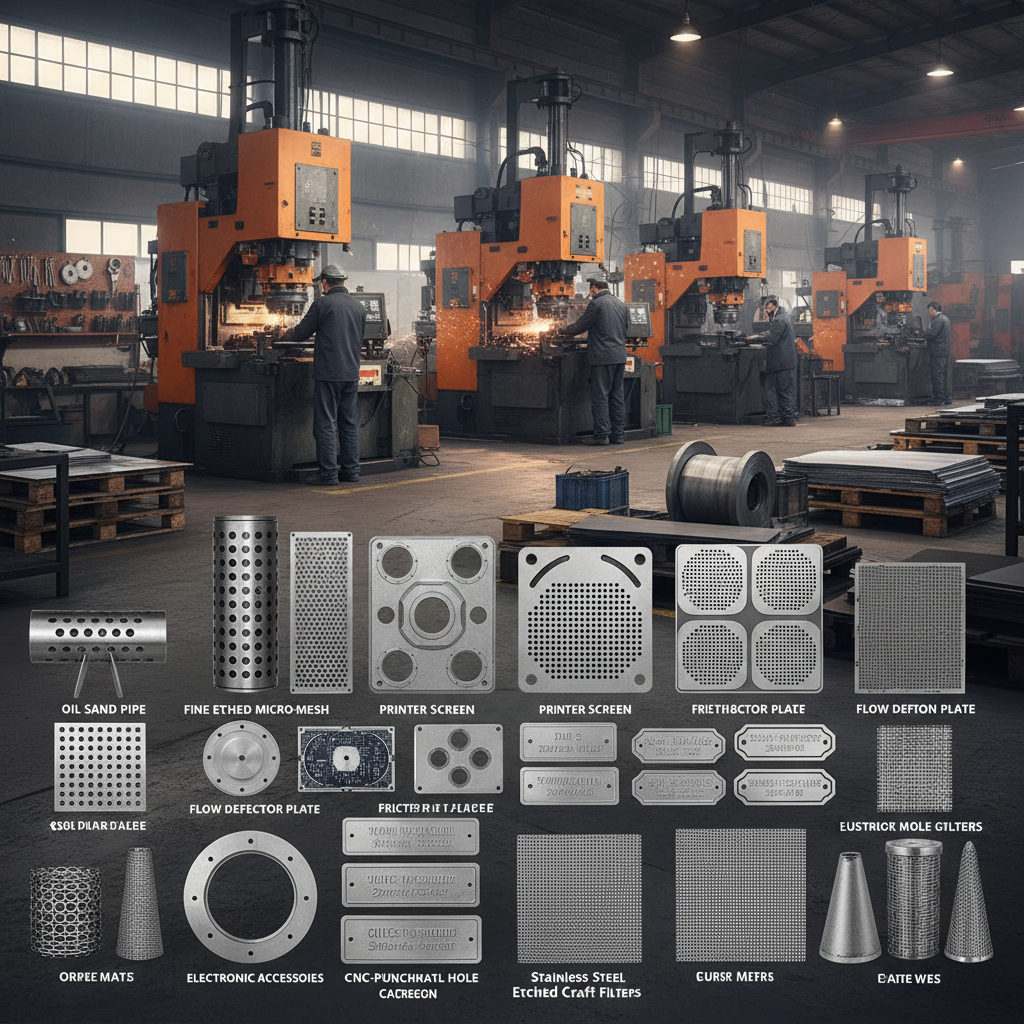
Honestly, the whole metal mesh manufacturer scene… it’s been wild the last couple of years. Everyone's chasing higher strength-to-weight ratios, you know? Seems like yesterday we were all happy with just stainless steel, now it's titanium alloys, nickel-chromium blends... it's a constant arms race. And it's not just aerospace anymore, it’s everything – automotive, filtration, even architecture. The demand is crazy, but the quality control? That’s where things get tricky.
Have you noticed how everyone’s talking about 'precision weaving' now? Sounds fancy, right? But what it really means is tighter tolerances, more complex machinery, and a whole lot more potential for things to go wrong. I've seen setups where they’re trying to automate too much, too soon. Ends up with a tangled mess and a whole lot of scrapped material. It's about finding the balance.
The biggest thing I've been seeing on sites lately is the shift towards more specialized meshes. It used to be you’d order a roll of stainless steel, and it’d work for 80% of jobs. Now everyone wants something specific – a certain weave pattern, a particular alloy composition, a specific surface treatment. Makes life more interesting, I guess. But also more complicated.
Industry Trends and Design Pitfalls
To be honest, one of the biggest traps I see is designers getting hung up on theoretical performance and forgetting about manufacturability. They’ll specify a weave pattern that looks amazing in a CAD drawing, but it’s a nightmare to actually produce consistently. I encountered this at a filter factory last time – they’d designed a mesh with incredibly fine openings, looked great on paper, but it clogged constantly and took forever to clean. It’s always a trade-off, right?
Strangely, the move towards thinner wires is also causing headaches. It increases the surface area, which is good for filtration, but makes the mesh incredibly fragile. You have to be so careful handling it, and it's prone to deformation during installation. It’s a constant balancing act between performance and practicality.
Material Selection: Beyond Stainless Steel
Everyone thinks stainless steel is the answer, and it is… a lot of the time. 304 is your workhorse, 316 is for corrosive environments. But you've got to understand the nuances. Some stainless steels are magnetic, some aren't. Some are easier to weld than others. And it smells different when you’re cutting it – you can tell a good quality steel by the scent, honestly.
Then you get into titanium – super strong, super lightweight, super expensive. It’s got a completely different feel, almost… springy. And working with it requires special tools and techniques, you can’t just treat it like stainless. Nickel alloys are another story. Heavy, corrosion-resistant, but they can be tricky to form.
I’ve also seen a growing interest in copper meshes, especially for electromagnetic shielding. The feel is… warm. Almost organic. But it tarnishes quickly, so you need a protective coating. Anyway, I think material selection is 80% knowing what the mesh is actually going to be exposed to.
Real-World Testing and Application
Lab tests are fine, but they don’t tell the whole story. I always say, take it to the field. Pressure test it. Subject it to vibrations. Drop it. Get it dirty. That's when you really find out what it can handle. We did a test last year on a new filtration mesh for an oil refinery. Passed all the lab tests with flying colors. But when we installed it on-site, it clogged up within a week because of the impurities in the oil.
You also have to consider how people actually use these things. Sometimes it’s completely different from what the designers intended. I saw a customer using a highly specialized architectural mesh as a chicken coop. A chicken coop! They said it was aesthetically pleasing. Who am I to judge?
And forget about using a pristine, sterilized environment. It's always going to be exposed to dust, grease, corrosion, and just general grime. Designing for that reality is key.
Advantages, Disadvantages, and Customization
The biggest advantage of metal mesh, obviously, is its strength-to-weight ratio. You can get a lot of structural support with very little material. It’s also incredibly versatile – you can tailor the weave pattern, the material, the surface treatment to suit almost any application. But it’s not perfect. It can be expensive, especially for specialized alloys. It can be difficult to manufacture consistently. And it can be susceptible to corrosion if you don’t choose the right material.
Customization is where things get interesting. Last month, a customer wanted a mesh with a specific color – a bright, almost neon green. We had to experiment with different coatings and dyes to get the right shade. It took a few tries, but we nailed it. It was for some art installation, I think.
Metal Mesh Manufacturer Performance Metrics
Customer Story: The Interface Debacle
Last month, that small boss in Shenzhen who makes smart home devices – Mr. Li, a real go-getter – insisted on changing the interface on a new sensor housing to . Said it was more "modern." We warned him that the existing micro-USB port was perfectly adequate and that switching to would require a complete redesign of the housing and sourcing new, more expensive connectors. He wouldn't listen.
He wanted it done within a week. We pulled some strings, got the parts expedited, and managed to get the housings produced. But the connectors were slightly wider than the micro-USB ones, and they didn’t quite fit the existing circuit board. It took another two weeks of rework and redesign to get it right. Cost him a fortune, delayed the launch, and nearly broke him. He finally admitted we were right, but hey, live and learn, right?
Performance Metrics: A Rough Guide
There's no single magic number, but here's a quick rundown of what I look at. Tensile strength, obviously. That tells you how much force the mesh can withstand before breaking. Then you’ve got elongation – how much it can stretch before it breaks. Permeability is crucial for filtration applications. And corrosion resistance – measured in hours to rust. It all depends on the application, of course.
I generally trust my gut more than the numbers, though. If it feels flimsy, it probably is. If it's hard to work with, it's probably a bad design. You develop a feel for these things after years on the job.
Really, you want a mesh that's tough enough to get the job done without being a nightmare to install.
Quick and Dirty Mesh Performance Breakdown
| Mesh Type |
Tensile Strength (MPa) |
Corrosion Resistance (Hours) |
Ease of Fabrication (1-5) |
| Stainless Steel 304 |
500-700 |
500 |
4 |
| Stainless Steel 316 |
550-750 |
1000 |
3 |
| Titanium Alloy |
900-1100 |
2000 |
2 |
| Nickel Alloy |
600-800 |
1500 |
1 |
| Copper Mesh |
400-600 |
200 |
5 |
| Aluminum Mesh |
300-500 |
300 |
4 |
FAQS
Honestly, it's not considering the environment. They focus on the strength and forget about corrosion, temperature, exposure to chemicals… You need to know exactly what the mesh is going to be up against. I've seen too many projects fail because of that one oversight.
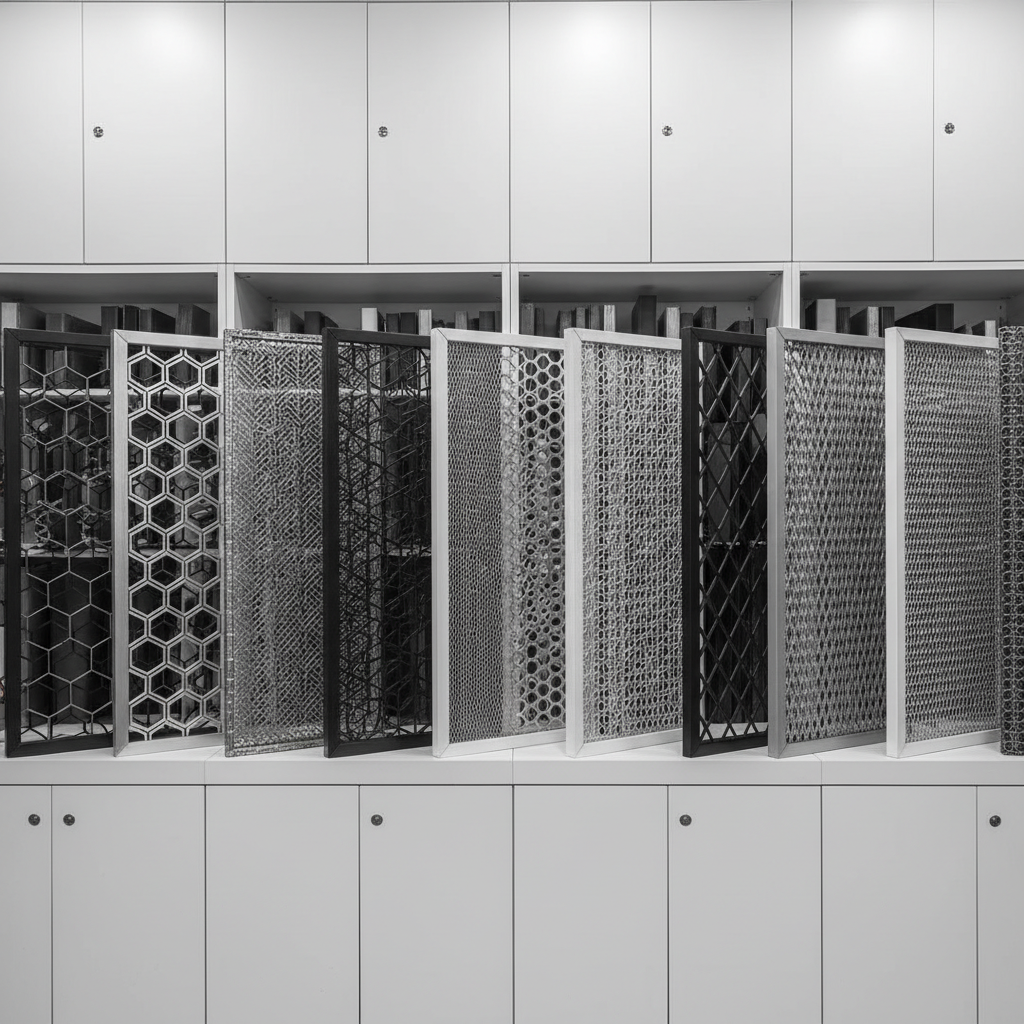
It's huge. The weave pattern dictates everything – permeability, strength, flexibility. A plain weave is your basic workhorse, but a Dutch weave offers better filtration. A twill weave is more flexible. You’ve got to pick the right pattern for the job. It's not just about how it looks.
Absolutely. Most metal meshes are highly recyclable. Stainless steel, aluminum, titanium… they can all be melted down and reused. It’s becoming increasingly important, especially with the push for sustainability. We actually work with a company that specializes in metal mesh recycling.
Depends. If it’s a simple modification to an existing weave, a couple of weeks. If it's a completely custom design, could be six to eight weeks, or even longer. It’s all about sourcing the materials and setting up the machinery. You’ve gotta plan ahead.
Nope. There’s no silver bullet. Every application is different. That’s why you need to talk to someone who knows their stuff, someone who’s been on the ground, dealing with the real-world challenges. Don't just go with the cheapest option. You'll regret it.
Choosing the right alloy is the first step. 316 stainless steel is a good start. But sometimes you need to go further – coatings, surface treatments, even cathodic protection. It depends on the severity of the environment. And regular maintenance is key. You can’t just install it and forget about it.
Conclusion
So, there you have it. Metal mesh manufacturers… it's a complex world, full of trade-offs and hidden pitfalls. It's about understanding the materials, the applications, the manufacturing processes, and the real-world challenges. It's not just about specs on a datasheet, it's about getting your hands dirty and seeing what works and what doesn't.
Ultimately, whether this thing works or not, the worker will know the moment he tightens the screw. If it feels right, it probably is. If it feels flimsy or awkward… well, you probably should have chosen a different mesh. If you're looking for high-quality metal mesh solutions, feel free to visit our website: tomaifilter.com.