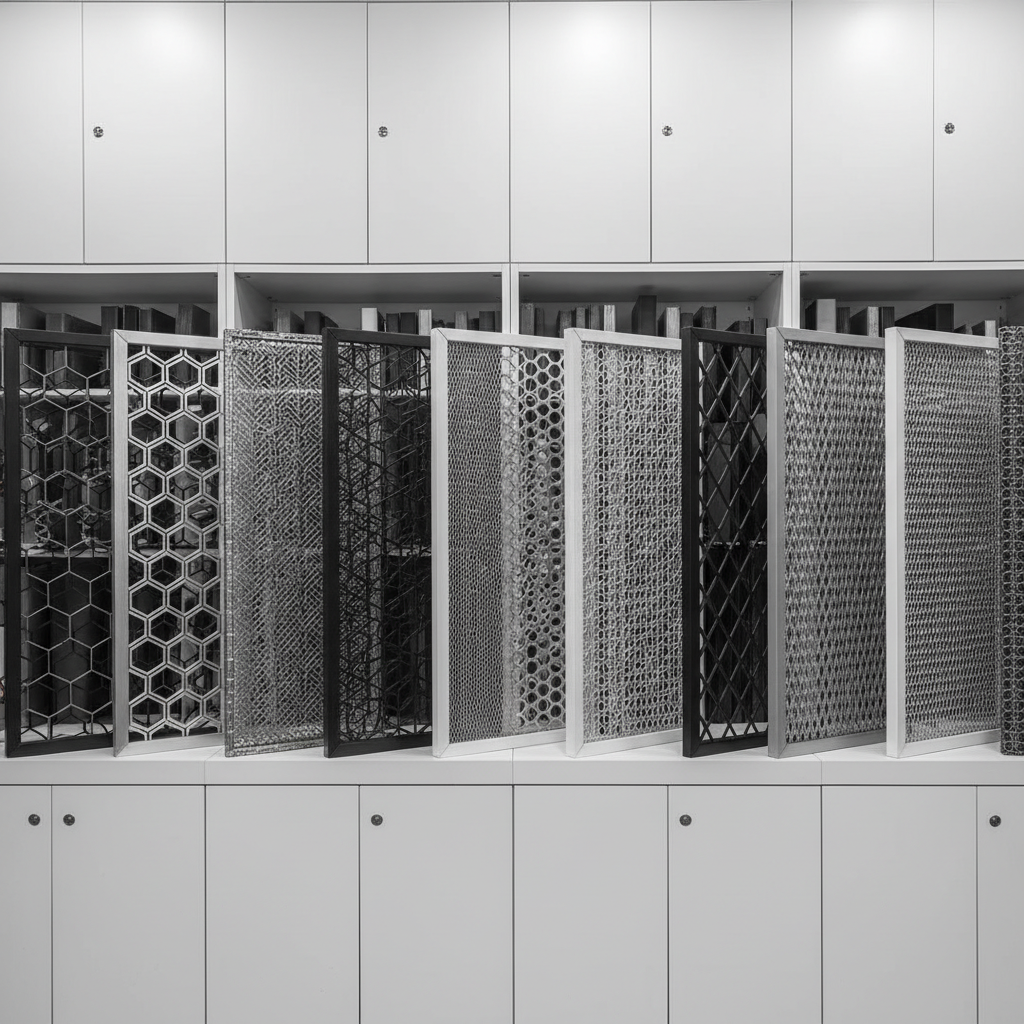
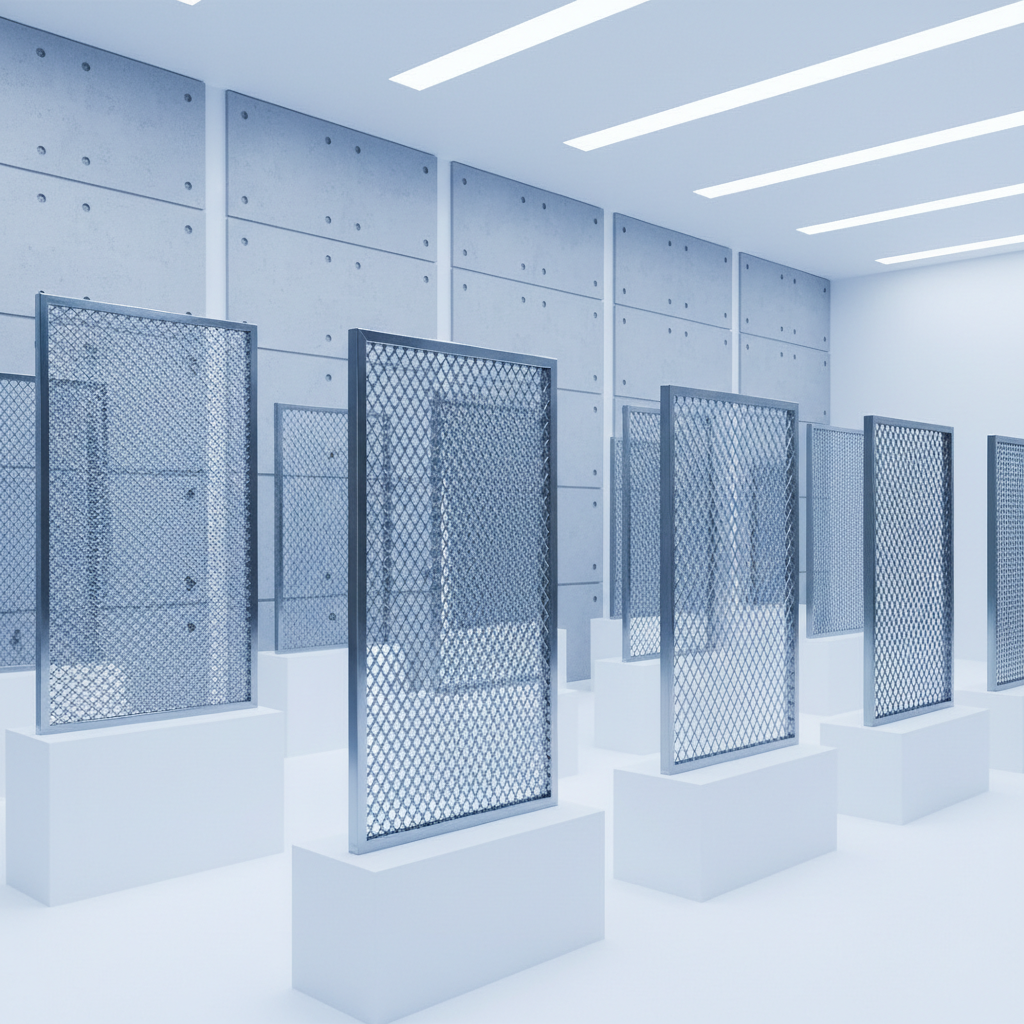
Expanded metal mesh, in its diverse types of expanded metal mesh, represents a fundamental building block across numerous industries. From architectural facades and security fencing to filtration systems and industrial flooring, its versatility stems from a unique manufacturing process that stretches metal sheets into a diamond or patterned configuration. This process maintains a high open area while providing strength and rigidity, making it a cost-effective and durable material solution. Understanding the different types of expanded metal mesh is critical for engineers, architects, and procurement professionals seeking optimal performance for specific applications.
The global demand for expanded metal mesh is driven by several factors including infrastructure development, industrial growth, and increasing safety and security concerns. Regions experiencing rapid urbanization, such as Asia-Pacific and the Middle East, represent significant markets. According to industry reports, the expanded metal market is projected to continue its growth trajectory, fueled by innovations in materials and manufacturing techniques. However, challenges remain, including fluctuating raw material prices and the need for sustainable production practices. Addressing these challenges is crucial to ensuring the long-term viability and responsible use of this valuable material.
Ultimately, the efficient and effective use of types of expanded metal mesh addresses critical needs across a wide spectrum of applications, ranging from essential infrastructure to specialized industrial processes. Its inherent properties, combined with its adaptability, position it as a cornerstone material in modern construction and manufacturing, impacting everything from public safety to process optimization.
The Definition and Manufacturing of types of expanded metal mesh
Types of expanded metal mesh are created by simultaneously slitting and stretching a metal sheet, resulting in a rigid, one-piece panel with diamond-shaped openings. Unlike woven wire mesh, expanded metal doesn't require welding or joining, enhancing its structural integrity. The process allows for a variety of patterns, mesh sizes, and metal thicknesses, catering to diverse application requirements. The key distinction lies in the stretching process; the metal is expanded, not woven, preserving its overall strength.
This manufacturing process offers significant advantages in terms of material utilization and production efficiency. The minimal waste generation aligns with sustainable manufacturing principles, making it an environmentally conscious choice compared to some alternative materials. Different expansion ratios and die designs contribute to a wide range of mesh characteristics, allowing manufacturers to tailor the product to specific customer needs. The resulting expanded metal offers a compelling blend of strength, durability, and cost-effectiveness.
Core Properties Defining Expanded Metal Mesh Performance
Several key properties define the performance characteristics of types of expanded metal mesh. First, its high strength-to-weight ratio provides robust structural support with minimal material. Second, the open area percentage dictates its permeability for air, light, or fluids, crucial for applications like filters or ventilation systems. Third, the mesh size, determined by the slit and stretch process, directly impacts the panel’s load-bearing capacity and the size of objects that can pass through it. Finally, the metal’s ductility and hardness contribute to the mesh's overall durability and resistance to deformation.
Understanding these properties is critical when selecting the appropriate mesh for a given application. For example, a higher tensile strength is essential for security fencing, while a larger open area is preferred for architectural cladding that requires natural ventilation. The interplay of these properties allows engineers and designers to optimize mesh performance based on specific project requirements. Careful consideration of these factors ensures the long-term functionality and reliability of the installed system.
The consistent and predictable nature of these properties makes expanded metal mesh a reliable material for critical applications where performance is paramount. This reliability translates to reduced maintenance costs and increased lifespan, offering significant long-term benefits to end-users.
Material Composition and its Impact on Mesh Characteristics
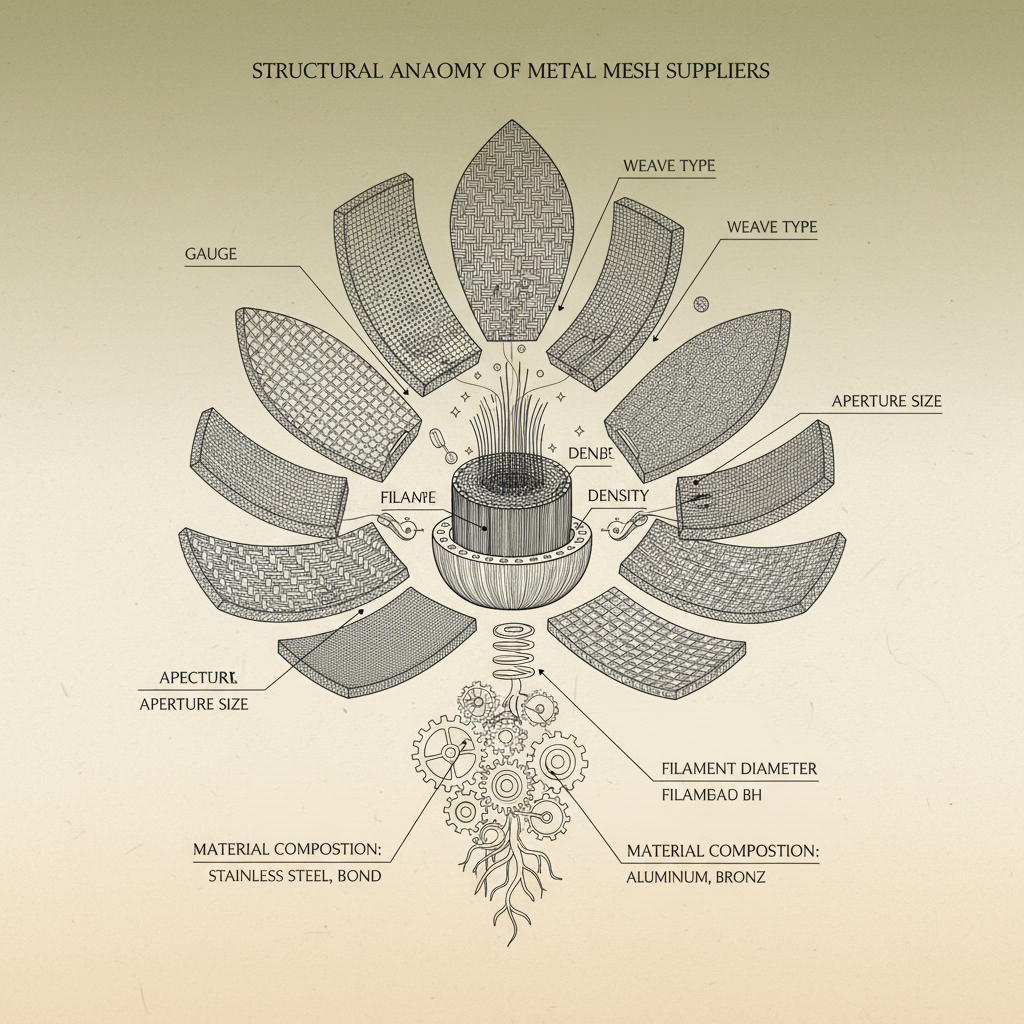
The choice of material significantly impacts the characteristics of types of expanded metal mesh. Carbon steel is the most common material due to its cost-effectiveness and strength. However, stainless steel is often preferred for applications requiring corrosion resistance, such as marine environments or food processing facilities. Aluminum provides a lightweight alternative with excellent corrosion resistance, ideal for architectural applications. Other materials like titanium and specialty alloys are utilized in niche applications demanding exceptional strength and durability.
The specific alloy composition further refines the mesh’s properties. For instance, 304 stainless steel offers excellent corrosion resistance in general environments, while 316 stainless steel provides superior resistance to chlorides, making it suitable for coastal applications. Similarly, different grades of aluminum alloys offer varying levels of strength and weldability. Careful material selection ensures the mesh can withstand the specific environmental and operational conditions of its intended use.
Understanding the material properties, including tensile strength, yield strength, corrosion resistance, and thermal expansion, is paramount to ensuring optimal performance. Furthermore, compliance with relevant industry standards and certifications, such as ASTM specifications, is essential for quality control and assurance.
Cost-Benefit Analysis of Various types of expanded metal mesh
Evaluating the cost-benefit ratio of different types of expanded metal mesh requires considering not only the initial material cost but also factors like installation, maintenance, and lifespan. While carbon steel is generally the most affordable option, its susceptibility to corrosion may necessitate more frequent maintenance and replacement. Stainless steel, although more expensive upfront, often proves more cost-effective over the long term due to its superior durability and reduced maintenance requirements.
A thorough life-cycle cost analysis should also account for potential downtime and lost productivity associated with material failure. For critical applications where reliability is paramount, investing in a higher-grade material like stainless steel or titanium can yield significant long-term savings. Furthermore, the ease of fabrication and installation can influence overall project costs, making expanded metal a competitive alternative to other materials.
Comparative Cost-Benefit Ratings for Expanded Metal Mesh Types
Global Applications and Industry-Specific Uses
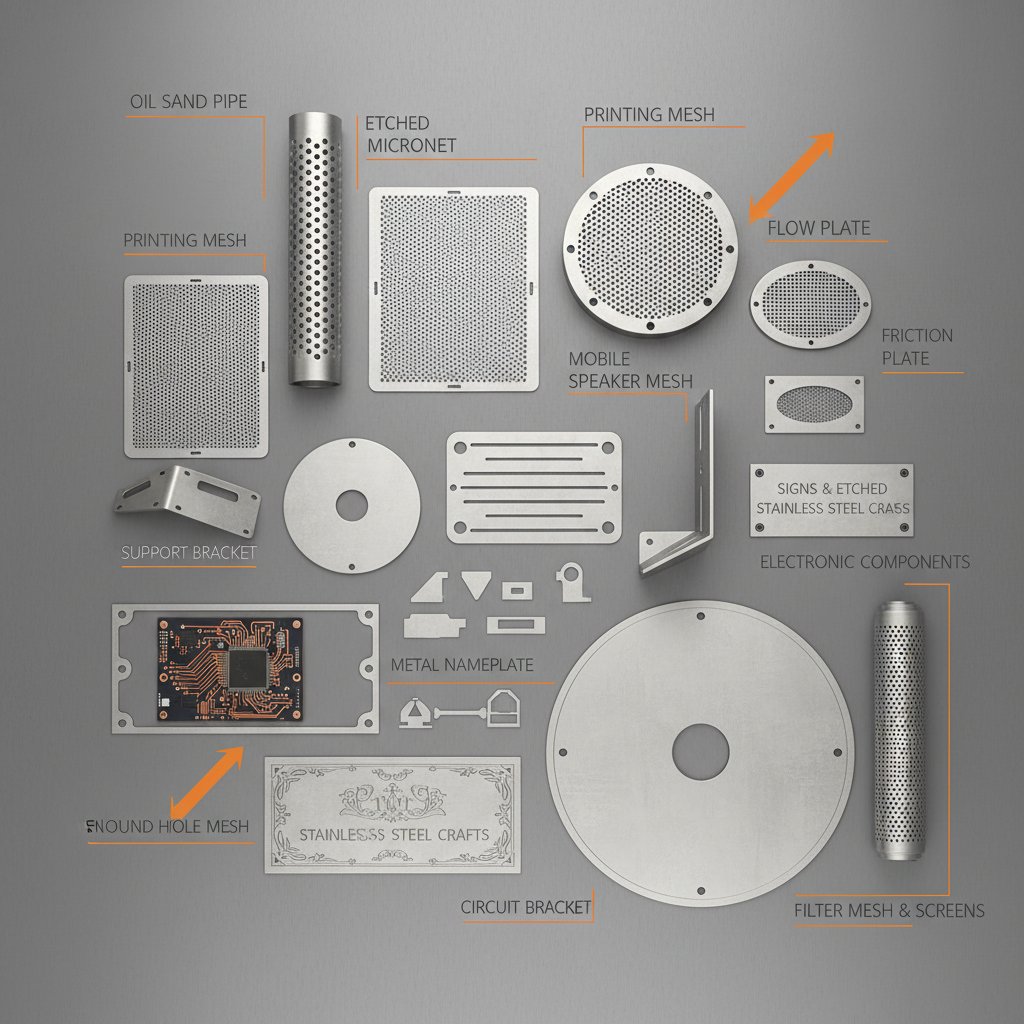
Types of expanded metal mesh find application across a remarkably diverse range of industries. In construction, they serve as reinforcing materials for concrete, cladding for building facades, and protective barriers for windows and skylights. The automotive industry utilizes expanded metal for radiator grilles, speaker grills, and vibration damping components. In the oil and gas sector, it’s employed in filtration systems and safety walkways.
In post-disaster relief operations, rapidly deployable shelters constructed with expanded metal frames offer a durable and cost-effective housing solution. Moreover, the agricultural sector employs it in animal enclosures, greenhouse structures, and ventilation systems. These examples showcase the versatility and adaptability of expanded metal mesh, demonstrating its contribution to various sectors worldwide.
Advantages and Long-Term Value Proposition
The long-term value proposition of types of expanded metal mesh is rooted in its durability, low maintenance requirements, and sustainable characteristics. Its inherent strength and resistance to deformation translate into a long service life, reducing the need for frequent replacements. Furthermore, the open area design facilitates natural ventilation and light transmission, reducing energy consumption in buildings.
From a sustainability perspective, expanded metal manufacturing generates minimal waste, and the material is often recyclable at the end of its life cycle. This aligns with growing environmental concerns and promotes responsible material sourcing. Ultimately, the combination of economic benefits, environmental responsibility, and long-term reliability makes expanded metal mesh a compelling investment for businesses and organizations seeking sustainable solutions.
Future Trends and Emerging Innovations
Several emerging trends are shaping the future of types of expanded metal mesh. The development of new alloys with enhanced corrosion resistance and strength is expanding application possibilities. Advancements in manufacturing technologies, such as laser cutting and automated expansion processes, are improving precision and efficiency. Moreover, the integration of smart materials and sensors into expanded metal structures is enabling the creation of intelligent building facades and structural monitoring systems.
Furthermore, the growing emphasis on sustainable construction is driving demand for eco-friendly materials and manufacturing processes. Expanded metal, with its inherent recyclability and low waste generation, is well-positioned to capitalize on this trend. Ongoing research into innovative applications, such as energy harvesting and thermal regulation, holds the potential to unlock even greater value from this versatile material.
Digital transformation and automation are also influencing the industry, enabling customized mesh designs and streamlined production workflows, ultimately enhancing competitiveness and responsiveness to customer needs.
FAQS
Expanded metal mesh offers superior strength and rigidity due to its one-piece construction, eliminating weld points found in woven wire. This results in a more durable and structurally sound panel, particularly suitable for load-bearing applications. Furthermore, the expansion process retains more of the original metal's strength compared to weaving, and it often proves more cost-effective due to reduced material waste.
The expansion ratio, defined as the ratio of the expanded length to the original length, directly influences the mesh’s open area and strand thickness. A higher expansion ratio creates a larger open area but reduces strand thickness, leading to lower load-bearing capacity. Conversely, a lower expansion ratio results in a smaller open area but increased strand thickness and higher strength. Selecting the appropriate ratio is crucial for balancing these properties to meet specific application requirements.
Yes, expanded metal mesh can be readily customized to various shapes and sizes through cutting, bending, and forming processes. Manufacturers can create panels with specific dimensions, curved surfaces, or complex geometries to fit unique project requirements. Laser cutting is often employed for precise and intricate designs, ensuring accurate and efficient fabrication.
Common coatings applied to expanded metal mesh for corrosion resistance include galvanization (zinc coating), powder coating, and painting. Galvanization provides a sacrificial layer of zinc that protects the underlying steel from corrosion. Powder coating offers a durable and aesthetically pleasing finish with excellent resistance to chemicals and abrasion. Painting provides a cost-effective option for basic corrosion protection.
Yes, stainless steel expanded metal mesh is commonly used in food processing applications due to its hygienic properties, corrosion resistance, and ease of cleaning. Specifically, 304 and 316 stainless steel grades are preferred for their ability to withstand harsh cleaning agents and prevent contamination. The mesh is often used for filters, screens, and conveyor belts in food production facilities.
Determining the appropriate mesh size involves considering the size of objects that need to pass through the mesh, the required load-bearing capacity, and the desired level of ventilation or filtration. A smaller mesh size offers greater strength and finer filtration but reduces open area. Consulting with a manufacturer's engineer is recommended to analyze your specific needs and select the optimal mesh size.
Conclusion
In summary, types of expanded metal mesh represent a versatile and cost-effective material solution with applications spanning numerous industries. From its inherent strength and durability to its adaptability and sustainable characteristics, expanded metal offers compelling advantages over alternative materials. Understanding the different types, properties, and manufacturing processes is crucial for optimizing performance and maximizing long-term value.
Looking ahead, continued innovation in materials, manufacturing technologies, and applications will further expand the role of expanded metal in addressing emerging challenges and driving sustainable development. We encourage you to explore the possibilities of expanded metal for your next project and discover the benefits firsthand. Visit our website at www.tomaifilter.com to learn more.