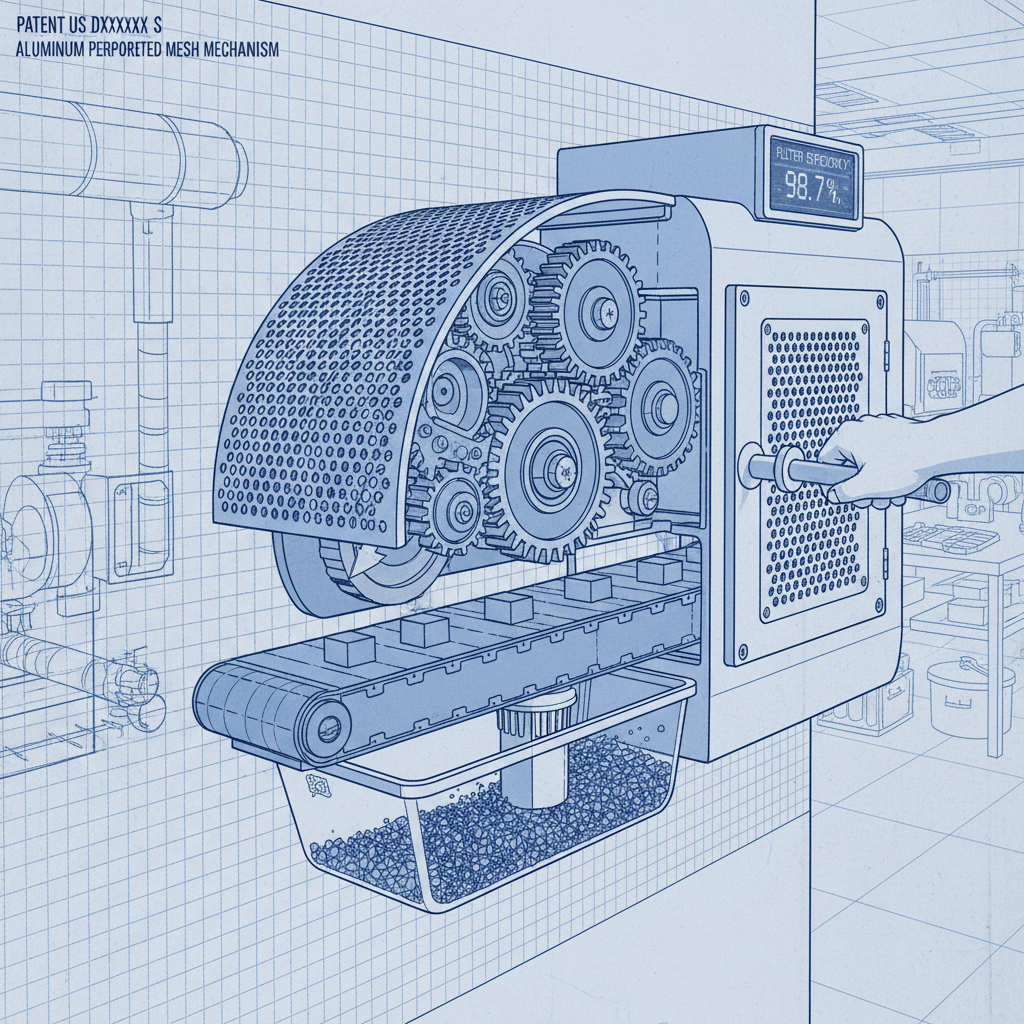
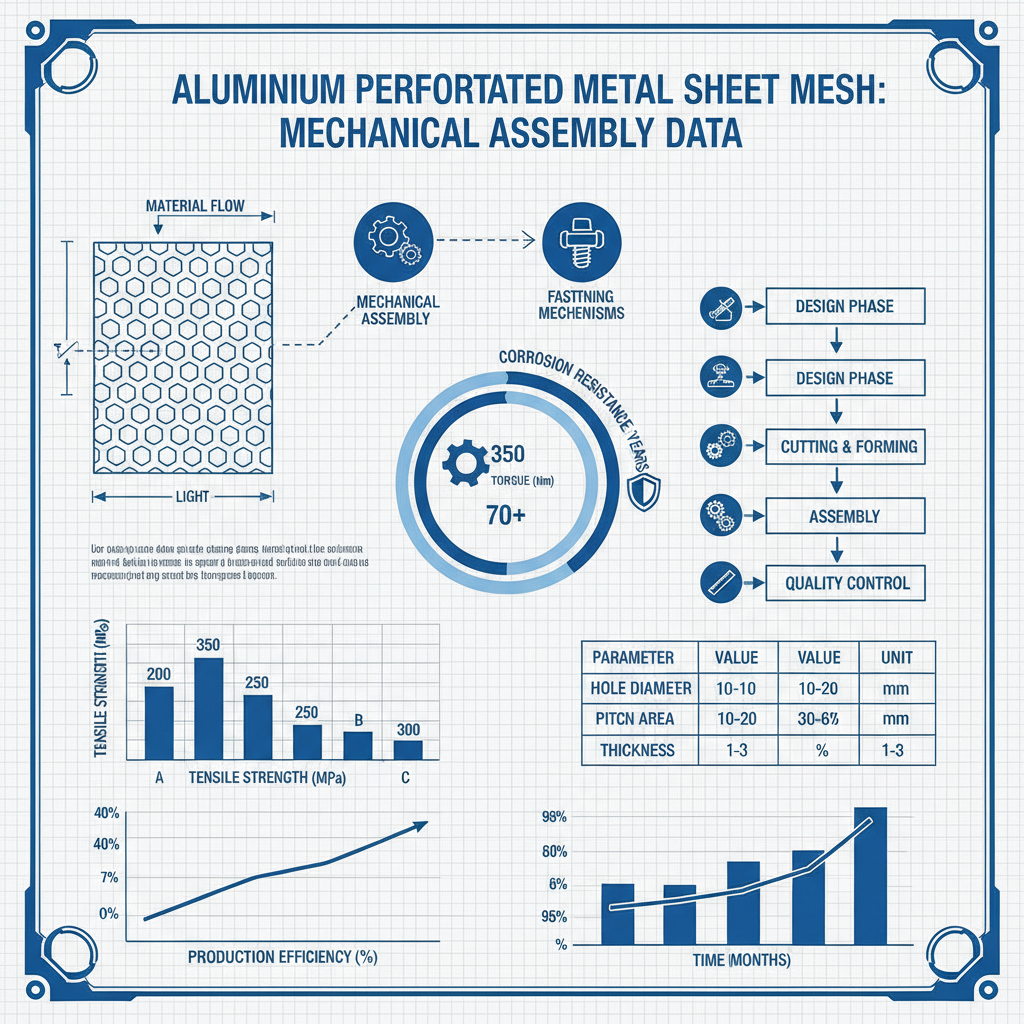
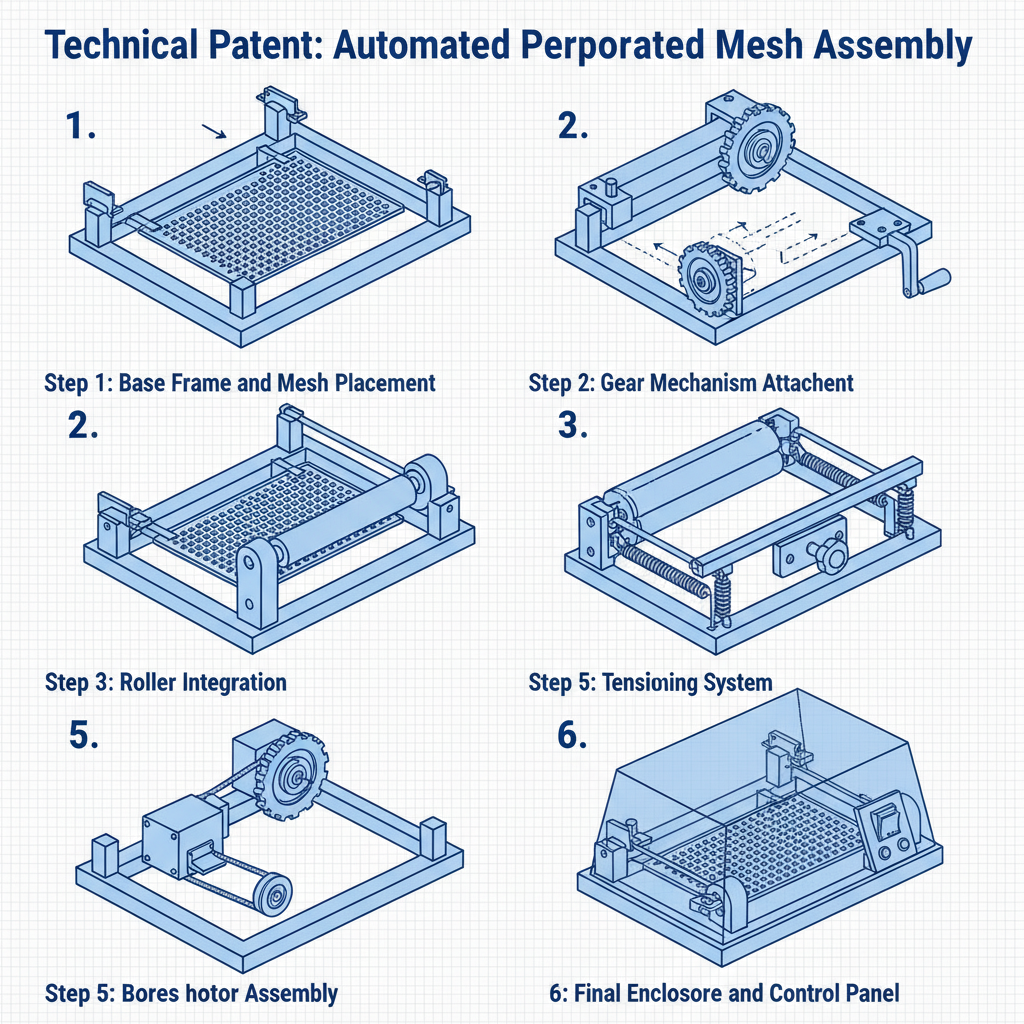
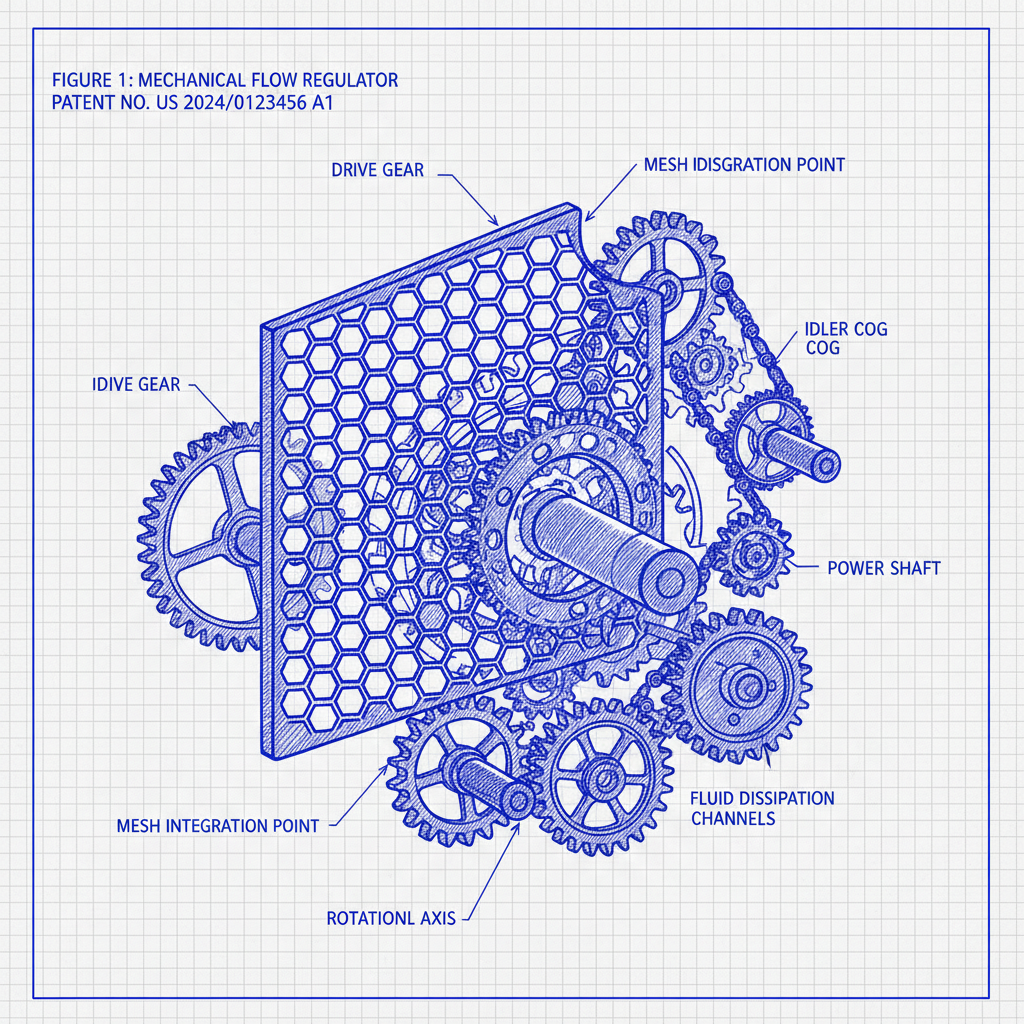
Aluminium perforated metal sheet mesh represents a versatile and increasingly vital material in modern industry and construction. Its unique combination of strength, lightweight properties, and customizable designs makes it applicable across a broad spectrum of sectors, from architectural facades and acoustic panels to filtration systems and safety guards. Understanding the capabilities of this material is crucial for engineers, architects, and manufacturers seeking innovative solutions to a variety of design and functional challenges.
Globally, the demand for aluminium perforated metal sheet mesh is experiencing significant growth, driven by increasing infrastructure development, a rising focus on sustainable building practices, and the need for advanced materials in specialized applications. Market analysis indicates a consistent upward trend, fueled by innovations in manufacturing processes and expanding applications in sectors like renewable energy and transportation. This growth underscores the importance of understanding its properties, manufacturing techniques, and potential applications.
The increasing need for effective sound control, enhanced ventilation, and robust safety measures in both industrial and public spaces is further contributing to the widespread adoption of aluminium perforated metal sheet mesh. It provides a cost-effective and aesthetically pleasing solution, offering a balance between functionality and design.
The Significance of Aluminium Perforated Metal Sheet Mesh
Aluminium perforated metal sheet mesh stands out as a crucial component in numerous industries due to its exceptional versatility and performance characteristics. Beyond its fundamental function of allowing airflow and light transmission while providing structural integrity, it contributes significantly to improved safety, acoustic control, and aesthetic appeal. Its lightweight nature combined with high strength makes it an ideal choice for projects demanding both durability and ease of installation.
The ongoing advancements in perforation techniques and aluminium alloy compositions continue to expand the possibilities for customizing this material to meet specific project requirements. This adaptability positions aluminium perforated metal sheet mesh as a cornerstone in modern design and engineering solutions.
Defining Aluminium Perforated Metal Sheet Mesh
Aluminium perforated metal sheet mesh is a sheet of aluminium that has been precisely patterned with a variety of holes, slots, or other shapes. These perforations are created using various methods, including punching, laser cutting, and etching, resulting in a material that offers a unique combination of open area and solid material. The size, shape, and spacing of the perforations can be customized to achieve specific functional and aesthetic goals.
This material is intrinsically linked to modern industry as it serves as a critical component in sectors ranging from aerospace and automotive to architecture and sound engineering. Its ability to facilitate airflow, filter particles, reduce noise, and provide structural support makes it an essential element in countless applications contributing to efficiency and quality.
In humanitarian contexts, aluminium perforated metal sheet mesh is also proving invaluable, notably in rapid deployment shelters and filtration systems for water purification. Its durability, lightweight nature, and ease of transport make it well-suited to address urgent needs in disaster-stricken areas and developing communities.
Core Characteristics and Properties
The defining characteristics of aluminium perforated metal sheet mesh lie in its blend of inherent properties and customizable features. Aluminium's natural resistance to corrosion, combined with the strategic placement of perforations, results in a material that is both durable and functionally versatile. The density and pattern of perforations directly influence the material’s strength, weight, and permeability.
Crucially, the choice of aluminium alloy impacts the sheet mesh's overall performance. Alloys with higher magnesium content offer enhanced strength, while those with manganese provide better corrosion resistance. The perforations themselves can be designed in a multitude of shapes – round, square, oval, or custom designs – to optimize airflow, filtration, or aesthetic impact.
Furthermore, the sheet’s thickness and the hole diameter significantly affect its structural integrity and load-bearing capacity. Precise control over these parameters allows manufacturers to tailor the mesh to withstand specific stresses and environmental conditions, ensuring long-term reliability and performance.
Key Advantages in Practical Applications
The advantages of using aluminium perforated metal sheet mesh are numerous, spanning cost-effectiveness, design flexibility, and superior performance. Its relatively low weight reduces transportation costs and simplifies installation processes compared to heavier materials like steel. The inherent corrosion resistance of aluminium minimizes the need for protective coatings, further reducing long-term maintenance expenses.
Moreover, the material's malleability enables intricate designs and custom perforations, allowing architects and engineers to achieve unique aesthetic effects and optimize functional performance for specific applications. Aluminium perforated metal sheet mesh effectively bridges the gap between form and function, providing solutions that are both visually appealing and highly efficient.
Perforation Pattern Impact on Sound Absorption
Global Applications and Industry Integration
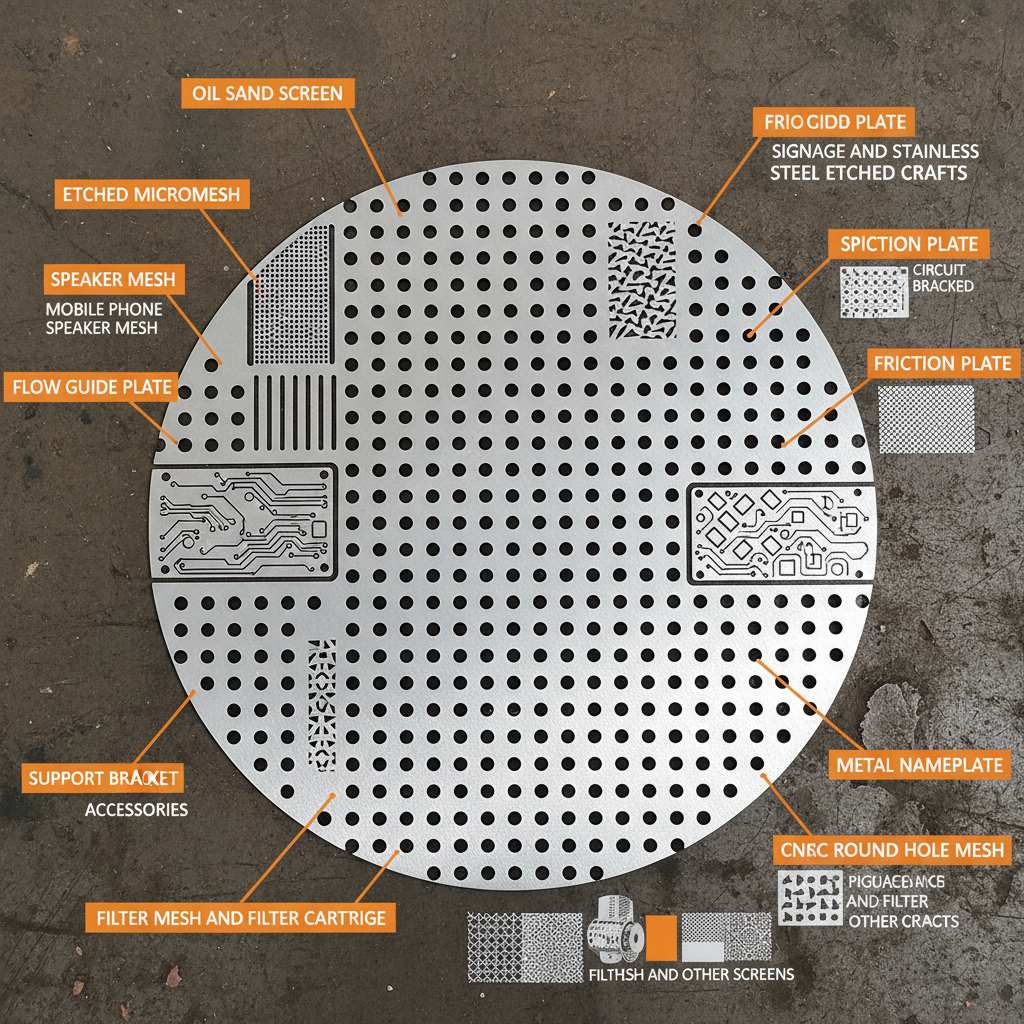
Aluminium perforated metal sheet mesh finds diverse applications globally, impacting numerous sectors. In architecture, it is frequently utilized for facade cladding, sunshades, and decorative screens, offering both aesthetic appeal and functional benefits like shading and ventilation. The construction industry employs it for safety guards, railing infills, and acoustic panels.
Industrially, it is crucial in filtration systems for air and liquids, speaker grilles for sound reinforcement, and machine guarding for safety. In remote industrial zones, its durability and low maintenance are particularly valuable. In post-disaster relief operations, it’s used in rapid shelter construction and water filtration systems. The automotive and aerospace industries leverage its lightweight strength for components requiring ventilation and structural integrity.
Long-Term Value and Sustainability Benefits
Investing in aluminium perforated metal sheet mesh provides tangible long-term benefits, including reduced life-cycle costs due to its durability and low maintenance requirements. The material’s inherent resistance to corrosion minimizes the need for frequent replacements, contributing to overall cost savings. Moreover, aluminium is a highly recyclable material, minimizing environmental impact and aligning with sustainability goals.
From a social impact perspective, using this material enhances safety and security in various applications. Its contribution to improved indoor air quality and noise reduction promotes healthier and more comfortable living and working environments. Choosing aluminium perforated metal sheet mesh demonstrates a commitment to responsible manufacturing practices and a dedication to a more sustainable future.
Future Trends and Technological Advancements
The future of aluminium perforated metal sheet mesh is bright, with ongoing innovations promising even greater versatility and performance. Developments in laser cutting technology are enabling increasingly intricate and precise perforation patterns, pushing the boundaries of design possibilities. Research into new aluminium alloys with enhanced strength-to-weight ratios is poised to expand applications in demanding environments.
The integration of digital fabrication techniques, such as 3D modelling and CNC machining, allows for customized mesh designs tailored to specific project requirements, driving efficiency and reducing material waste. Moreover, the growing emphasis on sustainable construction practices is likely to further increase the demand for this eco-friendly material. The exploration of integrating smart technologies, like sensors within the mesh, is a future area of potential development.
Looking ahead, we can expect to see greater adoption of aluminium perforated metal sheet mesh in green energy applications, such as solar panel shading and wind turbine components, as well as further advancements in its use for acoustic control and architectural design.
Summary of Challenges and Potential Solutions for Aluminium Perforated Metal Sheet Mesh Implementation
| Challenge |
Impact on Performance |
Potential Solution |
Implementation Cost (1-10) |
| High Initial Material Cost |
Can increase project budget. |
Optimize design to minimize material usage. Explore alternative aluminium alloys. |
6 |
| Perforation Pattern Design Complexity |
Can lead to manufacturing errors and increased production time. |
Utilize advanced CAD/CAM software for precise design and simulation. |
7 |
| Corrosion in Harsh Environments |
Reduces material lifespan and structural integrity. |
Apply protective coatings or utilize corrosion-resistant aluminium alloys. |
5 |
| Limited Availability of Skilled Fabricators |
Can result in poor workmanship and quality control issues. |
Invest in training programs for fabricators or partner with experienced manufacturers. |
8 |
| Difficulties in Joining and Fastening |
Can compromise structural integrity. |
Employ appropriate welding techniques or mechanical fasteners designed for aluminium. |
4 |
| Transportation and Handling Damage |
Can lead to material waste and project delays. |
Implement proper packaging and handling procedures during transportation. |
3 |
FAQS
Aluminium perforated metal sheet mesh is frequently used in architectural design for facade cladding, sunshades, screens, and interior partitions. Its lightweight nature and customizable perforation patterns allow architects to create visually striking designs while providing shading, ventilation, and acoustic control. It can also enhance building security and contribute to energy efficiency by reducing solar heat gain.
The perforation pattern significantly impacts the acoustic performance of aluminium perforated metal sheet mesh. Higher perforation rates generally lead to greater sound absorption, especially when coupled with an absorbent backing material. The shape and size of the perforations, as well as their spacing, also play crucial roles. Strategic pattern design allows for fine-tuning acoustic properties to meet specific noise reduction requirements.
For outdoor applications, aluminium alloys with high magnesium and silicon content, like 5052 or 6061, are recommended due to their excellent corrosion resistance. These alloys maintain their structural integrity and appearance even in harsh weather conditions. Anodizing or powder coating can further enhance corrosion protection and provide a wider range of color options.
Typical lead times for custom-perforated aluminium sheet mesh orders can vary depending on the complexity of the design, the quantity required, and the availability of materials. Generally, orders can range from 2 to 6 weeks. It's best to consult with a manufacturer early in the project planning phase to get an accurate lead time estimate.
Ensuring structural integrity requires careful consideration of factors like mesh thickness, perforation pattern, and the expected load. A structural engineer should perform calculations to determine the appropriate specifications. Proper mounting and fastening techniques are also crucial, utilizing fasteners specifically designed for aluminium and ensuring adequate support.
Yes, aluminium is a highly recyclable material. Aluminium perforated metal sheet mesh can be recycled at the end of its life cycle, reducing waste and conserving resources. Recycling aluminium requires significantly less energy than producing it from raw materials, making it a sustainable choice. Ensure it is separated for appropriate recycling streams.
Conclusion
In conclusion, aluminium perforated metal sheet mesh represents a remarkably versatile and valuable material with broad applications across diverse industries. Its unique combination of strength, lightweight properties, corrosion resistance, and design flexibility makes it a preferred choice for architects, engineers, and manufacturers seeking innovative and sustainable solutions. The ability to tailor its characteristics to specific needs, coupled with its recyclability, solidifies its importance in modern design and construction.
Looking ahead, continued advancements in manufacturing technologies and materials science will further expand the possibilities for this material. By embracing its potential and addressing existing challenges through collaborative research and development, we can unlock even greater benefits from aluminium perforated metal sheet mesh and contribute to a more sustainable and innovative future. For further information and to explore our range of products, visit our website: www.tomaifilter.com.