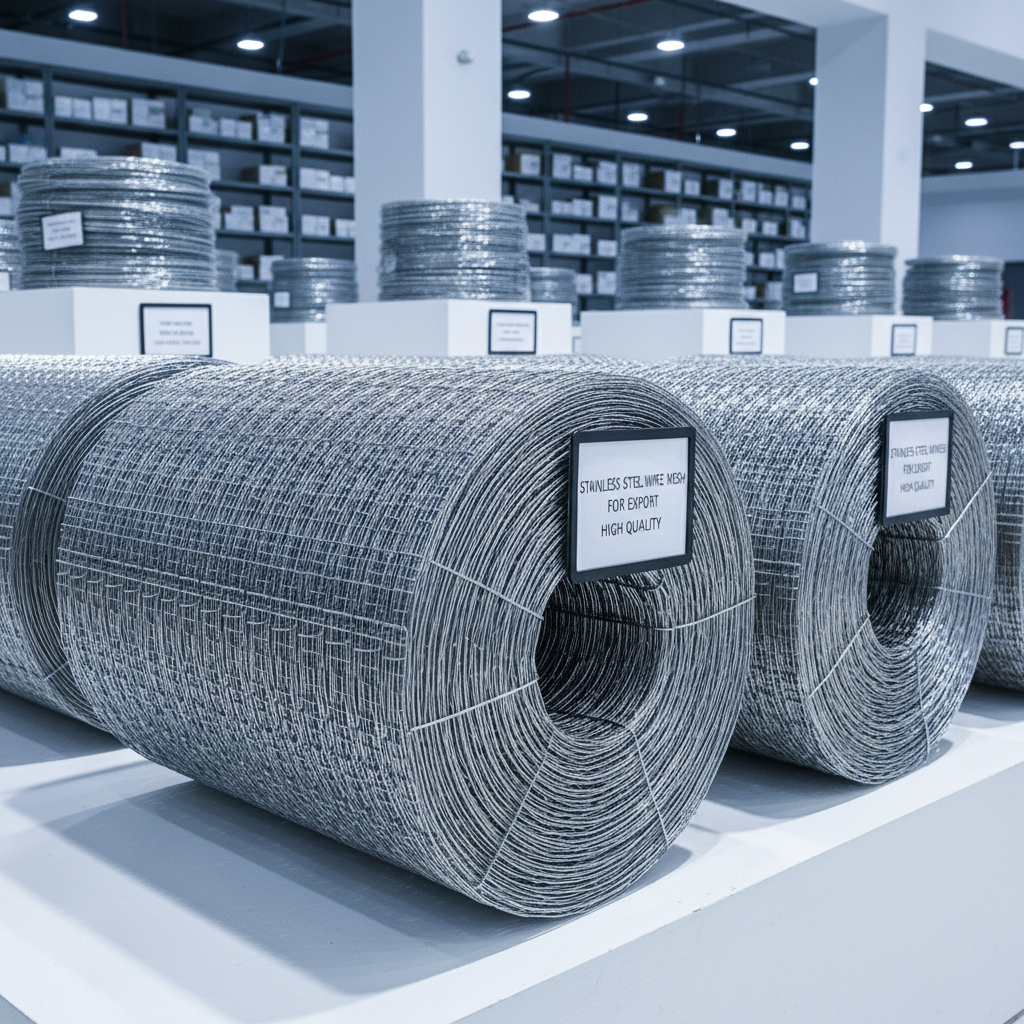
Perforated mesh sheet metal, a versatile material engineered with precisely patterned holes, is rapidly becoming integral to a diverse range of global industries and humanitarian efforts. From architectural facades offering dynamic light control and ventilation to crucial filtration systems in manufacturing, its adaptability is unmatched. Understanding its properties, applications, and future potential is essential for engineers, architects, manufacturers, and aid organizations alike. The growing demand for lightweight, durable, and customizable materials positions perforated mesh sheet metal as a key component in modern infrastructure and innovation.
Globally, the demand for efficient and sustainable materials is on the rise, driven by factors like urbanization, increasing environmental concerns, and the need for resilient infrastructure. Perforated mesh sheet metal directly addresses these challenges by offering solutions that are both structurally sound and environmentally conscious. Its use in noise reduction, security applications, and renewable energy technologies further highlights its global relevance. According to reports by the World Steel Association, demand for steel, a core component in its production, continues to climb, underscoring the importance of advanced steel applications like perforated mesh.
This versatile material is not merely a construction element; it’s a problem-solver. It addresses challenges in areas ranging from industrial filtration, where precise pore sizes are crucial, to rapid deployment shelter construction where lightweight yet robust materials are paramount. The increasing availability of cost-effective production techniques, coupled with innovative design possibilities, makes perforated mesh sheet metal a compelling solution across countless sectors.
Introduction to Perforated Mesh Sheet Metal
Perforated mesh sheet metal stands out for its unique combination of strength, versatility, and aesthetic appeal. The precision of the perforation process allows for tailored solutions in a multitude of applications, ranging from architectural design to industrial filtration. The ability to control hole size, pattern, and material thickness makes it a highly customizable material.
The benefits extend beyond functional performance. Perforated mesh sheet metal can enhance acoustic properties, provide visual screening, and facilitate airflow, leading to increased energy efficiency in buildings. Its inherent durability and resistance to corrosion, particularly when manufactured from stainless steel or aluminum, contribute to long-term cost savings and reduced maintenance.
Defining Perforated Mesh Sheet Metal
Simply put, perforated mesh sheet metal is a sheet of metal – typically steel, stainless steel, aluminum, or other alloys – that has been precisely patterned with holes. These holes can be of varying sizes, shapes (round, square, oblong, etc.), and arrangements, tailored to the specific application. The manufacturing process often involves punching, laser cutting, or etching, ensuring accuracy and consistency.
Its connection to modern industry is profound. In manufacturing, it’s used in screening, filtration, and ventilation systems. In construction, it provides safety barriers, sunshades, and aesthetically pleasing facades. Beyond these, perforated mesh sheet metal is increasingly critical in humanitarian applications, notably in the production of rapid deployment shelters and water filtration systems.
The material’s ability to be formed, welded, and finished makes it readily integrable into larger assemblies and structures. This flexibility is what distinguishes it from other materials with similar strength characteristics. It’s a foundational element in designs prioritizing both functionality and aesthetic appeal.
Core Properties of Perforated Mesh Sheet Metal
The defining properties of perforated mesh sheet metal are intimately linked to its manufacturing process and material composition. Key characteristics include its open area ratio (the percentage of the sheet area occupied by holes), the hole diameter, the pitch (distance between holes), and the material thickness. These parameters directly influence its structural integrity, permeability, and acoustic properties.
Material selection is also crucial. Stainless steel offers excellent corrosion resistance and is often used in marine or food processing applications. Aluminum is lightweight and ideal for architectural projects requiring minimal weight. Carbon steel provides high strength at a lower cost but may require protective coatings to prevent rust. The choice depends on the intended environment and performance requirements.
Furthermore, the pattern of the perforations – staggered, straight, or customized – affects the distribution of stress and the overall performance of the sheet. Staggered patterns generally offer greater strength and resistance to deformation compared to straight patterns. Understanding these nuances is critical for effective material selection and design.
Key Performance Characteristics
Perforated mesh sheet metal demonstrates several key performance attributes. Firstly, its strength-to-weight ratio is generally high, making it suitable for applications where minimizing weight is essential without sacrificing structural integrity. Secondly, it offers excellent airflow and permeability, crucial in ventilation systems and filtration processes.
The acoustic properties are also noteworthy; perforations can be engineered to absorb sound waves, reducing noise pollution in industrial or architectural settings. Finally, the material’s adaptability allows for a wide range of finishes, including powder coating, anodizing, and polishing, enhancing both its aesthetic appeal and resistance to environmental factors.
Performance Comparison of Perforated Mesh Sheet Metal Manufacturing Methods
Global Applications and Use Cases
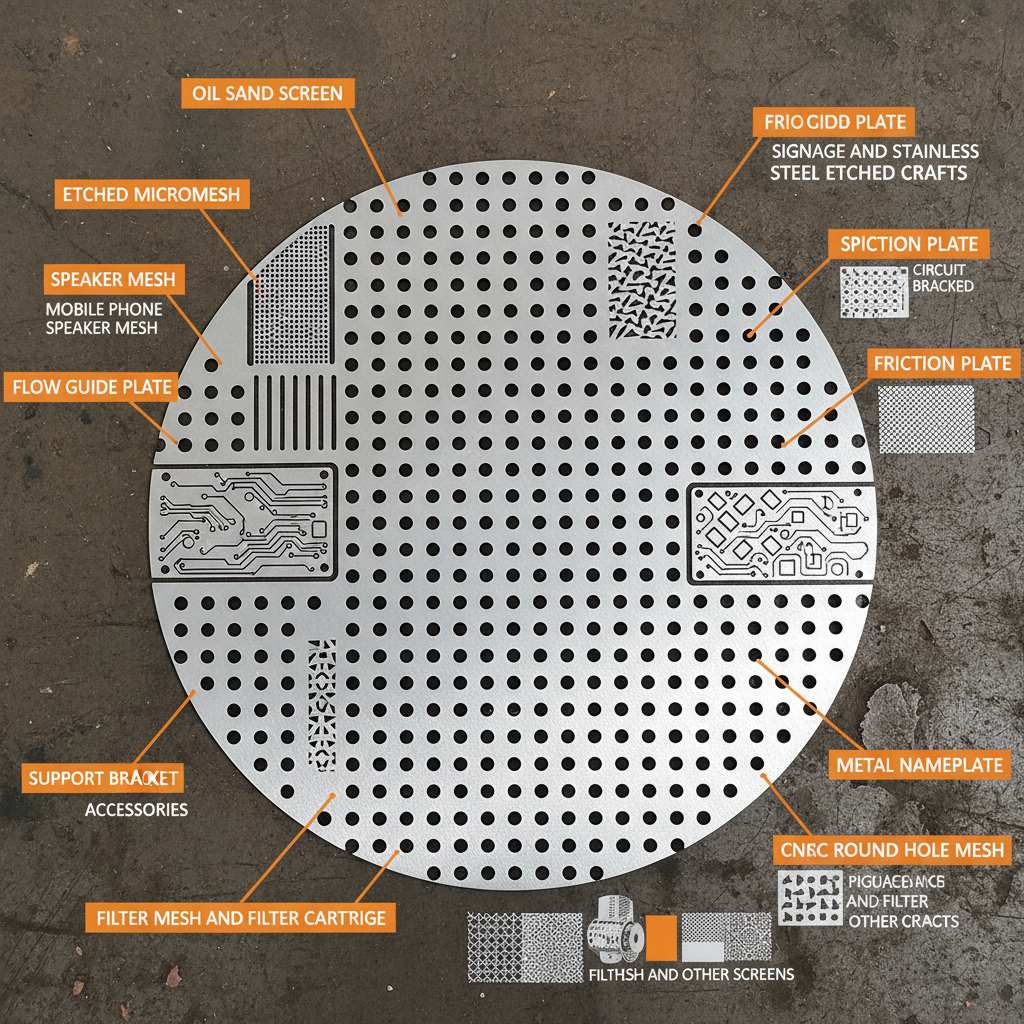
The applications of perforated mesh sheet metal are incredibly diverse. In architecture, it’s employed as facades, sunshades, and balcony railings, adding both aesthetic value and functional benefits like ventilation and solar control. In industrial settings, it’s essential for filtration, screening, and sound attenuation in machinery and processing plants.
In post-disaster relief operations, perforated mesh sheet metal is used in the construction of rapid deployment shelters, providing a robust and lightweight building material. In remote industrial zones, its durability and low maintenance requirements make it ideal for protective enclosures and security barriers. Organizations like the UNHCR often utilize it in creating temporary housing solutions.
Advantages and Long-Term Value
The advantages of using perforated mesh sheet metal extend beyond immediate functionality. Cost-efficiency is a significant factor, as it often requires less material than solid sheets while still providing structural support. Its durability translates to reduced maintenance and replacement costs over the long term.
From a sustainability perspective, the material is often recyclable, contributing to a circular economy. The ability to customize perforation patterns reduces material waste during manufacturing. Beyond these tangible benefits, it offers a sense of safety and security in applications like security barriers and noise reduction. Its aesthetic appeal adds value to architectural projects, building trust and enhancing user experience.
Future Trends and Innovations
The future of perforated mesh sheet metal lies in several exciting areas. Advancements in laser cutting technology are enabling increasingly complex and precise perforation patterns, opening up new design possibilities. The integration of smart materials – such as shape memory alloys – into perforated mesh structures could create adaptive facades that respond to changing environmental conditions.
Furthermore, the use of perforated mesh in green energy applications, such as solar panel supports and wind turbine components, is expected to grow. The trend towards digital fabrication and automated manufacturing will also drive down costs and increase production efficiency. Sustainable material sourcing and closed-loop recycling systems will be crucial in minimizing the environmental impact.
Finally, the application of artificial intelligence and machine learning in optimizing perforation patterns for specific performance criteria, like noise reduction or airflow, represents a significant area of innovation. These advancements will solidify the role of perforated mesh sheet metal as a key material in a more sustainable and technologically advanced future.
Summary of Challenges and Solutions in Perforated Mesh Sheet Metal Applications
| Challenge |
Impact on Perforated Mesh Performance |
Proposed Solution |
Implementation Considerations |
| Corrosion Resistance |
Reduced lifespan, structural weakness |
Utilize stainless steel or apply protective coatings |
Cost of materials and coating application process. |
| High Manufacturing Costs |
Limited affordability for certain applications |
Invest in automated perforation technologies |
Initial investment versus long-term production savings. |
| Design Complexity |
Difficult to achieve intricate patterns |
Employ advanced CAD/CAM software and laser cutting |
Software training and hardware maintenance costs. |
| Structural Integrity |
Weakening of the sheet due to excessive perforation |
Optimize hole size and pattern for load-bearing capacity |
Thorough structural analysis and testing. |
| Noise Transmission |
Limited sound attenuation in certain frequencies |
Implement multi-layered perforated mesh structures with damping materials |
Material selection and layering complexity. |
| Material Waste |
Scrap metal generated during the perforation process |
Implement efficient nesting algorithms and material recycling programs |
Investment in software and recycling infrastructure. |
FAQS
The most prevalent materials include carbon steel, stainless steel, and aluminum. Carbon steel offers high strength at a lower cost, but requires corrosion protection. Stainless steel provides excellent corrosion resistance, ideal for harsh environments. Aluminum is lightweight, making it suitable for architectural applications where weight is a concern. The choice depends on the specific application requirements and budget constraints.
The perforation pattern significantly impacts structural integrity, airflow, and acoustic properties. Staggered patterns generally offer greater strength compared to straight patterns. Larger holes increase airflow but reduce strength. The density of holes influences sound absorption – higher density often leads to better attenuation. Careful consideration of the pattern is crucial for optimizing performance.
Architecturally, perforated mesh is widely used for facades, sunshades, balcony railings, and screens. It offers aesthetic appeal, provides shading, controls ventilation, and enhances security. Its customizable nature allows architects to create unique and visually striking designs, while also addressing functional requirements like energy efficiency and privacy.
Laser cutting offers greater precision and the ability to create intricate designs, including complex shapes and smaller holes. Punching is faster and more cost-effective for simple, repetitive patterns. Laser cutting is preferred when high accuracy and design flexibility are paramount, while punching is suitable for high-volume production of standard patterns.
Several methods can protect against corrosion, including galvanizing, powder coating, and using corrosion-resistant materials like stainless steel or aluminum. Galvanizing provides a zinc coating that protects the underlying steel. Powder coating creates a durable, protective layer. Selecting the appropriate protection method depends on the environmental conditions and desired lifespan.
The open area ratio refers to the percentage of the sheet area occupied by holes. It’s a critical factor in determining airflow, filtration efficiency, and sound transmission. A higher open area ratio allows for greater airflow but can reduce structural strength. Selecting the appropriate open area ratio is crucial for optimizing performance for the specific application.
Conclusion
Perforated mesh sheet metal is a remarkably versatile material with a broad spectrum of applications across industries and humanitarian efforts. Its unique combination of strength, durability, customizability, and aesthetic appeal makes it an ideal solution for challenges ranging from architectural design and industrial filtration to disaster relief and sustainable energy. Understanding its properties and potential is key to unlocking innovative solutions and achieving long-term value.
Looking forward, continued advancements in manufacturing technologies and materials science will further expand the capabilities of perforated mesh sheet metal. Investing in research and development, promoting sustainable practices, and embracing digital fabrication techniques will be crucial in realizing its full potential. To explore how perforated mesh sheet metal can benefit your project, visit our website at tomaifilter.com.