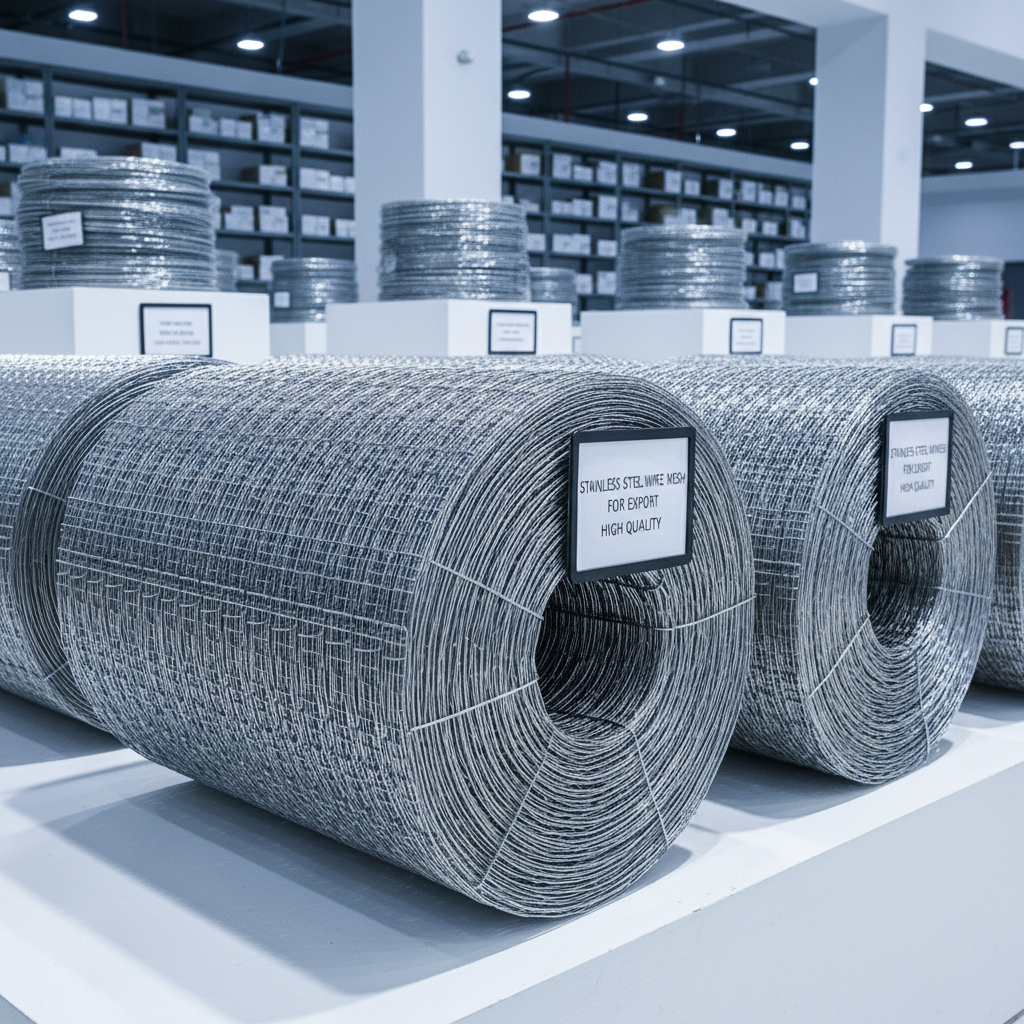
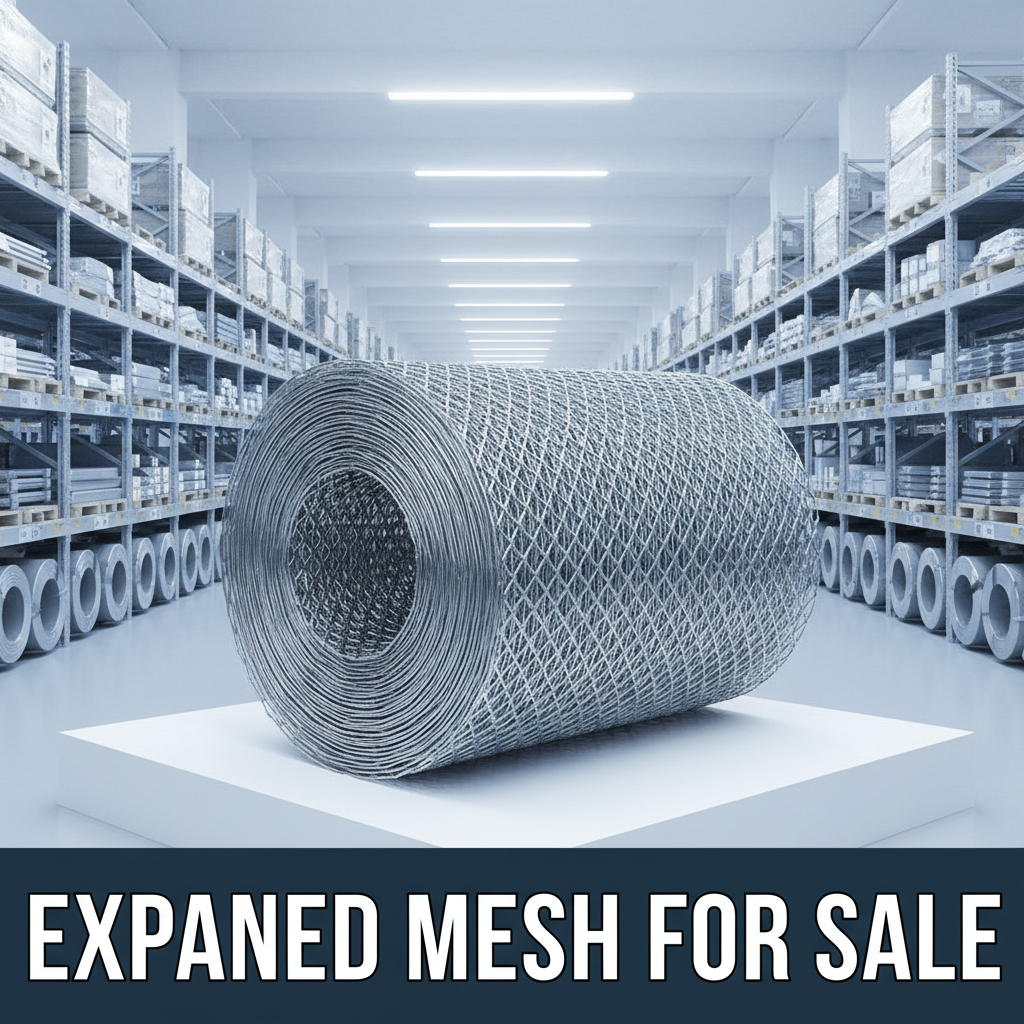
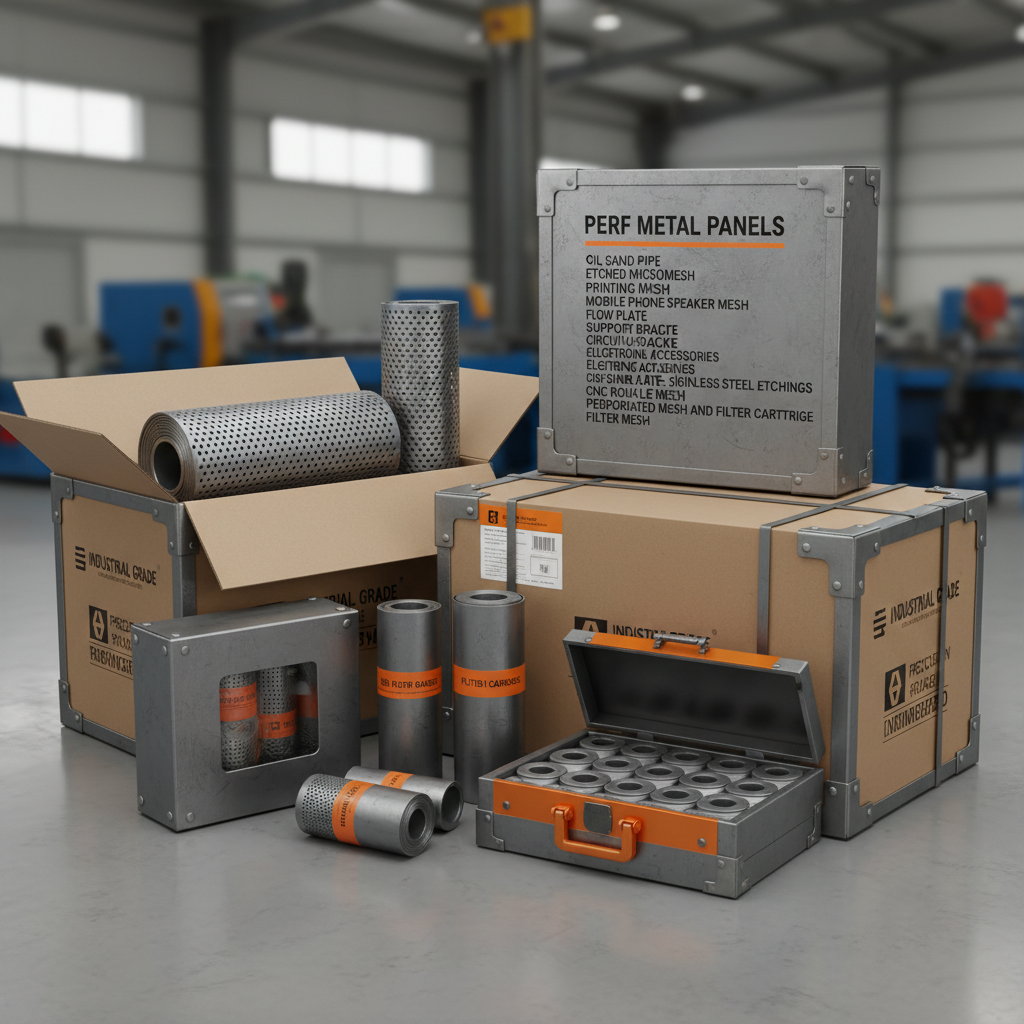
Stainless steel wire mesh for sale is a critical component in a diverse range of industries, from filtration and security to architectural and industrial applications. Its inherent properties – corrosion resistance, durability, and versatility – make it an essential material in countless processes and products globally. Understanding its various grades, weave patterns, and applications is vital for professionals seeking optimal solutions for their specific needs. This guide provides a comprehensive overview of stainless steel wire mesh for sale, exploring its core characteristics, applications, and future trends.
The global market for stainless steel wire mesh is experiencing steady growth, driven by increasing demand from sectors like chemical processing, food and beverage, pharmaceuticals, and construction. Factors like stringent safety regulations, a focus on hygiene, and the need for durable, long-lasting materials are fueling this expansion. Simultaneously, challenges related to fluctuating raw material costs and supply chain disruptions require careful consideration for buyers and suppliers alike.
Investing in quality stainless steel wire mesh for sale isn't just a procurement decision; it's an investment in operational efficiency, product integrity, and long-term cost savings. From ensuring clean water supplies to safeguarding critical infrastructure, this material plays a silent yet essential role in our modern world.
Introduction to Stainless Steel Wire Mesh for Sale
Stainless steel wire mesh for sale offers exceptional resistance to corrosion and extreme temperatures, making it suitable for demanding environments. The wide availability of different weaves and wire gauges enables customization to meet precise application requirements. Choosing the right mesh involves considering factors like aperture size, wire material grade, and intended use. stainless steel wire mesh for sale provides solutions for diverse filtering and separation processes.
Understanding the specifications and quality certifications of stainless steel wire mesh is crucial for ensuring long-term performance and safety. Suppliers like Tomaifilter.com provide detailed product information and technical support to assist customers in selecting the optimal mesh for their applications. A proactive approach to material selection can significantly reduce maintenance costs and extend the lifespan of equipment.
Global Relevance and Market Overview
The stainless steel wire mesh market is heavily influenced by global industrial production and infrastructure development. Rapid urbanization in emerging economies, particularly in Asia-Pacific, is driving demand for mesh in construction, water treatment, and pollution control. According to a recent report by the World Bank, investments in infrastructure are projected to exceed $1 trillion annually in the coming decade, further bolstering the demand for stainless steel wire mesh.
However, the market faces challenges stemming from fluctuating nickel prices (a key component of stainless steel) and geopolitical uncertainties. Supply chain disruptions, exacerbated by global events, have also impacted lead times and material availability. These factors necessitate strategic sourcing and proactive risk management for businesses relying on stainless steel wire mesh for sale.
The regulatory landscape surrounding environmental protection and industrial safety also plays a significant role. Increasingly stringent regulations on air and water quality are driving demand for high-performance filtration systems, which rely heavily on stainless steel wire mesh. This trend is expected to continue, further supporting the growth of the market.
Defining Stainless Steel Wire Mesh
Stainless steel wire mesh is a woven fabric constructed from stainless steel wires. It's characterized by its resistance to corrosion, oxidation, and high temperatures, thanks to the chromium content in the alloy. The mesh is created through a weaving process that interlocks the wires, forming a stable and durable structure.
The term “stainless steel” doesn’t imply complete immunity to corrosion, but rather a significantly higher resistance compared to carbon steel. Different grades of stainless steel (like 304, 316, and 430) offer varying levels of corrosion resistance and are selected based on the intended application. For example, 316 stainless steel is often preferred in marine environments due to its superior resistance to chloride corrosion.
Stainless steel wire mesh is integral to modern industry and addresses critical humanitarian needs. It provides vital filtration in water purification systems, safeguards food processing facilities, ensures structural integrity in buildings, and contributes to the safety of various industrial processes. stainless steel wire mesh for sale helps meet these crucial requirements.
Key Characteristics and Properties
Durability is a cornerstone of stainless steel wire mesh. Its inherent strength and corrosion resistance ensure a long service life, minimizing the need for frequent replacements and reducing overall lifecycle costs. This durability is crucial in applications like security fencing and industrial screens.
Versatility is another key benefit. Stainless steel wire mesh is available in a wide range of weave patterns – plain weave, twill weave, dutch weave, and reverse dutch weave – each offering different filtration characteristics and flow rates. This allows for customization to meet specific application needs.
Stainless Steel Wire Mesh Performance Metrics
Applications Across Industries
In the food and beverage industry, stainless steel wire mesh for sale is crucial for filtration, separation, and ingredient processing. It ensures product purity and meets stringent hygiene standards. From brewing beer to producing dairy products, its role is paramount.
The pharmaceutical industry relies on stainless steel wire mesh for precise filtration of liquids and gases, ensuring the quality and sterility of medications. Its corrosion resistance and compatibility with cleaning agents are essential in this sensitive field.
Advantages and Long-Term Value
The cost-effectiveness of stainless steel wire mesh extends beyond its initial purchase price. Its longevity and low maintenance requirements translate into significant savings over its lifespan. Furthermore, its recyclability contributes to sustainable practices and reduces environmental impact.
The reliability of stainless steel wire mesh ensures consistent performance and minimizes the risk of costly downtime. This is particularly important in critical applications where failure is not an option. Choosing a reputable supplier like stainless steel wire mesh for sale guarantees quality and support.
Future Trends and Innovations
Ongoing research focuses on developing new alloys with enhanced corrosion resistance and improved mechanical properties. Nanotechnology is being explored to create stainless steel wire mesh with even finer pore sizes for specialized filtration applications.
The integration of digital technologies, such as sensors and data analytics, is enabling real-time monitoring of mesh performance and predictive maintenance. This proactive approach optimizes efficiency and minimizes the risk of failures. The demand for sustainable materials is driving the development of recycled stainless steel options.
Automation in the manufacturing process is leading to increased precision and reduced production costs. These innovations are poised to further expand the applications of stainless steel wire mesh and enhance its value proposition.
Overview of Factors Influencing Stainless Steel Wire Mesh Selection
| Application Requirements |
Stainless Steel Grade |
Weave Pattern |
Cost Considerations |
| High corrosion resistance in marine environments |
316/316L |
Plain weave or twill weave |
Higher (due to alloy composition) |
| General-purpose filtration in food processing |
304/304L |
Dutch weave for higher flow rate |
Moderate |
| Security fencing and perimeter protection |
304/316 (depending on environment) |
Square weave for strength |
Moderate to higher |
| Industrial screening and separation |
304/316/430 (depending on application) |
Reverse dutch weave for precise filtration |
Variable |
| Low-cost applications with minimal corrosion concerns |
430 |
Plain weave |
Lower |
| Pharmaceutical filtration requiring high purity |
316L |
Precision dutch weave |
Higher |
FAQS
304 stainless steel wire mesh is a versatile, general-purpose alloy offering good corrosion resistance in a variety of environments. 316 stainless steel, however, contains molybdenum, which significantly enhances its resistance to chloride corrosion – making it ideal for marine environments and applications involving salt exposure. 316 also typically exhibits better resistance to pitting and crevice corrosion, though it comes at a higher cost.
Mesh count refers to the number of wires per inch. A higher mesh count indicates smaller openings and finer filtration. To determine the correct mesh count, consider the particle size you need to retain. It's generally recommended to choose a mesh size slightly smaller than the particle size. Testing different mesh counts is often the best approach to optimize performance.
Welding stainless steel wire mesh requires specialized techniques and filler materials to maintain corrosion resistance. Standard welding methods can alter the alloy's composition and create weld points susceptible to corrosion. Soldering is generally not recommended, as the solder can contaminate the mesh and compromise its integrity. Consult a welding expert for specific guidance.
Common weave patterns include plain weave (versatile, balanced), twill weave (denser, higher strength), dutch weave (higher flow rate, good for filtration), and reverse dutch weave (finer filtration). Plain weave is used for general screening, twill weave for security applications, dutch weave for filtration, and reverse dutch weave for very fine particle capture.
Store stainless steel wire mesh in a dry, well-ventilated area. Avoid contact with corrosive materials, such as chlorides and acids. If the mesh will be stored for an extended period, consider wrapping it in a protective material like polyethylene film. Regularly inspect the mesh for signs of corrosion and address any issues promptly.
Yes, stainless steel wire mesh is highly recyclable. Stainless steel is one of the most recycled materials globally, and its recycling process is environmentally friendly. Recycling reduces the demand for virgin materials and conserves resources. Contact a local metal recycling facility for information on proper disposal and recycling procedures.
Conclusion
Stainless steel wire mesh for sale is an indispensable material across a broad spectrum of industries, offering a unique combination of durability, corrosion resistance, and versatility. Its applications range from critical filtration processes to structural reinforcement, contributing to safety, efficiency, and sustainability. Understanding its properties and selecting the right grade and weave are key to maximizing its benefits.
Looking ahead, ongoing innovations in materials science and manufacturing technologies promise to further enhance the performance and expand the applications of stainless steel wire mesh. By embracing these advancements and prioritizing quality and sustainability, businesses can leverage this material to achieve their goals and contribute to a more resilient and environmentally responsible future. For high-quality stainless steel wire mesh for sale, visit our website today.