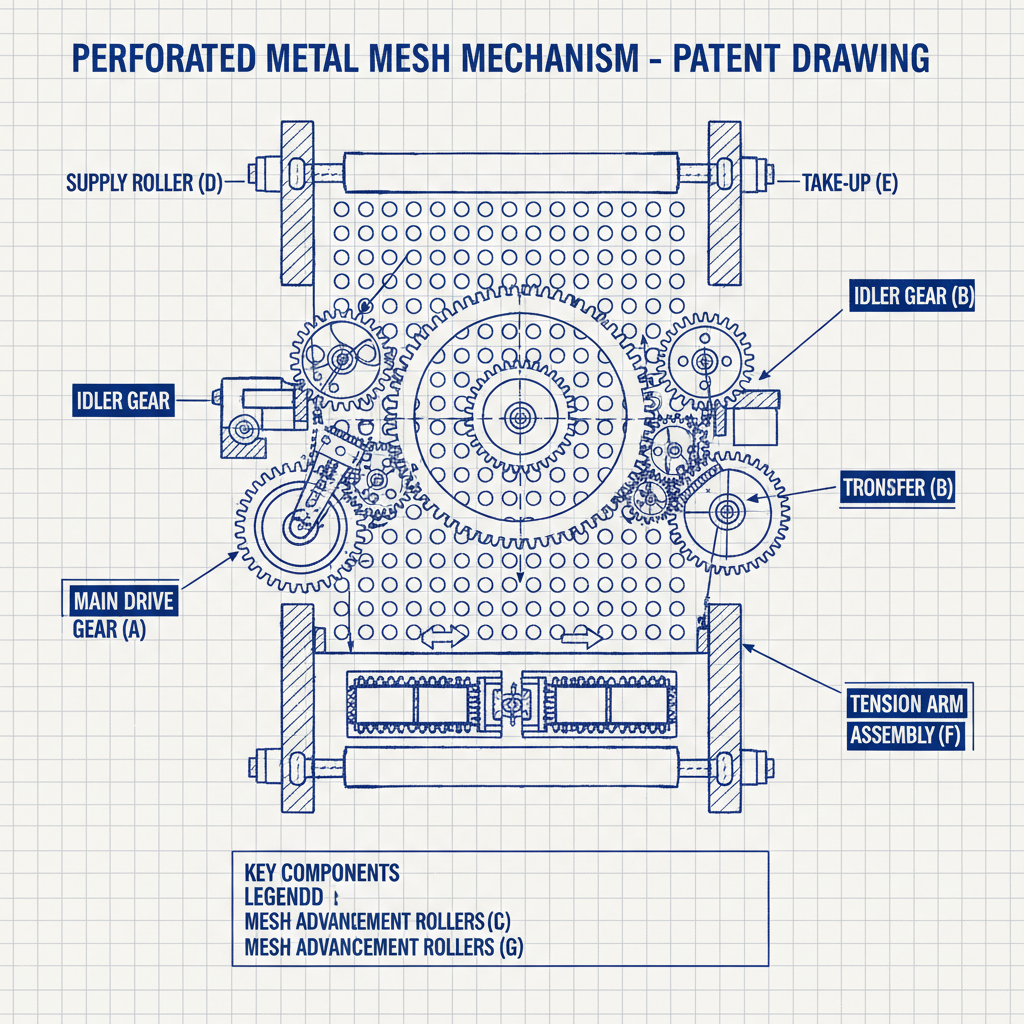
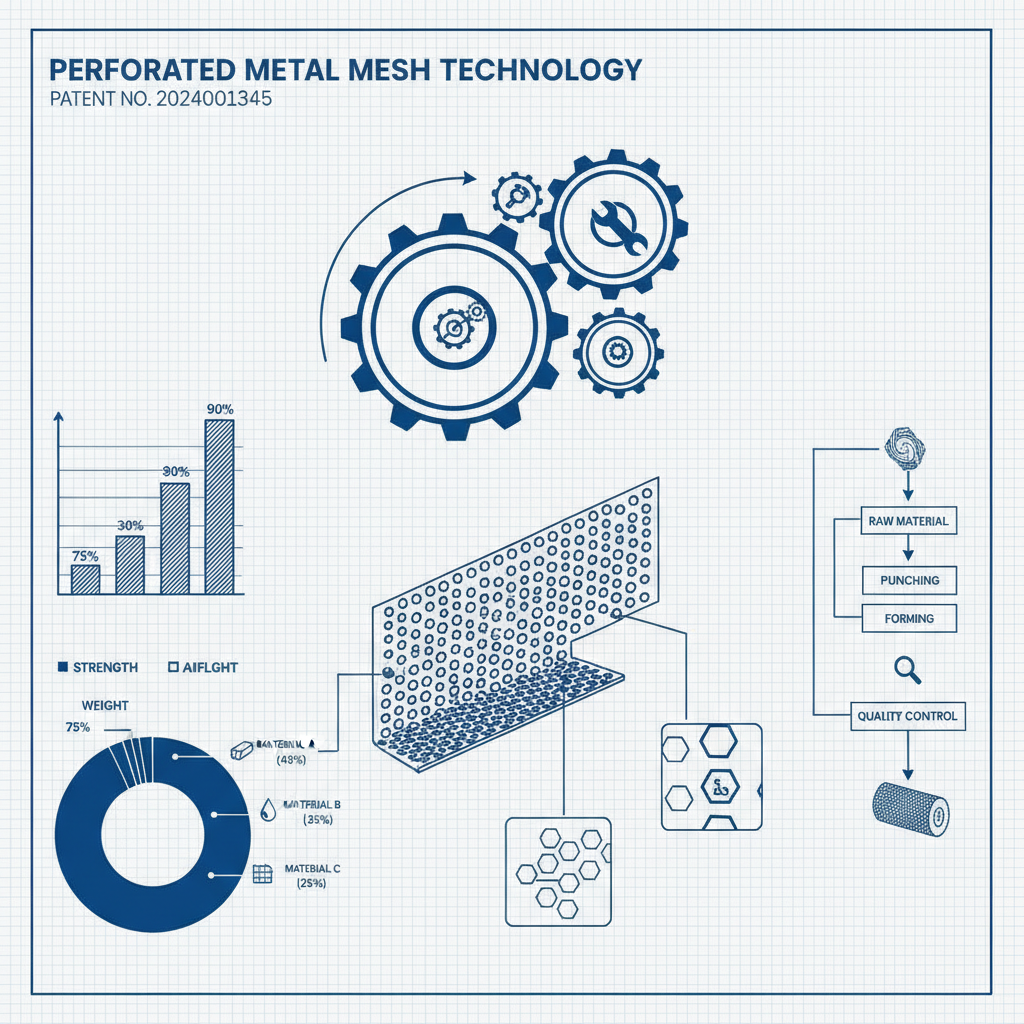
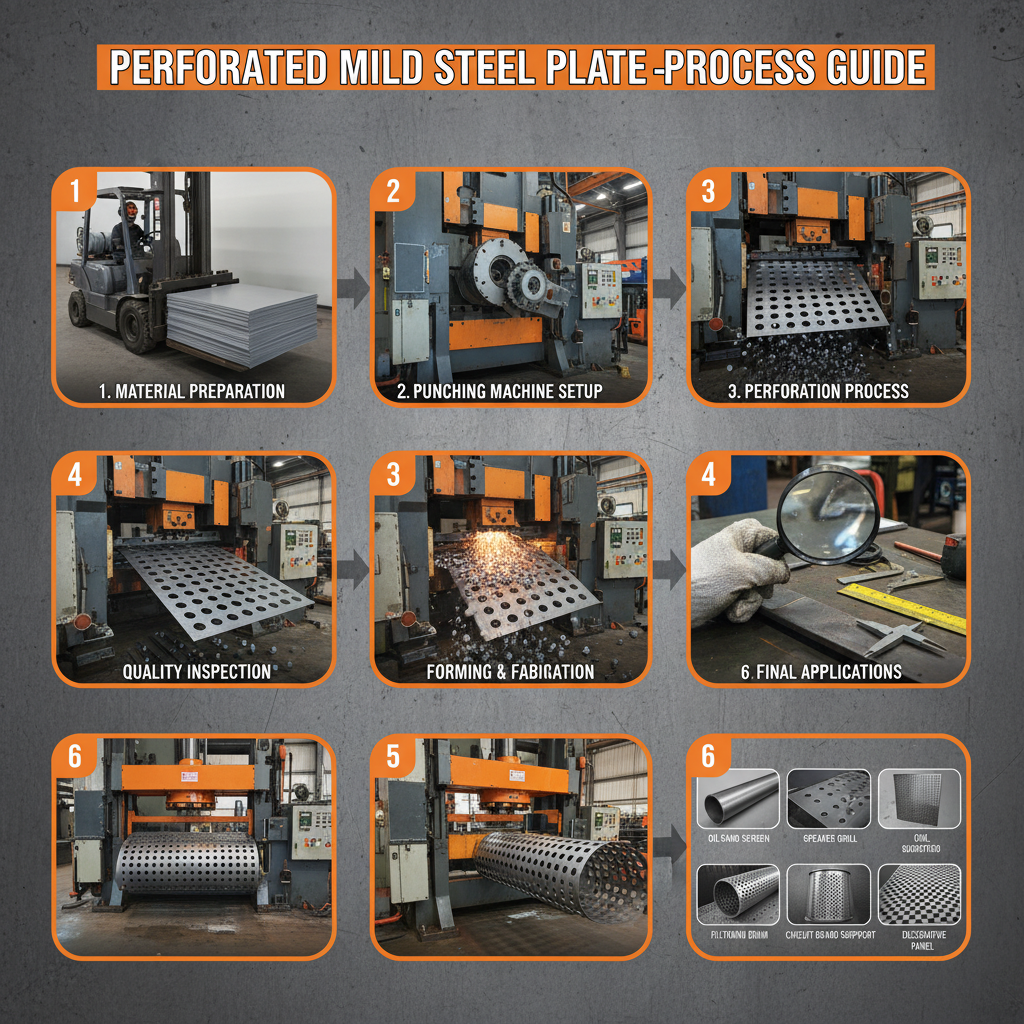
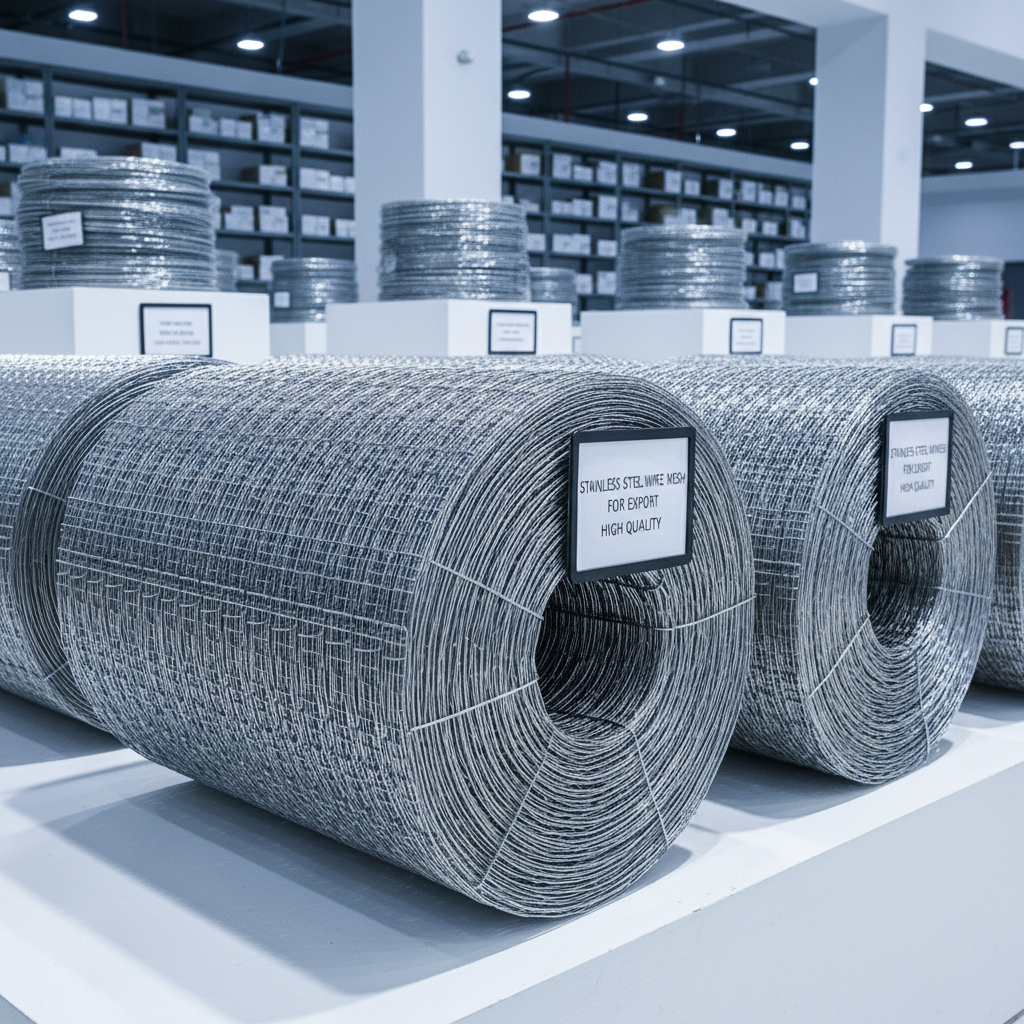
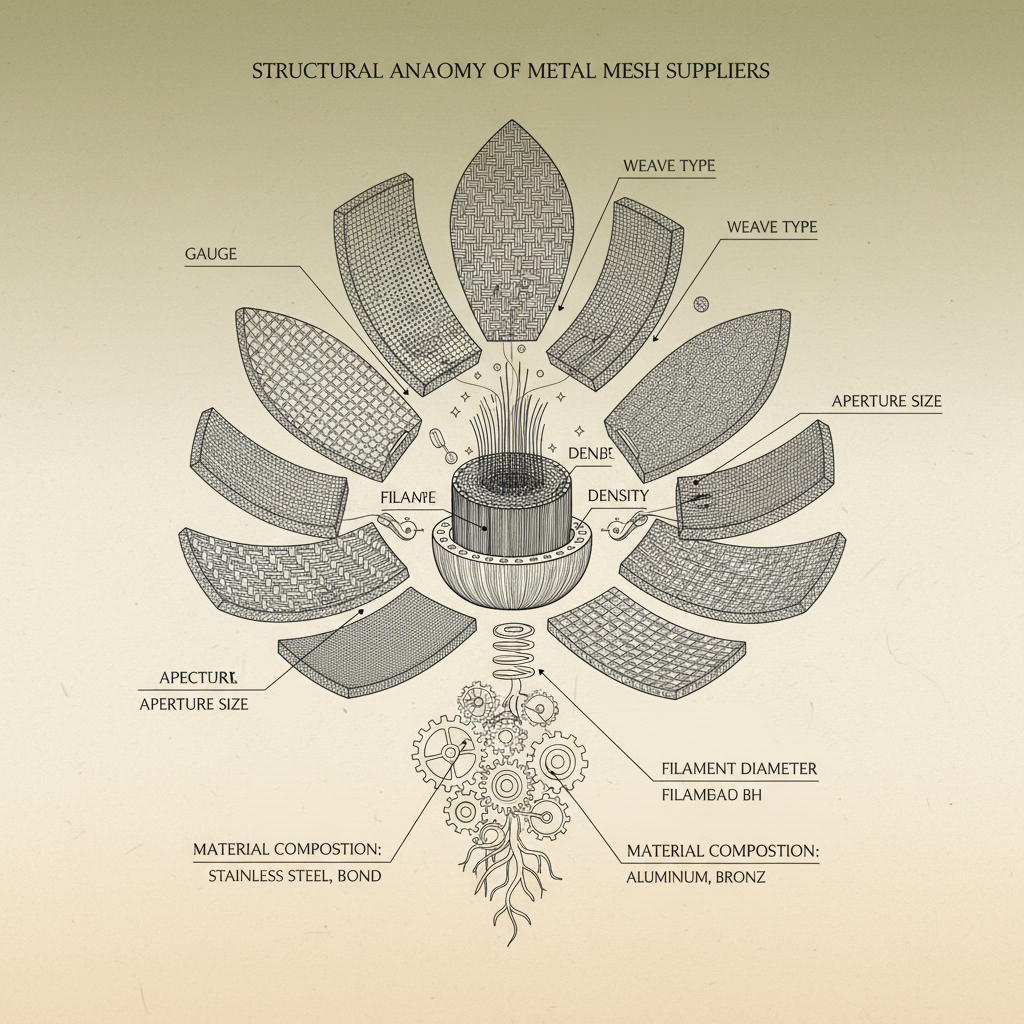
Perforated metal mesh is a versatile material finding increasing application across diverse sectors globally. Its unique combination of strength, permeability, and design flexibility makes it indispensable in fields ranging from architecture and construction to filtration and security. Understanding the intricacies of perforated metal mesh – its manufacturing processes, material options, and performance characteristics – is crucial for engineers, architects, and designers seeking innovative and efficient solutions to modern challenges. The demand for this material continues to rise due to its adaptability and cost-effectiveness, making it a significant contributor to numerous industries.
The global market for perforated metal mesh is experiencing substantial growth, driven by infrastructural development, increasing industrialization, and a heightened focus on safety and security. According to industry reports, the Asia-Pacific region represents the largest consumer of perforated metal mesh, fueled by rapid urbanization and manufacturing expansion. Furthermore, advancements in manufacturing technology allow for greater customization and precision, widening the scope of its applications. The increasing need for efficient filtration systems, particularly in water and air purification, also contributes significantly to this demand.
Perforated metal mesh addresses critical needs across various industries, offering solutions to challenges related to filtration, ventilation, sound control, and structural integrity. Its adaptability allows for tailored solutions, minimizing waste and maximizing efficiency. This material provides a durable and aesthetically pleasing alternative to traditional materials, leading to long-term cost savings and enhanced performance. The increasing emphasis on sustainable building practices also positions perforated metal mesh as a desirable and environmentally responsible material choice.
Introduction to Perforated Metal Mesh
Perforated metal mesh, characterized by precisely formed holes in a sheet of metal, is a foundational element in numerous engineering and design applications. Its inherent strength, combined with controlled permeability, allows for a wide range of functionalities, from filtration and ventilation to acoustic control and architectural aesthetics. The manufacturing process, typically involving punching, etching, or laser cutting, ensures consistent and repeatable hole patterns, contributing to the material’s reliable performance.
This versatile material is used in diverse industries such as aerospace, automotive, construction, pharmaceuticals, and food processing. It serves as a crucial component in aircraft engine noise reduction, automotive exhaust systems, building facades, pharmaceutical filtration processes, and food processing sieves. The selection of the appropriate material and perforation pattern is critical to achieving optimal performance in each specific application, emphasizing the importance of careful engineering analysis and design.
Defining Perforated Metal Mesh
Perforated metal mesh is essentially a sheet of metal – commonly stainless steel, aluminum, or carbon steel – that has been patterned with holes. These holes are created using various methods including punching, stamping, laser cutting, and etching, allowing for a wide variety of hole shapes, sizes, and spacing configurations. The key differentiator between perforated metal mesh and expanded metal is that perforated metal removes material to create the holes, whereas expanded metal stretches the metal to create openings.
The definition extends beyond merely the presence of holes; it encompasses the precision and consistency of those holes. Modern manufacturing techniques allow for tolerances of fractions of a millimeter, ensuring repeatable performance and predictable fluid or air flow characteristics. This precision is vital in applications where accurate filtration, ventilation, or sound absorption is required.
In the context of modern industry, perforated metal mesh isn't just a structural component; it's an enabling technology. It facilitates processes crucial to public health (water filtration), environmental protection (air purification), and security (protective screening). Its capacity for customization makes it adaptable to evolving needs and emerging technologies.
Core Characteristics of Perforated Metal Mesh
Several core characteristics define the performance and suitability of perforated metal mesh for various applications. Firstly, durability is paramount. The inherent strength of the base metal, coupled with the structural integrity provided by the remaining solid material, results in a robust and long-lasting product. Secondly, permeability – the ability to allow fluids or air to pass through – is carefully controlled by the hole size, shape, and pattern.
Acoustic performance is another key attribute. Perforated metal mesh can effectively absorb sound waves, making it ideal for noise reduction applications in industrial settings, transportation systems, and architectural designs. Furthermore, weight-to-strength ratio is often a significant advantage; the material provides substantial structural support while minimizing overall weight, which is crucial in aerospace and automotive applications.
Finally, customizability is a defining feature. The ability to tailor the hole size, shape, pattern, and material type to specific requirements allows engineers and designers to optimize performance for a wide range of applications. This flexibility is a major driver of its widespread adoption.
Diverse Applications of Perforated Metal Mesh
The applications of perforated metal mesh are incredibly diverse, spanning numerous industries. In architecture, it's used for facade cladding, sunshades, and acoustic panels, offering both aesthetic appeal and functional benefits. In the automotive industry, it finds use in air intakes, exhaust systems, and radiator grills, contributing to engine performance and noise reduction.
The food and beverage industry utilizes perforated metal mesh extensively for filtering, separating, and draining processes. Pharmaceutical companies rely on it for precise filtration of liquids and powders, ensuring product purity and quality control. In remote industrial zones, perforated metal mesh is often used for ventilation and safety barriers, providing a durable and reliable solution in harsh environments.
Perforated Metal Mesh Application Ratings
Advantages and Long-Term Value
The advantages of using perforated metal mesh extend beyond its functional properties. From a cost perspective, it often represents a more economical solution compared to solid metal alternatives, especially when considering material usage and manufacturing efficiency. Its durability translates to lower maintenance costs and a longer lifespan, contributing to overall cost savings.
Sustainability is another crucial benefit. Many perforated metal mesh products are manufactured from recycled materials, and the material itself is often fully recyclable at the end of its service life. The increased energy efficiency achieved through improved ventilation and acoustic control also contributes to a reduced environmental footprint. The feeling of security and safety it provides in applications like protective screening further adds to its value.
Future Trends in Perforated Metal Mesh Technology
Several exciting trends are shaping the future of perforated metal mesh. Advancements in laser cutting technology are enabling increasingly complex and intricate perforation patterns, opening up new possibilities for design and functionality. The integration of smart materials – those that respond to external stimuli – is being explored to create dynamic perforated metal mesh systems capable of adjusting their permeability or acoustic properties.
Furthermore, the rise of digital fabrication techniques and additive manufacturing (3D printing) promises to revolutionize the production of perforated metal mesh, allowing for customized designs and on-demand manufacturing. The pursuit of more sustainable materials and manufacturing processes is also driving innovation, with a focus on reducing waste and minimizing environmental impact.
Challenges and Innovative Solutions
Despite its many advantages, perforated metal mesh does present certain challenges. One common issue is susceptibility to corrosion, particularly in harsh environments. However, this can be effectively mitigated through the use of corrosion-resistant materials such as stainless steel or aluminum, and the application of protective coatings.
Another challenge is the potential for noise generation due to air or fluid flow through the perforations. Innovative solutions, such as strategically designed hole patterns and the integration of sound-dampening materials, are being developed to address this issue. Finally, maintaining consistent hole quality and precision during large-scale production requires advanced manufacturing techniques and rigorous quality control measures.
Ongoing research focuses on developing self-healing coatings for perforated metal mesh, extending its lifespan and reducing maintenance requirements. Further advancements in computational modeling and simulation are enabling engineers to optimize perforation patterns for specific applications, maximizing performance and minimizing potential drawbacks.
Summary of Perforated Metal Mesh Challenges and Solutions
| Challenge |
Impact on Performance |
Proposed Solution |
Implementation Cost (1-10) |
| Corrosion |
Reduced structural integrity, aesthetic degradation |
Use of stainless steel/aluminum, protective coatings |
4 |
| Noise Generation |
Undesirable sound levels in certain applications |
Optimized hole patterns, sound-dampening materials |
6 |
| Manufacturing Consistency |
Variations in hole size/shape, reduced performance |
Advanced laser cutting, automated quality control |
7 |
| Material Cost |
High upfront investment |
Utilizing Recycled Materials, Optimizing Design |
5 |
| Design Complexity |
Difficulty in creating intricate patterns |
Advanced CAD/CAM software, 3D printing integration |
8 |
| Structural Weakness |
Potential for stress concentration around holes |
Finite Element Analysis (FEA), optimized perforation layout |
6 |
FAQS
Perforated metal mesh is commonly produced from a variety of metals, each offering unique properties. Stainless steel is popular for its corrosion resistance and durability. Aluminum is lightweight and offers good formability, while carbon steel provides high strength at a lower cost. Other materials like titanium and specialty alloys are used for specific applications requiring exceptional performance characteristics.
Common perforation patterns include round, square, oval, and slotted holes. Round holes are versatile and cost-effective, ideal for general filtration and ventilation. Square holes offer greater open area and are suitable for sound absorption. Oval and slotted holes provide directional flow control. The choice depends on the desired functionality and aesthetic requirements of the application.
Hole size directly impacts permeability – smaller holes restrict flow, while larger holes allow greater passage. Spacing influences the open area and structural integrity; closer spacing increases strength but reduces open area. Optimizing these parameters is crucial for achieving the desired balance between filtration efficiency, air/fluid flow, and structural performance.
A wide range of industries benefit, including architecture (facades, sunshades), automotive (air intakes, exhaust systems), aerospace (noise reduction), food processing (sieving, draining), pharmaceuticals (filtration), and construction (safety barriers, ventilation). Its versatility and adaptability make it valuable across diverse sectors.
Absolutely! Customization is a key advantage. Hole size, shape, spacing, material type, sheet thickness, and even pattern design can be tailored to meet specific application needs. Advanced manufacturing techniques like laser cutting allow for intricate and precise customization, enabling optimized performance and aesthetic appeal.
Perforated metal mesh can be an environmentally responsible choice. Many manufacturers utilize recycled materials, and the material itself is typically recyclable at the end of its life cycle. Its durability reduces the need for frequent replacements, minimizing waste. Furthermore, its use in applications like air and water filtration contributes to environmental protection.
Conclusion
Perforated metal mesh stands as a testament to the power of material science and engineering. Its unique combination of durability, permeability, and customizability makes it an essential component in a multitude of industries, contributing to advancements in architecture, manufacturing, environmental protection, and beyond. Understanding its core characteristics and potential applications is crucial for innovators seeking efficient, cost-effective, and sustainable solutions.
Looking ahead, the future of perforated metal mesh lies in continued innovation in materials, manufacturing techniques, and design optimization. The integration of smart materials and digital fabrication promises to unlock even greater potential, enabling dynamic and responsive systems that adapt to evolving needs. To learn more about our range of perforated metal mesh products and discuss your specific requirements, visit our website: www.tomaifilter.com.