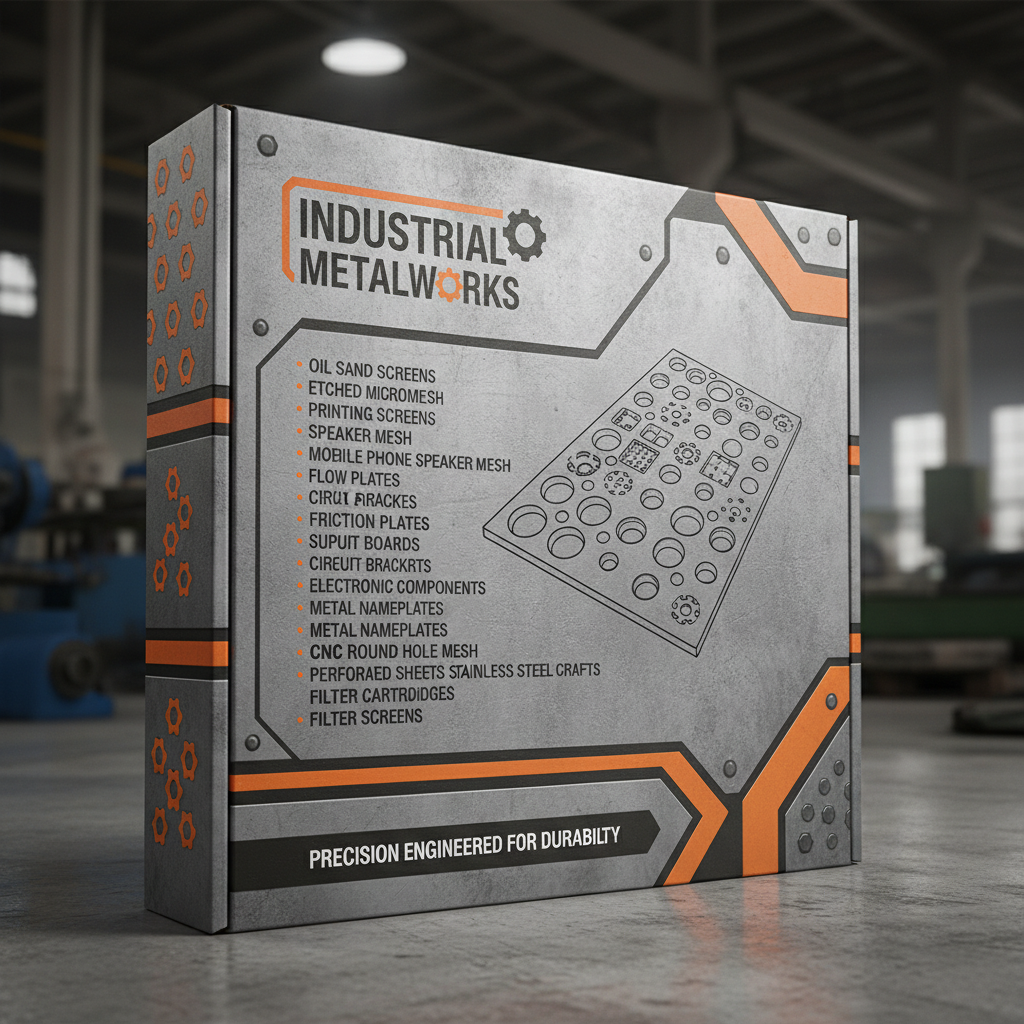
Perforated mesh metal is a versatile material finding increasing applications across numerous industries globally. Its unique combination of strength, lightweight properties, and customizable design makes it invaluable in sectors ranging from architecture and automotive to filtration and security. Understanding its properties and potential unlocks innovative solutions to complex engineering and design challenges, fostering efficiency and sustainability.
The global demand for perforated mesh metal is driven by several factors including growing infrastructure development, increasing industrialization in emerging economies, and a rising focus on safety and security. According to recent market research, the perforated metal market is projected to reach substantial growth in the coming years, showcasing its importance in modern construction and manufacturing processes. This growth necessitates a comprehensive understanding of the material’s capabilities and limitations.
Crucially, perforated mesh metal addresses challenges related to ventilation, filtration, sound absorption, and aesthetic design. In humanitarian contexts, it’s becoming essential in rapid-deployment shelter solutions, offering a durable and adaptable material for challenging environments. Its increasing adoption underlines a shift towards more functional and aesthetically pleasing engineering solutions.
Introduction to Perforated Mesh Metal
Perforated mesh metal represents a significant advancement in material science, offering a unique blend of structural integrity and functional versatility. Its production involves creating precisely sized holes in metal sheets, resulting in a lightweight yet robust material that excels in a wide range of applications. perforated mesh metal is increasingly sought after for projects demanding specific acoustic, filtration, or aesthetic qualities.
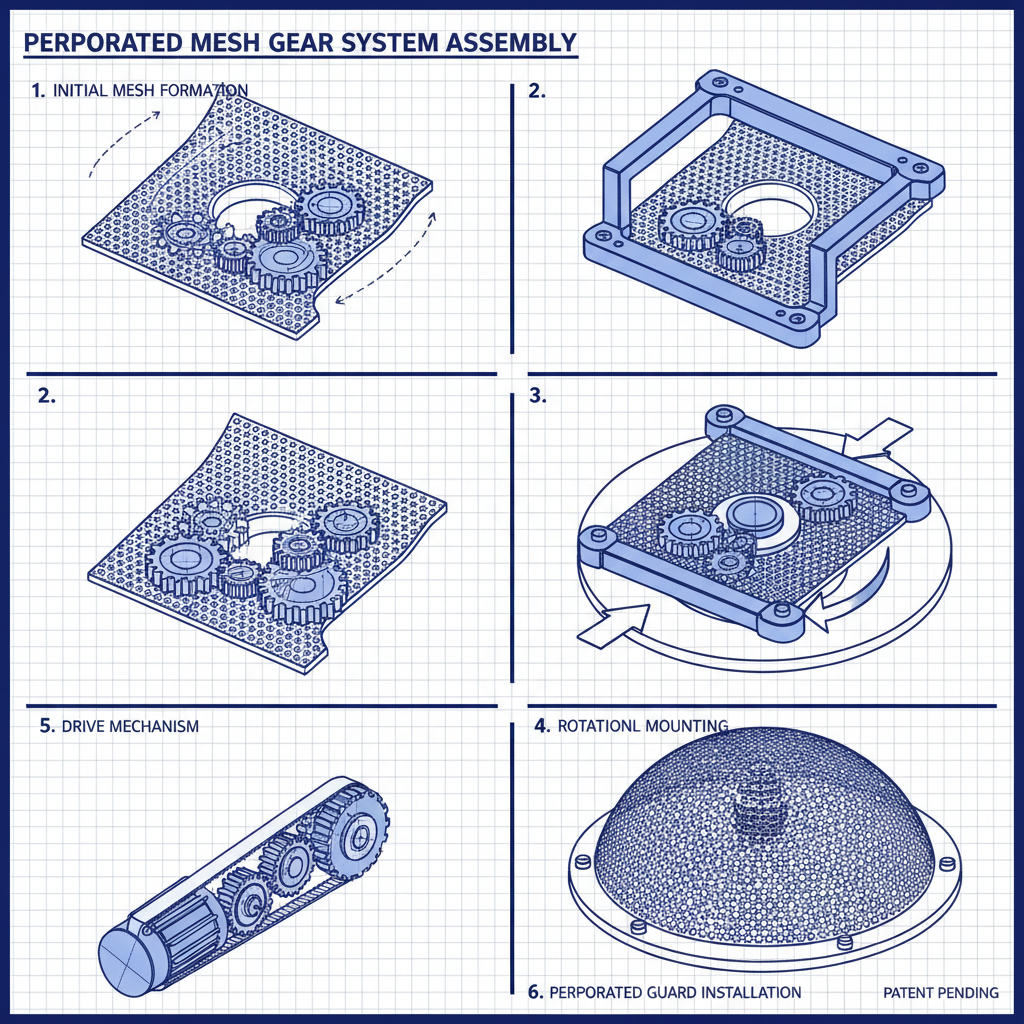
The process of creating perforated metal allows for precise control over hole size, pattern, and density, adapting the material's performance characteristics to meet specific needs. This customizability contributes to its popularity in architectural designs, industrial filtering systems, and even automotive components. Modern manufacturing techniques ensure consistent quality and efficient production of perforated metal, catering to diverse global demands.
Defining Perforated Mesh Metal
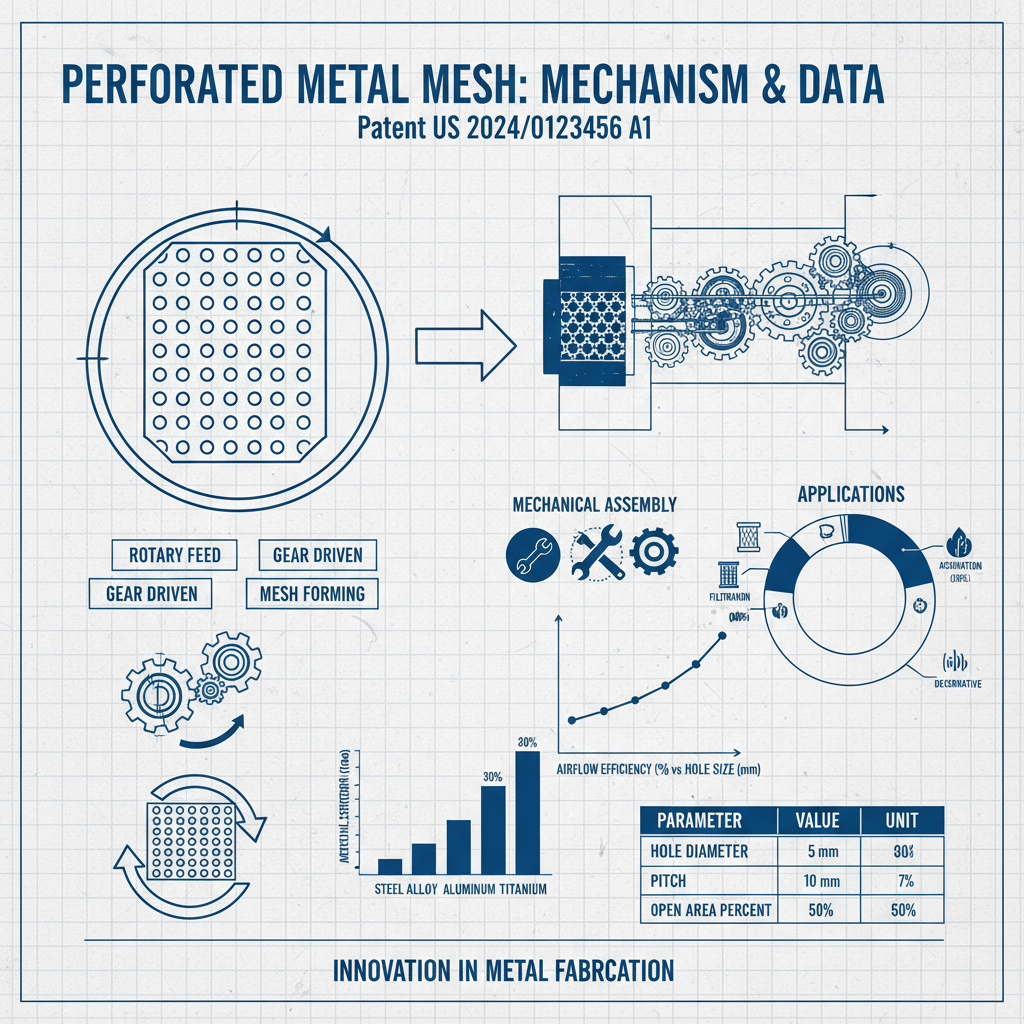
Perforated mesh metal is essentially a metal sheet—typically steel, stainless steel, aluminum, or other alloys—containing a pattern of holes. These holes are created through various methods like punching, laser cutting, or etching. The resulting material is characterized by its open area ratio—the percentage of the surface area occupied by the holes—which directly influences its performance attributes.
Distinguished from woven wire mesh by its solid sheet base, perforated metal offers superior strength and rigidity. Its applications extend far beyond simple filtration, encompassing sound diffusion in architectural settings, protective screens in machinery, and even decorative elements in interior design.
In a world increasingly focused on sustainable solutions, perforated metal’s durability and recyclability position it as an environmentally conscious material choice, addressing both functional requirements and modern design sensibilities. Its connection to humanitarian needs arises from its rapid deployability in shelter construction and its use in water filtration systems.
Key Properties of Perforated Mesh Metal
Durability is a defining characteristic of perforated mesh metal. The robust nature of the base metal, combined with the strategic placement of perforations, ensures long-lasting performance even in harsh environments. Its resistance to corrosion, especially when using stainless steel or aluminum, significantly extends its lifespan.
Acoustic properties are another key benefit. The perforations allow for sound transmission while simultaneously providing sound absorption, making it ideal for noise reduction in industrial settings or for enhancing sound quality in performance spaces. The specific hole size and pattern are critical in tailoring the acoustic performance to precise requirements.
Weight-to-strength ratio is exceptionally favorable. Perforated metal offers a strong, rigid structure while minimizing weight, making it beneficial in applications where minimizing load is crucial, such as aerospace components or architectural facades. This balance of properties is a key driver for its widespread adoption.
Practical Applications and Industries
The automotive industry utilizes perforated mesh metal for radiator grills, speaker covers, and air intake systems, capitalizing on its lightweight nature and airflow properties. The construction sector employs it for facade cladding, sunshades, and safety screens, prioritizing both aesthetic appeal and functional benefits like ventilation and sun control.
In the aerospace industry, perforated metal’s high strength-to-weight ratio is paramount, finding application in aircraft interior panels and noise reduction systems. Moreover, the filtration industry relies on it extensively for creating filter media in various applications, from water purification to industrial processing.
Perforated Mesh Metal Application Ratings
Global Applications and Use Cases
In post-disaster relief operations, perforated mesh metal is increasingly utilized in constructing temporary shelters due to its durability and ease of assembly. These structures provide a safer and more stable environment for affected populations compared to traditional tarpaulin shelters. This application is particularly vital in regions prone to earthquakes, hurricanes, or floods.
Across Europe, architects are embracing perforated metal facades to create visually striking and energy-efficient buildings. The controlled light transmission and ventilation offered by these facades reduce reliance on artificial lighting and air conditioning, contributing to sustainable building practices.
Advantages and Long-Term Value
The cost-effectiveness of perforated mesh metal lies in its durability and reduced maintenance requirements. Its resistance to corrosion and wear minimizes the need for frequent replacements, offering a lower life-cycle cost compared to alternative materials. This is particularly significant in large-scale infrastructure projects.
From a sustainability perspective, perforated metal’s recyclability contributes to a circular economy. The high metal content allows for easy recovery and reuse, reducing environmental impact. Its lightweight nature also translates to lower transportation costs and reduced carbon emissions during installation.
Future Trends and Innovations
Advancements in laser cutting technology are enabling more intricate and precise perforation patterns, pushing the boundaries of design possibilities. Researchers are also exploring the use of new metal alloys with enhanced corrosion resistance and strength-to-weight ratios, further improving the material’s performance characteristics.
The integration of perforated metal with smart materials—such as shape memory alloys—is paving the way for dynamic facades that adapt to changing environmental conditions. These innovative applications could revolutionize building design, optimizing energy efficiency and occupant comfort.
Furthermore, the adoption of digital fabrication techniques, like 3D printing, may allow for the creation of complex perforated metal structures with customized geometries and functionalities, tailoring the material to specific project needs.
Summary of Key Factors Influencing Perforated Mesh Metal Performance
| Material Type |
Hole Density (Holes/sq. inch) |
Perforation Pattern |
Application Suitability (1-10) |
| Stainless Steel 304 |
10 |
Round |
8 |
| Aluminum 5052 |
20 |
Square |
7 |
| Mild Steel |
5 |
Diamond |
6 |
| Titanium |
15 |
Oblong |
9 |
| Galvanized Steel |
8 |
Hexagonal |
7 |
| Copper |
12 |
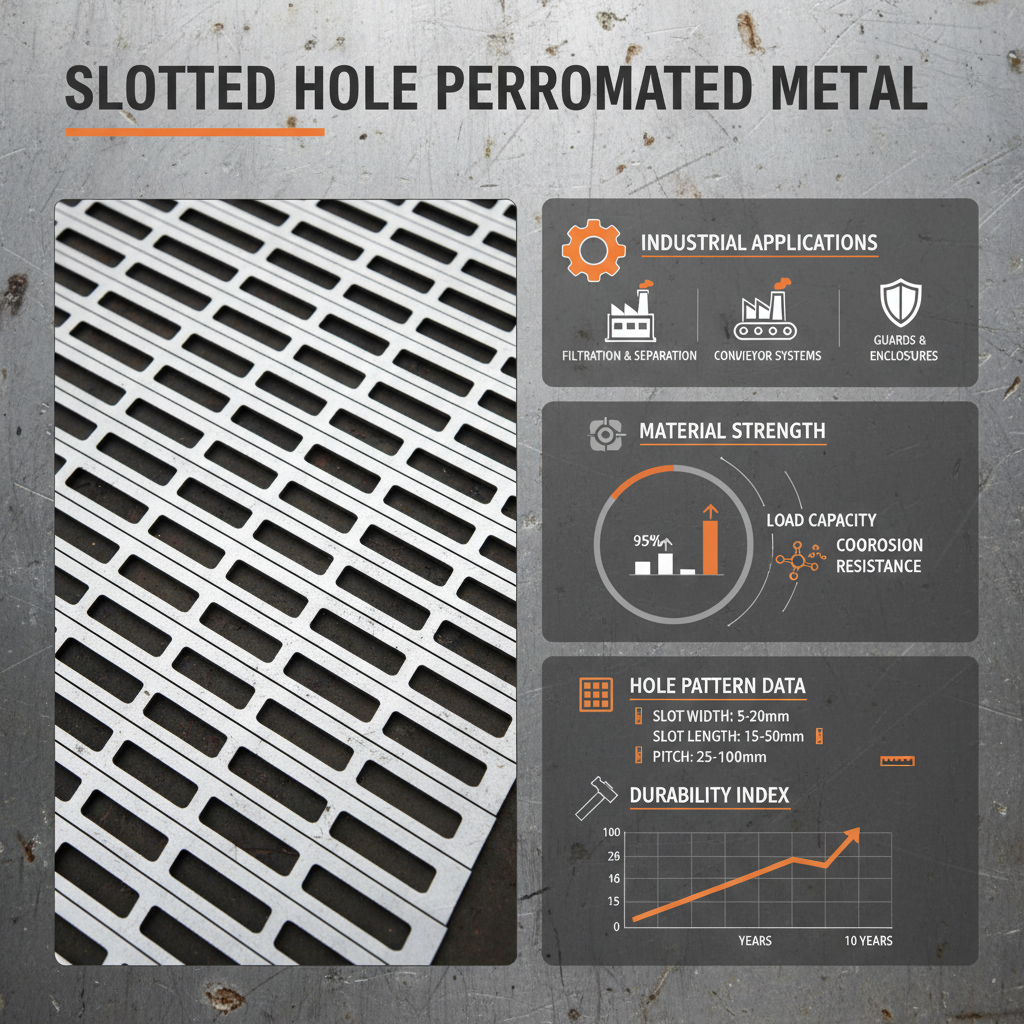
Slotted |
8 |
FAQS
The lifespan of perforated mesh metal structures varies depending on the material used and the environmental conditions. Stainless steel typically offers the longest lifespan, exceeding 50 years with minimal maintenance. Aluminum and galvanized steel can last 20-30 years, while mild steel may require more frequent maintenance or coatings to prevent corrosion. Proper installation and regular cleaning contribute significantly to longevity.
The perforation pattern plays a crucial role in acoustic performance. Smaller, more densely spaced holes generally offer greater sound absorption, while larger, less frequent holes allow for more sound transmission. Different patterns—round, square, slotted—also influence sound diffusion characteristics. Selecting the appropriate pattern requires careful consideration of the specific acoustic requirements of the application.
Common metal types include stainless steel (304, 316), aluminum (5052, 6061), mild steel, galvanized steel, copper, and titanium. Stainless steel is favored for its corrosion resistance, while aluminum offers a lightweight and cost-effective solution. Mild steel is suitable for applications where corrosion is not a major concern, and titanium provides exceptional strength and durability.
Perforated mesh metal is typically manufactured through punching, laser cutting, or etching. Punching is a cost-effective method for creating large holes, while laser cutting offers higher precision and intricate designs. Etching is often used for creating very small and precise perforations. The choice of manufacturing process depends on the desired hole size, pattern, and material thickness.
Yes, perforated mesh metal can be powder coated to enhance its corrosion resistance, improve its aesthetic appearance, and provide a wider range of color options. Powder coating creates a durable and protective layer that extends the lifespan of the material and allows it to blend seamlessly with its surroundings.
When handling perforated mesh metal, it’s crucial to wear appropriate personal protective equipment (PPE), including gloves and safety glasses, to protect against sharp edges. Careful handling is required to avoid cuts or abrasions. During cutting or fabrication, proper ventilation should be ensured to remove any metal dust or fumes.
Conclusion
Perforated mesh metal stands as a testament to innovative material science, offering a unique combination of strength, versatility, and aesthetic appeal. Its adaptability across diverse industries—from construction and automotive to aerospace and filtration—underscores its global relevance and increasing importance in modern engineering and design. The benefits extend beyond mere functionality, encompassing sustainability, cost-effectiveness, and long-term value.
Looking ahead, continued advancements in manufacturing technologies and material science promise to further expand the applications of perforated mesh metal. By embracing innovation and prioritizing sustainable practices, we can unlock its full potential, contributing to more efficient, resilient, and aesthetically pleasing built environments. Explore our comprehensive range of perforated metal products and solutions at www.tomaifilter.com.