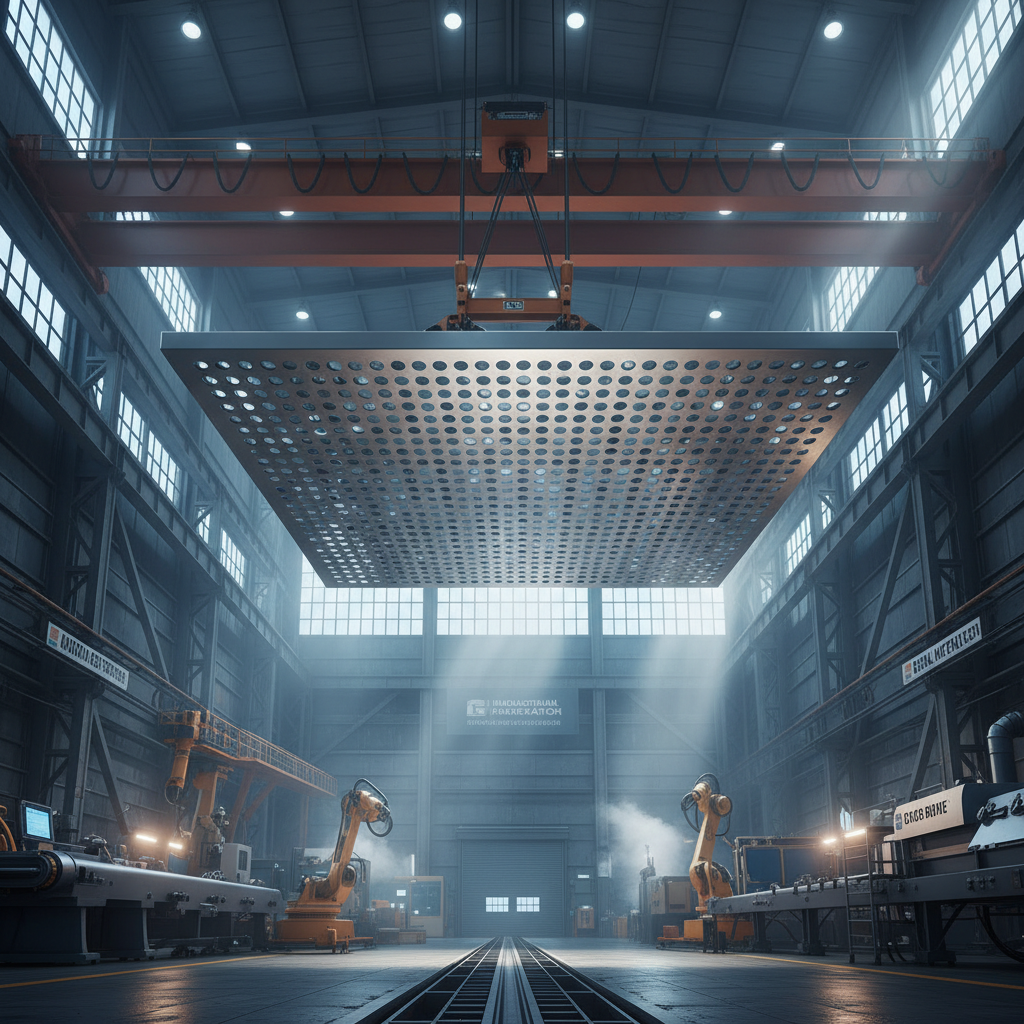
Perforated mesh metal sheet is a versatile material finding increasing applications across diverse industries globally. Its unique combination of properties—strength, lightweight nature, controlled permeability, and aesthetic appeal—makes it invaluable in sectors ranging from architecture and filtration to security and industrial processing. Understanding the nuances of perforated metal, including material selection, perforation patterns, and manufacturing processes, is crucial for optimizing its performance and expanding its utilization in innovative ways.
The global demand for perforated mesh metal sheet is driven by several factors, including rapid industrialization in emerging economies, increasing infrastructure development, and growing awareness of the benefits of efficient filtration and ventilation systems. According to market research reports, the perforated metal market is projected to experience steady growth in the coming years, with a significant emphasis on sustainable and eco-friendly materials. This demand underscores the importance of readily available, high-quality perforated metal solutions.
Ultimately, perforated mesh metal sheet provides solutions to challenges related to material efficiency, environmental control, and structural integrity. Its adaptability and cost-effectiveness ensure its continued relevance in addressing both present and future technological and infrastructural needs.
The Core Characteristics of perforated mesh metal sheet
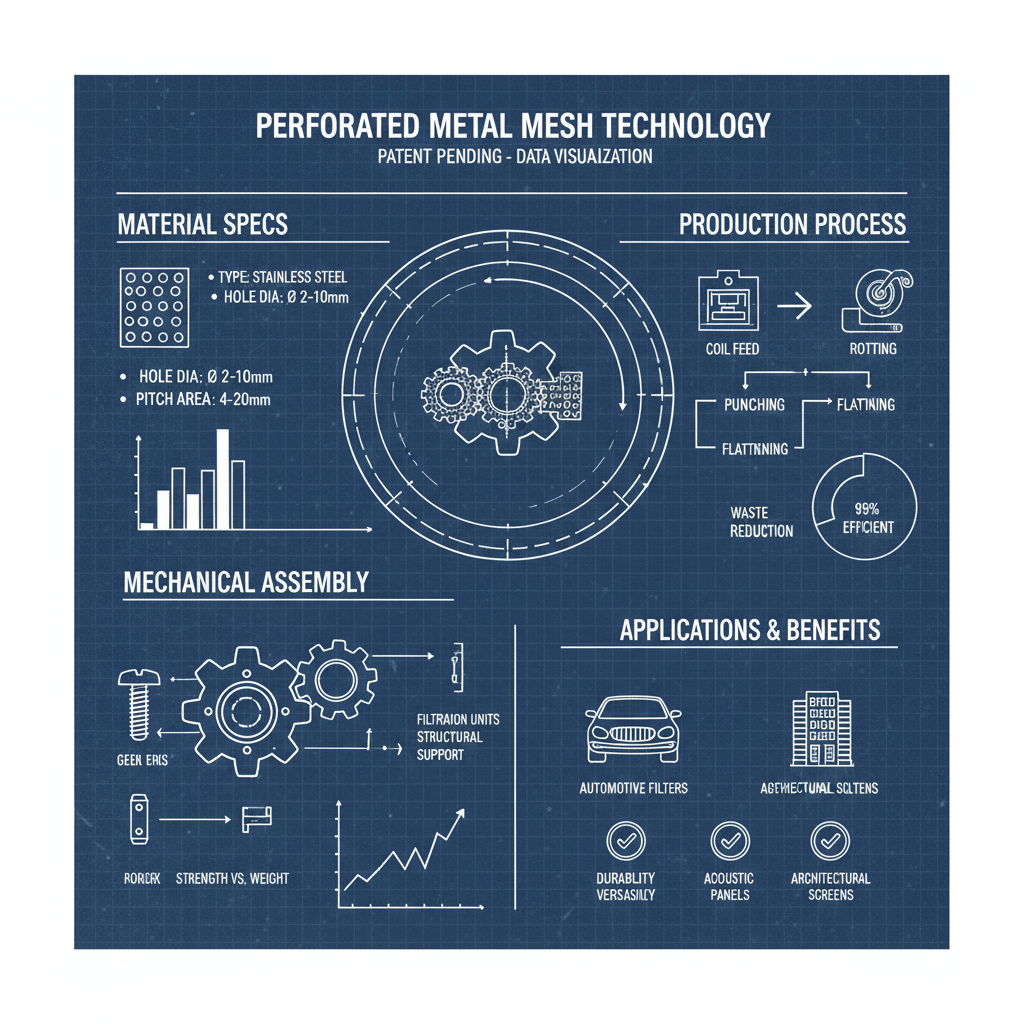
Perforated mesh metal sheet is characterized by its precise and consistent patterns of holes across a metal surface. These holes can vary significantly in size, shape, and spacing, influencing the material’s properties such as air permeability, sound transmission, and light filtration. The choice of metal – including stainless steel, aluminum, carbon steel, and more – impacts its durability, corrosion resistance, and overall suitability for specific applications.
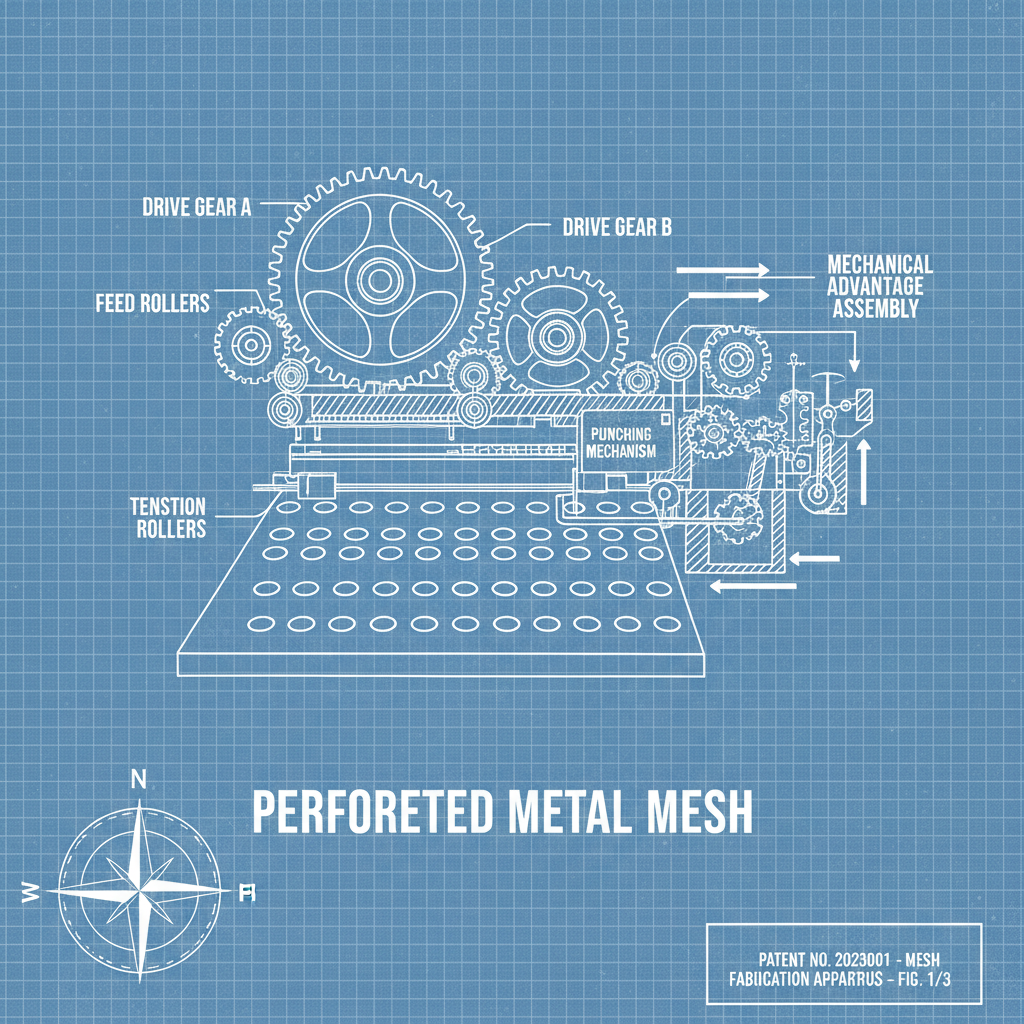
The manufacturing process of perforated metal involves techniques like punching, laser cutting, and etching, each offering different levels of precision and cost-effectiveness. A crucial characteristic is the ability to tailor the perforation pattern to meet unique requirements, making it highly adaptable across a broad spectrum of engineering and design challenges.
The Global Importance of Perforated Metal
Perforated metal plays a critical role in numerous industries worldwide. Its usage in architectural applications, like facades and sunshades, is steadily increasing, driven by the demand for energy-efficient buildings and aesthetic design elements. Industrial sectors rely heavily on perforated metal for filtration systems, sound dampening, and safety guards, enhancing operational efficiency and workplace safety.
The growing demand from the automotive and aerospace industries for lightweight and high-strength materials is also fueling the demand for perforated metal. Emerging markets, particularly in Asia-Pacific and Latin America, are experiencing rapid infrastructure development, further boosting the consumption of this versatile material. The United Nations Industrial Development Organization (UNIDO) reports highlight the increasing need for robust and adaptable materials in these regions.
Furthermore, the increasing focus on sustainability is influencing material choices, with perforated metal offering opportunities for material reduction and improved energy efficiency, aligning with global environmental goals outlined by organizations like the World Bank.
Defining Perforated Mesh Metal Sheet
Perforated mesh metal sheet, in its simplest form, is a metal sheet containing a variety of holes or openings, strategically designed and manufactured to achieve specific functional or aesthetic objectives. Unlike woven wire mesh, which is created by interlacing wires, perforated metal is formed from a solid sheet of metal with patterns cut or punched into it. The resulting product possesses a unique blend of strength, durability, and permeability.
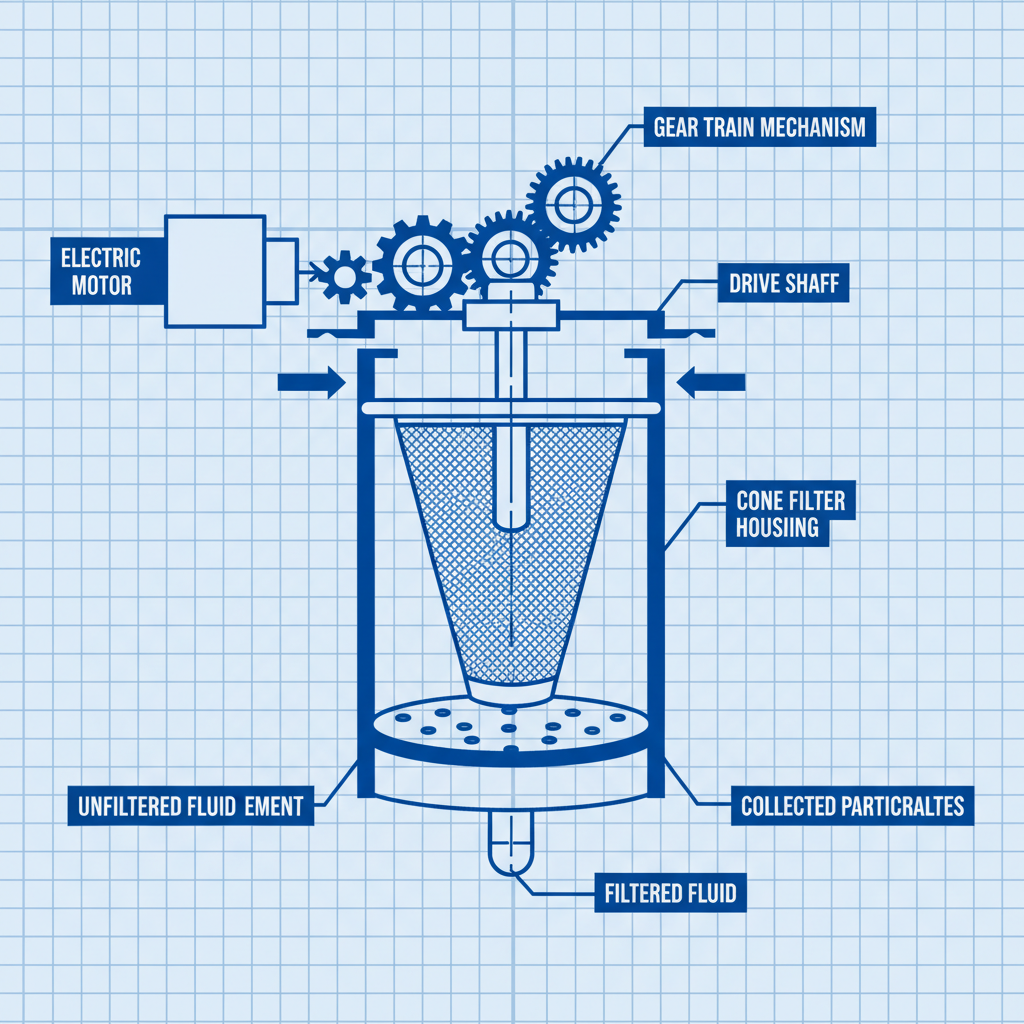
Its relevance extends beyond simple material science. In modern industry, perforated mesh metal sheet is vital for fluid management in chemical processing plants, ensuring precise filtering and separation. Within humanitarian efforts, it's crucial in building fast-deployment shelters, providing ventilation and protection. These examples demonstrate its capability to address both complex technological demands and basic human needs.
The adaptability of perforated mesh metal sheet – through varying hole sizes, patterns, and material compositions – makes it a foundational component in countless applications. The rise of customizable manufacturing has further enhanced its accessibility and widespread integration into both large-scale and niche projects.
Key Factors Influencing Perforated Metal Selection
Selecting the appropriate perforated mesh metal sheet requires careful consideration of several key factors. Durability, particularly corrosion resistance, is paramount, dictating the choice of material – stainless steel for harsh environments, aluminum for lightweight applications, or carbon steel with protective coatings for cost-effectiveness.
Scalability, or the ability to produce sheets of varying sizes and quantities, is critical for projects ranging from small-scale artistic installations to large-scale architectural facades. Cost-efficiency balances material selection with manufacturing processes; laser cutting offers precision but can be more expensive than punching.
Perforated Mesh Metal Sheet Application Rating
Diverse Applications of Perforated Mesh Metal Sheet
The applications of perforated mesh metal sheet are incredibly diverse. In architecture, it’s used for building facades, sunshades, and decorative panels, enhancing both aesthetics and energy efficiency. Industrial applications include filtration systems for liquids and gases, speaker grills for acoustic performance, and safety guards for machinery.
In post-disaster relief operations, perforated metal serves as a vital component in rapidly deployable shelters, providing ventilation and structural support. Remote industrial zones utilize it in noise reduction barriers and equipment enclosures, improving working conditions and complying with safety regulations.
Advantages and Long-Term Value Proposition
The advantages of using perforated mesh metal sheet are multifaceted. Cost-effectiveness is significant, as it can reduce material usage while maintaining structural integrity. Sustainability is enhanced through material recyclability and potential for reduced energy consumption in building applications. The long-term durability and low maintenance requirements translate into reduced lifecycle costs.
Beyond the tangible benefits, perforated metal provides safety and security enhancements, particularly in industrial settings. The aesthetic possibilities offer architectural innovation and increased property value. The trust associated with its reliable performance contributes to a positive brand image and customer satisfaction.
Future Trends in Perforated Metal Manufacturing
The future of perforated metal manufacturing is being shaped by several emerging trends. Advanced laser cutting techniques and CNC machining are enabling increasingly complex and precise perforation patterns. The development of new materials, including lightweight alloys and self-healing metals, is expanding the application possibilities.
Digital transformation, incorporating IoT sensors and data analytics, is optimizing production processes and enabling real-time monitoring of material performance. Automation and robotics are enhancing efficiency and reducing labor costs. A growing emphasis on sustainability is driving the development of eco-friendly manufacturing processes and the use of recycled materials.
Key Performance Indicators of Perforated Mesh Metal Sheet Manufacturing Processes
| Manufacturing Process |
Production Cost (1-10) |
Precision Level (1-10) |
Material Versatility (1-10) |
| Punching |
7 |
6 |
8 |
| Laser Cutting |
5 |
10 |
7 |
| Etching |
6 |
9 |
6 |
| Plasma Cutting |
8 |
7 |
9 |
| Waterjet Cutting |
4 |
8 |
7 |
| CNC Machining |
3 |
10 |
6 |
FAQS
The most prevalent metals include stainless steel (for corrosion resistance), aluminum (for lightweight applications), and carbon steel (for cost-effectiveness). The selection depends on the environment, load requirements, and budget. Galvanized steel is also frequently used for outdoor applications. Each metal offers a unique balance of properties, influencing the overall performance and longevity of the perforated metal sheet.
The perforation pattern significantly influences the mechanical and physical properties of the sheet. Hole size, shape, and spacing impact the sheet's strength, flexibility, permeability (air and liquid flow), sound absorption, and weight. Larger holes generally reduce strength but increase airflow, while smaller, closely spaced holes maintain strength but restrict flow. Custom patterns are designed to meet specific application requirements.
Perforated metal is widely used in architectural facades to provide sun shading, ventilation, and aesthetic appeal. It can also serve as decorative screens, railings, and cladding materials. Its lightweight nature and ability to be formed into complex shapes make it a versatile choice for modern building designs. The ability to customize the perforation pattern allows architects to create unique visual effects and control light transmission.
The lifespan of a perforated metal sheet depends on the material, the environment, and any protective coatings applied. Stainless steel typically offers the longest lifespan, often exceeding 50 years, even in harsh conditions. Aluminum can last 30-40 years with proper maintenance. Carbon steel, if properly coated, can last 20-30 years. Regular cleaning and inspection are crucial for maximizing the lifespan.
Perforated metal contributes to sustainability through several avenues. Its lightweight nature reduces transportation costs and structural support requirements. Its ability to improve natural ventilation reduces reliance on energy-intensive HVAC systems. The recyclability of most metals used in perforated sheet minimizes environmental impact. Material optimization through perforation patterns reduces overall material usage.
Cost factors include the type of metal, the thickness of the sheet, the perforation pattern complexity, the hole size and spacing, the manufacturing process used (punching, laser cutting, etc.), and the order quantity. Custom patterns and specialized materials generally increase the cost. Shipping and handling charges also contribute to the overall expense. Obtaining quotes from multiple suppliers is recommended.
Conclusion
Perforated mesh metal sheet stands as a testament to innovative material science and its adaptability across diverse applications. From enhancing architectural designs to improving industrial processes and facilitating humanitarian efforts, its unique properties and versatility make it an indispensable component in numerous sectors. Understanding its core characteristics, selecting the appropriate materials and patterns, and considering future trends are crucial for harnessing its full potential.
As technology advances and sustainability concerns grow, perforated metal is poised to play an even more significant role in shaping a more efficient, aesthetically pleasing, and environmentally responsible future. We encourage you to explore the possibilities of perforated metal for your next project. Visit our website at tomaifilter.com to learn more and request a quote.