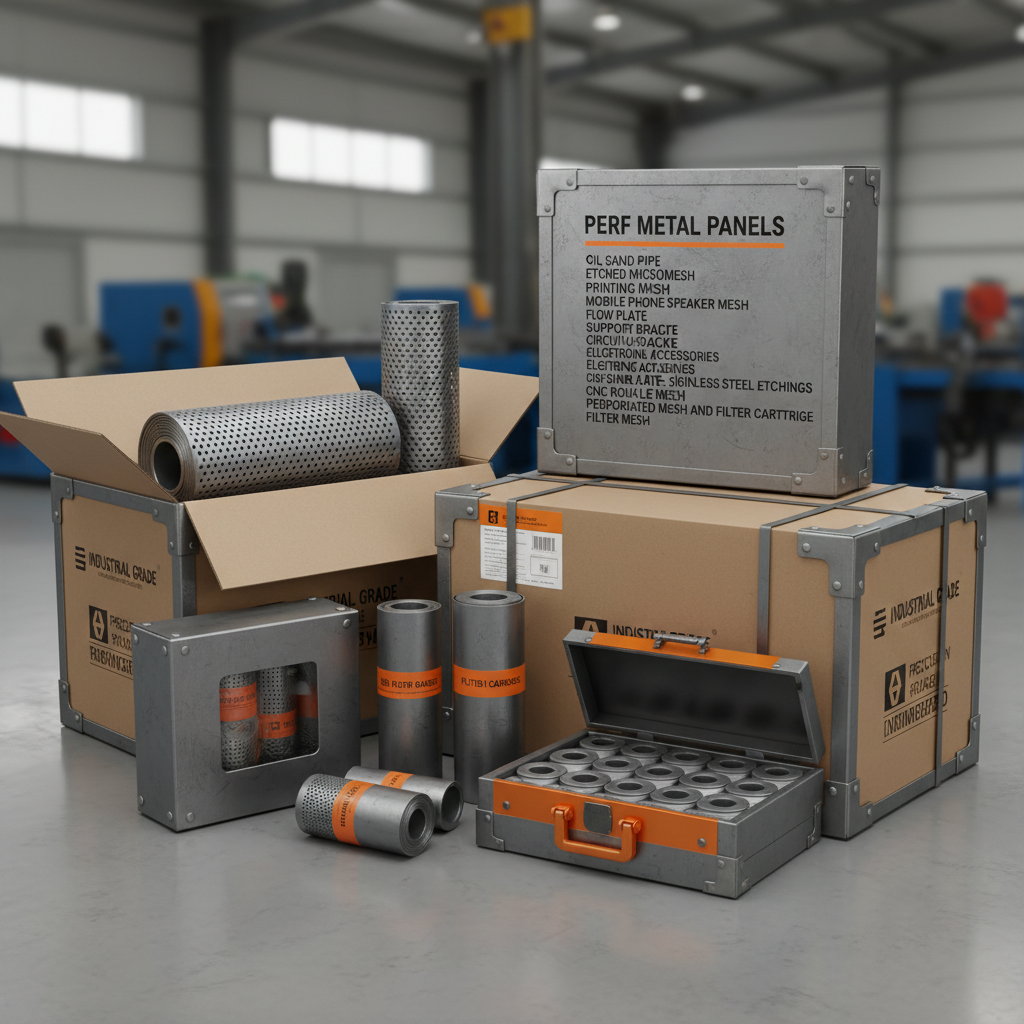
Perforated plate 3mm represents a versatile engineering material finding increasing applications across diverse industries. Its precisely engineered holes offer unique properties relating to filtration, sound attenuation, and weight reduction. Understanding the characteristics and potential of this material is crucial for engineers, designers, and manufacturers seeking optimal solutions for their specific needs. The demand for cost-effective and adaptable materials like perforated plate 3mm is rising globally.
Globally, the market for perforated metal sheets, including 3mm variations, is experiencing steady growth, driven by factors such as expanding construction, automotive, and pharmaceutical sectors. According to industry reports, the Asia-Pacific region dominates the market, with increasing demand stemming from rapid industrialization. However, challenges remain in ensuring consistent quality control and sourcing sustainable materials for its production.
Perforated plate 3mm addresses the challenge of needing a robust, lightweight material with customizable properties. It allows for precise control over airflow, light transmission, or fluid passage, making it indispensable in applications ranging from architectural facades to industrial filters. Its relatively low cost and ease of fabrication contribute to its widespread adoption.
Introduction to Perforated Plate 3mm
Perforated plate 3mm excels in applications needing precise material control. The 3mm thickness balances strength and weight, making it suitable for structural elements while maintaining ease of handling. The controlled perforation pattern allows for predictable performance in applications requiring airflow management, sound dampening, or filtration.
Its ability to be readily formed into complex shapes without losing its structural integrity further enhances its versatility. This makes perforated plate 3mm a preferred choice for architectural features, industrial screens, and acoustic panels, where aesthetic appeal and functional performance are equally important.
Global Relevance and Industry Context
The demand for perforated plate 3mm is intrinsically linked to global industrial growth. Manufacturing, construction, and increasingly, sustainable energy initiatives drive the need for materials with specific characteristics that perforated metal provides. International standards, such as those set by ISO, govern the quality and safety of perforated metal sheets, ensuring consistency across global markets.
A significant challenge arises from varying regional regulations regarding material sourcing and environmental impact. Increasingly, industries are seeking sustainable manufacturing processes and recycled materials, impacting the production and supply chain of perforated plate 3mm. Companies that embrace environmentally responsible practices are positioned to thrive in this evolving landscape.
The current geopolitical climate presents supply chain vulnerabilities, necessitating robust sourcing strategies and diversified supplier networks. Countries reliant on specific regions for raw materials face potential disruptions, highlighting the importance of local production and resilient supply chains for perforated plate 3mm.
Defining Perforated Plate 3mm
Perforated plate 3mm is a sheet of metal, typically stainless steel, aluminum, or carbon steel, that has been patterned with holes. The “3mm” denotes the sheet's thickness, providing a balance of strength and flexibility. These holes can be of various shapes (round, square, oval, etc.) and sizes, arranged in a variety of patterns to achieve desired functional or aesthetic effects.
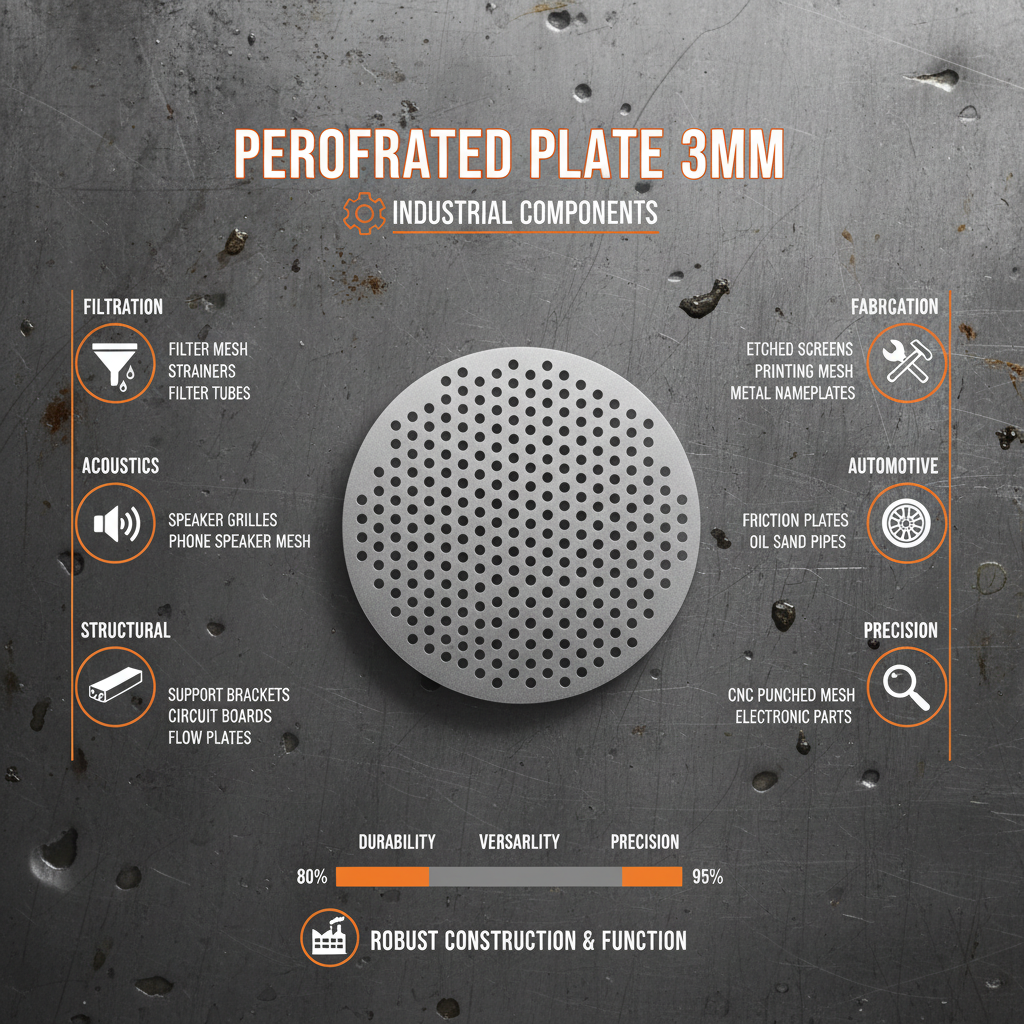
In a modern industrial context, perforated plate 3mm is more than just a material; it’s a customizable solution. It serves as a critical component in filtration systems, providing precise pore sizes for separating solids from liquids or gases. It also plays a crucial role in architectural designs, offering both visual appeal and functional properties like sound absorption and solar shading.
Connecting to humanitarian needs, perforated metal can be integrated into water filtration systems for providing clean drinking water in developing nations. Its durability and ease of cleaning make it an ideal material for such applications. Additionally, it can be used in constructing temporary shelters and providing ventilation in disaster relief efforts.
Key Factors of Perforated Plate 3mm
Durability: Perforated plate 3mm, especially when manufactured from stainless steel, exhibits excellent corrosion resistance and can withstand harsh environmental conditions. This makes it ideal for both indoor and outdoor applications, ensuring a long service life.
Versatility: The ability to customize hole size, pattern, and material type allows for adaptability to a wide range of applications, from simple filtration to complex acoustic designs. The 3mm thickness offers a good balance between strength and formability.
Performance Metrics of Perforated Plate 3mm
Global Applications of Perforated Plate 3mm
In the architectural sector, perforated plate 3mm is widely utilized for facades, sunshades, and screens, offering both aesthetic appeal and functional benefits like reducing solar heat gain. Notable examples can be found in modern building designs across Europe and Asia.
The automotive industry employs perforated metal for radiator grilles, air intake systems, and speaker covers, leveraging its lightweight and airflow management properties. Many leading automotive manufacturers incorporate perforated metal components into their vehicle designs.
Advantages and Long-Term Value
The tangible benefits of using perforated plate 3mm include cost-effectiveness due to its relatively simple manufacturing process, long-term durability reducing replacement costs, and design flexibility allowing for customized solutions. These benefits translate into significant savings for businesses.
From a sustainability standpoint, perforated metal can contribute to energy efficiency in buildings by reducing the need for artificial lighting and air conditioning. Its use also fosters innovation in design, creating unique and visually appealing structures while promoting a sense of safety and trust through its robust construction.
Future Trends and Innovations
Emerging trends involve integrating perforated plate 3mm with smart materials and sensors for responsive building facades that automatically adjust to sunlight and temperature. Advancements in laser cutting technology enable even more intricate and precise perforation patterns.
Digital fabrication techniques, such as 3D printing of perforated metal structures, are gaining traction, allowing for customized designs and complex geometries previously unattainable. Furthermore, research into biodegradable and sustainable materials for perforated metal production is gaining momentum.
The integration of perforated plate 3mm into green energy systems is also a growing area of innovation. Applications include improved efficiency in solar panel cooling systems and enhanced airflow in wind turbine components.
FAQS
Perforated plate 3mm is commonly manufactured from stainless steel (304, 316), aluminum, and carbon steel. Stainless steel offers superior corrosion resistance, aluminum provides a lightweight solution, and carbon steel is a cost-effective option for indoor applications. The choice depends on the intended environment and performance requirements.
Lead times for custom perforated plate 3mm orders vary depending on the quantity, hole pattern complexity, and material availability. Generally, smaller orders can be fulfilled within 2-3 weeks, while larger or more complex orders may require 4-6 weeks or longer. It's best to contact a supplier for a precise quote and timeline.
The hole pattern design for perforated plate 3mm is crucial for achieving optimal performance. Factors considered include open area percentage, hole shape, stagger, and sheet thickness. Engineers use specialized software and calculations to determine the ideal pattern based on the intended application, such as airflow, filtration, or sound absorption.
Yes, perforated plate 3mm can generally be welded and formed after perforation, but it requires careful consideration. Welding can potentially distort the hole pattern, so specific welding techniques and post-weld stress relief may be necessary. Forming requires appropriate tooling and allowances to prevent hole deformation.
The cost of perforated plate 3mm per square foot varies widely depending on the material, hole size, pattern complexity, and quantity ordered. Generally, prices range from $5 to $30 per square foot. Stainless steel and intricate patterns will be more expensive. Obtaining a quote from a supplier is recommended for accurate pricing.
Standard hole sizes for perforated plate 3mm typically range from 0.0625 inches (1.59 mm) to 0.5 inches (12.7 mm) in diameter. However, custom hole sizes are readily available to meet specific application requirements. Common shapes include round, square, oval, and slotted. A wide variety of arrangements, including staggered and straight patterns, are also offered.
Conclusion
Perforated plate 3mm stands as a highly adaptable and versatile material, offering a compelling combination of strength, lightweight construction, and customizable properties. Its applications span a multitude of industries, contributing to advancements in architecture, manufacturing, and sustainable technologies. Understanding its characteristics and potential is crucial for those seeking innovative and efficient material solutions.
Looking ahead, continued research and development in materials science and fabrication techniques will further unlock the potential of perforated plate 3mm. Embracing sustainable practices and exploring new applications will be key to maximizing its long-term value and ensuring its continued relevance in a rapidly evolving global landscape. For more information and to explore our range of perforated metal products, visit our website: tomaifilter.com.