The efficient and reliable filtration of liquids is critical across countless industries, from food and beverage production to pharmaceutical manufacturing and environmental remediation. One often-overlooked but highly effective method involves the use of cone filters within a basket system. This approach offers a compelling blend of cost-effectiveness, scalability, and ease of use, making it a practical solution for a wide range of applications where clear, purified liquids are essential. Understanding the nuances of how to properly use cone filter in basket systems is therefore crucial for optimizing processes and maintaining quality control.
Globally, the demand for efficient filtration solutions is driven by increasingly stringent regulations concerning product purity and environmental impact. Industries are constantly seeking methods to reduce waste, minimize contamination risks, and improve overall operational efficiency. The cone filter in basket method directly addresses these needs by providing a simple, yet highly effective, way to remove particulate matter and impurities from liquids. This demand is particularly pronounced in emerging economies experiencing rapid industrial growth and a heightened focus on public health.
Furthermore, the adaptability of a use cone filter in basket system makes it relevant to diverse situations, from small-scale laboratory testing to large-scale industrial processes. The simplicity of the design minimizes maintenance requirements and allows for easy integration into existing workflows, reducing downtime and maximizing productivity. The benefits extend beyond mere efficiency; using the right filtration system can significantly enhance product quality and consistency.
The Core Principles of use cone filter in basket
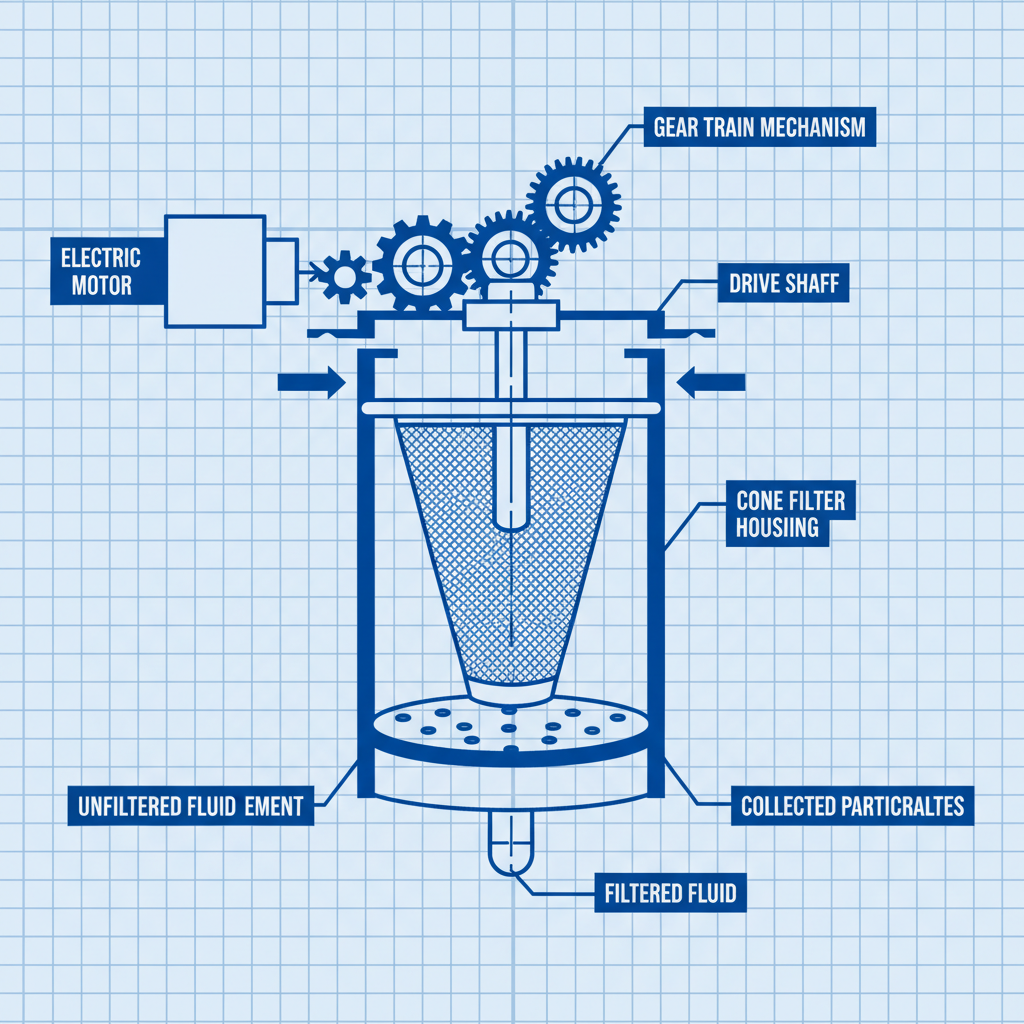
At its heart, the use cone filter in basket system leverages gravity and a carefully designed cone-shaped filter to separate solid particles from liquids. The basket provides structural support and containment, while the cone filter, typically made of paper, cloth, or a synthetic material, acts as the primary barrier. This design allows for relatively high flow rates while effectively removing unwanted impurities. The simplicity of the system is a key advantage.
The efficiency of this method is directly influenced by several factors including the pore size of the filter material, the viscosity of the liquid being filtered, and the concentration of solid particles. Choosing the correct filter material is essential to ensuring the desired level of purification is achieved without compromising flow rates or causing premature filter clogging. Proper implementation of this filtration process is critical.
Global Significance and Applications of use cone filter in basket
The demand for reliable filtration is a global phenomenon, driven by diverse industries like food processing, pharmaceuticals, cosmetics, and chemical manufacturing. The use cone filter in basket method offers a particularly appealing solution in regions where cost-effectiveness and ease of maintenance are paramount. It's frequently employed in smaller-scale operations and as a pre-filtration step in larger, more complex systems.
According to the World Health Organization, access to clean water is a fundamental human right, yet millions still lack this basic necessity. While large-scale water treatment plants utilize advanced technologies, simpler filtration methods like those incorporating cone filters in basket play a crucial role in providing safe drinking water in resource-constrained environments. The affordability and accessibility of these systems make them valuable tools for humanitarian efforts and community-based water purification programs.
Furthermore, the ISO 9001 standard emphasizes the importance of quality control in manufacturing processes. The use cone filter in basket system aids businesses in adhering to these standards by ensuring product purity and consistency, ultimately enhancing brand reputation and customer trust. The impact on global supply chains is significant.
Defining use cone filter in basket: A Comprehensive Overview
The phrase "use cone filter in basket" refers to a straightforward filtration process where a cone-shaped filter medium is positioned within a supporting basket structure. This basket usually has perforations allowing the filtered liquid to pass through while retaining the solids trapped by the cone filter. This technique is employed across a broad spectrum of applications where the removal of particulate matter from liquids is essential, often as a preliminary step before more refined purification processes.
The connection to modern industry stems from the need for consistently high product quality and the avoidance of contamination. In pharmaceutical manufacturing, for example, the use of a use cone filter in basket system ensures that intravenous fluids are free of particulate matter, safeguarding patient health. Similarly, in the food and beverage industry, it ensures the clarity and purity of juices, wines, and oils, enhancing consumer appeal and safety.
The system also aligns with humanitarian needs. In disaster relief situations, portable use cone filter in basket setups can be rapidly deployed to provide access to clean drinking water, mitigating the risk of waterborne diseases. Its simplicity and minimal reliance on external power sources make it an ideal solution in areas with limited infrastructure. The broad applicability is noteworthy.
Key Aspects of Optimal use cone filter in basket Performance
Several key factors contribute to the effective use of a cone filter in basket. Filter Material Selection is crucial; materials like paper, nylon, polypropylene, and stainless steel each offer different properties in terms of filtration efficiency, chemical compatibility, and cost. Flow Rate Management directly impacts filter performance; excessively high flow rates can lead to reduced efficiency and premature clogging.
Pre-Filtration can extend the life of the cone filter by removing larger particles before they reach the filter medium. Basket Design plays a role in ensuring even liquid distribution and maximizing the filter's effective surface area. Finally, Regular Maintenance and Replacement of the filter is vital to maintain consistent performance and prevent contamination.
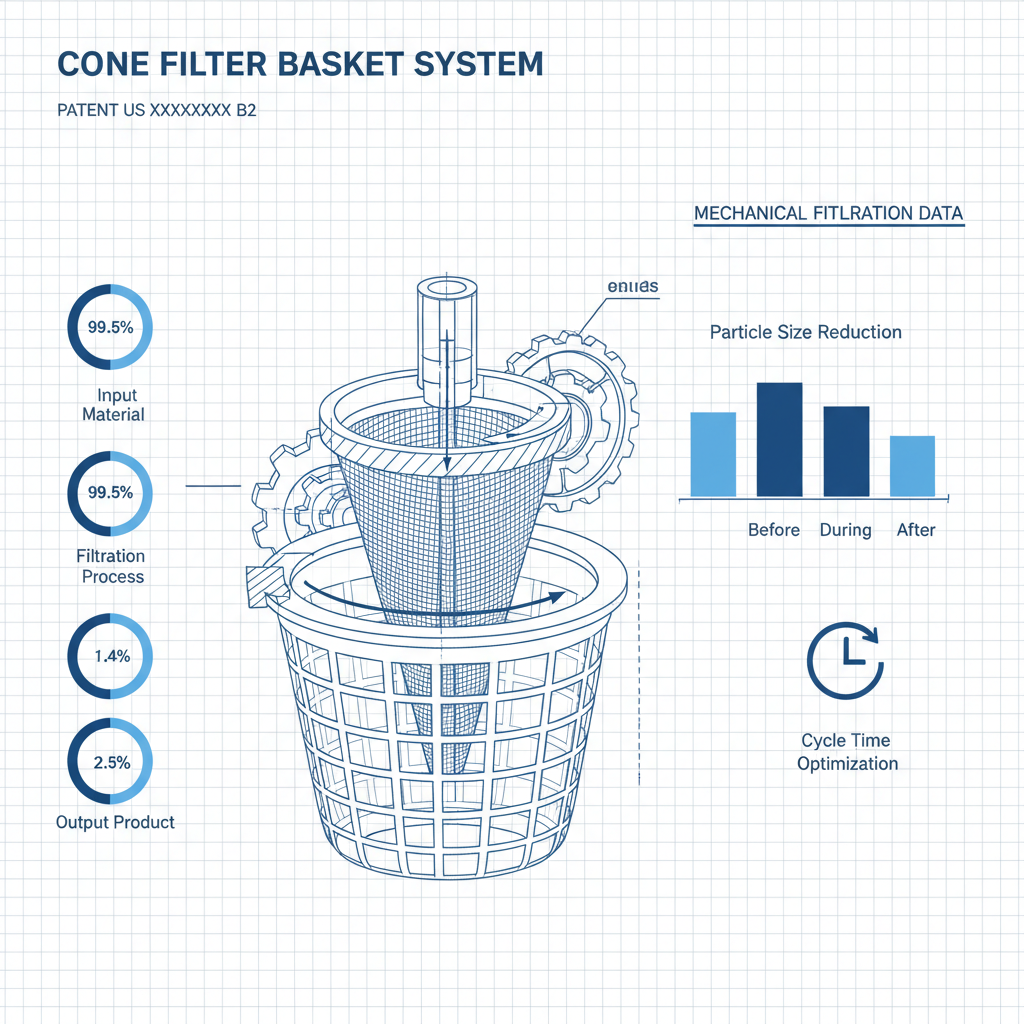
Use Cone Filter in Basket Performance Metrics
Real-World Use Cases for use cone filter in basket
In post-disaster relief operations, a readily deployable use cone filter in basket system can provide immediate access to safe drinking water for affected populations, preventing the spread of waterborne diseases. Similarly, in remote industrial zones where access to advanced water treatment facilities is limited, these systems offer a cost-effective solution for purifying process water.
The food and beverage industry extensively uses this method for clarifying juices, wines, and oils, ensuring product clarity and enhancing consumer appeal. Small-scale craft breweries often rely on use cone filter in basket systems for filtering beer, preserving its flavor and removing sediment. This is a highly versatile filtration technique.
Advantages and Long-Term Value of use cone filter in basket
The advantages of employing a use cone filter in basket system are numerous. Cost-effectiveness is a primary benefit, as the system requires minimal capital investment and ongoing maintenance. Sustainability is enhanced through reduced waste generation, especially when using reusable filter materials.
Social impact is significant, particularly in providing access to clean water in underserved communities. Reliability is another key advantage, as the system is relatively simple and less prone to malfunctions compared to more complex filtration technologies. Furthermore, it contributes to increased safety by eliminating harmful contaminants from liquids.
Future Trends and Innovations in use cone filter in basket Technology
Future innovations in use cone filter in basket technology will likely focus on enhancing filter materials and automating the filtration process. Research into biodegradable filter materials will further improve the sustainability of the system. The integration of sensors and IoT devices can enable real-time monitoring of filter performance and predictive maintenance.
The development of self-cleaning filter baskets will reduce maintenance requirements and extend the lifespan of the filter medium. Furthermore, combining use cone filter in basket with other purification technologies, such as UV disinfection, will create more comprehensive water treatment solutions. This trend is aligned with global shifts towards green technologies and automation.
Digital transformation will also play a role, with cloud-based platforms used to manage filter inventory, track performance data, and optimize filtration processes. This data-driven approach will enable businesses to make informed decisions and maximize the efficiency of their filtration systems.
Table Summarizing the Challenges and Solutions Associated with Optimizing use cone filter in basket Systems
| Challenge |
Impact on use cone filter in basket Performance |
Potential Solution |
Implementation Cost (1-10) |
| Filter Clogging |
Reduced flow rate, decreased filtration efficiency |
Implementation of pre-filtration systems |
4 |
| Incorrect Filter Material |
Poor filtration performance, potential contamination |
Thorough material compatibility assessment |
3 |
| Uneven Liquid Distribution |
Localized clogging, reduced filter lifespan |
Optimize basket design for even flow |
5 |
| Lack of Maintenance |
Decreased filtration efficiency, increased risk of contamination |
Establish a regular filter replacement schedule |
2 |
| High Viscosity Liquids |
Slow flow rates, increased pressure drop |
Utilize filters with larger pore sizes or pre-heating the liquid |
6 |
| Inadequate Filter Support |
Filter deformation, reduced surface area |
Ensure the basket provides adequate support for the filter cone |
3 |
FAQS
While both methods achieve liquid filtration, the cone filter in basket system excels in simplicity and cost-effectiveness. Plate and frame filtration offers higher precision and capacity but at a significant investment in equipment and maintenance. Use cone filter in basket is ideal for smaller volumes and less demanding purification requirements, providing a quick and easy solution without the complexity of plate and frame systems. The choice depends largely on the scale of operation and desired filtration level.
The frequency of filter replacement depends on the liquid being filtered, its particle concentration, and the desired purity level. Visually inspect the filter regularly for signs of clogging or damage. As a general guideline, replace the filter after processing a specific volume of liquid or when a noticeable decrease in flow rate is observed. Maintaining a log of filter usage and replacement dates is recommended for optimal performance.
It depends on the filter material. Paper filters are generally not suitable for hot liquids as they can degrade and compromise filtration efficiency. However, filters made of materials like polypropylene or stainless steel can withstand higher temperatures. Always verify the temperature rating of the filter material before using it with hot liquids to prevent damage and ensure effective filtration.
Use cone filter in basket is highly effective for filtering a wide range of liquids, including water, juices, oils, solvents, and pharmaceuticals. It's particularly well-suited for liquids containing relatively coarse particulate matter. However, it may not be ideal for extremely viscous liquids or those requiring very fine filtration. The specific choice of filter material should be matched to the chemical compatibility of the liquid being filtered.
Pre-filtration is highly recommended, especially when dealing with liquids containing a high concentration of large particles. Pre-filtration removes these larger particles, extending the lifespan of the cone filter and improving overall filtration efficiency. Simple pre-filters, such as mesh screens or sediment filters, can significantly enhance the performance of the entire system and reduce maintenance costs.
The appropriate pore size depends on the size of the particles you need to remove from the liquid. Smaller pore sizes provide finer filtration but also reduce flow rate and can clog more easily. Consider the application and the desired level of purity. If you're simply removing sediment, a larger pore size may suffice. For more critical applications, a smaller pore size will be necessary. Consult filter specifications and, if possible, perform testing to determine the optimal pore size for your specific needs.
Conclusion
In conclusion, the use cone filter in basket system represents a versatile, cost-effective, and readily deployable solution for a wide array of liquid filtration applications. Its simplicity, combined with its ability to deliver reliable results, makes it a valuable tool across diverse industries, from food and beverage production to humanitarian aid and industrial processing. By understanding the key factors influencing performance – filter material, flow rate, and maintenance – users can optimize this system to meet their specific needs.
Looking ahead, continued innovation in filter materials and automation technologies will further enhance the efficiency and sustainability of use cone filter in basket systems. Adopting these advancements and prioritizing regular maintenance will ensure long-term reliability and contribute to improved product quality, reduced operational costs, and a more sustainable future. To learn more about implementing this filtration solution, visit our website: www.tomaifilter.com.