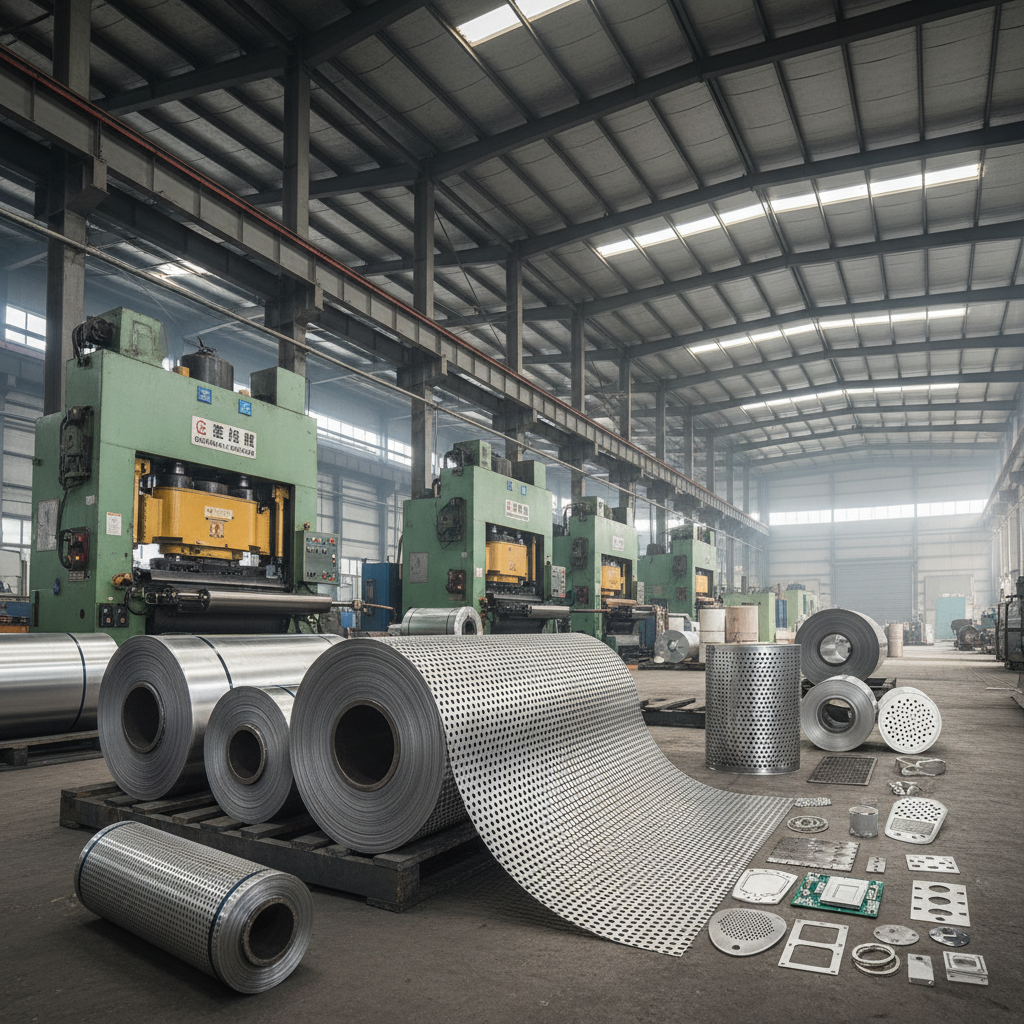
You know, I’ve been running around construction sites for fifteen years, getting dust in my teeth and smelling concrete all day. Lately, everyone’s talking about prefabrication, modular builds… it’s a big shift, honestly. Seems like everyone’s trying to build things faster, off-site, and bring ‘em in ready to go. And that means a lot more demand for good, reliable mesh. Not just any mesh, though. The stuff that can actually handle being shipped and installed without falling apart.
We've been seeing a lot of requests for specialized meshes, especially for HVAC systems and safety barriers. It's moved beyond just covering holes, you know? It's about integrated systems. It’s also pushed everyone towards lighter materials, but lighter can’t mean flimsy. That's the tricky part.
To be honest, a lot of designers still underestimate the stresses these meshes will face. They’ll spec something that looks good on paper, but hasn’t been beaten up and thrown around like it will be in the real world. It’s a learning curve for everyone.
The Current Landscape of Metal Mesh Supply
The biggest thing I’ve noticed lately is the consolidation of suppliers. Fewer companies are holding more of the market, which isn’t necessarily a bad thing – it can mean better quality control, at least. But it also means less flexibility, longer lead times sometimes. You really need to build relationships with your metal mesh suppliers, because when something goes sideways, you need someone who’ll pick up the phone.
And the global situation, well, that throws everything into chaos. Shipping costs are still all over the place, and raw material prices… don’t even get me started. Stainless steel, for example, has been a roller coaster.
Common Design Pitfalls in Metal Mesh Applications
Have you noticed how architects love to specify really intricate patterns? It looks great in the rendering, but then the fabricators are tearing their hair out trying to figure out how to actually make the thing. And then it’s got to be installed, which is a whole other headache. Simplicity is key, in my opinion.
Another thing is neglecting the fastening systems. Using the wrong clips or screws can lead to premature failure, especially in outdoor applications. Vibration, thermal expansion, corrosion… all those things add up.
Strangely, people often forget to consider cleaning and maintenance. A beautiful mesh screen will look terrible if it’s covered in grime. It needs to be accessible for cleaning, or it'll just become an eyesore.
Material Selection: What We’re Actually Using
We use a lot of stainless steel, 304 and 316 mostly. 316 is obviously more corrosion resistant, but it's also more expensive. I can tell you, 304 smells a little metallic when you're cutting it, especially if you’re using a plasma cutter. 316… less so. It just feels… smoother, somehow.
Aluminum is good for lighter applications, but it dents easily. And it’s tricky to weld, if you even need to. We've been playing around with titanium alloy lately, but it's pricey. Really pricey. It's strong as heck and super corrosion resistant, but... well, it's a niche market right now.
Galvanized steel is still popular for things like security cages and fencing. It’s cheap and strong enough, but you’ve got to be careful with the zinc coating. It can flake off over time, and then you've got corrosion problems. The feel of galvanized is rough, kinda gritty. You know what I mean?
Real-World Testing and Performance
Forget the lab tests, honestly. I want to see it bent, stretched, and hammered. We have a little setup at the yard where we simulate shipping damage. Basically, we drop boxes onto pallets of mesh. Crude, I know, but it tells you a lot.
We also do salt spray tests, but those are just a starting point. The real test is installing it near the ocean and seeing what happens after a year. That's when you really know if your metal mesh suppliers are providing quality material.
Mesh Performance Testing Results
How Metal Mesh is Really Used on Site
It’s funny, the things people do with this stuff. We had a contractor use it to create a makeshift climbing wall for his kids on site. I didn't ask. I didn't want to know. But it worked, I guess.
More commonly, it's used for fall protection, ventilation, and security. Sometimes, it’s just to keep pigeons out. You’d be surprised how many calls we get about pigeons.
Advantages, Disadvantages, and Customization Options
The biggest advantage of mesh, obviously, is its strength-to-weight ratio. It’s strong, but it doesn’t weigh a ton. That makes installation easier. Disadvantage? It can be a pain to cut and form, depending on the material.
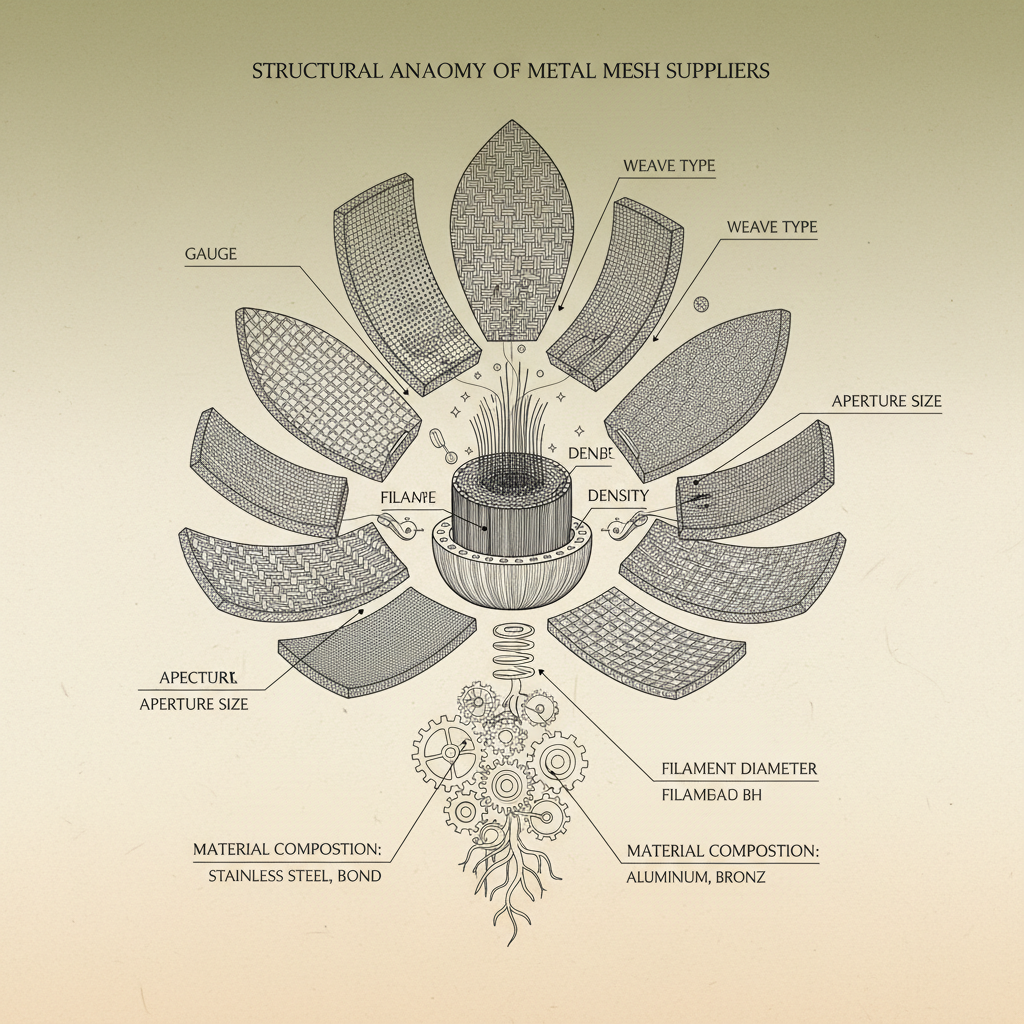
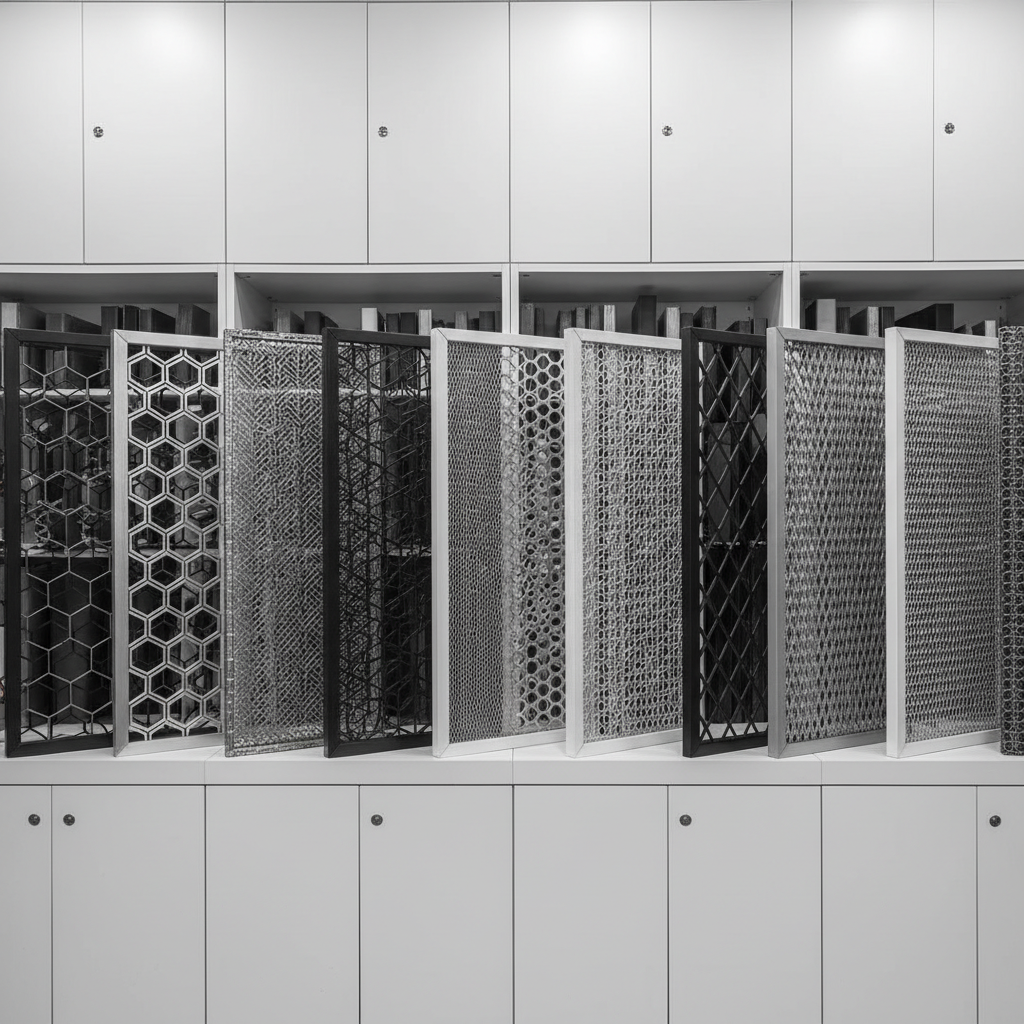
Customization is huge. We did a project last year where the client wanted a specific weave pattern to create a certain visual effect. It was a pain to source, but the end result was stunning. You can get different finishes, different hole sizes, different wire diameters… the possibilities are endless, really.
A Customer Story: The Interface Debacle
Last month, that small boss in Shenzhen who makes smart home devices – Mr. Chen, always wearing a spotless white shirt – insisted on changing the interface to for a new product enclosure. Said it was more "modern." He ordered a whole batch of mesh for the ventilation holes, all custom-sized to fit around the new interface.
Turns out, the port was slightly wider than anticipated. The mesh didn’t fit. He called me, furious, demanding we overnight a whole new batch. I told him, "Mr. Chen, you should've tested this before ordering 10,000 pieces!" It cost him a fortune, and a week of delays.
Anyway, I think that story really illustrates the importance of getting your ducks in a row before you start building.
Summary of Key Material Properties
| Material |
Strength |
Corrosion Resistance |
Cost (1-10) |
| Stainless Steel 304 |
High |
Good |
6 |
| Stainless Steel 316 |
High |
Excellent |
8 |
| Galvanized Steel |
High |
Moderate |
4 |
| Aluminum Alloy |
Moderate |
Good |
5 |
| Titanium Alloy |
Very High |
Excellent |
10 |
| Carbon Steel |
High |
Poor |
3 |
FAQS
For saltwater exposure, you absolutely want to go with 316 stainless steel. It’s significantly more resistant to corrosion than 304, and it'll hold up much better over time. Galvanized steel is a no-go, it'll rust through pretty quickly. Even with coatings, it won’t last. Think long-term and spend the extra money on 316.
Vibration can be a real issue. The key is to use dampening materials and secure the mesh properly. Rubber grommets or pads between the mesh and the supporting structure can help. Also, make sure the mesh is taut, but not overly stretched. Too much tension can actually increase vibration.
Lead times vary a lot depending on the complexity of the order and the availability of materials. But generally, you're looking at 4-6 weeks for a custom order. If it's something really intricate, or if we need to source a special alloy, it could be longer. It's best to get your quotes in as early as possible.
That depends on the application, obviously. Always add extra – at least 10-15% – to account for waste and cutting. And don't forget to factor in any overlap or fastening requirements. A good rule of thumb is to measure twice, cut once, and order a little extra. Trust me.
Stainless steel usually requires shears or a plasma cutter. Aluminum can be cut with shears or a saw. Galvanized steel is best cut with shears to avoid creating dust. Titanium is a bit trickier – you need specialized cutting tools. Always wear appropriate safety gear, no matter what you're cutting!
There's growing interest in recycled metal mesh, especially stainless steel. It's not always readily available, but it's becoming more common. The cost can be a bit higher, but it's a good option if sustainability is a priority. We're working with a few suppliers who are offering recycled content, so it’s worth asking about.
Conclusion
Ultimately, whether you're choosing stainless steel, aluminum, or something else, good metal mesh comes down to quality materials, careful design, and realistic expectations. It’s not just about the specs on a datasheet; it’s about how it performs in the real world, under real-world conditions. The prefabrication boom is really driving demand and pushing suppliers to step up their game.
And, really, whether this thing works or not, the worker will know the moment he tightens the screw. If it feels solid, if it fits right, if it doesn't bend and buckle… that's when you know you've got a good product. Don’t skimp on quality, build relationships with reliable metal mesh suppliers, and always, always test before you scale.