Perforated metal mesh sheet is a versatile material finding increasing application across numerous industries globally. Its unique combination of properties – strength, lightweight nature, permeability, and design flexibility – makes it ideal for diverse uses ranging from architectural facades and industrial filtration to security screens and sound dampening. Understanding the characteristics and potential of perforated metal mesh sheet is crucial for engineers, architects, designers, and manufacturers seeking innovative and efficient solutions.
The global demand for perforated metal mesh sheet is driven by several factors, including urbanization, infrastructure development, and a growing emphasis on sustainable building practices. According to recent market analyses, the industry is projected to experience steady growth in the coming years, particularly in emerging economies. However, challenges such as fluctuating raw material costs and the need for specialized manufacturing processes remain. perforated metal mesh sheet offers solutions to these challenges through optimized material usage and efficient production techniques.
Ultimately, perforated metal mesh sheet isn't simply a material; it's an enabling technology. From improving energy efficiency in buildings to enhancing safety and security in public spaces, its applications contribute to advancements in diverse sectors. As technological innovations continue, the potential of this material will only expand, solidifying its importance in a rapidly evolving world.
The Introduction to Perforated Metal Mesh Sheet
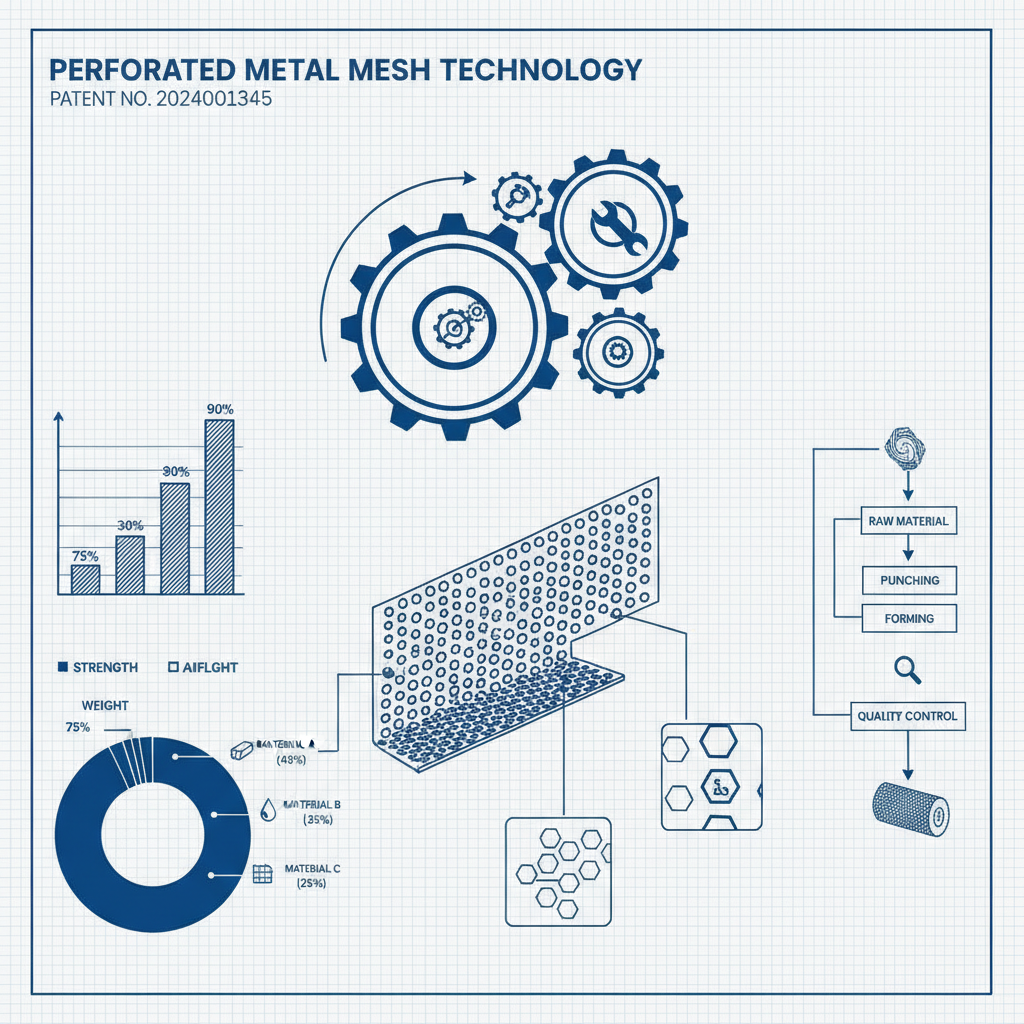
Perforated metal mesh sheet stands out as a highly adaptable material in modern engineering and design. Its creation involves precisely punching holes in a metal sheet, resulting in a strong, yet breathable structure. The customizable nature of hole size, pattern, and material type contributes significantly to its broad appeal.
This seemingly simple process unlocks a wide range of functionalities. The resulting material is lightweight, durable, and offers excellent airflow, sound attenuation, and light transmission characteristics. These properties make it ideal for a diverse array of applications that continue to expand with innovation in manufacturing and material science.
Global Relevance and Industry Context
Perforated metal mesh sheet is utilized worldwide across numerous sectors. The construction industry incorporates it into building facades, sunshades, and decorative elements, contributing to energy efficiency and aesthetic appeal. The industrial sector relies on it for filtration, ventilation, and safety guarding. The transportation sector employs it in noise reduction barriers and lightweight components.
According to a report by Grand View Research, the global metal mesh market was valued at USD 13.89 billion in 2022 and is projected to grow at a compound annual growth rate (CAGR) of 4.5% from 2023 to 2030. This growth is fueled by increasing demand from industries prioritizing performance, durability, and cost-effectiveness.
A key challenge facing industries today is balancing functionality with sustainability. Perforated metal mesh sheet provides a solution by enabling optimized material usage, reduced weight, and improved airflow, all of which contribute to lower energy consumption and a reduced environmental footprint.
Defining Perforated Metal Mesh Sheet
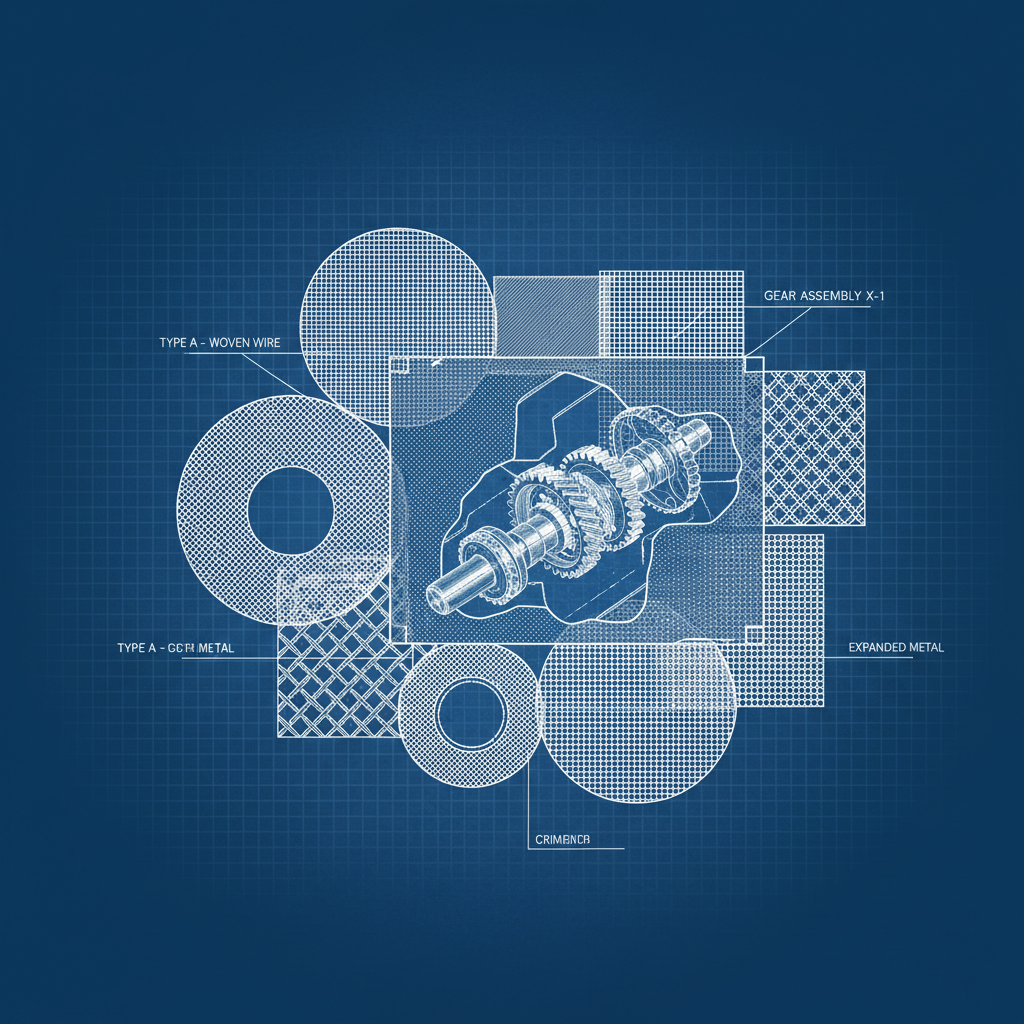
Perforated metal mesh sheet is fundamentally a flat sheet of metal – typically stainless steel, aluminum, or carbon steel – containing uniformly spaced holes. These holes can be round, square, oval, or custom-shaped, and their size and pattern are determined by the specific application requirements. The manufacturing process involves using a die and punch to create the perforations, ensuring precision and consistency.
The connection to modern industry and humanitarian needs lies in its versatility. In industrial settings, it serves as a critical component in filtration systems, ensuring efficient separation of solids and liquids. In architectural applications, it provides shading, ventilation, and aesthetic enhancement. And in emergency response scenarios, it can be quickly deployed as a temporary shelter material. perforated metal mesh sheet is increasingly being adopted in modular construction projects for its rapid assembly and structural integrity.
Essentially, perforated metal mesh sheet bridges the gap between solid material and open space, offering a unique combination of strength, permeability, and design flexibility that makes it invaluable across a wide spectrum of applications. It’s a testament to the power of simple principles applied with precision and ingenuity.
Key Characteristics of Perforated Metal Mesh Sheet
The performance of perforated metal mesh sheet is underpinned by several core characteristics. Firstly, its inherent strength and durability come from the base metal used in its construction. Stainless steel, in particular, provides exceptional corrosion resistance, making it suitable for harsh environments.
Secondly, design flexibility is a major advantage. The size, shape, and arrangement of the perforations can be customized to achieve specific acoustic, visual, or functional effects. This allows architects and designers to create unique and visually striking features.
Performance Comparison of Perforated Metal Mesh Sheet Methods
Global Applications and Use Cases
In post-disaster relief operations, perforated metal mesh sheet is increasingly being used in the construction of rapid-deployment shelters. Its lightweight nature and ease of assembly make it an ideal solution for providing temporary housing in emergency situations. Organizations like the UNHCR are exploring its use in refugee camps.
Within the architectural realm, it’s widely seen as a facade material, offering both aesthetic appeal and practical benefits such as solar shading and natural ventilation. Iconic buildings around the world feature this material as a prominent design element.
Advantages and Long-Term Value
The benefits of using perforated metal mesh sheet are multifaceted. From a cost perspective, optimized material usage and reduced labor requirements can lead to significant savings. Sustainability is another key advantage, as it’s often made from recycled materials and can be fully recycled at the end of its life cycle.
Beyond the tangible benefits, there’s a sense of safety and security associated with its robust construction. The aesthetic versatility fosters innovation and trust in design, while the long lifespan and low maintenance requirements provide long-term value for building owners and operators.
Future Trends and Innovations
The future of perforated metal mesh sheet is closely linked to advancements in materials science, manufacturing technology, and sustainable design. Researchers are exploring the use of new alloys and coatings to enhance its performance and durability. Automation and digital fabrication techniques, such as laser cutting and CNC machining, are enabling more complex and intricate perforation patterns.
A growing trend is the integration of perforated metal mesh sheet with smart building technologies, such as sensors and actuators, to create responsive facades that automatically adjust to changing environmental conditions. The demand for eco-friendly solutions will continue to drive innovation in this field, with a focus on minimizing waste and maximizing resource efficiency.
FAQS
The most frequently utilized metals include stainless steel, known for its corrosion resistance; aluminum, praised for its lightweight characteristics and cost-effectiveness; carbon steel, offering high strength; and galvanized steel, providing a robust protective coating. The choice hinges on the intended application, considering factors like budget, environmental exposure, and required durability.
The perforation pattern significantly affects sound absorption and transmission. Smaller hole diameters and higher perforation rates generally improve sound absorption, while larger holes and lower rates enhance sound transmission. Optimizing the pattern is crucial for achieving desired acoustic properties in applications like noise barriers or architectural sound dampening.
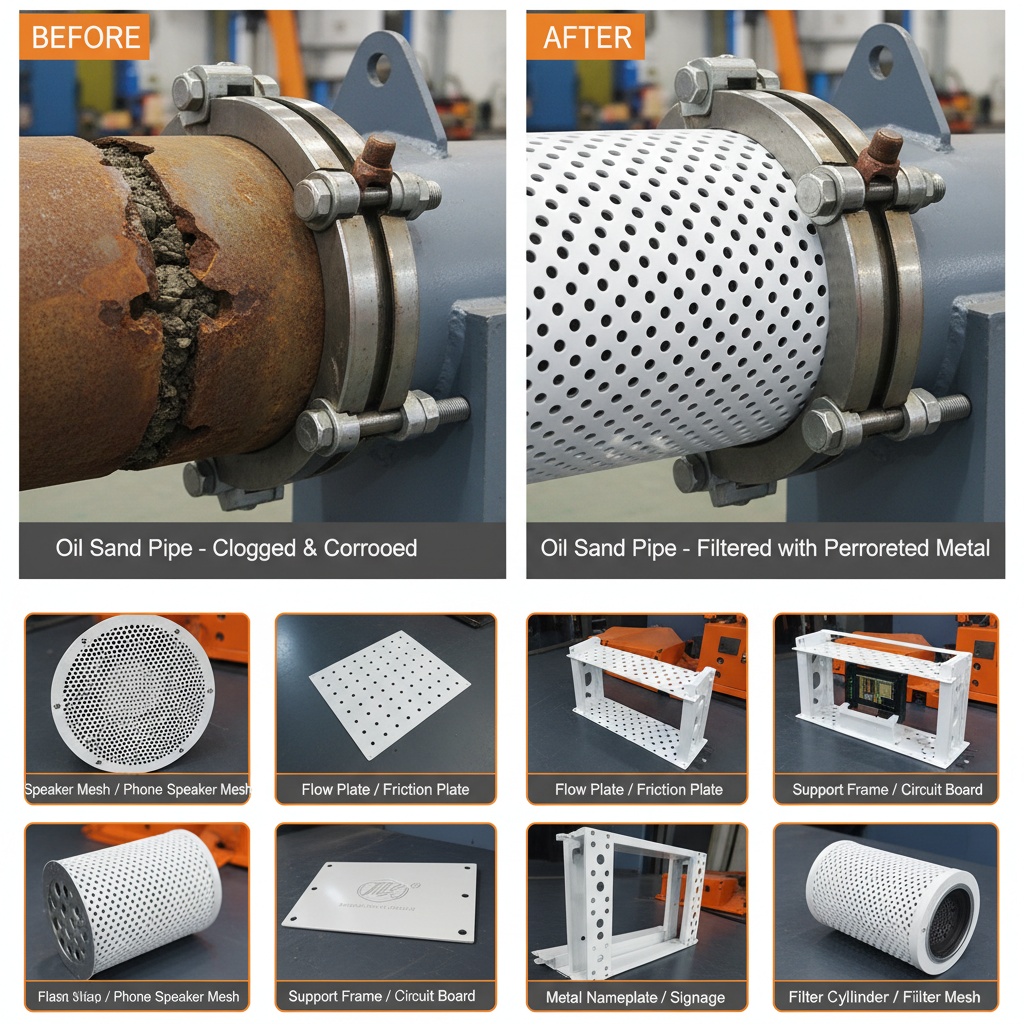
In filtration, perforated metal mesh sheet acts as a support structure for filter media, ensuring uniform flow distribution and preventing media collapse. It’s used in a range of industries, including food and beverage, pharmaceuticals, and water treatment. Specific applications include strainers, filter baskets, and support grids for various filtration processes.
Yes, particularly when manufactured from corrosion-resistant materials like stainless steel or aluminum. It’s frequently used for facades, sunshades, and cladding, offering weather resistance, aesthetic appeal, and structural integrity. Proper surface treatment and maintenance are recommended to ensure longevity in exposed environments.
Lead times vary depending on the complexity of the design, the material type, and the order volume. Generally, standard perforation patterns in common materials can be delivered within 2-4 weeks. Custom designs and larger orders may require 6-8 weeks or longer. Early consultation and clear specifications are essential for accurate lead time estimates.
Regular cleaning with mild soap and water is usually sufficient. Avoid abrasive cleaners or harsh chemicals that could damage the surface finish. For stainless steel, a stainless steel cleaner can be used to remove stubborn stains. Periodically inspect for any signs of corrosion or damage, and address them promptly to prevent further deterioration.
Conclusion
Perforated metal mesh sheet represents a powerful combination of simplicity, versatility, and performance. From its crucial role in industrial filtration to its aesthetic contributions to modern architecture, its applications are diverse and continually expanding. Understanding its core characteristics and potential allows for innovative solutions across numerous sectors, driving efficiency, sustainability, and aesthetic value.
Looking ahead, continued advancements in materials science and manufacturing techniques will unlock even greater possibilities for this material. We encourage exploration of perforated metal mesh sheet for your next project – a material poised to shape the future of design and engineering.