Metal perforated mesh, a versatile engineering material, is increasingly vital across a spectrum of industries and humanitarian efforts globally. Its unique combination of strength, lightweight properties, and customizable designs makes it ideal for applications ranging from architectural facades and noise reduction barriers to filtration systems and security screens. Understanding the nuances of metal perforated mesh – its manufacturing processes, material science, and diverse applications – is crucial for engineers, architects, and aid organizations seeking efficient and sustainable solutions.
The global demand for metal perforated mesh is driven by expanding infrastructure development, particularly in emerging economies, and growing awareness of its benefits in areas like environmental control and safety. According to industry reports, the market is projected to experience steady growth, fueled by innovations in manufacturing techniques and a broadening range of applications. This growth isn't merely economic; it represents a shift towards more robust, adaptable, and environmentally conscious building and engineering practices.
Metal perforated mesh directly addresses challenges related to resource efficiency and durability. Traditional materials often require frequent replacement or extensive maintenance. The longevity and reusability of metal perforated mesh offer a cost-effective and sustainable alternative, particularly in demanding environments or critical infrastructure projects. Its adaptability also makes it valuable in rapidly deployable solutions, such as emergency shelters and temporary medical facilities.
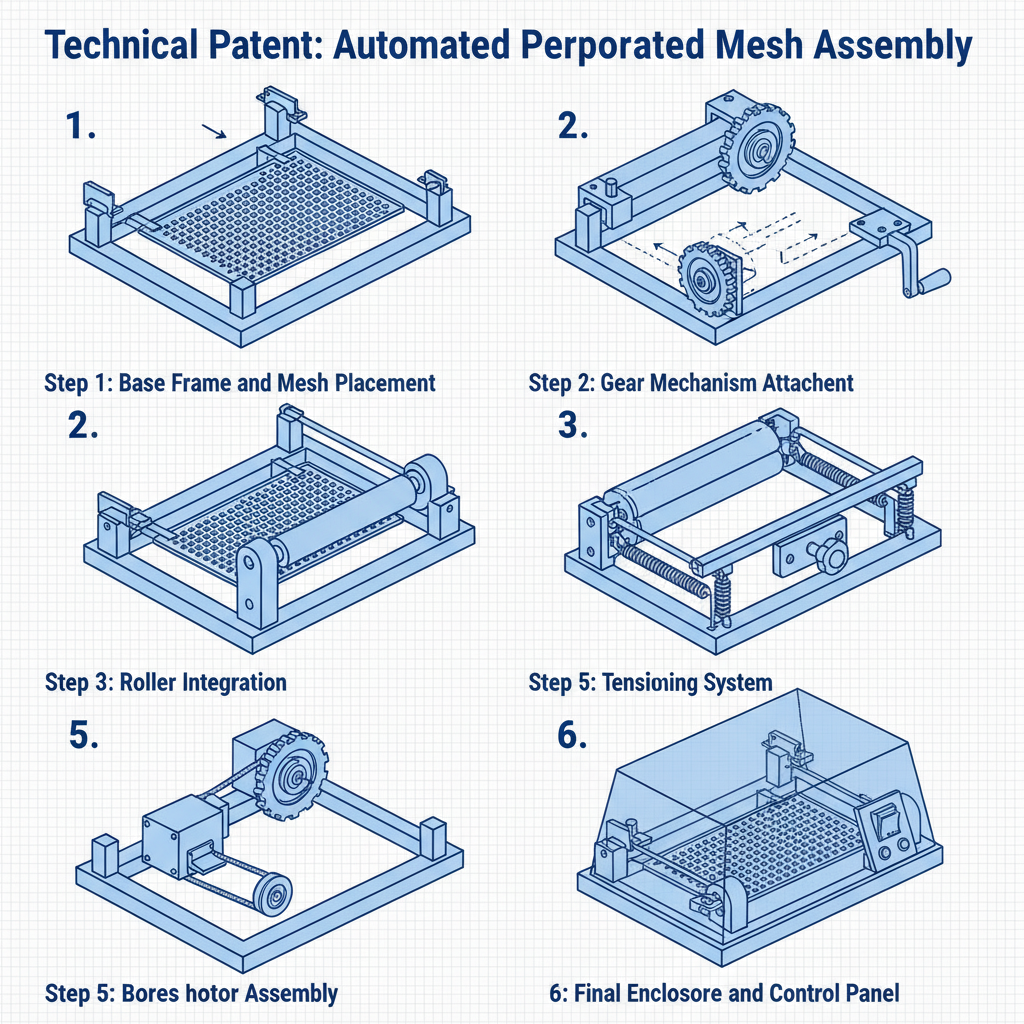
Metal perforated mesh is more than just a construction material; it represents a commitment to precision engineering and adaptable design. The ability to create customized hole patterns, thicknesses, and materials opens a world of possibilities for architects and engineers seeking solutions that balance functionality and aesthetics. It's a testament to how a seemingly simple concept can yield complex and innovative outcomes across various applications.
Its growing adoption reflects a broader industry trend towards lightweight, durable, and visually appealing materials. Compared to solid metal sheets, perforated mesh offers superior airflow, sound absorption, and light transmission, making it ideal for environments where these factors are critical. The availability of diverse materials – stainless steel, aluminum, copper, and others – allows for tailored solutions that meet specific performance requirements and budgetary constraints.
The lifespan of metal perforated mesh varies greatly depending on the material used and the environmental conditions. However, with proper maintenance, installations can easily last 25-50 years, particularly those utilizing stainless steel or aluminum. Regular cleaning to remove contaminants and periodic inspections for corrosion are key to maximizing longevity. The durability of the metal ensures resistance to weathering, impact, and general wear and tear, contributing to a long-term return on investment.
Yes, metal perforated mesh can be painted or powder-coated to enhance its aesthetic appeal or provide additional protection against corrosion. Proper surface preparation is essential for optimal adhesion. Powder coating is generally preferred as it offers a more durable and consistent finish. Consider the intended environment and application when selecting a coating to ensure compatibility and long-term performance. Specific metal types may require specialized primers.
Metal perforated mesh is widely used in soundproofing applications as it allows sound waves to pass through while reducing their intensity. It’s often used as a facing material over sound-absorbing insulation, such as mineral wool or fiberglass. Common applications include concert halls, recording studios, industrial facilities, and transportation hubs. The perforation pattern and hole size are crucial factors in determining the sound absorption characteristics.
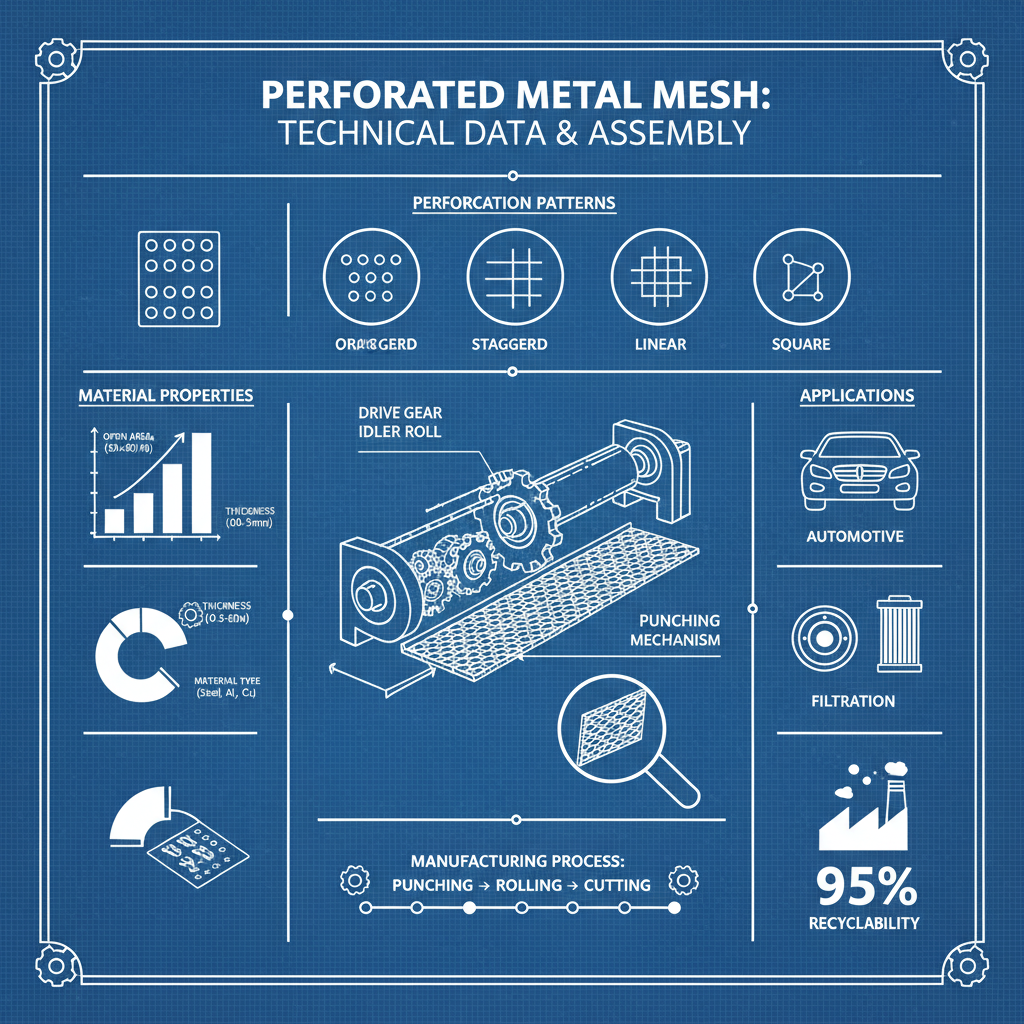
The hole pattern significantly impacts the performance characteristics of the metal perforated mesh. Round holes offer consistent airflow and sound transmission. Square holes provide greater structural rigidity. Slotted holes are ideal for ventilation with directional airflow. The hole size, pitch (distance between holes), and open area percentage all influence factors like airflow rate, sound absorption, light transmission, and structural integrity. Careful selection of the pattern is vital for optimizing performance.
Yes, metal perforated mesh is highly recyclable. Most common materials, like stainless steel, aluminum, and copper, can be readily recycled without significant loss of material properties. Recycling reduces the environmental impact associated with raw material extraction and manufacturing. Working with a reputable metal recycler ensures responsible disposal and contributes to a circular economy. It’s a sustainable material choice.
Lead times for custom metal perforated mesh orders vary depending on the complexity of the design, the material selected, and the current production schedule. Generally, standard orders can be fulfilled within 2-4 weeks, while more intricate designs or large quantities may require 6-8 weeks or longer. It’s always best to discuss your specific requirements with a supplier to obtain an accurate estimate and ensure timely delivery. Providing detailed specifications upfront can expedite the process.
Metal perforated mesh stands as a testament to innovative engineering, offering a versatile solution across a broad range of applications. Its unique combination of durability, adaptability, and sustainability positions it as a crucial material in modern construction, industrial processes, and humanitarian efforts. From enhancing architectural designs and improving acoustic performance to providing efficient filtration and robust safety solutions, metal perforated mesh delivers long-term value and addresses critical industry challenges.
Looking ahead, continued advancements in manufacturing techniques and materials science will further expand the capabilities of metal perforated mesh, unlocking new possibilities for innovation. Embracing sustainable practices and exploring smart material integration will solidify its role as a responsible and forward-thinking solution for a more resilient and efficient future. To learn more about how metal perforated mesh can benefit your project, visit our website: www.tomaifilter.com.