Stainless steel net price is a critical factor influencing a broad spectrum of industries, from construction and manufacturing to environmental protection and water treatment. Understanding the dynamics of this price – affected by raw material costs, production processes, global demand, and geopolitical factors – is essential for businesses making procurement decisions, investors analyzing market trends, and policymakers formulating trade strategies. In an increasingly interconnected world, fluctuations in stainless steel net price can ripple through supply chains, impacting project costs, profitability, and ultimately, economic growth.
The importance of tracking stainless steel net price extends beyond purely economic considerations. This material's inherent durability, corrosion resistance, and recyclability make it a cornerstone of sustainable infrastructure and responsible industrial practices. Accurately assessing the cost allows for optimized material selection, minimizing waste, and maximizing the lifespan of critical assets. This proactive approach is vital as global focus shifts towards resilient and environmentally conscious solutions.
Furthermore, access to transparent and reliable stainless steel net price information empowers businesses to negotiate favorable contracts, manage risk effectively, and maintain a competitive edge. The ability to forecast price movements, even within a limited range, provides a significant advantage in a volatile market, enabling informed decision-making and strategic resource allocation. For more information on specific pricing, consider checking resources such as stainless steel net price.
Introduction to Stainless Steel Net Price
Stainless steel net price refers to the final cost of stainless steel after deductions for discounts, rebates, and other allowances. It’s the actual amount a buyer pays for the material, impacting project budgets and overall profitability. Accurately understanding this price is crucial for sourcing decisions, as even small variations can accumulate significantly in large-scale projects. stainless steel net price offers competitive rates.
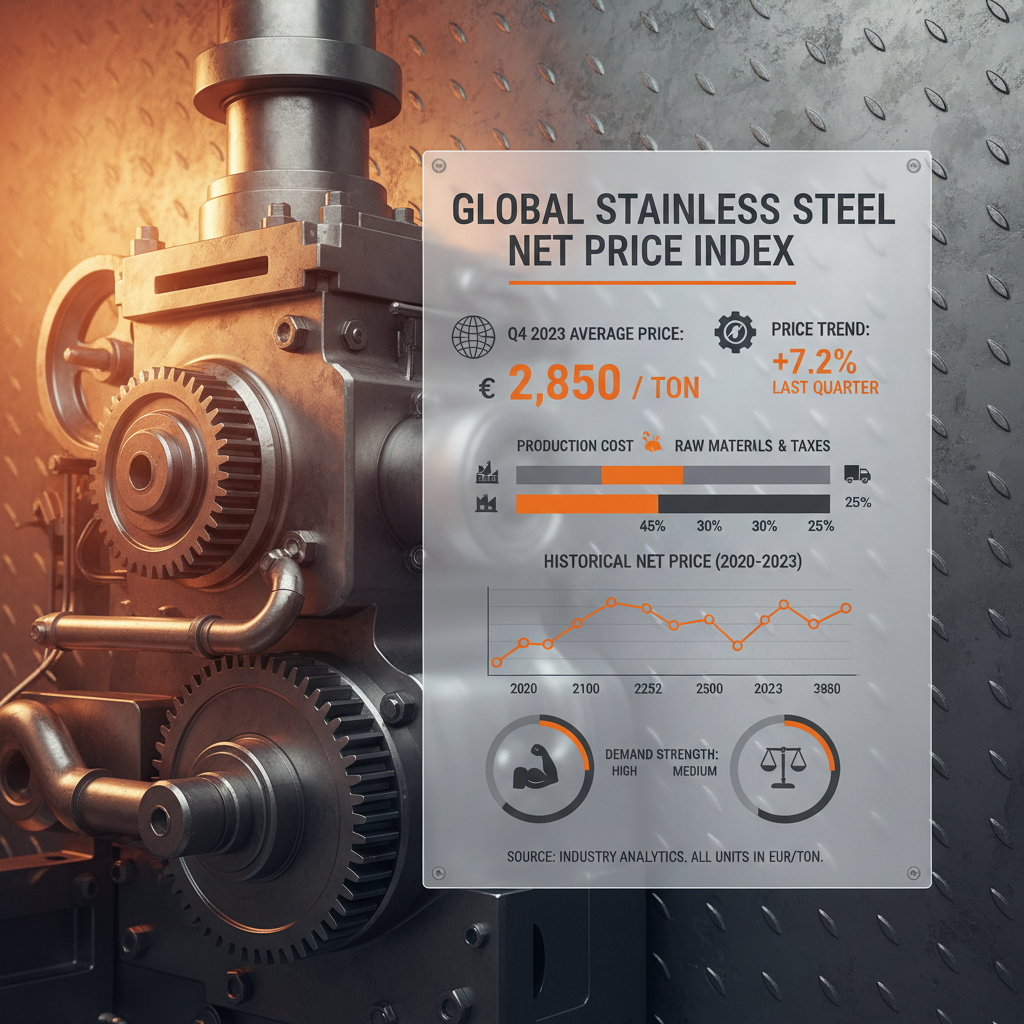
The pricing of stainless steel is a complex process influenced by numerous factors, including the cost of raw materials (nickel, chromium, molybdenum), energy prices, manufacturing costs, transportation expenses, tariffs, and market demand. Staying informed about these variables allows businesses to anticipate price fluctuations and develop proactive procurement strategies.
Global Market Dynamics of Stainless Steel Net Price
The global stainless steel market is highly competitive, with major production centers located in China, Japan, the United States, and Europe. China dominates production, significantly influencing global stainless steel net price trends. Supply and demand dynamics in these key regions directly impact pricing worldwide. International trade policies, including tariffs and trade agreements, also play a pivotal role.
According to the World Steel Association, stainless steel production continues to grow, driven by increasing demand from industries like construction, automotive, and healthcare. However, geopolitical uncertainties and economic downturns can disrupt supply chains and create price volatility. Tracking these macroeconomic indicators is vital for forecasting price movements.
Regional variations in stainless steel net price also exist due to differences in transportation costs, local taxes, and import duties. Understanding these nuances is critical for businesses operating in multiple markets. Furthermore, fluctuations in currency exchange rates can significantly affect the final cost of imported stainless steel.
Defining Stainless Steel Net Price
Stainless steel net price, in its simplest definition, represents the actual cost of stainless steel after all applicable deductions are applied. This differs from the list price or quoted price, which may include additional fees or discounts. It is the figure used for accounting purposes, budgetary planning, and profitability calculations.
The concept is closely tied to the principles of fair market value and transparent pricing. Knowing the net price enables buyers to accurately compare quotes from different suppliers and negotiate better deals. It's a key component of sound financial management for businesses reliant on stainless steel as a core material. Understanding the various components that affect the stainless steel net price is crucial for effective cost control.
In modern industry, particularly sectors emphasizing sustainability and responsible sourcing, transparent stainless steel net price data facilitates informed material selection. It helps ensure that cost considerations are balanced with environmental and ethical factors, contributing to a more responsible supply chain.
Key Factors Influencing Stainless Steel Net Price
Several core factors drive fluctuations in stainless steel net price. First, the cost of raw materials, particularly nickel, chromium, and molybdenum, significantly impacts overall pricing. These elements are subject to market volatility, influenced by mining production, geopolitical events, and global demand.
Second, energy costs play a crucial role, as stainless steel production is energy-intensive. Rising energy prices directly translate to higher manufacturing costs, subsequently affecting the net price. Third, global supply and demand dynamics exert considerable influence. Increased demand, coupled with limited supply, drives prices upward.
Stainless Steel Net Price Influencing Factors
Applications Across Industries and Regions
Stainless steel finds extensive applications across a diverse range of industries. In construction, it's utilized for structural components, cladding, and roofing due to its durability and corrosion resistance. The automotive industry employs it for exhaust systems, trim, and structural parts. In the food and beverage industry, stainless steel’s hygienic properties make it ideal for processing equipment and storage tanks.
Geographically, demand is particularly strong in developing economies experiencing rapid industrialization, such as China, India, and Southeast Asian nations. Europe and North America maintain significant demand driven by infrastructure projects and manufacturing activities. The consistent demand keeps a spotlight on stainless steel net price.
Advantages and Long-Term Value Proposition
The advantages of utilizing stainless steel extend beyond its immediate cost. Its exceptional durability and corrosion resistance lead to reduced maintenance costs and extended lifespan, offering significant long-term value. Stainless steel is also fully recyclable, aligning with sustainability goals and reducing environmental impact.
Furthermore, stainless steel’s hygienic properties contribute to improved safety and public health, particularly in applications involving food processing and healthcare. Its aesthetic appeal enhances the value of buildings and products. Investing in stainless steel represents a commitment to quality, reliability, and long-term sustainability.
Considering the total cost of ownership – including initial cost, maintenance, and lifespan – stainless steel often proves to be a more cost-effective solution than alternative materials. This makes it a strategic choice for businesses focused on long-term profitability and responsible resource management.
Future Trends and Innovation in Stainless Steel Pricing
Several emerging trends are poised to reshape the stainless steel market and impact stainless steel net price. Increased adoption of digital technologies, such as blockchain, will enhance supply chain transparency and traceability, potentially reducing price volatility. Advances in steelmaking processes, including the use of recycled materials, are expected to lower production costs.
The growing emphasis on sustainability and the circular economy will drive demand for eco-friendly stainless steel grades and promote responsible sourcing practices. Furthermore, the development of new alloys with enhanced properties will create opportunities for niche applications and potentially command premium pricing.
Analysis of Factors Impacting Stainless Steel Net Price
| Factor Category |
Impact Level (1-10) |
Trend Direction (Increasing/Decreasing) |
Long-Term Outlook |
| Raw Material Costs |
9 |
Increasing |
High Volatility Expected |
| Energy Prices |
8 |
Increasing |
Moderate Long-Term Impact |
| Global Demand |
7 |
Increasing |
Stable to Moderate Growth |
| Production Capacity |
6 |
Stable |
Potential for Oversupply |
| Transportation Costs |
5 |
Increasing |
Short-Term Fluctuations Likely |
| Geopolitical Risks |
7 |
Unpredictable |
Significant Potential for Disruption |
FAQS
The most significant factors are raw material costs (nickel, chromium, molybdenum), energy prices, global supply and demand, geopolitical events, and trade policies. Fluctuations in these areas directly impact production costs and market availability, leading to variations in stainless steel net price. Tracking these indicators is crucial for understanding and anticipating price changes.
Increased global demand, particularly from rapidly industrializing nations, tends to drive up stainless steel net price. When demand exceeds supply, prices increase due to competition for limited resources. Conversely, a decrease in demand can lead to price declines. The interplay of supply and demand is a fundamental driver of market pricing.
Tariffs on stainless steel imports increase the cost of the material for buyers in the importing country. This effectively raises the stainless steel net price for those consumers. Tariffs can also disrupt trade flows and lead to retaliatory measures, further complicating the market.
Businesses can mitigate risk through several strategies: long-term contracts with suppliers, diversification of sourcing, hedging against price fluctuations using financial instruments, and careful inventory management. Staying informed about market trends and building strong relationships with suppliers are also crucial.
While the initial cost of stainless steel may be higher than some alternative materials, considering the total cost of ownership often reveals stainless steel to be more cost-effective. Its durability, corrosion resistance, and low maintenance requirements contribute to a longer lifespan and reduced lifecycle costs.
Reliable sources of information include industry associations like the World Steel Association, metal pricing agencies, and reputable suppliers. tomaifilter.com provides updates and competitive pricing, allowing informed decision-making when sourcing stainless steel.
Conclusion
Understanding stainless steel net price is paramount for businesses and organizations across numerous sectors. The interplay of raw material costs, global economics, geopolitical factors, and evolving industry trends directly impact its affordability and availability. Proactive monitoring of these elements, coupled with strategic sourcing and risk management practices, is essential for navigating a volatile market and securing long-term cost-effectiveness.
Looking ahead, innovations in steelmaking, a growing emphasis on sustainability, and increased adoption of digital technologies will continue to reshape the landscape of stainless steel pricing. Embracing these advancements and prioritizing transparent, responsible sourcing will be key to unlocking the full potential of this versatile and indispensable material. Visit our website at www.tomaifilter.com to learn more about our competitive pricing and solutions.