Metal mesh price, a seemingly niche topic, is profoundly relevant in today’s interconnected world. Understanding the factors influencing its cost—raw material prices, manufacturing processes, and global supply chain dynamics—is crucial for industries ranging from construction and filtration to aerospace and automotive. Accurate assessment of metal mesh price impacts project budgets, product development, and overall economic viability.
The significance extends beyond pure economics. Metal mesh plays a critical role in sustainable infrastructure, providing durable and efficient solutions for water purification, air filtration, and energy conservation. As global populations grow and environmental concerns escalate, the demand for affordable and high-quality metal mesh increases, directly tying metal mesh price to public health and environmental protection.
Furthermore, fluctuations in metal mesh price can signal broader economic trends. Monitoring these changes allows businesses and governments to anticipate supply chain disruptions, manage risks, and make informed decisions. The ability to accurately predict and manage metal mesh price is therefore a key component of resilience in a volatile global market.
Introduction to Metal Mesh Price
The price of metal mesh isn't arbitrary; it’s a complex interplay of material costs, manufacturing techniques, and market demand. Different mesh types (stainless steel, aluminum, copper, etc.) exhibit varying price points, dictated by their inherent material properties and production complexities. Understanding these nuances is critical for informed purchasing.
Moreover, the form of the metal mesh—woven, welded, expanded, or perforated—significantly affects its price. Welded mesh, generally less expensive to produce, often presents a cost-effective alternative to woven mesh, which boasts superior strength and precision. Careful consideration of application requirements and budget constraints is essential when evaluating these options.
Defining Metal Mesh Price
Metal mesh price refers to the cost associated with acquiring a specific quantity of metal mesh, typically expressed per square foot or square meter. This price encompasses not only the raw material cost but also manufacturing expenses, labor, transportation, and profit margins. Variations in mesh specifications, such as aperture size, wire diameter, and material grade, directly impact the overall price.
In modern industry, metal mesh price is a key component in cost modeling for various applications. Engineers and procurement specialists utilize price data to optimize designs, select appropriate materials, and negotiate favorable contracts with suppliers. Accurate pricing is vital for maintaining project profitability and delivering competitive products.
The significance of understanding metal mesh price extends to humanitarian efforts as well. In emergency situations and disaster relief, affordable and readily available metal mesh can be used for constructing temporary shelters, providing clean water filtration, and creating safe sanitation systems. Therefore, accessible metal mesh price is a critical factor in responding to global needs.
Core Factors Influencing Metal Mesh Price
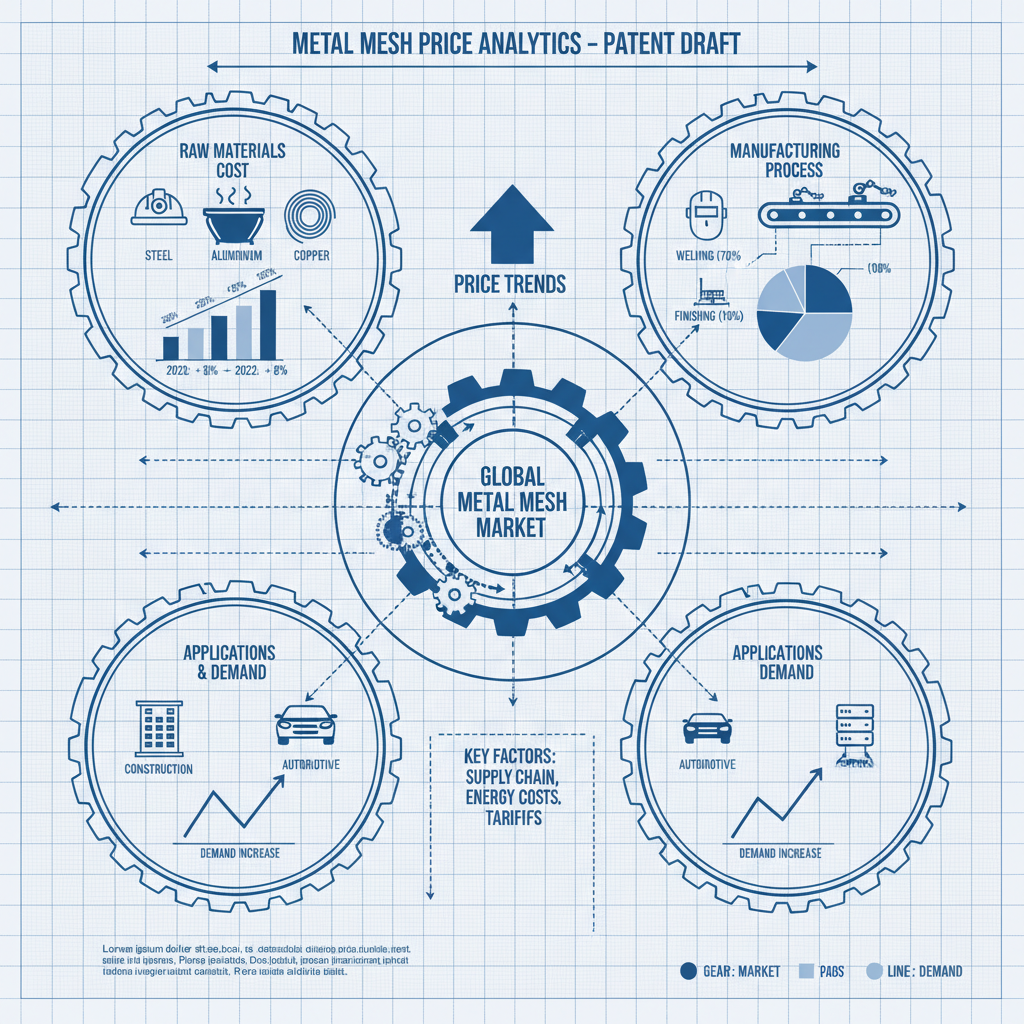
One of the primary drivers of metal mesh price is the cost of the raw material. Stainless steel, due to its corrosion resistance and durability, is typically more expensive than aluminum or carbon steel. Global commodity price fluctuations in metals directly translate to changes in metal mesh price, requiring constant monitoring and adaptation by manufacturers and buyers.
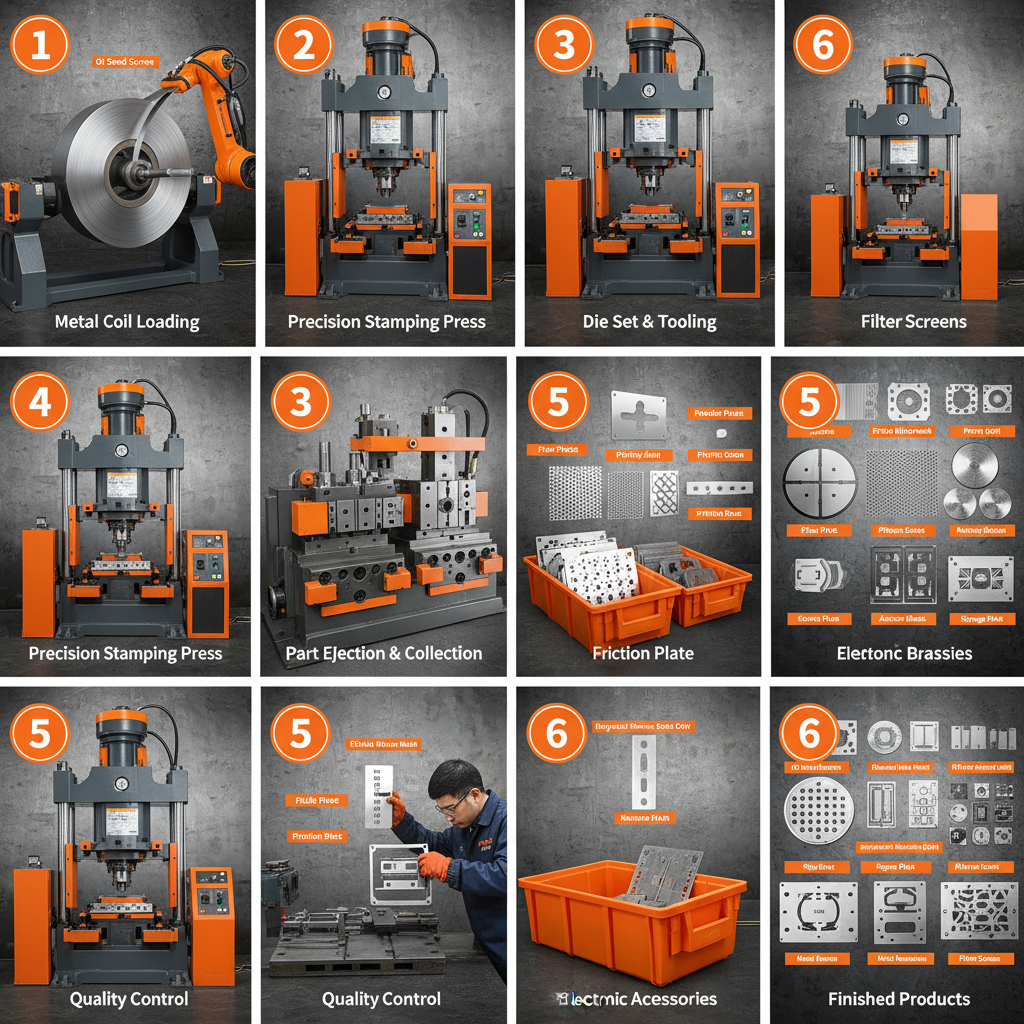
Manufacturing processes also play a significant role. Woven mesh, requiring intricate weaving techniques and skilled labor, generally commands a higher price than welded mesh, which is produced through a more automated process. The complexity of the mesh pattern (e.g., plain weave, twill weave, Dutch weave) also impacts manufacturing costs and, consequently, the final price.
Supply chain logistics and transportation costs contribute to metal mesh price, particularly for international orders. Shipping rates, import duties, and handling fees can add substantial expenses, especially for large-volume shipments. Geopolitical events and trade policies can also disrupt supply chains, leading to price volatility.
Global Applications of Metal Mesh
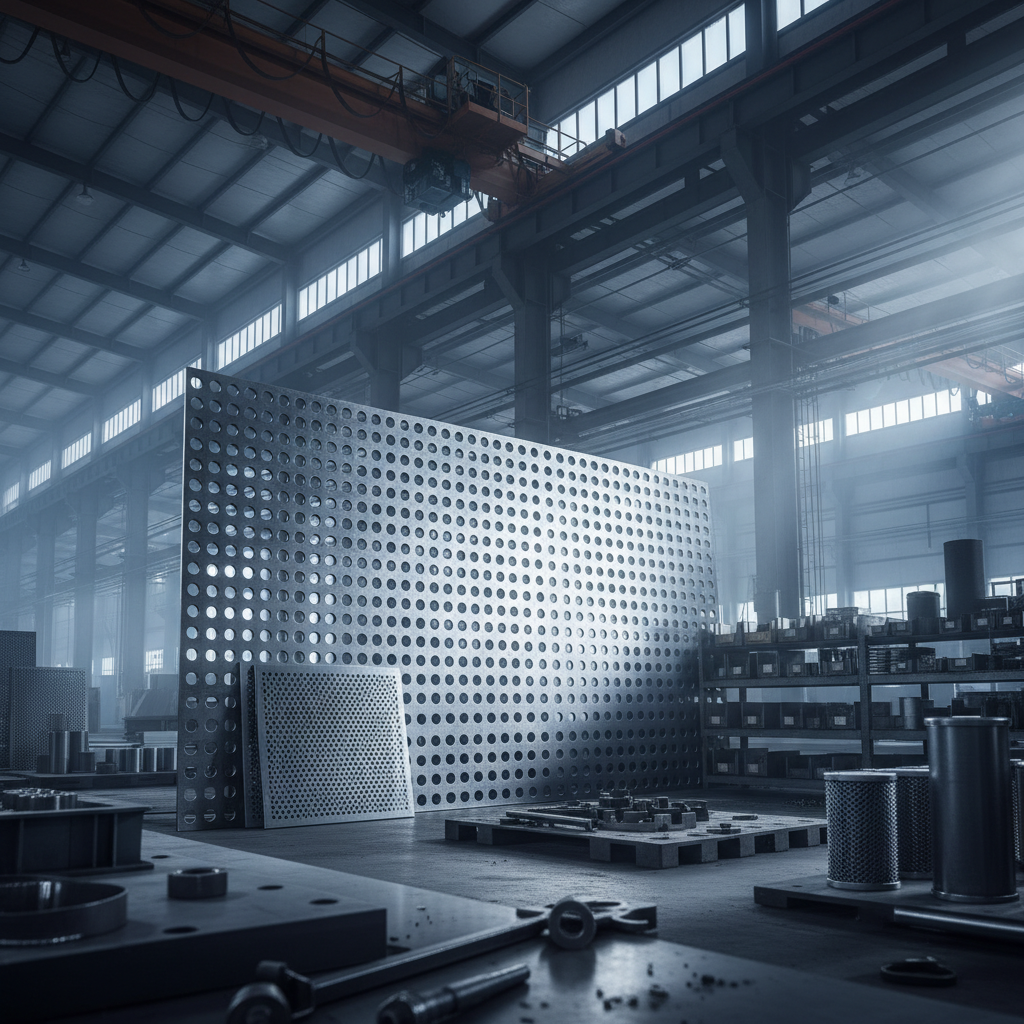
Metal mesh finds widespread application in diverse industries across the globe. In the construction sector, it’s utilized for reinforcing concrete, creating facade systems, and providing security fencing. The automotive industry employs metal mesh for radiator grills, exhaust systems, and vibration dampening. The aerospace sector leverages its high strength-to-weight ratio in aircraft components and filtration systems.
In regions with limited access to clean water, metal mesh filters are employed for water purification, removing sediment and bacteria to provide safe drinking water. Post-disaster relief operations frequently utilize metal mesh for constructing temporary shelters and establishing sanitary facilities. In remote industrial zones, it’s essential for protecting machinery, preventing accidents, and maintaining operational efficiency.
Metal Mesh Price Comparison by Manufacturing Method
Advantages and Long-Term Value
Choosing metal mesh, despite upfront costs influenced by metal mesh price, often delivers significant long-term value. Its inherent durability and corrosion resistance translate to reduced maintenance requirements and extended service life, minimizing lifecycle costs. The strength and rigidity of metal mesh contribute to enhanced structural integrity and safety in various applications.
Furthermore, many metal mesh products are recyclable, promoting sustainability and reducing environmental impact. Investing in high-quality metal mesh demonstrates a commitment to reliability, innovation, and responsible resource management, fostering trust with customers and stakeholders.
Future Trends & Innovations
The metal mesh industry is undergoing continuous innovation. Developments in material science are leading to the creation of new alloys with enhanced properties and reduced costs. Automation and advanced manufacturing techniques are streamlining production processes, improving efficiency, and lowering metal mesh price. The integration of digital technologies, such as AI-powered quality control systems, is further optimizing production and ensuring consistent product quality.
Sustainable manufacturing practices, including the use of recycled materials and energy-efficient processes, are gaining prominence. The demand for specialized metal mesh solutions tailored to specific applications—such as battery separators for electric vehicles and advanced filters for air purification—is driving the development of customized products and innovative designs.
Challenges and Solutions
Fluctuating raw material prices pose a significant challenge to maintaining stable metal mesh price. Supply chain disruptions, geopolitical instability, and global economic factors can all contribute to price volatility. Establishing long-term contracts with suppliers and diversifying sourcing options can mitigate these risks.
Another challenge is meeting the increasing demand for customized metal mesh products while maintaining cost-effectiveness. Investing in flexible manufacturing technologies and embracing lean production principles can enable manufacturers to respond quickly to changing customer needs and optimize production efficiency.
Ensuring consistent product quality and adherence to industry standards is also crucial. Implementing robust quality control systems, utilizing advanced testing methods, and obtaining relevant certifications (e.g., ISO 9001) can build trust and enhance customer satisfaction.
Summary of Challenges & Solutions Regarding Metal Mesh Price
| Challenge |
Impact on Metal Mesh Price |
Solution |
Implementation Difficulty (1-10) |
| Raw Material Price Volatility |
Directly increases metal mesh price. |
Long-term contracts, diversified sourcing. |
6 |
| Supply Chain Disruptions |
Lead times and elevated metal mesh price. |
Regional sourcing, buffer stock. |
7 |
| Demand for Customization |
Increased complexity, potential price hikes. |
Flexible manufacturing, modular design. |
5 |
| Quality Control Issues |
Rework, scrap, damaged reputation. |
Automated inspection, ISO certification. |
4 |
| Labor Costs |
Increased production cost of metal mesh. |
Automation, employee training. |
8 |
| Transportation Costs |
Increased overall metal mesh price. |
Optimized logistics, local sourcing. |
6 |
FAQS
Several key factors contribute to metal mesh price fluctuations. These include the cost of the base metal (stainless steel, aluminum, etc.), the manufacturing method (woven, welded, expanded), mesh specifications (aperture size, wire diameter), order volume, and transportation costs. Global market conditions and supply chain disruptions also play a substantial role.
To lower your metal mesh price, consider optimizing your specifications. For instance, a welded mesh might be a more cost-effective alternative to woven mesh if the application doesn’t require the same level of precision or strength. Ordering in larger quantities can often unlock volume discounts. Exploring alternative materials or suppliers can also lead to cost savings.
Lead times for metal mesh orders vary depending on the quantity, specifications, and supplier’s current production schedule. Standard mesh types are typically available with shorter lead times (1-2 weeks), while customized orders may require 4-8 weeks or longer. It’s essential to discuss lead times with your supplier during the quoting process.
Yes, absolutely. Metal mesh price significantly differs based on the material. Stainless steel, known for its corrosion resistance, generally commands a higher price than aluminum or carbon steel. Exotic alloys like titanium are even more expensive due to their unique properties and manufacturing challenges. Selecting the appropriate material is a balance between performance requirements and budget constraints.
Order quantity is a key determinant of metal mesh price. Suppliers typically offer volume discounts as order sizes increase. This is because larger orders allow for economies of scale in production and reduced per-unit costs. It’s worth exploring the potential for consolidating orders or purchasing larger quantities to take advantage of these discounts.
When comparing quotes, don't solely focus on the price per square foot. Consider the material grade, mesh specifications, manufacturing tolerances, delivery terms, and the supplier’s reputation for quality and reliability. Also, verify whether the quote includes shipping, import duties, and any other associated costs. A slightly higher price from a reputable supplier might ultimately provide better value.
Conclusion
Understanding metal mesh price is paramount for informed decision-making across diverse industries. From the foundational impact of raw material costs to the complexities of manufacturing processes and global supply chain dynamics, a holistic view is essential. Investing in high-quality metal mesh, while considering the initial price, offers long-term value through durability, reduced maintenance, and enhanced performance.
Looking ahead, continued innovation in materials, manufacturing, and digital technologies will undoubtedly shape the future of metal mesh price and availability. By embracing sustainable practices, optimizing supply chains, and fostering collaborative relationships with suppliers, we can ensure access to affordable and reliable metal mesh solutions that meet the evolving needs of a globalized world. For comprehensive metal mesh options, visit our website: tomaifilter.com.