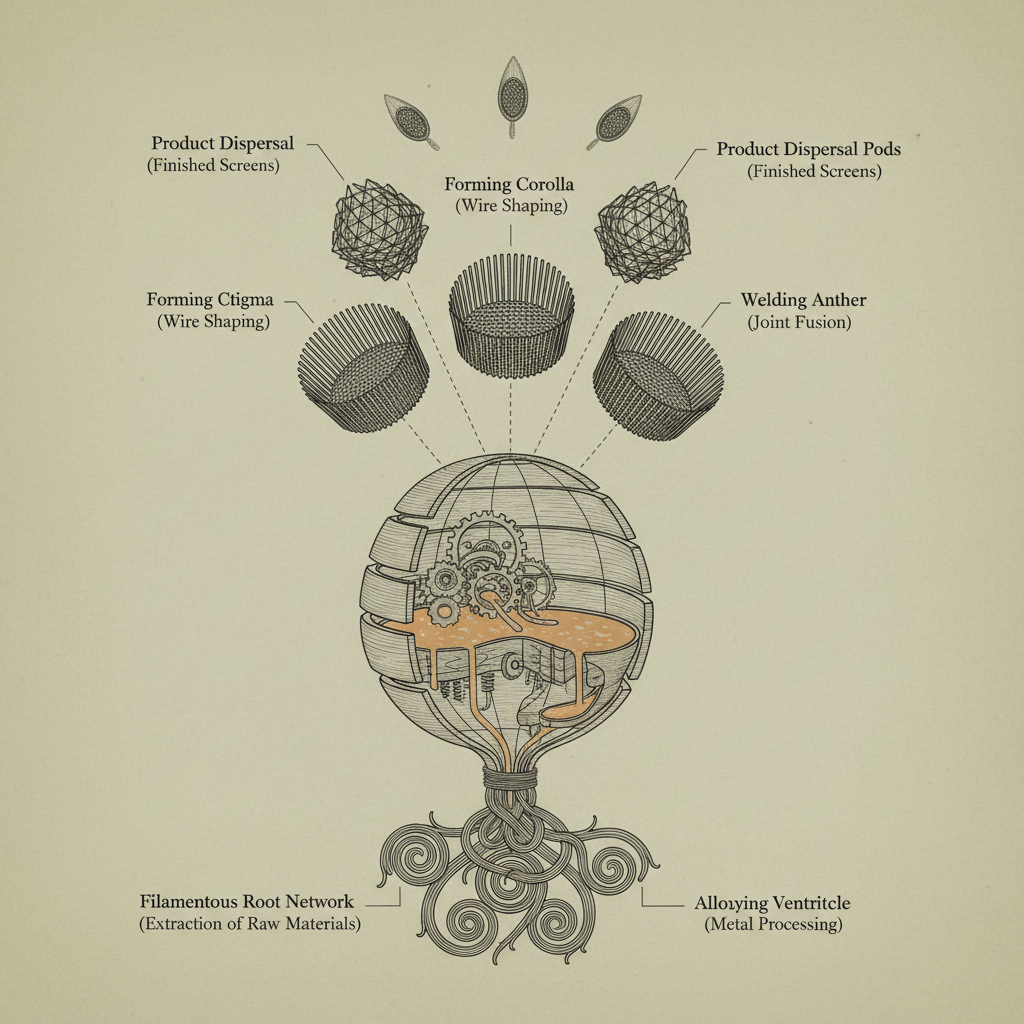
Perforated stainless steel – you see it everywhere on a job site these days, but it’s not just a trendy material. I’ve spent the last fifteen years walking steel beams and concrete floors, and I've watched it become a go-to for everything from sound baffling in noisy industrial spaces to architectural facades that look sharp and last. It’s more than just looks though; the strength-to-weight ratio and resistance to corrosion are real game changers, especially when you're dealing with long-term projects in harsh environments. Honestly, it solves a lot of headaches we used to have with traditional materials.
What I've found is that folks often underestimate the versatility of perforated stainless steel. It's not just about making something look nice. The ability to control airflow, filter light, and even create custom acoustic profiles means it's showing up in increasingly complex applications. From the initial design phase with the architects, to the fabrication shop, to actually installing it on site – it’s a material that demands respect because it delivers performance. It's becoming essential for modern building practices.
And it's not just buildings. I've seen perforated stainless steel used in everything from ship building and automotive parts to specialized industrial filters. The demand for durable, lightweight, and customizable materials is skyrocketing, and stainless steel is stepping up to fill that need. It’s not always the cheapest option upfront, but the long-term value and reduced maintenance make it a smart investment.
The Growing Importance of Perforated Stainless Steel
I've seen a real shift in the last decade. Contractors and engineers are actively seeking out perforated stainless steel for its performance characteristics. It's no longer seen as a luxury item, but as a reliable solution for challenging projects. Globally, the demand for stainless steel is steadily increasing, driven by infrastructure development in emerging economies and a growing emphasis on sustainable building materials. According to the World Stainless Steel Association, stainless steel production has been consistently rising, exceeding 50 million tonnes annually, highlighting its growing global significance.
The problem we used to face was finding materials that could withstand harsh conditions, require minimal maintenance, and still meet aesthetic requirements. Traditional materials often fell short, leading to costly repairs and replacements. Perforated stainless steel addresses these issues head-on, offering a durable and versatile alternative that reduces lifecycle costs and improves overall project outcomes. It’s about building things to last, and that's what matters most.
Defining Perforated Stainless Steel
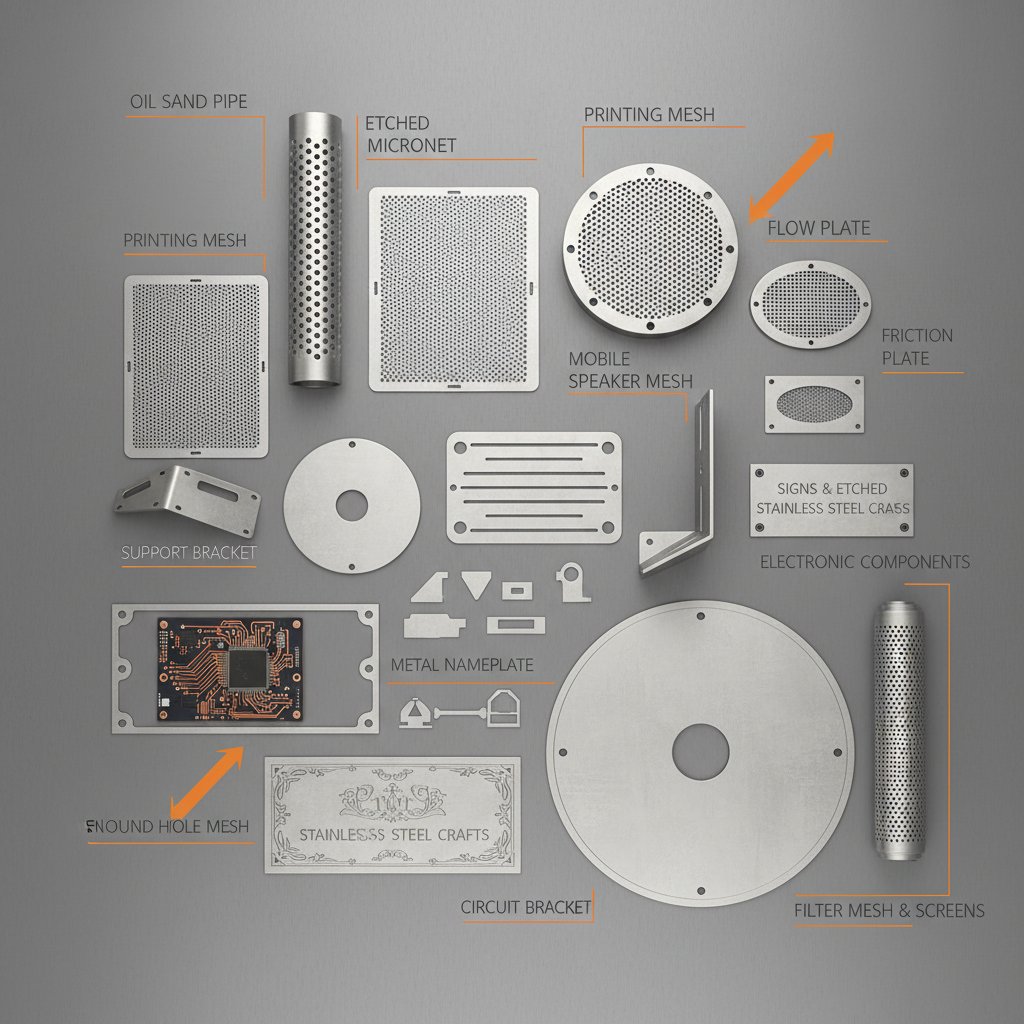
Simply put, perforated stainless steel is a metal sheet created by punching a variety of holes in a stainless steel plate. These holes can be any size, shape, or pattern, tailored to the specific needs of the application. The key is the stainless steel itself – the alloy that provides that corrosion resistance and strength. It’s not just about the holes; it’s about the material they’re in.
Its connection to modern industry is pretty straightforward. We’re building bigger, more complex structures, and we need materials that can keep up. From architectural cladding that regulates temperature to filtration systems that purify water, perforated stainless steel is playing a crucial role in improving efficiency and sustainability. It’s a foundational material for a lot of modern advancements.
And on the humanitarian side, this stuff is incredibly valuable. I've worked on projects where we needed rapid deployment shelters that could withstand extreme weather. Perforated stainless steel offered the strength and durability necessary to provide safe and secure housing in disaster-stricken areas. It’s not always glamorous, but it makes a real difference.
Core Characteristics of Perforated Stainless Steel
One of the biggest advantages is, without a doubt, its durability. Stainless steel resists corrosion, rust, and staining, even in harsh environments. I've seen it hold up in coastal areas, chemical plants, and food processing facilities – places where other materials would fail quickly. The perforations themselves don't compromise the structural integrity, especially when designed correctly.
Scalability is huge too. You can easily fabricate perforated stainless steel into different shapes and sizes to fit your project requirements. Need a curved panel? No problem. Complex geometric patterns? Definitely achievable. This flexibility makes it ideal for a wide range of applications and custom designs. We can get almost any pattern fabricated.
From a cost perspective, it can be a bit more upfront than some alternatives, but the long-term value is often greater. Lower maintenance costs, increased lifespan, and reduced replacement frequency all contribute to overall savings. And let’s be honest, the aesthetic appeal adds value too – it looks good, and that matters.
Diverse Applications Across Industries
You’re seeing it everywhere. In architecture, it’s used for facades, sunshades, and decorative screens. In industrial settings, it’s crucial for filtration, ventilation, and safety guarding. I’ve even seen it used in the food and beverage industry for creating hygienic surfaces and processing equipment. It’s incredibly versatile.
In post-disaster relief operations, we've used perforated stainless steel for constructing temporary shelters and providing clean water filtration systems. The speed of deployment and durability are critical in those situations. In remote industrial zones, like oil rigs or mining operations, it provides a reliable solution for protecting equipment and personnel from harsh environmental conditions.
Perforated Stainless Steel Application Ratings
Long-Term Benefits and Value Proposition
The biggest win is the longevity. I've seen projects with perforated stainless steel components still looking good after 20 years, while other materials would have needed replacing multiple times. That translates to significant cost savings over the life of the project.
Sustainability is also a major factor. Stainless steel is 100% recyclable, reducing its environmental impact. Plus, the durability means less waste from replacements. It’s a material you can feel good about using, knowing you’re contributing to a more sustainable future.
Emerging Trends and Innovations
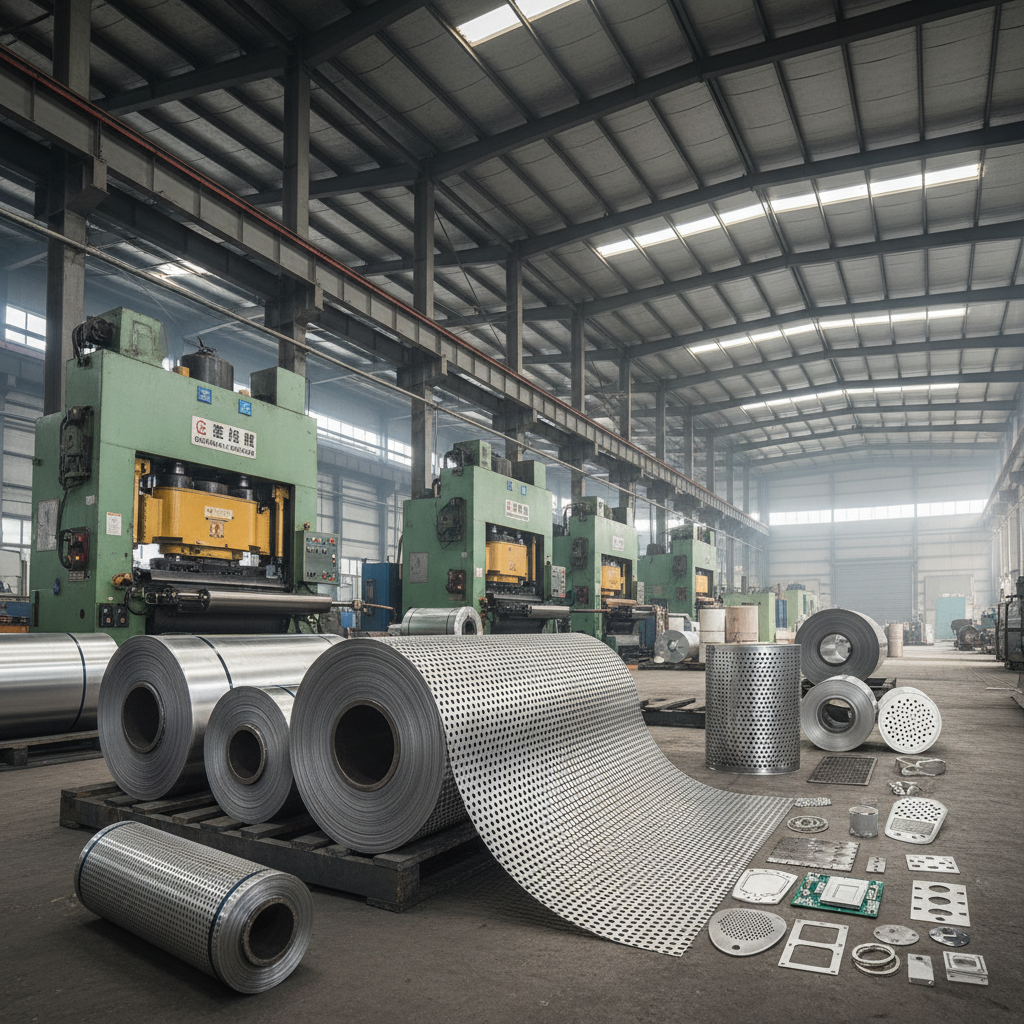
We're seeing a lot of innovation in the way perforated stainless steel is being manufactured. Laser cutting is becoming more precise, allowing for incredibly intricate patterns. New alloys are also being developed that offer even greater corrosion resistance and strength.
The integration with digital fabrication techniques is also exciting. We can now design and manufacture custom perforated stainless steel components quickly and efficiently, reducing lead times and costs. Automation is really changing the game.
I also think we’ll see more applications in green energy, particularly in solar panel construction and wind turbine components. The durability and resistance to weather make it an ideal material for these demanding applications.
Common Challenges and Practical Solutions
One of the biggest hurdles can be the initial cost. It's often more expensive than other materials upfront. But it’s vital to do a lifecycle cost analysis, factoring in maintenance, replacement, and long-term performance. That’s where stainless steel really shines.
Another challenge is fabrication. Working with stainless steel requires skilled technicians and specialized equipment. It's important to choose a reputable fabricator with a proven track record. Proper welding and finishing are crucial to ensure the longevity and performance of the final product.
And finally, sometimes the design isn’t optimized for the material. You need to consider the hole size, pattern, and sheet thickness carefully to ensure structural integrity and achieve the desired aesthetic. Working closely with engineers and experienced fabricators from the outset is key to avoiding costly mistakes.
Key Considerations for Successful Perforated Stainless Steel Implementation
| Project Requirements |
Material Selection |
Fabrication Quality |
Installation Best Practices |
| Load bearing capacity & environmental exposure |
304 or 316 stainless steel grade selection |
Precise hole patterns and smooth edges |
Proper anchoring and support structures |
| Aesthetic demands & light transmission |
Hole size and pattern optimization |
Consistent perforation quality across the sheet |
Minimize visual seams and ensure uniform appearance |
| Acoustic performance & noise reduction |
Perforation percentage and backing materials |
Accurate hole alignment and spacing |
Proper installation to avoid sound leaks |
| Corrosion resistance & chemical exposure |
Specific stainless steel alloy selection (e.g., 316 for marine applications) |
Passivation treatment for enhanced corrosion protection |
Use of compatible fasteners and sealants |
| Airflow control & ventilation |
Optimized perforation pattern for desired airflow rate |
Consistent hole diameter and shape |
Secure mounting to prevent vibration and airflow disruption |
| Budget constraints & lifecycle costs |
Balancing performance requirements with material costs |
Quality control to minimize rework and waste |
Efficient installation to reduce labor costs |
FAQS
Lead times can vary depending on the complexity of the design, the quantity ordered, and the fabricator’s current workload. Generally, you can expect a lead time of 2-6 weeks for standard perforations and 4-8 weeks for highly customized patterns. It's best to get a quote and timeline from the fabricator upfront, especially for large or intricate projects. Proper planning is key to staying on schedule.
The most common grades are 304 and 316. 304 is a general-purpose grade with good corrosion resistance, suitable for most indoor and outdoor applications. 316 contains molybdenum, making it more resistant to chloride corrosion, ideal for marine environments, chemical processing, or areas exposed to de-icing salts. Consider the specific environment and potential corrosive agents when selecting the grade.
Yes, perforated stainless steel can be formed, but it requires careful consideration. The hole pattern and sheet thickness will influence the formability. Smaller holes and thicker sheets are generally easier to bend without distortion. Specialized bending techniques and tooling may be required to achieve complex curves. It’s best to consult with a fabricator experienced in forming perforated metal.
Stainless steel is known for its low maintenance. Regular cleaning with mild soap and water is typically sufficient to remove dirt and debris. In harsh environments, occasional passivation treatment can help restore the protective chromium oxide layer. Avoid abrasive cleaners or steel wool, as these can scratch the surface. Proper maintenance will ensure long-lasting performance.
Patterns with a higher open area (percentage of holes) generally offer better sound absorption. However, the optimal pattern depends on the frequency range you're trying to control. Random patterns tend to perform well across a broader spectrum, while specific geometric patterns can be tuned for particular frequencies. Adding a backing material like acoustic felt further enhances sound absorption.
Larger holes generally reduce the overall strength of the sheet, while smaller holes have a minimal impact. The hole pattern also plays a role; a well-designed pattern can distribute the stress evenly. It’s crucial to consult with an engineer to ensure the perforated sheet can withstand the anticipated loads and stresses. Proper design is essential to maintain structural integrity.
Conclusion
Perforated stainless steel has truly become a cornerstone material in modern construction and beyond. Its durability, versatility, and aesthetic appeal make it a smart choice for a wide range of applications. From its initial promise of corrosion resistance to its now-proven performance in demanding environments, the value proposition is clear. As a product manager who has seen this evolution firsthand, I am confident it will continue to play a critical role in shaping the built world.
Looking ahead, I expect to see even more innovation in this field, driven by advancements in manufacturing technology and a growing focus on sustainability. I encourage anyone considering this material to work with experienced fabricators and engineers to optimize the design and ensure long-term success. For more information and to explore our range of perforated stainless steel products, visit our website: https://www.tomaifilter.com.