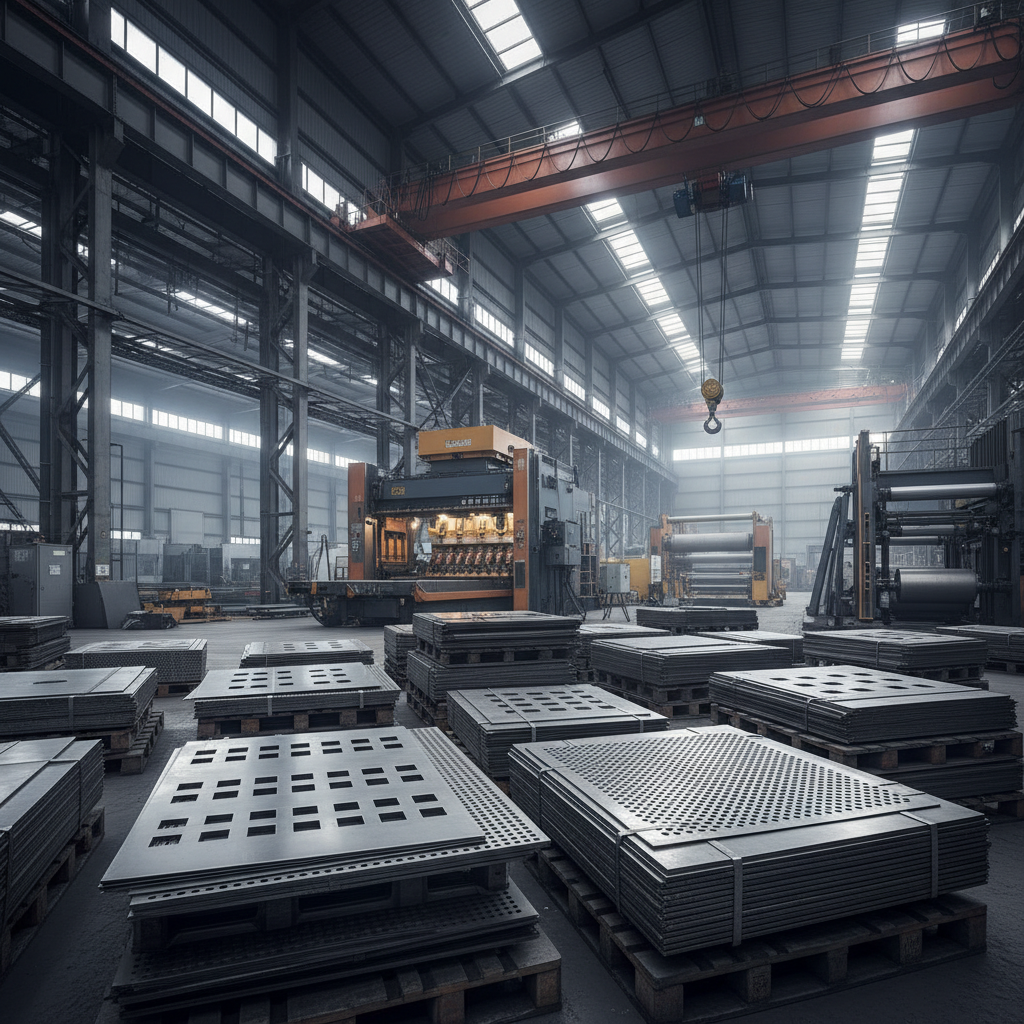
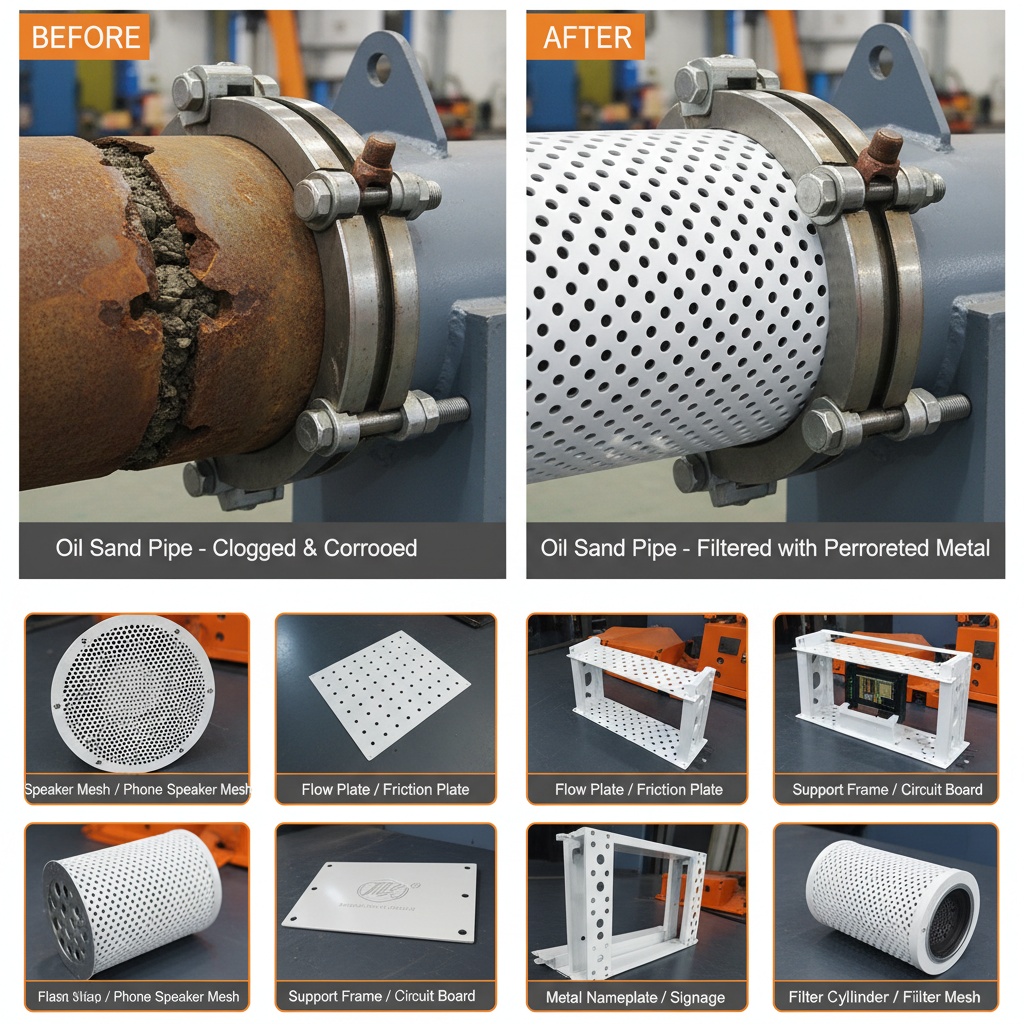
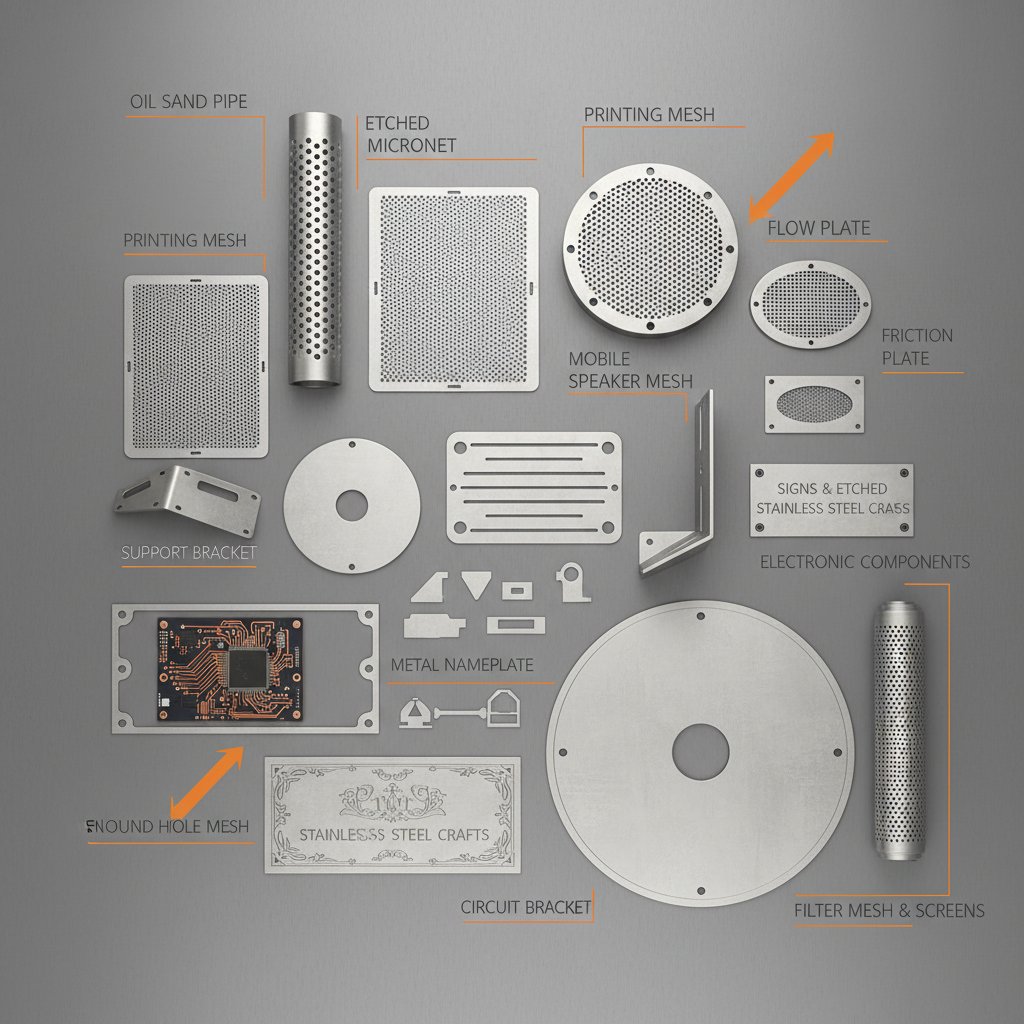
Perforated sheet material – it’s more than just metal with holes. After years spent on construction sites, wrestling with materials, and talking shop with engineers, I can tell you it’s a quietly essential component in modern building, infrastructure, and even disaster relief. It's the stuff that often goes unnoticed, but without it, projects stall, designs become impractical, and costs balloon. We’re talking about everything from sound baffling in arenas to filtration systems in power plants, and increasingly, rapidly deployable shelter solutions.
The global demand for efficient, versatile, and cost-effective building materials is skyrocketing. The UN estimates that over half the world’s population lives in urban areas, a number projected to reach 68% by 2050 (UN Department of Economic and Social Affairs, 2018). That’s a monumental strain on resources and infrastructure. Perforated sheet material provides a solution – it’s lightweight, strong, adaptable, and can be fabricated quickly, reducing construction timelines and material waste. It’s the kind of material that helps us build better, not just more.
It isn’t a glamorous material, but it solves a lot of problems. I've seen firsthand how it simplifies complex engineering challenges, saves money, and, critically, improves safety on site. The rise in demand isn’t just about growth; it’s about the need for materials that perform reliably in a world facing increasing pressures from climate change, rapid urbanization, and the need for faster, more sustainable building practices.
The Versatility of Perforated Sheet Material
What strikes me after years on sites is how adaptable perforated sheet material is. It's not just about the holes; it’s the precision of those holes – the pattern, the size, the material itself. A simple change in perforation can dramatically alter its acoustic properties, its structural integrity, or its filtration efficiency. This means one base material can be tailored for incredibly diverse applications. You see it in everything from the intricate facade of a modern building to the simple, but vital, grating on a walkway.
We’re also seeing a move towards using different materials beyond just stainless steel and aluminum. Titanium, for example, is gaining traction where corrosion resistance is paramount, even though it comes at a higher cost. The trick is matching the material to the environment and the required lifespan of the component. A poorly chosen material, even with perfect perforation, is just asking for trouble down the line.
Defining Perforated Sheet Material and Its Relevance
Simply put, perforated sheet material is a solid material – typically metal, but increasingly plastics and composites – that has been patterned with holes. These holes can be any shape, size, or arrangement, depending on the intended function. It bridges a gap between solid surfaces and open structures, offering a unique blend of strength, permeability, and aesthetic appeal.
In modern industry, it's a critical component in fields like aerospace, automotive, and pharmaceuticals, where precision and performance are non-negotiable. But its relevance extends far beyond high-tech applications. In humanitarian contexts, perforated sheet material is used in water filtration systems for disaster relief and in building materials for rapid deployment shelters.
What’s important to remember is that it’s often a problem-solver. Engineers come to us looking for solutions to specific challenges, and perforated sheet material frequently provides a versatile and cost-effective answer. It's not a ‘one-size-fits-all’ material, but its adaptability makes it surprisingly widespread.
Core Characteristics of Effective Perforated Sheet Material
The effectiveness of perforated sheet material hinges on several key characteristics. First, Durability. You need a material that can withstand the rigors of its intended environment, resisting corrosion, fatigue, and wear. A flimsy sheet will fail quickly, and replacement costs add up. Secondly, Precision. The accuracy of the perforation pattern is critical. Even slight variations can affect performance, particularly in acoustic or filtration applications.
Then there’s Acoustic Performance. Perforated sheets can be strategically used to absorb sound, reduce noise levels, and improve the acoustics of a space. This is hugely important in everything from concert halls to industrial facilities. Weight-to-Strength Ratio is also key - you want a material that's strong but doesn't add excessive weight to the structure, impacting logistics and installation costs.
Finally, Fabrication Flexibility. Can it be easily formed, welded, or otherwise manipulated to fit the specific design requirements? A material that's difficult to work with will drive up labor costs and potentially compromise the structural integrity of the finished product. These factors all combine to determine whether a perforated sheet is a good fit for the job.
Applications Across Industries
The applications are remarkably diverse. In architecture, we’re seeing perforated metal facades used for aesthetic appeal, solar shading, and ventilation. In the automotive industry, it’s used for air intake systems, radiator grills, and sound dampening components. In the food and beverage industry, it plays a role in filtration and separation processes.
I've worked on projects in remote industrial zones in Australia where perforated sheet material was vital for dust control and ventilation in mining operations. I’ve also seen it used extensively in post-disaster relief operations, providing lightweight and durable shelter components for temporary housing. In post-disaster relief operations, quick assembly is critical, and perforated sheet structures offer a readily deployable solution.
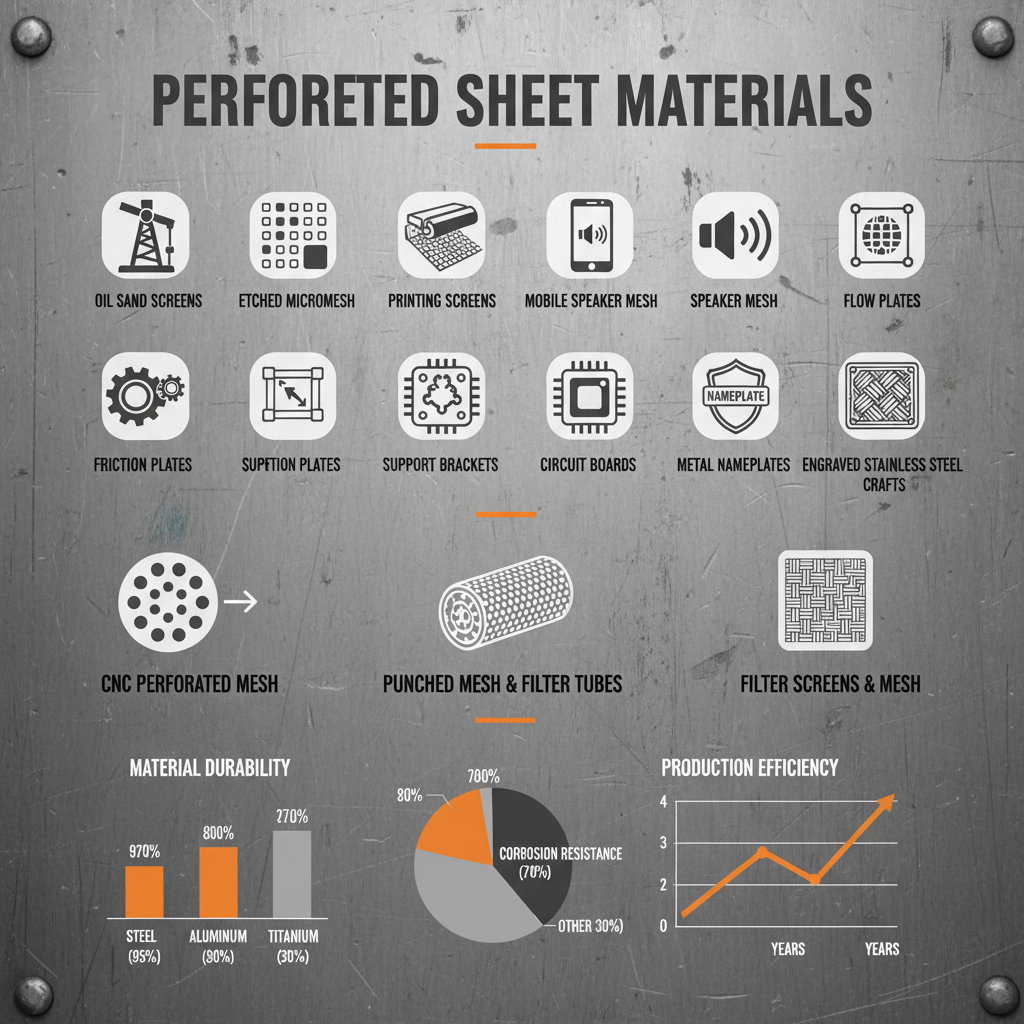
Perforated Sheet Material Application Performance
Long-Term Benefits and Value Proposition
The benefits extend beyond immediate cost savings. A well-chosen perforated sheet material solution translates to reduced maintenance, increased lifespan, and improved safety. It’s about building for the long haul, minimizing disruptions, and maximizing return on investment.
From a sustainability perspective, using perforated sheet material can reduce material waste compared to solid alternatives, especially when customized perforation patterns optimize material usage. But beyond that, it offers a sense of trust – knowing you’ve used a reliable, durable material that will perform as expected for years to come. That peace of mind is valuable.
Future Trends and Material Innovations
We're seeing a lot of innovation in this space. Digital fabrication techniques, like laser cutting and waterjet cutting, are allowing for increasingly complex and precise perforation patterns. This opens up new possibilities for acoustic design, light manipulation, and structural performance.
The drive towards sustainability is also pushing research into bio-based and recycled materials. We might see more perforated sheet material made from plant-based polymers or recycled plastics in the future, reducing the environmental footprint of construction and manufacturing.
Automation in fabrication is also improving efficiency and reducing costs, making these materials more accessible for a wider range of projects.
Challenges and Practical Solutions
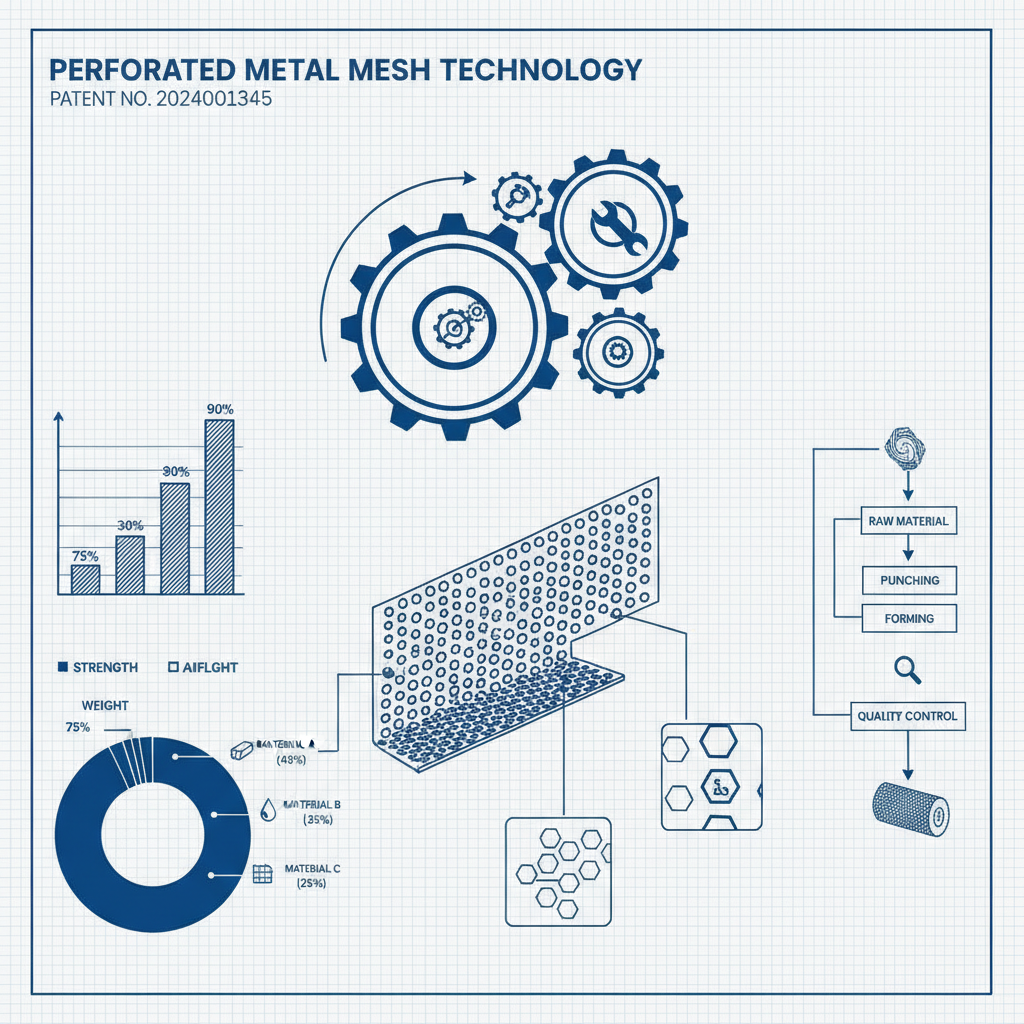
One of the biggest challenges is corrosion, particularly in harsh environments. Choosing the right material and applying appropriate coatings are crucial. Another challenge is ensuring consistent perforation quality. Investing in high-precision fabrication equipment and rigorous quality control measures is essential.
We also run into issues with material availability and lead times, especially for specialized alloys. Building strong relationships with suppliers and planning projects well in advance are key strategies for mitigating these risks.
Finally, improper installation can compromise the performance of perforated sheet material. Providing clear installation guidelines and training for on-site personnel is critical. It's not enough to just deliver the material; you need to ensure it's used correctly.
Summary of Perforated Sheet Material Challenges & Solutions
| Challenge |
Impact Severity (1-10) |
Mitigation Strategy |
Implementation Cost (Low/Medium/High) |
| Corrosion Resistance |
8 |
Material Selection & Protective Coatings |
Medium |
| Perforation Accuracy |
9 |
High-Precision Fabrication Equipment |
High |
| Material Lead Times |
6 |
Supplier Relationship Management & Advanced Planning |
Low |
| Installation Errors |
7 |
Clear Guidelines & On-Site Training |
Medium |
| Cost Fluctuations |
5 |
Bulk Purchasing & Material Alternatives |
Low |
| Design Limitations |
4 |
Advanced Fabrication Techniques (Laser Cutting) |
Medium |
FAQS
The cost of perforated sheet material is primarily influenced by the material type (stainless steel being more expensive than aluminum), the gauge or thickness of the sheet, the perforation size and pattern, and the overall quantity ordered. Custom perforation patterns will also add to the cost due to tooling and setup requirements. Fabrication processes like deburring and finishing also contribute.
To maximize acoustic performance, consider the perforation ratio (the percentage of open area), the hole diameter, and the backing material. A higher perforation ratio generally leads to better sound absorption, but it can also reduce structural integrity. Adding a layer of sound-absorbing material, like mineral wool or fiberglass, behind the perforated sheet significantly enhances its acoustic properties. Proper installation and sealing are also crucial.
For marine environments, 316 stainless steel is the best choice due to its exceptional corrosion resistance to saltwater. Aluminum can be used, but requires a specialized marine-grade coating to prevent corrosion. The specific alloy of stainless steel is important; 304 stainless steel is less resistant and not suitable for prolonged saltwater exposure.
Lead times for custom perforated sheet metal orders can vary significantly depending on the complexity of the pattern, the material type, and the current production schedule. Generally, expect a lead time of 2-4 weeks for standard materials and patterns. Complex designs or specialized materials may require 6-8 weeks or longer. It’s always best to inquire with your supplier for a specific quote and timeline.
Perforated sheet metal is ideal for improving ventilation systems because it allows for controlled airflow while providing structural support. It can be used in air diffusers, intake grills, and exhaust hoods. Different perforation patterns can create specific airflow characteristics, optimizing ventilation for specific applications. It's a key component in balancing airflow and filtration efficiency.
Maintenance requirements depend on the environment and material. For outdoor installations, periodic cleaning to remove dirt, debris, and corrosion is essential. Stainless steel requires minimal maintenance, while aluminum may need occasional recoating. Regularly inspecting for any signs of damage or wear and tear can prevent more serious issues. In corrosive environments, consider protective coatings and frequent inspections.
Conclusion
Perforated sheet material is a surprisingly versatile and critical component in a wide range of industries. From improving acoustics and ventilation to providing lightweight and durable structural elements, its adaptability makes it an invaluable asset for engineers, architects, and builders. It’s a material that quietly solves problems, reduces costs, and enhances performance.
Looking ahead, advancements in fabrication techniques and materials science will continue to expand the possibilities for perforated sheet material. Embracing innovation and prioritizing sustainability will be key to unlocking its full potential and ensuring its continued relevance in a rapidly changing world. To explore how perforated sheet material can optimize your next project, visit our website today.