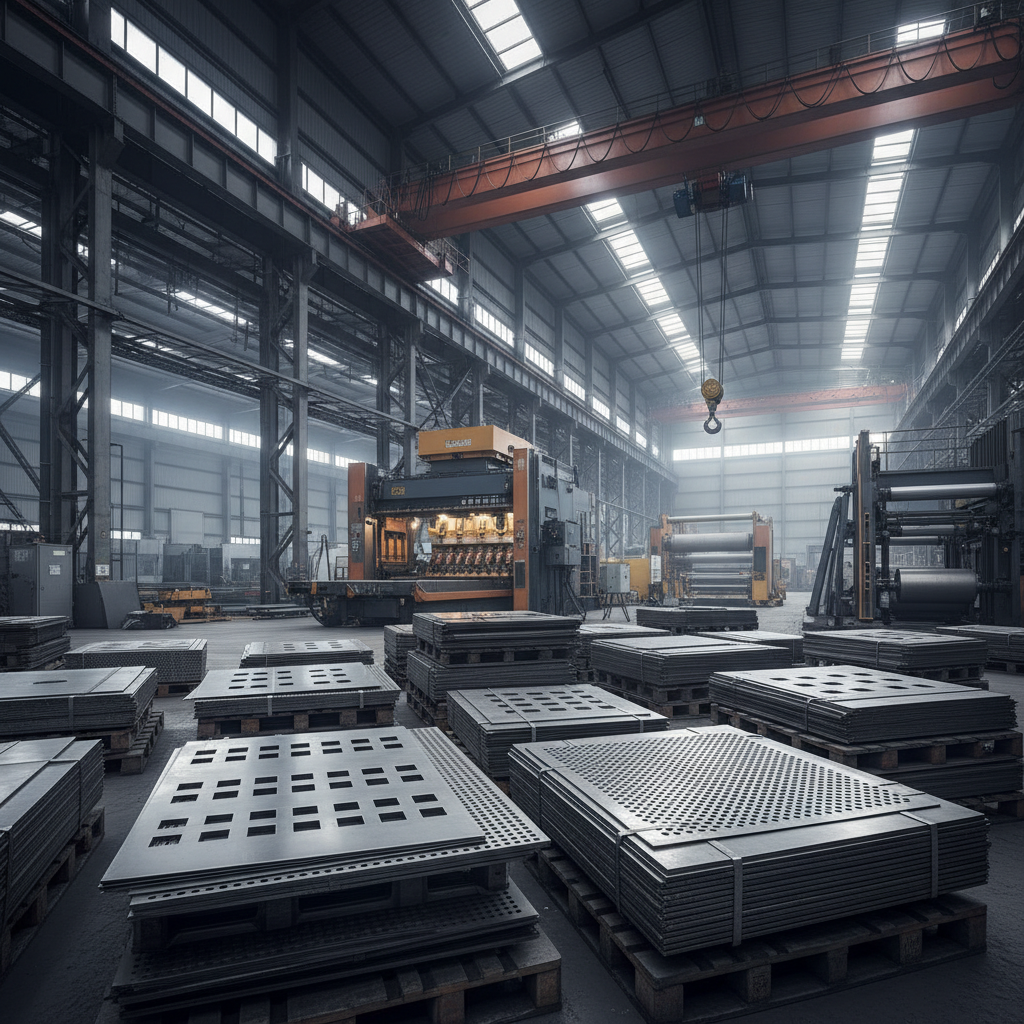
To be honest, the whole perforated metal manufacturing world has been buzzing about ultra-high strength steel lately. Not just the material itself, but how we’re forming it. Everyone's chasing thinner gauges with bigger open areas, demanding more for less, as always. It’s a constant push and pull, you know? The Chinese manufacturers are really stepping up their game with precision forming – saw it firsthand in a factory near Shanghai last month. The quality control is…well, getting there. Still a lot of variation, but they’re learning fast.
Have you noticed how often engineers design these patterns without actually thinking about how someone is going to fabricate it? I encountered this at a project in Houston last time. They wanted a ridiculously complex interwoven pattern in 14-gauge stainless. Beautiful on paper, absolute nightmare to produce consistently. We ended up spending weeks tweaking the tooling just to get acceptable parts. It's frustrating, because a little bit of shop floor input early on saves a ton of headaches later.
We primarily work with mild steel, stainless steel (304 and 316 are the workhorses), aluminum 5052 – that's a good one for marine applications, doesn’t corrode like crazy. And increasingly, weathering steel, or Corten steel. That stuff smells like earth, honestly. Kinda comforting, despite the rust. It feels heavy and solid, a bit oily to the touch when it's raw. You gotta handle it with gloves though, that surface can be rough.
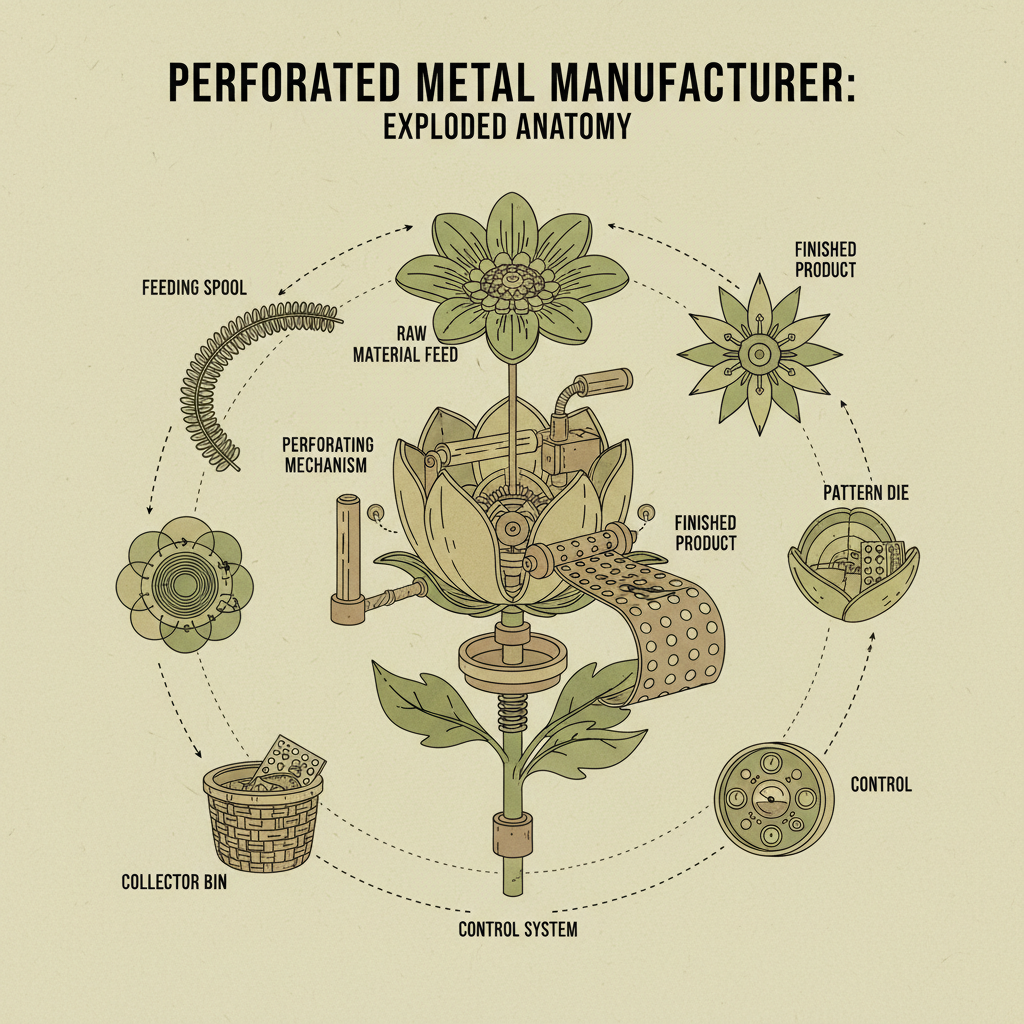
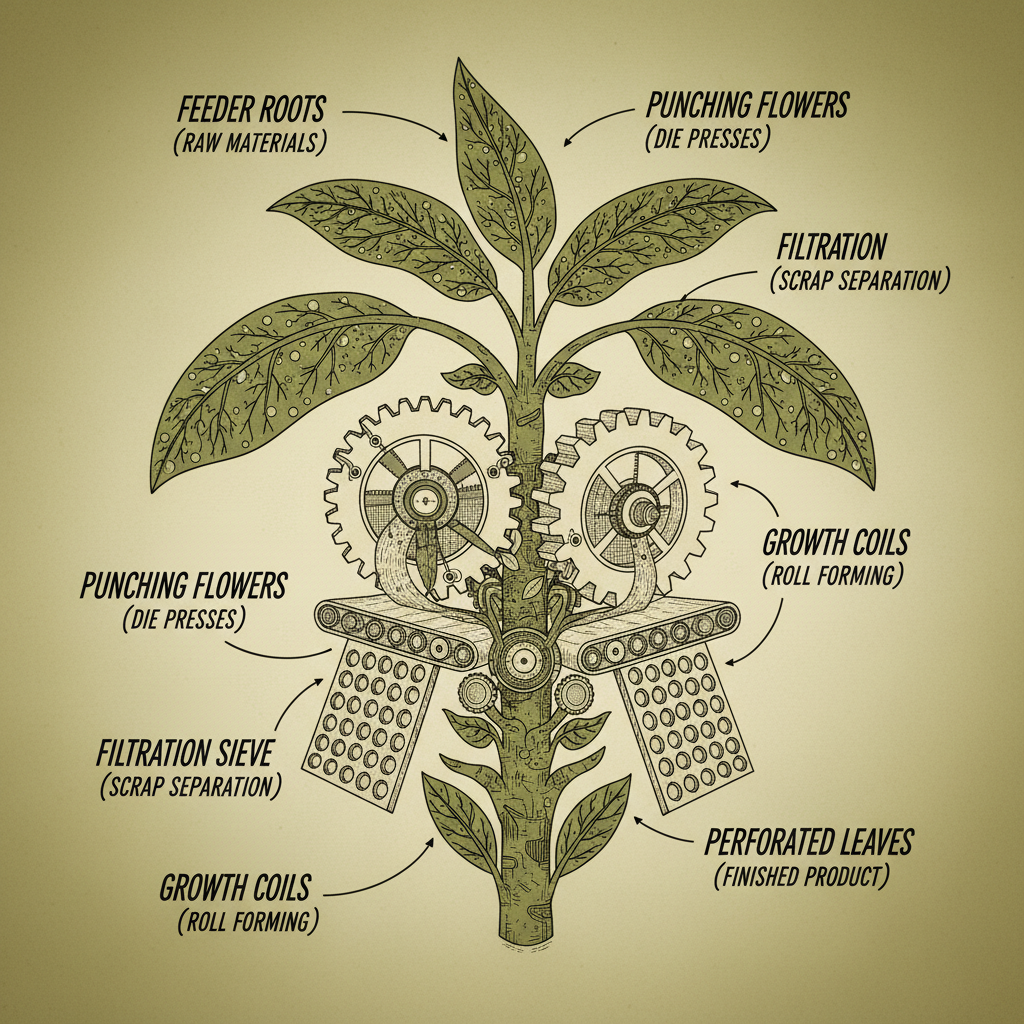
The industry is shifting. It's not just about the metal anymore; it's about the tooling, the software, the lead times. Everyone wants faster turnaround, tighter tolerances. Strangely, there's a renewed interest in manual methods for smaller, custom runs. Machines are great for volume, but a skilled craftsman can sometimes achieve better results for one-off pieces.
The biggest players, naturally, are in Asia, pumping out huge volumes. But we’re seeing a resurgence of domestic manufacturing, especially for projects requiring strict quality control or fast prototyping. It comes down to risk mitigation, you know? And the shipping costs…don’t even get me started.
Honestly, it depends on the material thickness and the tooling we have available. Generally, we can go down to around 0.5mm for thinner gauges of stainless steel. But pushing it smaller than that gets tricky. The hole starts to deform, and the scrap rate goes way up. We’ve experimented with laser cutting for very small holes, but that’s significantly more expensive.
Absolutely. We’ve done everything from logos and brand names to intricate geometric designs. We need a vector file (like an AI or DXF) for the pattern. The more complex the pattern, the longer it takes to program and tool, but we’re up for the challenge. Just be prepared for a higher price tag!
We offer a wide range of finishes, including mill finish, polished, brushed, powder coated, and galvanized. Powder coating is a popular choice for both aesthetic and corrosion resistance reasons. We can match pretty much any RAL color. We also do electropolishing for stainless steel, which gives it a really nice, shiny finish.
Lead times vary depending on the complexity of the order, the material, and our current workload. For standard patterns and readily available materials, we can usually deliver within 2-3 weeks. For custom patterns or special materials, it can take 4-6 weeks or even longer. It's always best to check with us directly for a more accurate estimate.
We do! We have a team of experienced engineers who can help you with pattern selection, material selection, and overall design optimization. We can also provide CAD drawings and technical specifications. We’re happy to collaborate with you to ensure that your project is a success.
For outdoor applications, you really want to consider corrosion resistance. Stainless steel (316 is best), aluminum 5052, and weathering steel are all good choices. Galvanized steel can also work, but the zinc coating will eventually wear off, especially in harsh environments. Proper finishing is crucial for maximizing the lifespan of the material.
So, that’s the world of perforated metal manufacturers in a nutshell. It’s a complex field, with a lot of variables to consider. From material selection to pattern design to fabrication techniques, there’s a lot that can go right – and a lot that can go wrong. It’s about finding the right balance between cost, performance, and aesthetics.
Ultimately, whether this thing works or not, the worker will know the moment he tightens the screw. And that’s the truth of it. If it fits, if it’s strong, if it looks good – that’s what matters. If you’re thinking about a project, feel free to reach out. We can help you navigate the complexities and get the job done right. Visit our website: www.tomaifilter.com