16 Apr 2026
In the world of industrial separation, the efficiency of your equipment often hinges on a single critical component: the centrifuge basket. Whether you are dealing with pharmaceutical crystallization, chemical processing, or food dehydration, the basket is the heart of the centrifugal process, responsible for retaining solids while allowing liquids to pass through at high velocities. Selecting a high-performance basket not only ensures product purity but also significantly impacts the safety and longevity of your machinery. In this guide, we will explore the technical nuances, material choices, and maintenance strategies to help you optimize your separation process.
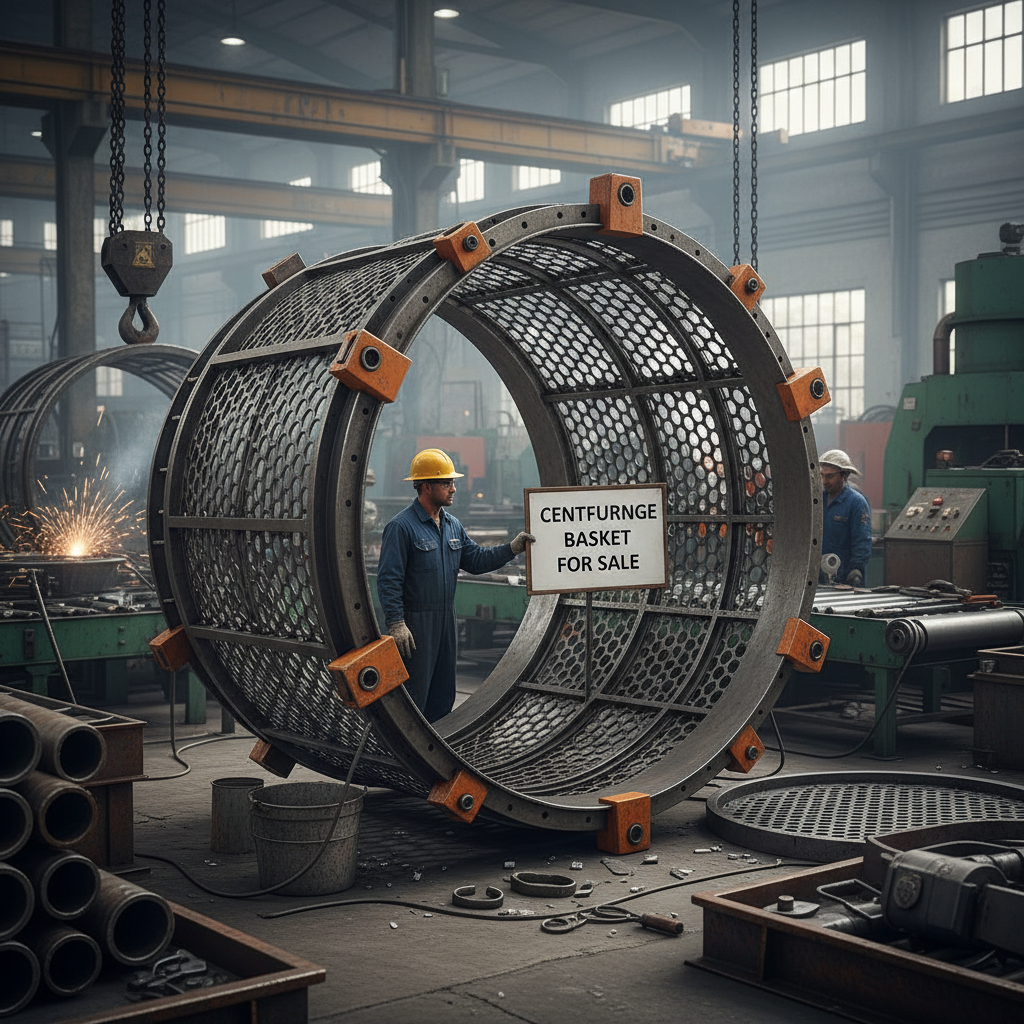
The fundamental role of a centrifuge basket is to apply centrifugal force to a slurry, forcing the liquid through a perforated wall while the solid cake accumulates on the interior. This process requires a delicate balance between structural integrity and filtration efficiency. If the perforations are too large, product loss occurs; if they are too small, the cycle time increases, reducing overall throughput. High-quality baskets are engineered to minimize vibration, which is critical when operating at thousands of rotations per minute (RPM), ensuring that the mechanical stress does not lead to premature fatigue or catastrophic failure.
Pro Tip: Always ensure the basket is perfectly balanced. Even a slight deviation in weight distribution can cause severe oscillations, leading to bearing wear and potential safety hazards in high-speed centrifuges.
Choosing the right material for a centrifuge basket depends heavily on the chemical nature of the substances being processed. For most industrial applications, Stainless Steel (304 or 316L) is the gold standard due to its excellent corrosion resistance and mechanical strength. However, in highly aggressive acidic or alkaline environments, specialty alloys like Hastelloy or Titanium may be required. The goal is to prevent pitting and stress-corrosion cracking, which can create weak points in the basket wall, eventually leading to structural failure under high G-forces.
Material Comparison Guide:
• SS304: Ideal for general purpose and food-grade applications.
• SS316L: Preferred for pharmaceutical and chemical use due to higher molybdenum content.
• Hastelloy: Necessary for extreme corrosive environments (chlorides, strong acids).
• Titanium: Best for seawater or high-temperature oxidation resistance.
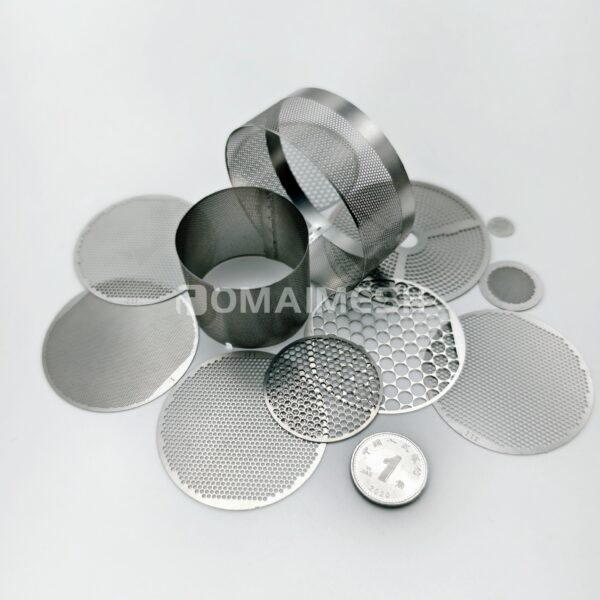
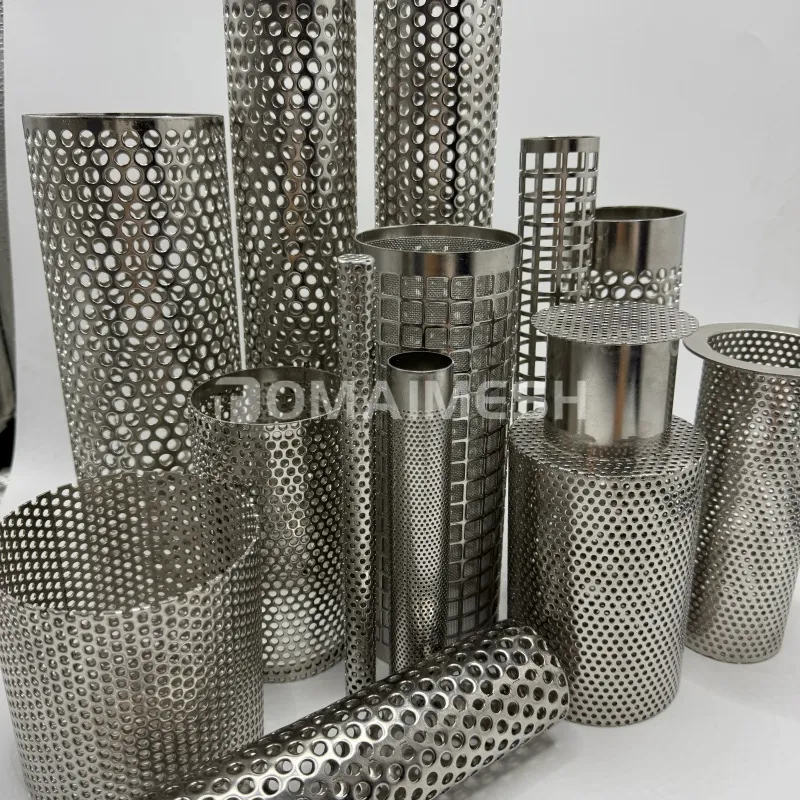
Not all baskets are created equal. Depending on the solids' characteristics, you may need a perforated plate design, a wedge-wire design, or a basket with a separate filter cloth. Perforated designs are cost-effective and robust, whereas wedge-wire baskets provide a more precise slot size, which is essential for fine particle retention without the need for a filter bag. Understanding these differences allows plant managers to optimize the centrifuge basket selection based on the desired dryness of the cake and the particle size distribution of the solids.
Precision is everything when manufacturing a centrifuge basket. Minor deviations in the roundness or weight distribution of the basket can lead to severe vibration, which not only damages the product but can lead to catastrophic machine failure. Industrial specifications usually focus on the G-force rating (how much centrifugal force the basket can withstand) and the perforation pattern. Ensuring that the basket is dynamically balanced is the most critical step before installation.
To ensure the centrifuge basket remains operational for years, a rigorous maintenance schedule is mandatory. The primary enemy of a centrifuge basket is corrosion-induced fatigue. Over time, chemical erosion can thin the walls of the perforations, reducing the basket's ability to withstand centrifugal stress. Regular borescope inspections and ultrasonic thickness testing can identify these vulnerabilities before they lead to a break. Furthermore, implementing a proper Cleaning-in-Place (CIP) system prevents the buildup of solids (blinding), which can cause imbalance and uneven wear.
One of the most frequent issues encountered is "blinding," where fine particles clog the perforations of the centrifuge basket. This leads to a decrease in filtrate flow and an increase in cake moisture. To combat this, operators often use vibration systems or high-pressure spray balls. Another challenge is the "cake discharge" phase; if the cake adheres too strongly to the basket wall, it can cause mechanical stress during the scraping process. Selecting a basket with an electropolished surface can reduce friction and improve discharge efficiency, ensuring a smoother production cycle.
The centrifuge basket is far more than just a container; it is a precision-engineered component that determines the success of your separation process. From selecting the correct alloy to ensuring perfect dynamic balance and rigorous maintenance, every detail counts. By investing in high-quality, custom-engineered baskets, industrial operators can achieve higher product purity, reduced downtime, and enhanced operational safety. Whether you are upgrading an existing system or designing a new plant, prioritize quality and precision to ensure long-term reliability.
You should consider replacing your basket if you notice an increase in machine vibration, a significant drop in filtration speed (even after thorough cleaning), or visible signs of corrosion and pitting. We recommend performing an annual ultrasonic thickness test to ensure the basket wall hasn't thinned below the safety threshold. If the basket has experienced a "crash" or sudden stop, it must be inspected for deformation immediately, as even a few millimeters of warping can lead to catastrophic failure at high speeds.
Yes, upgrading the material is actually a common way to extend the equipment's lifespan. For example, if your current SS304 basket is corroding quickly, switching to SS316L or Hastelloy can significantly reduce replacement frequency. However, you must ensure that the new material's density and strength are compatible with the existing motor and drive system to avoid imbalance or overload. Always consult with a technical expert at Tomaifilter to ensure material compatibility.
A perforated basket is made from a sheet of metal with holes punched or drilled into it; it usually requires a filter cloth to retain fine particles. In contrast, a wedge-wire basket is constructed from V-shaped wires wrapped around support rods, creating a precise, narrow slot. Wedge-wire designs are "self-cleaning" to an extent and can often eliminate the need for filter cloths, reducing operational costs and the risk of cloth tearing, making them ideal for specific particle size ranges.
Surface finishing, such as electropolishing or mirror polishing, drastically reduces the surface roughness (Ra value). This prevents solids from "sticking" to the walls, which makes cake discharge much easier and faster. In pharmaceutical and food industries, a high-polish finish is also critical for hygiene, as it eliminates microscopic crevices where bacteria or contaminants could hide, making the Cleaning-in-Place (CIP) process significantly more effective.


Hit enter to search or ESC to close
