04 Apr 2026
When it comes to efficient solid-liquid separation in various industrial processes, polyurethane screen panels stand out as a robust and cost-effective solution. As leading polyurethane screen panels manufacturers, Tomai Filter specializes in providing high-quality, custom-engineered screening solutions for diverse applications. This article delves into the benefits, applications, manufacturing process, and key considerations when choosing the right polyurethane screen panels for your needs. Proper selection and maintenance are vital to optimize performance and prolong the lifespan of these essential components.
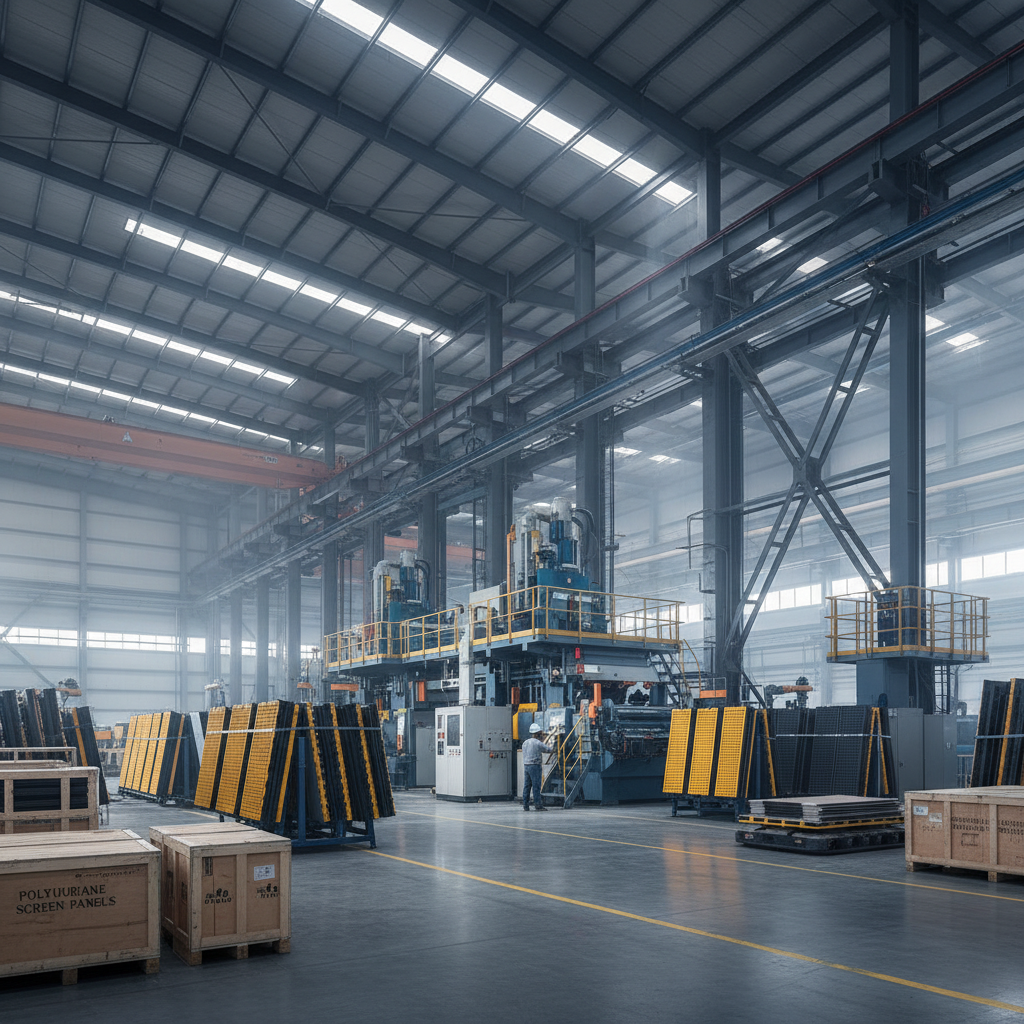
Polyurethane screen panels are engineered from durable polyurethane elastomers, known for their high abrasion resistance, flexibility, and load-bearing capabilities. Unlike traditional metal screens, polyurethane offers several advantages, including reduced noise, increased screening efficiency, and a longer service life. These panels are commonly used in industries such as mining, aggregates, wastewater treatment, food processing, and recycling to effectively separate materials based on size. Tomai Filter utilizes advanced manufacturing techniques to ensure consistent quality and precise aperture sizing, maximizing performance in demanding applications.
Key Advantages: High abrasion resistance, flexibility, reduced noise, long service life, and customizable aperture sizes.
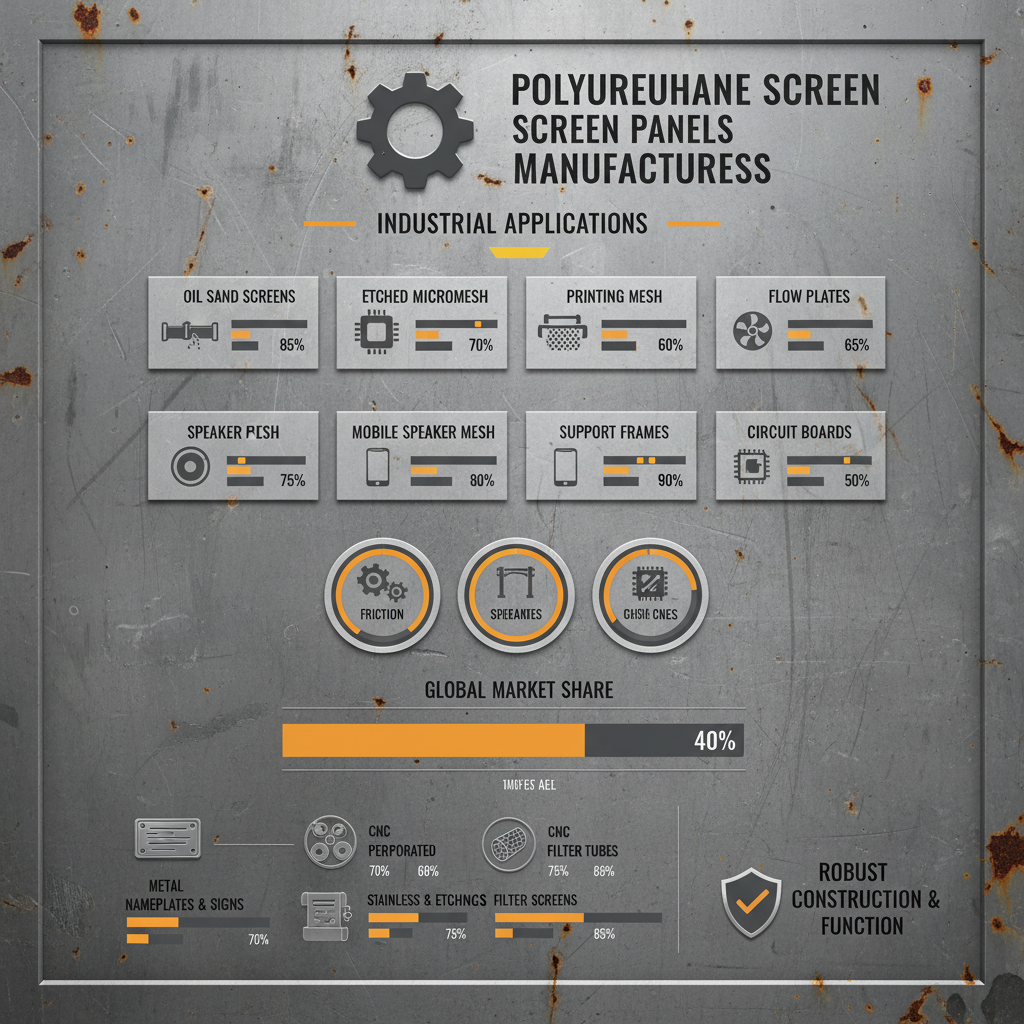
The versatility of polyurethane screen panels allows for application across a multitude of industries. In the mining sector, they’re used for classifying ores and separating valuable minerals from waste material. Aggregate producers rely on these panels for precise grading of gravel, sand, and crushed stone. Wastewater treatment plants utilize them for removing solids and debris from effluent streams. The food processing industry benefits from hygienic polyurethane screens for separating solids from liquids, ensuring product purity. Tomai Filter offers tailored solutions to meet the specific requirements of each application, optimizing performance and reducing downtime.
Common Applications:
• Mining and Mineral Processing
• Aggregate and Quarrying
• Wastewater Treatment
• Food and Beverage Processing
• Recycling and Waste Management
Selecting the appropriate polyurethane screen panel requires careful consideration of several factors. Aperture size is crucial for achieving the desired separation efficiency; smaller apertures are used for finer particles, while larger apertures handle coarser materials. The durometer (hardness) of the polyurethane impacts its abrasion resistance and flexibility – higher durometers offer greater resistance but can be less flexible. The panel’s thickness and support structure also influence its performance and longevity. Tomai Filter's experienced engineers can provide guidance in selecting the optimal panel configuration for your specific application, considering factors such as material characteristics, flow rate, and desired product quality.
As dedicated polyurethane screen panels manufacturers, Tomai Filter employs a meticulous manufacturing process. This begins with the careful selection of high-quality polyurethane raw materials. The polyurethane is then molded or cast into the desired shape, incorporating the specified aperture size and thickness. Rigorous quality control checks are performed throughout the process to ensure dimensional accuracy and material consistency. Finally, the panels are inspected and packaged for shipment, ready for immediate installation.
While polyurethane screens are remarkably durable, proper maintenance can significantly extend their lifespan. Regularly inspect the panels for wear and tear, and replace them promptly when damage is detected. Avoid using abrasive cleaning agents or high-pressure washing, which can accelerate degradation. Optimize feed rates and material distribution to minimize stress on the panels. Tomai Filter offers expert advice and support to help you maximize the performance and longevity of your screening equipment.
Choosing the right polyurethane screen panels is crucial for optimizing your separation processes and maximizing efficiency. As leading polyurethane screen panels manufacturers, Tomai Filter is dedicated to providing high-quality, custom-engineered solutions tailored to your specific needs. Contact us today to learn how we can help you improve your operations and reduce your costs.
Polyurethane screens offer several advantages over metal screens, including higher abrasion resistance, which translates to a longer lifespan. They are also more flexible, reducing the risk of damage from impact or vibration. Furthermore, polyurethane screens generate significantly less noise during operation, creating a more comfortable working environment. Metal screens can also be prone to corrosion, whereas polyurethane is resistant to many chemicals and environmental factors. Ultimately, polyurethane screens often provide a lower total cost of ownership due to their extended service life and reduced maintenance requirements.
Determining the correct aperture size depends on the particle size distribution of your material. You'll want to select an aperture size that allows the desired particles to pass through while retaining the larger ones. A sieve analysis of your material is a helpful starting point. It's often beneficial to start with a slightly smaller aperture size and test its performance, as you can always increase the size if needed. Tomai Filter's engineers can assist you in analyzing your material and recommending the optimal aperture size for your specific application. We can also provide sample panels for testing.
Minor damage to polyurethane screen panels, such as small tears or punctures, can sometimes be repaired using specialized polyurethane adhesives. However, for significant damage or widespread wear, replacement is generally recommended to ensure optimal performance and prevent further issues. Attempting to repair severely damaged panels can compromise their structural integrity and lead to premature failure. Tomai Filter offers a fast turnaround on replacement panels to minimize downtime.
The lead time for custom-made polyurethane screen panels depends on the complexity of the order, the quantity required, and our current production schedule. Generally, standard orders can be fulfilled within 2-3 weeks, while more complex or large-volume orders may require 4-6 weeks. We strive to provide accurate lead time estimates during the quoting process and maintain open communication throughout the manufacturing process. Tomai Filter also offers expedited production options for urgent orders.


Hit enter to search or ESC to close
