25 Feb 2026
When sourcing filtration solutions for industrial processes, understanding wedge wire screen manufacturers is crucial. These manufacturers specialize in producing high-precision screens used in diverse applications like water well filtration, chemical processing, and food & beverage production. This article explores what defines a reliable manufacturer, key considerations when choosing a supplier, and the benefits of using wedge wire screens. Selecting the right partner ensures optimal filtration performance and long-term operational efficiency.
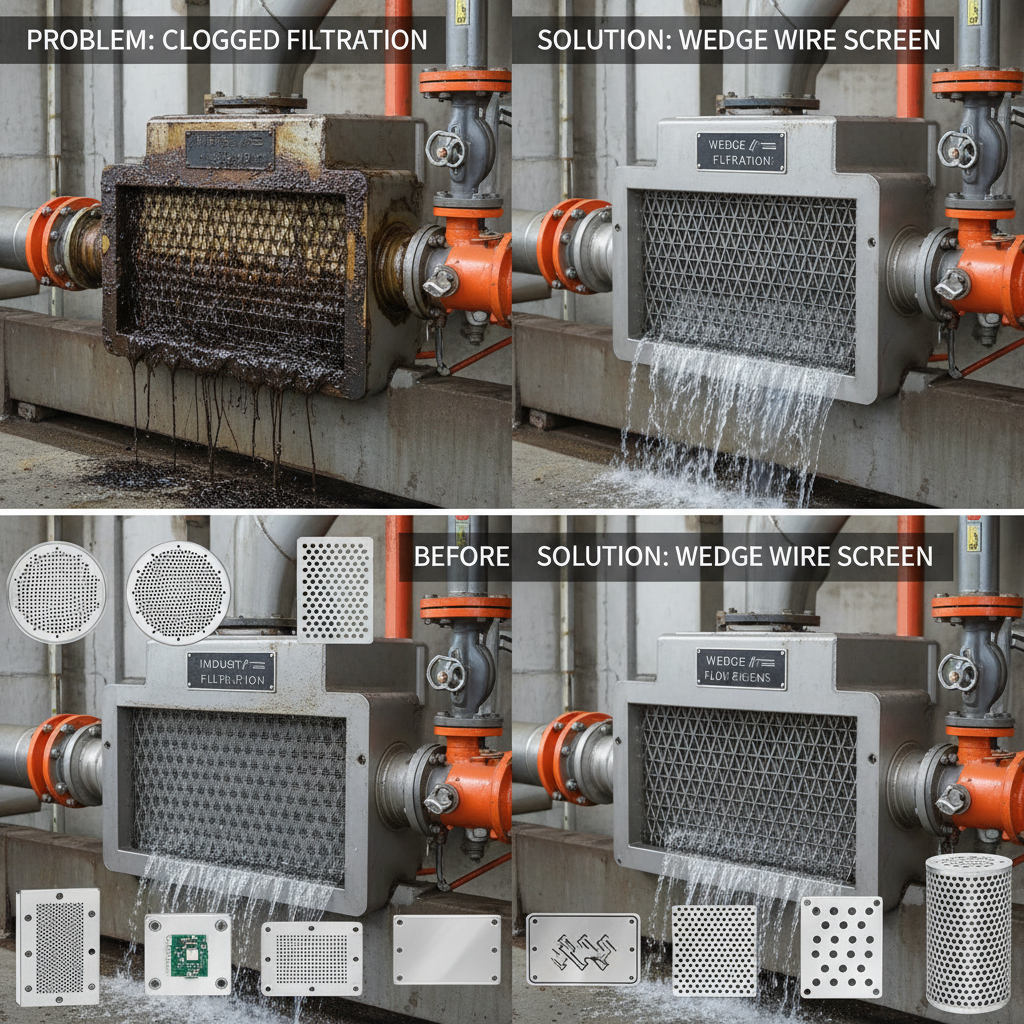
Wedge wire screens, also known as Johnson screens or V-wire screens, are constructed from a series of V-shaped wires wrapped around support rods. This unique design creates a continuous slot opening, offering exceptional strength, durability, and uniform flow distribution. Unlike woven wire mesh, wedge wire screens don't have a fabric weave that can become clogged easily. They are self-cleaning due to the V-shaped profile, making them ideal for applications involving viscous or particulate-laden fluids. The precision of the slot size is critical, and reputable wedge wire screen manufacturers control this meticulously.
The versatility of wedge wire screens makes them suitable for a broad spectrum of industries. Common applications include:
Key Benefit: The continuous slot design minimizes clogging and provides consistent flow rates, reducing downtime and maintenance costs.
Selecting the appropriate wedge wire screen manufacturer is paramount for ensuring the success of your filtration system. Here are crucial factors to consider:
Key Questions to Ask a Manufacturer:
• What materials do you work with?
• What is your tolerance for slot size?
• Can you provide references from similar projects?
• What is your lead time?
While both wedge wire screens and woven wire mesh are used for filtration, they differ significantly in their construction and performance. Wedge wire screens offer several advantages over traditional woven wire mesh, especially in demanding applications.
Tomaifilter is a leading wedge wire screen manufacturer dedicated to providing high-quality filtration solutions. We specialize in custom-designed screens for a wide range of applications, utilizing advanced manufacturing techniques and stringent quality control processes. Our team of experienced engineers can assist you in selecting the optimal screen for your specific needs. We offer competitive pricing, fast turnaround times, and exceptional customer support.
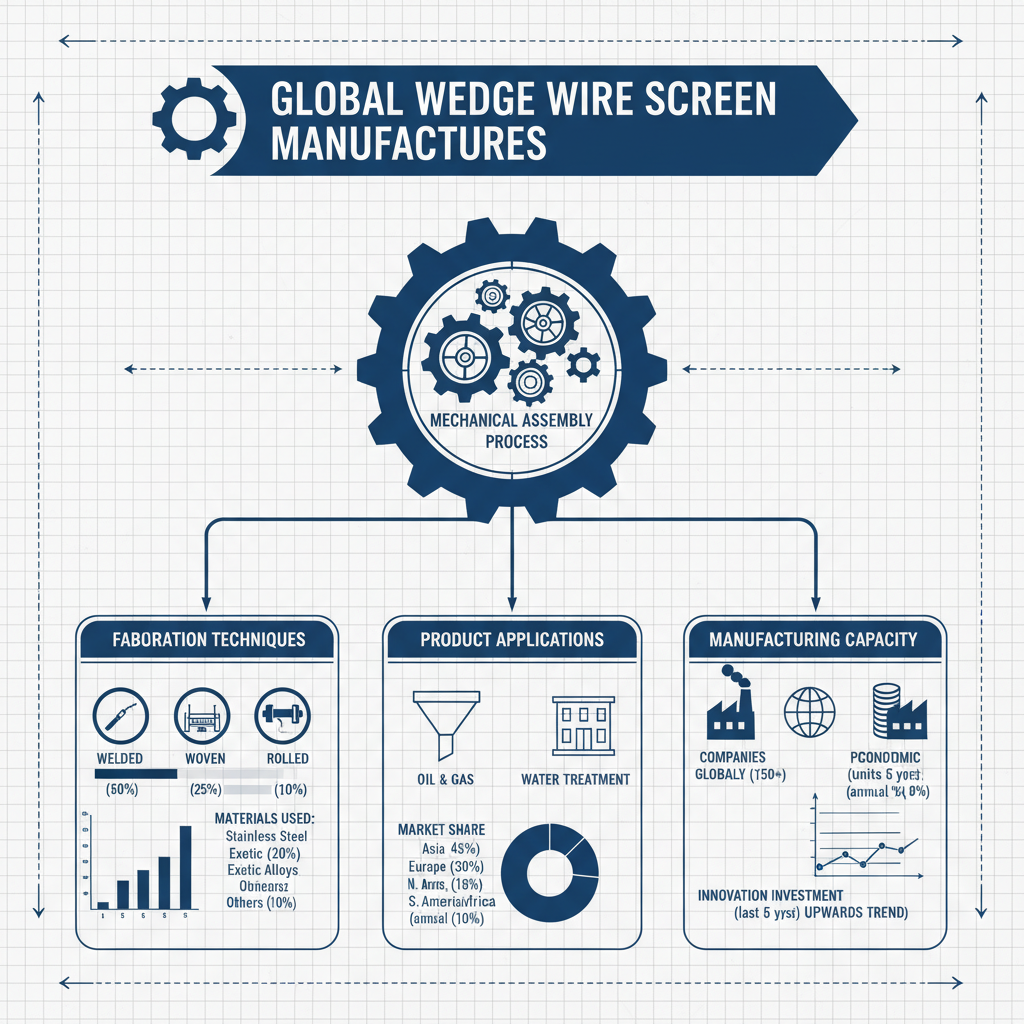
Choosing the right wedge wire screen manufacturer is an investment in the long-term efficiency and reliability of your filtration system. By partnering with a reputable supplier like Tomaifilter, you can ensure optimal performance, reduced maintenance costs, and consistent product quality.
Lead times vary depending on the complexity of the order, material availability, and current production schedule. However, we strive to deliver custom orders within 4-6 weeks. We offer expedited services for urgent requirements. Factors that can affect lead time include screen size, slot width precision, material type (stainless steel grade), and any special fabrication or welding requirements. We provide a detailed timeline with each quote, ensuring transparency and managing expectations.
The most common materials are various grades of stainless steel, including 304, 316, 316L, and duplex stainless steel. 304 stainless steel offers good corrosion resistance for general applications. 316 and 316L stainless steel provide superior resistance to chlorides and other harsh chemicals, making them ideal for marine or chemical processing environments. Hastelloy and other nickel alloys are used for extremely corrosive conditions. The material selection depends on the fluid being filtered, temperature, and pressure requirements.
Minor damage, such as a bent support rod, can sometimes be repaired. However, significant damage to the V-wire itself or extensive corrosion often necessitates screen replacement. Repairing a damaged screen can compromise its structural integrity and filtration efficiency. Tomaifilter offers screen refurbishment services for certain applications, but a thorough assessment is required to determine feasibility. It is generally more cost-effective to replace a severely damaged screen rather than attempt a repair.


Hit enter to search or ESC to close
