Understanding Perforated Plate Steel: Why It’s a Game-Changer Globally
If you've never given much thought to perforated plate steel, you’re not alone. Yet, this material plays a surprisingly big role across industries worldwide. Think of it as a metal sheet riddled with precise holes, designed for more than just looks — it’s about airflow, filtration, strength, and sometimes a bit of style. But why should we care? On a global scale, perforated plate steel helps solve pressing challenges like sustainable manufacturing, efficient air and water filtration, and even safer infrastructure. Wrapping your head around it gives you not only a better technical vocabulary but also insight into how industries balance durability with environmental needs.
---
The Global Stage for Perforated Plate Steel
Industries aren’t just local anymore. Manufacturing hubs in Asia, Europe, and the Americas rely heavily on materials like perforated plate steel. According to the ISO (International Organization for Standardization), standardized steel production supports over 2 billion tons of output annually [1]. Perforated plate steel is a key player in this mix because it enables ventilation systems that reduce energy costs and infrastructure components that withstand extreme conditions. Interestingly, reports from the World Bank suggest that infrastructure projects involving such materials can reduce maintenance costs by up to 30% in developing countries. But it’s also about tackling challenges: can we get materials that combine strength and flexibility? Perforated plate steel answers yes — often.
---
What Exactly Is Perforated Plate Steel?
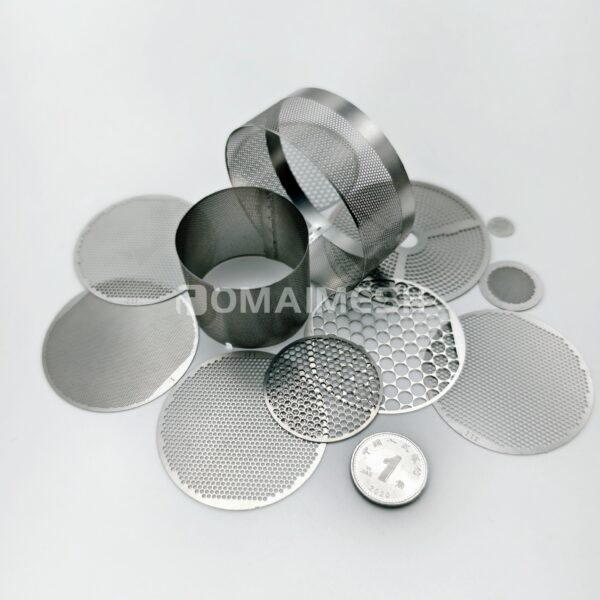
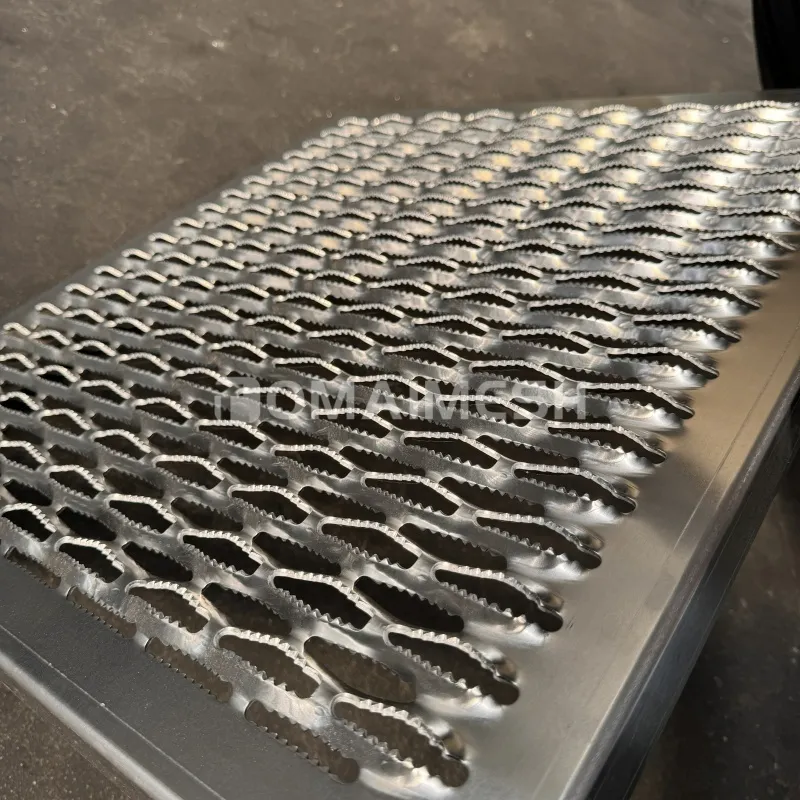
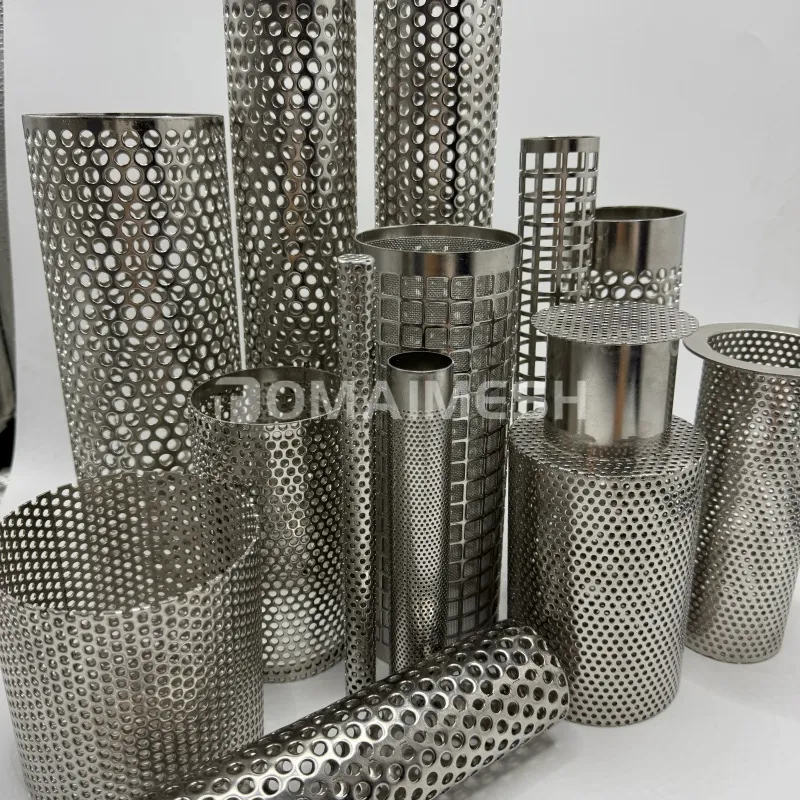
At its core: perforated plate steel is a sheet of steel that has been methodically punched with holes or slots. Imagine a cheese grater but made of tough steel and engineered for specific performance needs. The patterns and hole sizes can vary widely — round, square, slotted. This helps control airflow, drainage, or even sound. Its use isn’t just industrial; it’s humanitarian, too. For example, in disaster relief, perforated plates can be used for rapidly assembled shelters that breathe yet remain strong. It’s an unsung hero connecting raw material science and practical needs.
---
Durability That Stands the Test of Time
Perforated plate steel is tough. Many engineers swear by its resistance to corrosion (especially when zinc-coated or stainless steel variants are used) and mechanical wear. This means less frequent replacements and more reliable infrastructure.
Design Flexibility and Scalability
Because the patterning can be highly customized, manufacturers can adapt sheets for anything from air filters in HVAC systems to architectural facades. Plus, the scalability means small custom orders or vast industrial lots can be accommodated without losing quality.
Cost Efficiency Without Compromise
Oddly enough, punching holes in steel actually reduces material costs slightly, making perforated plate steel an attractive choice for budget-conscious projects. The energy savings it brings from improved ventilation or noise control can also stack up over time.
Eco-Friendly Manufacturing Potential
Steel recycling is a big deal — sustainably produced perforated plates often use recycled materials, cutting carbon footprints when compared to alternative composites. This aligns with global movements toward circular manufacturing.
---
Real-World Applications Across Continents
Whether it’s urban construction projects in North America or water filtration systems in remote African villages, perforated plate steel adapts to local needs. In Europe, for example, many sustainable building projects incorporate perforated steel facades to manage heat and light effectively. Meanwhile, in parts of Asia, the material finds heavy use in industrial machinery because of its strength-to-weight benefits.
In humanitarian contexts, organizations leveraging modular housing designs often use perforated steel sheets for ventilation panels. It’s an elegant, practical solution. In the Middle East and North Africa, where airflow and durability are crucial, such applications genuinely improve living conditions.
Perforated plate steel shows up quietly but indispensably in all these places.
---
The Long-Term Payoff: Advantage Highlights
- Cost Savings: Long-lasting durability reduces repair cycles.
- Sustainability: Made often from recycled steel, it supports environmental goals.
- Safety & Comfort: Promotes proper airflow and heat regulation.
- Innovation: Its customizable nature sparks new design possibilities.
- Trustworthiness: Many large-scale projects depend on it for reliability.
Many stakeholders say it feels like “getting a lot of value for relatively little upkeep.” It’s not just a technical choice but an investment in resilience, especially as global warming pushes infrastructure to its limits.
---
Looking Ahead: Trends and Innovations in Perforated Plate Steel
Manufacturers are experimenting with laser-cutting technology for even finer hole precision, which improves filtration quality dramatically. Emerging green energy projects demand steel grades that pair well with solar panel arrays and wind turbines — perforated steel makes the airflow and cooling more efficient.
AI-driven robotics now help customize pattern designs on demand, meaning clients can optimize for noise reduction, weight, or aesthetics in near real time. Meanwhile, policy shifts worldwide emphasize sustainable, recyclable materials, strengthening perforated steel’s foothold in future construction and industry.
---
Challenges and Expert Solutions
The main hurdles? Sometimes a perforated plate steel sheet isn’t enough by itself — it may need special coatings to resist harsh chemicals or extreme weather. Plus, precise fabrication requires advanced machinery, which can be costly for small manufacturers.
Experts suggest partnering with vendors who have ISO certifications and strong R&D departments. Innovative hybrid materials combining perforated steel with composites are also gaining traction — balancing strength, weight, and cost.
---
FAQ: Your Perforated Plate Steel Questions Answered
Q1: How durable is perforated plate steel compared to solid steel sheets?
A: Perforated plate steel maintains most tensile strengths of solid steel, but the holes can reduce load capacity depending on size and pattern. Treatments like galvanization can enhance durability against corrosion, making it robust for most industrial applications.
Q2: Is perforated steel suitable for outdoor architectural use?
A: Absolutely. Many building facades use stainless or weather-resistant perforated plates that not only provide a sleek design but also allow ventilation while protecting interiors from direct sunlight.
Q3: Can perforated plates be customized for specific filtration needs?
A: Yes. Hole size, shape, and pattern can be tailored precisely — this is why perforated plate steel is common in air and water filtration systems.
Q4: How do I choose the right vendor for perforated plate steel?
A: Look for ISO certification, proven quality control, flexible manufacturing options, and good customer reviews. Below, I’ve included a simple vendor comparison table that might help.
Q5: What are some cost-saving advantages of using perforated steel?
A: Besides material savings due to perforations, improved air flow reduces energy bills in HVAC systems. Long-term durability means fewer replacements, which translates to fewer disruptions and repairs.
---
Specification Table: Typical Perforated Plate Steel Options
| Specification |
Details |
| Material |
Stainless Steel, Galvanized Steel, Carbon Steel |
| Thickness |
0.5 mm to 10 mm |
| Hole Shape |
Round, Square, Slot, Ovular |
| Hole Diameter |
1 mm to 50 mm |
| Open Area Percentage |
10% - 70% |
| Finish |
Polished, Matte, Galvanized, Custom Coatings |
Vendor Comparison Table: Leading Suppliers of Perforated Plate Steel
| Vendor |
Certifications |
Customization Options |
Typical Lead Time |
Pricing Range |
| SteelPro Inc. |
ISO 9001, CE |
Full Pattern & Thickness Customization |
2-4 weeks |
Mid-range |
| Global Metals |
ISO 14001, RoHS |
Standard and Custom Patterns |
3-6 weeks |
Budget |
| PerfoSteel Solutions |
ISO 9001, UL Listed |
High Precision Laser Cutting |
1-3 weeks |
Premium |
---
Wrapping It Up: Why Perforated Plate Steel Matters for the Future
When you look at the global infrastructure or the mechanisms behind cleaner air and water systems, perforated plate steel quietly supports a lot of progress. Its blend of strength, flexibility, and cost-effectiveness makes it a go-to solution worldwide — from bustling cities to humanitarian relief zones. If you care about sustainable development or innovative materials, I’d suggest keeping an eye on this piece of engineering magic.
Ready to dive deeper or explore product options? Visit our website at
https://www.tomaifilter.com. You might find the exact perforated plate steel solution waiting for your next project. After all, good materials make good projects — and sometimes even better futures.
---
References:
- International Organization for Standardization (ISO)
- World Bank Data on Infrastructure
- Wikipedia: Perforated Metal