Perforated Corrugated Aluminum Panels: What They Are and Why They Matter
If you’ve ever wandered around modern building facades, infrastructure projects, or lightweight industrial enclosures, you might have seen these intriguing sheets — perforated corrugated aluminum panels. Those wavy, often dotted patterns aren’t just for looks. They serve practical roles that ripple out globally, from sustainable construction to disaster relief. Understanding why these panels are gaining traction worldwide helps decode a quiet revolution in materials technology. In short, they offer a blend of strength, ventilation, and cost efficiency that modern industries crave.
The Global Context: Why Perforated Corrugated Aluminum Panels Are Gaining Ground
On a global scale, the construction and manufacturing sectors are pushing for materials that deliver high performance with a reduced environmental footprint. According to the International Organization for Standardization, lightweight metals like aluminum are pivotal in achieving energy efficiency and sustainability targets. Aluminum’s recyclability coupled with perforation and corrugation techniques offers an optimal balance of strength and material use — which is critical, given rising urbanization and infrastructure demands in fast-growing economies.
But the challenge here is balancing durability with ventilation, cost with longevity. That’s where perforated corrugated aluminum panels uniquely step in. They not only solve heat dissipation problems in hot climates but also reduce structural weight — a key metric for post-disaster reconstruction and mobile installations. In fact, UN Habitat highlights metal-based modular solutions as promising options for resilient housing in disaster-prone regions.
Mini takeaway: These panels aren't a niche curiosity; instead, they're central to global strategies around sustainability, resilience, and cost-conscious building.
Defining Perforated Corrugated Aluminum Panels
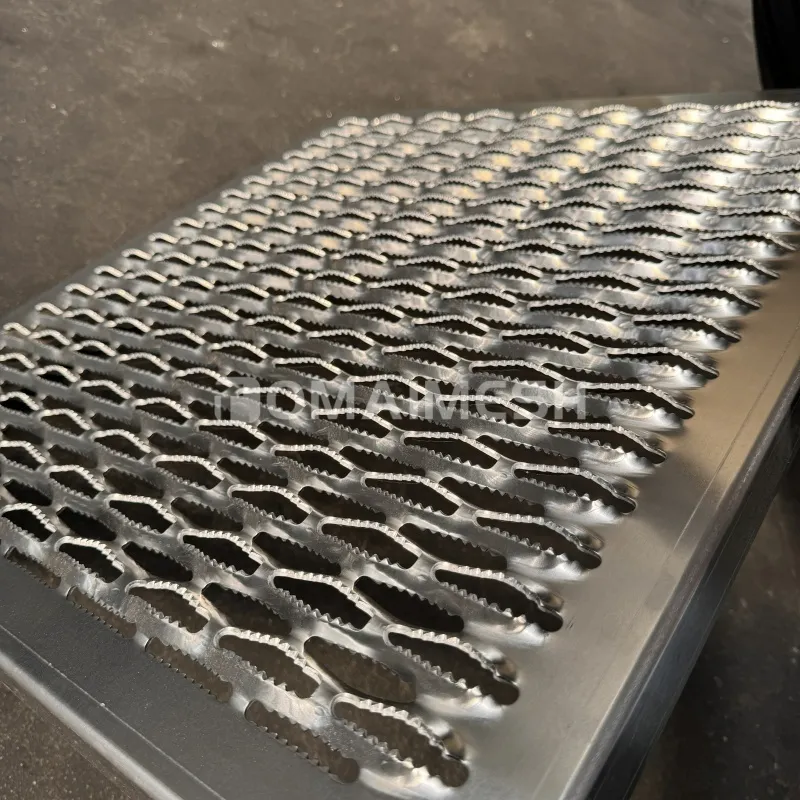
Let's break it down in simple terms: imagine a thin aluminum sheet that's corrugated (forming a series of parallel ridges and grooves for strength) and then perforated with a pattern of small holes. Unlike flat sheets, the corrugation adds rigidity without much extra weight, while perforations enhance airflow and light passage. Together, this makes for a versatile panel used in building facades, sunscreens, ventilation grilles, and lightweight enclosures.
Modern industries rely on these panels for ventilation, sound absorption, and aesthetics—think visible architecture marrying function with beauty. Humanitarian and industrial needs also intersect here: for example, shelters that require rapid assembly but also airflow use these materials to boost occupant comfort and structural longevity.
Key Factors Behind Their Practical Use
1. Durability
Corrugation enhances bending resistance and load capacity, so the panels resist dents and weather extremes. Aluminum itself resists rust, which is a game-changer in humid or coastal environments where steel would fail.
2. Ventilation & Light Diffusion
Perforations aren't just random holes; they’re engineered to allow airflow and natural light, improving internal environments for factories or offices. This reduces reliance on mechanical systems—smart design for sustainable buildings.
3. Lightweight & Easy Installation
Compared to solid steel sheets, these panels are remarkably light, which saves on transport and labor costs. Plus, they’re easy to cut, bend, and join—speeding up construction timelines.
4. Cost Efficiency
The combination of less raw material use (thanks to perforation), reduced structural supports necessary, and recyclability means lower lifecycle costs for projects employing these panels.
5. Customizability
Patterns of perforations and corrugation profiles can be tailored to project requirements — be it for acoustics, airflow, or aesthetic patterns, offering designers flexibility without compromising features.
6. Sustainability
Recyclable and often produced with recycled content, aluminum panels align well with ISO 14000 environmental management guidelines, making them front-runners in green building materials.
Mini takeaway: It’s this unique mix of physical properties and flexibility that explains their rapid adoption across many industries.
Global Applications & Use Cases
The versatility of perforated corrugated aluminum panels means they pop up in a wide range of environments:
- Post-disaster relief: NGOs use these panels in rapidly deployable shelters with good ventilation to improve living conditions in heat-prone regions.
- Industrial zones: In remote mining or manufacturing sites, these panels help build sheds and walls that manage dust and noise while still allowing airflow.
- Architectural facades: Urban centers in Europe and Asia use these panels to create energy-efficient sunshades that reduce cooling needs.
- Transportation: Airports and train stations employ them for interior cladding and noise barriers.
- Off-grid and green buildings: Their recyclability and light weight make them ideal for renewable-energy-powered modular homes.
Advantages & Long-Term Value
Beyond the obvious savings in weight and cost, these panels offer substantial advantages:
- Energy Efficiency: By facilitating natural ventilation and light, they reduce reliance on electricity.
- Social Impact: Improved comfort in emergency shelters offers dignity and safety to displaced populations, something often overlooked in haste-driven relief efforts.
- Trust & Longevity: Many engineers swear by the predictability and lifespan of aluminum panels, translating into long-term savings and fewer repairs.
- Sustainability: Aluminum’s recycling prowess means less waste, ideally closing material loops in circular economies.
Product Specification Table
| Specification |
Details |
| Material |
Aluminum Alloy 3003 or 5052 |
| Thickness |
0.8 mm to 2.0 mm |
| Corrugation Pitch |
30 - 60 mm |
| Perforation Diameter |
1.5 - 6 mm |
| Finish |
Anodized or PVDF coated |
| Panel Dimensions |
Up to 1220 mm width, custom lengths available |
| Weight |
Approx. 2.5 - 6 kg/m² |
Vendor Comparison
| Vendor |
Product Range |
Lead Time |
Customization |
Sustainability Certifications |
| TOMAI Filter |
Extensive perforated profiles & coatings |
2-4 weeks |
High (pattern & finish) |
ISO 14001 Certified |
| AluFab Corp |
Standard corrugated panels only |
4-6 weeks |
Low |
None |
| GreenMetal Solutions |
Eco-friendly anodized & recycled content |
3-5 weeks |
Medium |
LEED Preferred Supplier |
Future Trends and Innovations in Perforated Corrugated Aluminum Panels
What’s next for these panels? I guess it feels like the future combines tech and eco-focus. Manufacturers are experimenting with smart coatings that can adjust reflectivity depending on temperature. Imagine panels that help cool buildings passively, going beyond static perforation patterns. Then there’s digital transformation: robotics-enabled precision punching and corrugation reduce waste, accelerate production, and allow on-demand customization.
Also, with renewable energy building momentum, these panels are integrating into solar shading systems that optimize panels’ performance, combining aesthetic façade design with functional energy efficiency. The circular economy component is picking up speed too — expect more panels produced with recycled aluminum and easier disassembly techniques for reuse.
Challenges & Expert Solutions
No material is perfect. Corrosion in harsh marine environments, for example, can still be a concern despite aluminum’s natural resistance. A few engineers report that poorly designed perforation patterns can weaken panels under high wind loads. Plus, installing them requires trained crews to avoid warping or damage.
Innovations like advanced PVDF coatings provide stronger weather resistance, and finite element analysis (FEA) modeling helps optimize hole patterns for strength versus ventilation. Collaboration with experienced manufacturers—like perforated corrugated aluminum panels specialists—is crucial to get these details right.
FAQ: What You Really Want to Know About Perforated Corrugated Aluminum Panels
Q1: How do perforated corrugated aluminum panels help in hot climates?
A1: The perforations allow for airflow, reducing heat buildup behind the panels. Combined with corrugation that adds strength while minimizing material thickness, they serve as ventilated facades or sunscreens, cutting cooling loads. This passive approach improves indoor comfort and energy efficiency.
Q2: Are these panels suitable for coastal environments?
A2: Aluminum resists rust much better than steel, especially when anodized or coated. However, in highly saline conditions, regular maintenance and specialized finishes may be required to prevent surface degradation over time.
Q3: Can designers customize the perforation patterns?
A3: Absolutely. Custom perforation shapes and densities can tailor airflow, light penetration, and aesthetics. Modern manufacturing allows for precise design adaptations to fit project needs.
Q4: Are these panels recyclable?
A4: Yes, aluminum is one of the most recyclable metals, with recycling requiring only about 5% of the energy used to produce primary aluminum. This supports sustainable building practices and circular economy goals.
Q5: How do I source these panels for a humanitarian project internationally?
A5: Major suppliers like TOMAI Filter offer export support and customization for rapid deployment needs. Collaborating early with vendors ensures compliance with import regulations and timely delivery.
Conclusion: Why These Panels Are Built to Last and Lead
Perforated corrugated aluminum panels manage to be simultaneously subtle and transformational. They answer real-world demands around strength, airflow, sustainability, and cost—not as buzzwords, but as tangible deliverables in construction, industry, and humanitarian fields. As more designers and engineers discover their benefits, including in emerging economies, these panels will continue shaping resilient, comfortable, and eco-friendly spaces.
Ready to explore quality perforated corrugated aluminum panels for your project? Visit our website for detailed specs and expert support.
References
- ISO 14000 Environmental Management Standards
- UN Habitat: Disaster-Resilient Housing Strategies
- Wikipedia: Aluminium