What Makes Hexagon Perforated Sheet Metal a Global Game-Changer?
If you've ever admired a sleek architectural façade or marveled at a machine part’s robustness, there's a good chance hexagon perforated sheet metal had a role behind the scenes. But why is this specific kind of perforated metal so vital, not just in industry but on a global scale? Well, perforated sheet metal in hexagonal patterns isn't merely a pretty face — it’s a smart marriage of engineering and design, offering superior strength, ventilation, and versatility. The hexagon, often called nature’s building block, packs efficiency in both form and function, which is why industries from aerospace to humanitarian relief rely on it.
Understanding hexagon perforated sheet metal unlocks insights into sustainability, cost-cutting, and innovation. The ripple effects span global manufacturing standards, architectural trends, and even disaster response logistics. So why does this seemingly niche material matter? Because it’s quietly helping companies and communities optimize performance while respecting environmental and economic pressures worldwide.
Mini takeaway: Hexagon perforated sheet metal blends nature’s geometry with industrial strength, making it a versatile, sustainable choice with global relevance.
Globally Speaking: Why Hexagon Perforated Sheet Metal Is Increasingly Critical
To get a sense of how hexagon perforated sheet metal fits in the bigger picture, consider its industrial footprint. According to the ISO, the global metal fabrication market has grown at just under 6% annually over the past decade, fueled largely by innovations in material efficiency and applications. Hexagonal perforation creates a unique structure that significantly enhances strength-to-weight ratios — crucial when reducing material use without compromising durability.
But the benefits aren’t just industrial. The United Nations reported that infrastructure resiliency is a top priority in many developing regions, where materials that are affordable and robust can support rebuilding efforts without enormous carbon footprints. Hexagon perforated sheet metal addresses these challenges by combining strength, breathability, and recyclability. Not too shabby for something that looks so geometric and simple.
Here’s the rub: traditional flat sheet metal or even circular-perforated sheets often suffer drawbacks like uneven stress distribution or reduced airflow, which hinder their adoption in real-world, tough environments. Hexagonal perforations, however, spread load evenly and increase rigidity — tackling longstanding challenges head-on.
Mini takeaway: Drawing data from ISO and UN sources, hexagon perforated sheet metal is not just a design trend; it’s an industrial and humanitarian solution to critical strength and sustainability problems globally.
Hexagon Perforated Sheet Metal: What Exactly Is It?
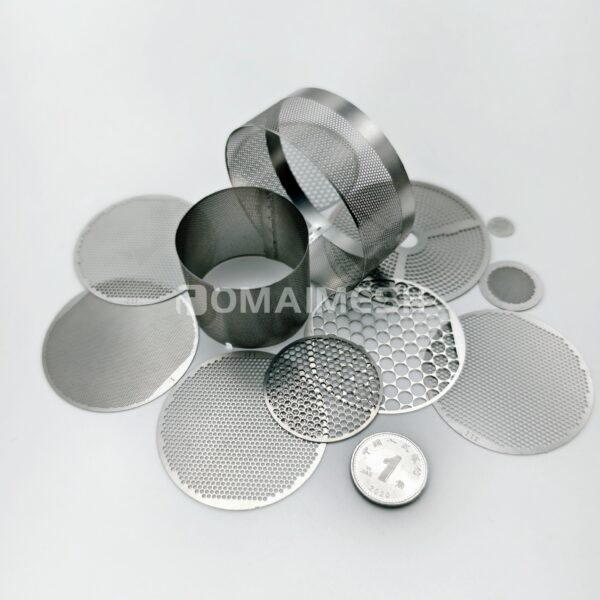
Put simply, hexagon perforated sheet metal is a flat metal substrate—often steel or aluminum—that’s been punched or laser-cut with a repeating pattern of hexagon-shaped holes. Unlike circular perforations, these honeycomb-like grids offer a superior surface stability combined with multiple benefits like improved airflow, light diffusion, and noise dampening.
Beyond aesthetics, this style mimics patterns often seen in nature (hello, beehives!), which engineers love for their efficient packing and stress distribution properties. It’s a neat example of biomimicry in industrial design.
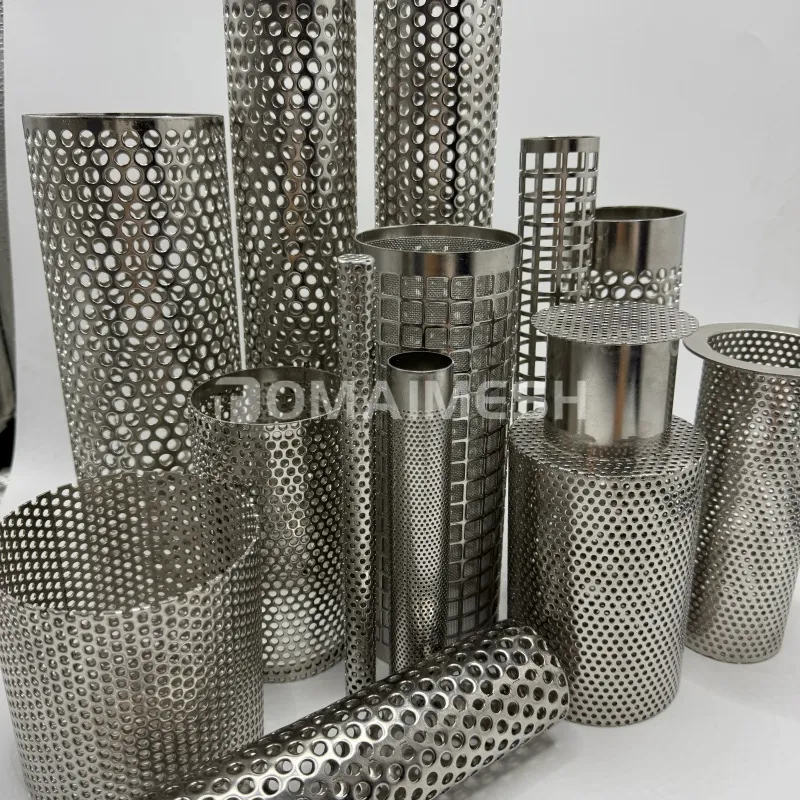
In modern industries, this material finds uses in everything from filtration systems, soundproof panels, architectural sunscreens, to protective screens in humanitarian aid shelters, where ventilation and strength are paramount under rough conditions. So, when you hear “hexagon perforated sheet metal,” think robust yet breathable, engineered for function and longevity.
Mini takeaway: Hexagon perforated sheet metal combines simple geometry with high performance, making it a darling of modern design and practical engineering.
Key Attributes That Make Hexagon Perforated Sheet Metal a Star Player
Durability
Thanks to the hexagonal hole pattern, this sheet metal maintains an excellent balance of strength and weight. Engineers often remark it behaves like a mini truss structure, offering superior load distribution compared to traditional perforations.
Ventilation & Airflow
Because of the nicely tessellated holes, airflow passes through more uniformly, making it ideal for HVAC grills, filtration, and acoustic panels where consistent breathability is key.
Cost Efficiency
Less metal means lighter sheets and lower raw material costs without sacrificing strength. Many manufacturers also find fabrication easier with standardized hex patterns, reducing waste.
Scalability & Customization
The pattern can be scaled up or down on demand, offering everything from fine mesh screening to dramatic architectural features. Plus, different metals can be used based on specific environmental or chemical exposure needs.
Aesthetic Versatility
Architects love hexagon perforated sheet metal for facades and interior elements, as it offers striking textures and shadow effects, marrying function with visual appeal.
Mini takeaway: Durability, airflow, cost savings, flexibility, and aesthetics all come together in a neat hexagonal package.
How/Where Is Hexagon Perforated Sheet Metal Actually Used?
From bustling factories in Germany to remote construction sites in Kenya, hexagon perforated sheet metal is everywhere. Here are a few places where it truly shines:
- Industrial filtration: Chemical plants and water treatment facilities use these sheets to filter out impurities efficiently.
- Architectural cladding: Cities like Dubai and Singapore incorporate it into building exteriors for solar shading and decorative screening.
- Humanitarian shelters: In post-disaster zones, such as after earthquakes or hurricanes, its ventilated yet protective properties help improve living conditions.
- Automotive and aerospace: Used in engine covers and noise control panels where weight and strength are critical.
- Electronics: Serving as protective mesh in cooling systems to prevent dust while allowing air circulation.
Oddly enough, it’s those unexpected niches—like refugee shelter walls or remote telecom towers—where it’s most appreciated, thanks to its combination of easy transport, sturdiness, and adaptability.
Mini takeaway: From cities to crisis zones, hexagon perforated sheet metal adapts beautifully to many demanding environments.
Product Specification Table: Typical Hexagon Perforated Sheet Metal
| Specification |
Typical Value |
Notes |
| Material |
Stainless Steel / Aluminum / Galvanized Steel |
Varies per application |
| Sheet Thickness |
0.5–3.0 mm |
Industry dependent |
| Hole Shape |
Hexagonal, uniform size |
Standardized pattern |
| Open Area Ratio |
30%–60% |
Depending on hole size and spacing |
| Max Sheet Size |
1500 mm x 3000 mm |
Custom sizes available |
| Finish Options |
Powder Coating, Anodizing, Galvanizing |
For corrosion resistance and aesthetics |
Advantages and Long-Term Value
Now, I have to say: the benefits of hexagon perforated sheet metal are not just in specs or sales pitch jargon. They make very real differences, especially when applied thoughtfully.
- Cost-effectiveness: Lower material use and longer sheet life translate into real savings, especially on large-scale projects.
- Sustainability: Many hex perforated metals use recycled feedstock and are themselves recyclable, aligning with global climate goals.
- Safety & Social Impact: Better ventilation and structural integrity can improve living and working conditions, directly impacting health and morale.
- Reliability: Resistance to corrosion and mechanical fatigue ensures installations last far longer, reducing downtime.
- Innovation & Trust: The pattern allows engineering flexibility that spurs custom designs, building stakeholder confidence in durable solutions.
Mini takeaway: Hexagon perforated sheet metal is more than a material — it’s an investment in durability, sustainability, and human well-being.
Vendor Comparison: Selection at a Glance
| Vendor |
Material Options |
Customization |
Lead Time |
Pricing Tier |
| TOMAI Filter Tech |
Stainless Steel, Aluminum, Galvanized |
Full size and pattern customization |
2–4 weeks |
Mid-range |
| Global Metals Inc. |
Steel, Aluminum |
Limited pattern options |
3–6 weeks |
Higher-end |
| EcoPerfs Ltd. |
Recycled Steel only |
Pre-set patterns only |
1–2 weeks |
Budget |
Looking Ahead: Future Trends & Opportunities
Innovation around hexagon perforated sheet metal isn't standing still. Quite the opposite. With rising demand for green building materials, expect to see expanded use of composite metals and bio-based coatings that improve durability while reducing environmental impact. Digitally controlled laser cutting and robotics are already improving precision and speeding up production.
Automation in perforation patterns allows designers to optimize open area ratios dynamically — it’s almost like giving engineers a new palette to paint with. Simultaneously, regulations focused on sustainability (think latest ISO 14001 developments) will push vendors to source responsibly and offer transparent life-cycle data.
And because hexagon perforated metals are excellent in airflow and noise reduction, you can bet their role will expand in green energy projects — especially solar panel ventilation and wind turbine housings — where efficiency is everything. Frankly, the future looks hexagonal.
Mini takeaway: Expect smarter materials, automation, and eco-focus to drive hexagon perforated sheet metal into new frontiers.
Challenges & Expert Solutions
Of course, nothing is perfect. One common hurdle is processing costs for complex patterns at smaller production scales, which can sometimes limit adoption for smaller companies. Additionally, corrosion resistance depends heavily on material choice; poor maintenance can shorten lifespan in harsh environments.
Experts suggest a few strategies to overcome these issues:
- Partnering with vendors that specialize in digital cutting to reduce waste and unit costs.
- Applying advanced coatings tailored to application environments.
- Designing modular panels that can be replaced individually rather than entire sheets to save cost.
Lastly, education in end-user application is key. Many underestimate the advantages of hex perforation and default to traditional methods. Spreading awareness and offering design consultations helps is starting to break those old habits.
FAQ: Your Top Questions on Hexagon Perforated Sheet Metal
Q1: How does hexagon perforated sheet metal compare to round perforated sheets in strength?
A: Hexagonal patterns distribute stress more evenly across the sheet, resulting in higher load-bearing capacity and less distortion compared to round holes with similar open area ratios. This makes them preferable for structural and ventilation applications demanding durability.
Q2: Can hexagon perforated sheets be customized for unique project sizes?
A: Absolutely. Most vendors offer scalable patterns allowing you to specify precise hole dimensions, spacing, and sheet sizes up to industry-standard maximums—and sometimes beyond with bespoke orders.
Q3: What maintenance is needed to preserve hex perforated metal in outdoor settings?
A: Routine cleaning and inspection, along with applying corrosion-resistant finishes like galvanizing or powder coating, significantly extend service life. Areas exposed to saltwater or chemicals may require specialized coatings.
Q4: Are these sheets environmentally friendly?
A: Yes. They typically use recycled metals and themselves can be recycled. Plus, their long lifespan and efficiency reduce resource consumption over time, aligning well with sustainable building practices.
Q5: How quickly can I get custom hexagon perforated sheets delivered?
A: Lead times generally range between 1–4 weeks, depending on customization complexity and vendor. Planning ahead helps ensure you meet project deadlines smoothly.
Wrapping It Up: Why Choose Hexagon Perforated Sheet Metal?
Hexagon perforated sheet metal isn’t just a manufacturing buzzword—it’s the quiet workhorse behind stronger, smarter, and sustainable solutions globally. Whether you’re an architect seeking stunning facades, a humanitarian planning shelter upgrades, or an engineer aiming for optimal machinery protection, understanding and leveraging this advanced material can transform results.
Curious about exploring hexagon perforated sheet metal options? Why not connect with TOMAI Filter Tech for tailored solutions that suit your needs—friendly, expert, and innovative.
Trust me, once you get familiar with hexagonal perforation, you’ll see it’s not just metal—it’s a blueprint for efficiency and resilience.
References:
1. ISO Standards for Metal Fabrication
2. United Nations Climate Change Reports
3. Wikipedia: Perforated Metal