The aluminum perforated basket: A small marvel with big global impact
If you’ve never thought about a basket as more than just a household item, the aluminum perforated basket might just change your mind. This seemingly simple piece of equipment is playing a quietly pivotal role across a variety of modern industries — from manufacturing to humanitarian aid. The combination of lightweight metal and strategically punched holes offers unique advantages in filtration, sorting, protection, and storage. Understanding these baskets helps us appreciate a subtle yet essential component underpinning efficiency, safety, and even sustainability worldwide.
Introduction: Why the aluminum perforated basket matters globally
Globally, the manufacturing and logistics sectors continuously seek tools that optimize processing while minimizing costs and environmental impact. According to the World Bank, efficient industrial processes contribute significantly to reducing waste and energy consumption, key for meeting rising sustainability targets. In this context, the aluminum perforated basket addresses a core challenge: enabling effective ventilation, filtration, or containment without heavy resources or excessive energy use. Whether it’s filtering fine particles in an industrial plant or safely holding delicate instruments in a medical setting, this basket offers a clever solution.
Take, for example, the ISO standards on filtration and ventilated components — many depend on products like these baskets that balance durability with airflow. Oddly enough, a lot of people rarely connect aluminum “holes” with serious industrial benefits — but those holes, precisely designed, help streamline everything from drying processes to medical sterilizations.
Mini takeaway: As industries worldwide push for greener, leaner processes, aluminum perforated baskets stand out as both practical and sustainable tools.
What exactly is an aluminum perforated basket?
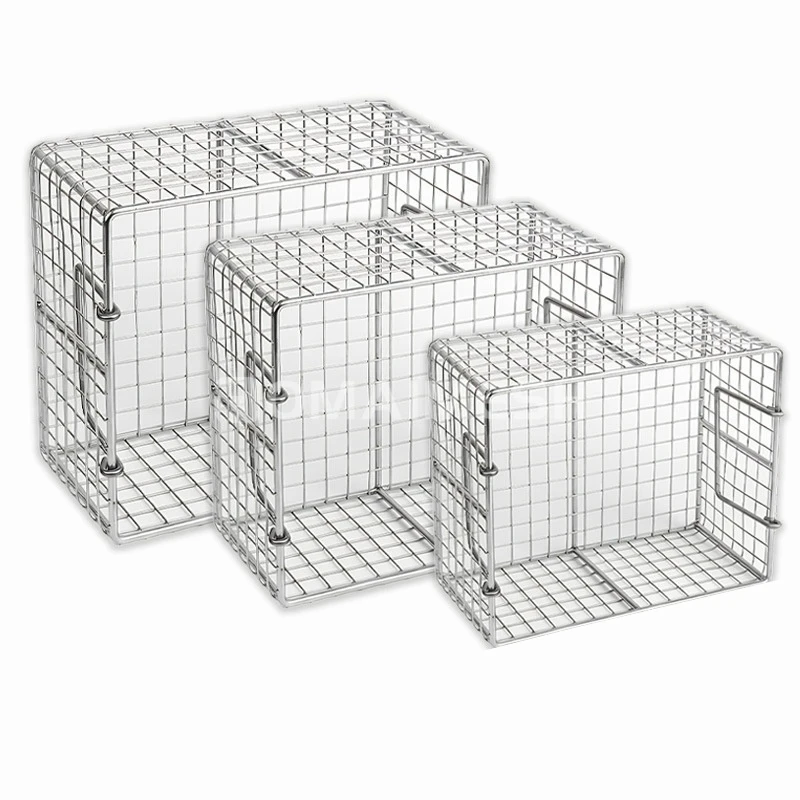
Put simply, an aluminum perforated basket is a container made from lightweight aluminum metal with a pattern of holes or slots punched or drilled into it. These perforations allow air, liquids, or small particles to pass through while keeping larger objects contained. Compared to solid containers, the perforated design reduces weight and improves ventilation or drainage, making it ideal where these properties are critical.
In many ways, these baskets epitomize the marriage of material science with thoughtful design. Aluminum resists corrosion, is lightweight, and easy to clean—traits that make these baskets wearable in every important industrial or humanitarian setting — anytime you need a durable, breathable "holder" of sorts.
Key features that make aluminum perforated baskets essential
Durability & Resistance
Aluminum is naturally resistant to corrosion and oxidation, especially if properly treated or anodized. This ensures baskets maintain usability in humid or corrosive environments like chemical plants or coastal warehouses. Many engineers note that a well-crafted aluminum basket easily outlasts plastic equivalents.
Lightweight Design
Compared to stainless steel or thick plastics, aluminum baskets can be up to 50% lighter. This eases handling, reduces shipping costs, and is vital when baskets are used in portable or delicate operations, such as field medical equipment transport.
Efficient Ventilation and Filtration
The perforations aren’t just decorative; they’re carefully calculated for optimized airflow or liquid drainage. This feature is ideal for washing and sterilization cycles in food processing or pharmaceutical industries.
Customizable Perforation Patterns
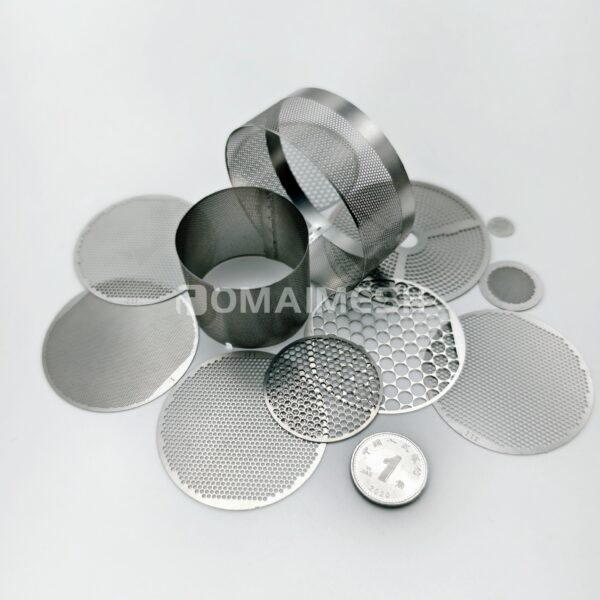
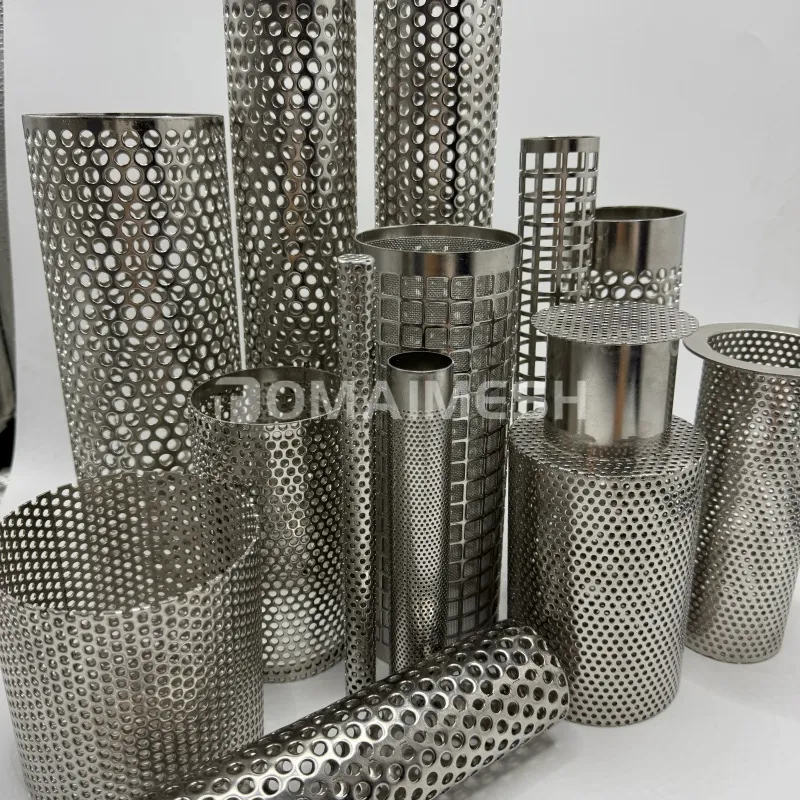
Hole size and distribution can be tailored to specific needs—whether large for bulky filtration or micro-perforations to block contaminants yet allow gas exchange, many manufacturers offer bespoke options.
Cost Efficiency
While aluminum isn’t the cheapest metal, the baskets’ long-lasting nature minimizes replacement needs. Plus, their recyclability adds a sustainability edge — a win for companies with circular economy goals.
Mini takeaway: A blend of strength, lightness, airflow management, and adaptability makes these baskets more than just containers—they’re engineered solutions.
How aluminum perforated baskets serve industries across the globe
Perhaps the most fascinating aspect is how widely these baskets are used:
- Food processing: Washing, drying, and storing fruits or seafood where airflow and drainage prevent spoilage.
- Medical and pharmaceutical: Sterilization trays that ensure instruments receive steam or gas exposure evenly during autoclaving.
- Automotive parts handling: Transporting delicate components within assembly lines while securing them safely.
- Humanitarian aid and disaster relief: Protecting and distributing essential supplies where lightweight durability counts.
From North America’s cleanroom facilities to Southeast Asia’s fisheries, aluminum perforated baskets quietly underpin operations. Oddly enough, NGOs have even adopted these baskets inspired by industrial designs to pack and air out medical kits efficiently during international aid missions.
Global Vendor Example Comparison
| Vendor |
Material Grade |
Standard Sizes (mm) |
Customization Options |
Lead Time |
Price Range |
| Alpha Metals |
6061-T6 |
300x200, 400x300 |
Hole size, pattern, branding |
2 weeks |
$$$ |
| Beta Supplies |
5052 Hard Anodized |
Custom only |
Full custom perforated designs |
3-4 weeks |
$$$$ |
| Gamma Industrial |
3003 Alloy |
200x150, 250x200 |
Limited hole sizes |
1 week |
$$ |
Advantages & long-term value: More than just a container
Let’s be frank, the aluminum perforated basket isn’t glamorous in the traditional sense—but it absolutely delivers where it counts. The benefits are manifold:
- Cost savings: Its durability means less frequent replacement.
- Environmental impact: Aluminum is highly recyclable, closing the materials loop.
- Safety & hygiene: Perforations facilitate cleaning and sterilization, vital in medical setups.
- Trust & reliability: In critical operations, these baskets provide peace of mind—they perform as expected, every single time.
For companies striving for sustainability goals or NGOs shipping supplies to remote regions, this basket speaks volumes about innovation and respect for resources. It’s reassuring to know that a simple design twist can elevate functionality without adding complications.
Looking ahead: Future trends in aluminum perforated basket design
Innovation isn’t stopping here. Some exciting directions include:
- Smart materials: Aluminum alloys enhanced for better corrosion resistance or antimicrobial effects.
- Digital fabrication: Laser-cut perforations allow complex patterns, tailored to exact filtration or aesthetic needs.
- Integration with automation: Robots handling baskets on assembly lines demand new ergonomic designs.
- Sustainability policies: Stricter global standards push for recyclable, lower-carbon-footprint materials—areas where aluminum excels.
Oddly enough, 3D-printed prototypes are also appearing, letting designers simulate flow through perforations long before physical cuts happen. It feels like we’re on the cusp of baskets becoming almost bespoke tools for each industrial niche.
Challenges & practical solutions
Not everything is perfect. Some common hurdles with aluminum perforated baskets include:
- Inconsistent hole sizing: Can lead to poor performance in critical filtration roles.
- Structural weakness at edges: Thin perforated sheets may dent or warp under heavy loads.
- Cost vs. plastic alternatives: Sometimes, upfront costs dissuade buyers despite long-term benefits.
Experts recommend stringent quality controls during manufacturing and coating processes. Reinforcement ribs and smart stacking designs address sturdiness issues. Plus, educating customers about lifecycle cost savings can encourage choosing aluminum despite initial price gaps.
FAQ: Questions about aluminum perforated baskets
Q: What sizes do aluminum perforated baskets typically come in?
A: Sizes vary greatly depending on application, but many suppliers offer standard baskets ranging from 200x150 mm to 400x300 mm. Custom sizing is common for specialized needs.
Q: How resistant are these baskets to corrosion?
A: Aluminum naturally forms a protective oxide layer that resists corrosion. For harsher environments, anodized or coated finishes provide extra protection.
Q: Can the perforation pattern be customized?
A: Yes. Depending on the vendor, hole size, shape, and distribution can be tailored to meet filtration, airflow, or aesthetic requirements.
Q: Are aluminum perforated baskets recyclable?
A: Absolutely. Aluminum is one of the most recycled metals globally, maintaining quality through repeated processing.
Q: How do I choose a vendor for industrial use?
A: Consider material grade, customization options, lead times, and reputation. Balancing cost with quality and support is key.
Conclusion: Why you should care about aluminum perforated baskets
In the grand scheme of modern manufacturing and logistics, the aluminum perforated basket offers a winning combo — durability, efficiency, and a surprising environmental edge. It’s the kind of behind-the-scenes hero that helps industries succeed while pushing toward greener goals. If your projects require reliable, lightweight baskets that can stand up to the toughest challenges, exploring aluminum perforated basket options might be the smartest step you take all day.
Ready to see the full range of possibilities? Visit our website: https://www.tomaifilter.com.
References
- ISO: Filtration standards and materials
- World Bank: Sustainable Industry Overview
- Wikipedia: Aluminium