Understanding 4 x 8 Perforated Metal: Versatility Meets Industry Standards
Perforated metal sheets measuring 4 x 8 feet aren’t just another industrial material — they’ve quietly woven themselves into various critical sectors worldwide. From architecture and automotive manufacturing to filtration systems and protective barriers, 4 x 8 perforated metal has become a staple. Why does this dimension matter? Well, the 4-by-8-foot size aligns well with standard manufacturing and shipping practices, offering an optimal balance of manageability and coverage. Globally, as infrastructure projects and environmental concerns soar, having reliable, adaptable materials like this one proves invaluable.
It's fascinating how something as simple as a sheet of metal with holes can address complex challenges — think noise reduction in urban planning or enhanced filtration in water treatment plants. Plus, understanding these materials’ properties unlocks smarter design possibilities that are both sustainable and cost-effective.
Global Context: Why 4 x 8 Perforated Metal Matters
According to the International Organization for Standardization (ISO), the metal fabrication industry is expected to grow steadily, driven largely by demand in construction, automotive, and industrial machinery sectors. The ISO standards themselves encourage uniformity, and 4 x 8 perforated metal sheets fit neatly within these global norms.
Of course, global urbanization and rising industrial output are pushing architects and engineers to seek materials that accomplish more with less. Perforated metal sheets help reduce weight without sacrificing strength, improve ventilation, and contribute to energy efficiency. Oddly enough, the challenge isn’t scarcity but choosing the right specifications among the many options available. This is where understanding 4 x 8 perforated metal helps — it simplifies selection and streamlines procurement.
What Exactly is 4 x 8 Perforated Metal?
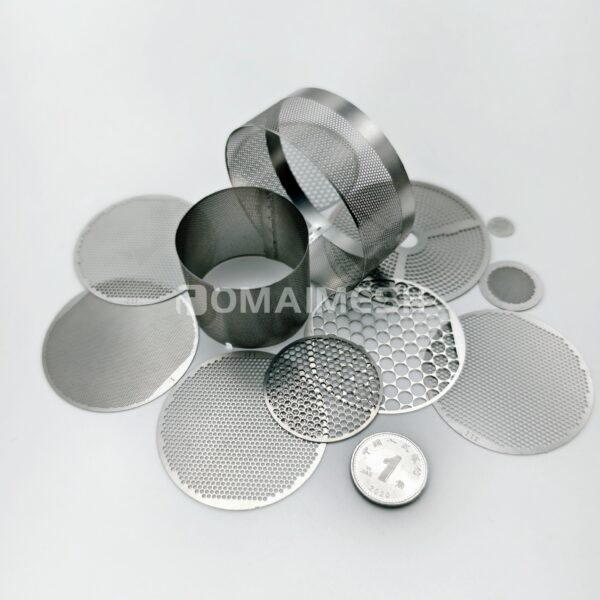
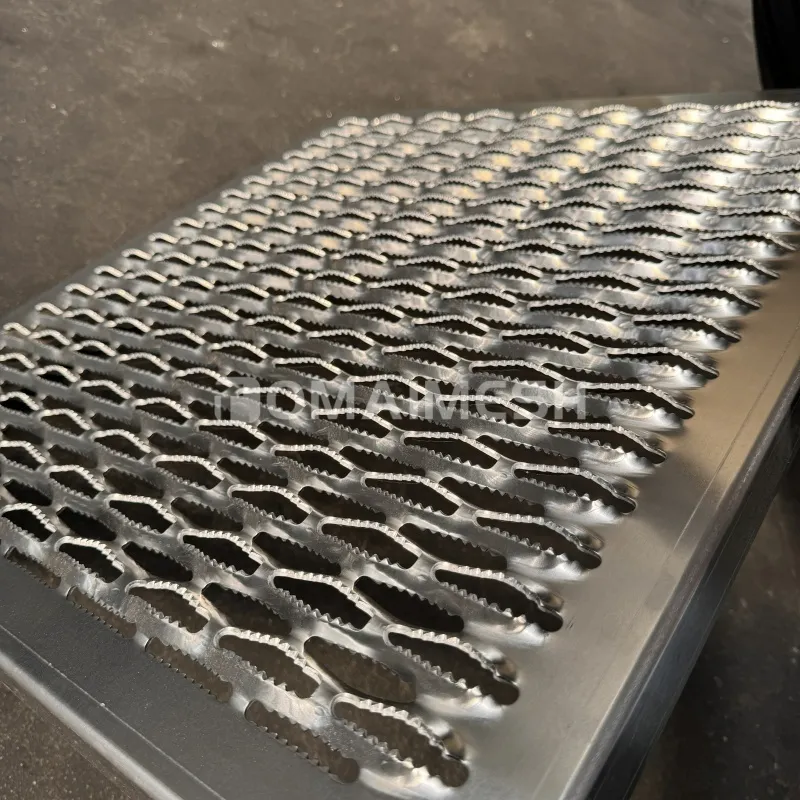
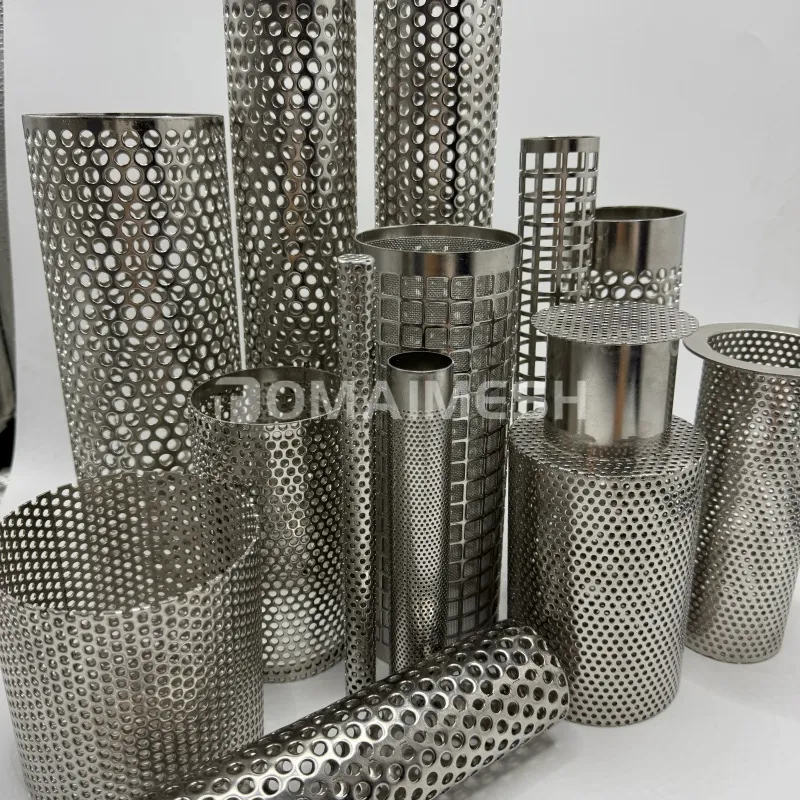
Put simply, 4 x 8 perforated metal is a flat sheet of metal, typically steel, aluminum, or stainless steel, sized four feet by eight feet, with a uniform pattern of holes punched through it. These holes could be round, square, slotted, or decorative, and their size, shape, and pitch vary depending on intended use.
This sizing isn’t arbitrary: four feet by eight feet corresponds roughly to the size of plywood sheets and many other building materials, making it easy to integrate directly into standard fabrication workflows or panels. The perforations allow airflow, light passage, drainage, and sound dampening — all without compromising structural integrity. In humanitarian contexts, for example, these sheets support fast-assembly shelters and screening that must be both durable and ventilated.
Key Factors of 4 x 8 Perforated Metal
1. Durability
Manufactured from corrosion-resistant metals like galvanized steel or aluminum, these sheets can withstand harsh environments. Whether installed outdoors on building facades or indoors as industrial guards, they resist rust, impact, and wear.
2. Scalability
The standardized 4 x 8 size allows manufacturers to mass-produce and ship efficiently, while fabricators readily cut and shape sections into custom sizes. This aspect shortens lead times and lowers costs.
3. Cost Efficiency
Because of its widespread industrial use, the cost per sheet tends to stay competitive. The open area created by perforations means less raw material per unit, reducing weight and price simultaneously.
4. Versatility
Different hole patterns serve distinct purposes—from acoustic panels that absorb sound, to security screens that deter intrusion, to industrial filters. This adaptability keeps 4 x 8 perforated metal relevant across domains.
Product Specifications of Common 4 x 8 Perforated Metal Sheets
| Specification |
Description |
| Dimensions |
4 feet x 8 feet (48" x 96") |
| Material |
Stainless steel, Aluminum, Galvanized steel |
| Thickness |
0.02" to 0.25" (0.5 mm to 6 mm) |
| Hole Shape |
Round, Square, Slotted |
| Hole Size |
1 mm to 25 mm diameter or width |
| Open Area |
10% to 80% (depending on hole pattern) |
Global Applications & Use Cases
- Architecture: Facade panels, sunscreens, and decorative elements benefiting from a combination of strength, ventilation, and aesthetics.
- Industrial Filters: Ventilation grilles, machine guards, and filtration components in factories worldwide.
- Automotive and Transportation: Grilles, noise dampers, and heat shields in vehicles and mass transit.
- Humanitarian Projects: Rapid-deployment shelters and fencing in disaster zones, often shipped and installed easily due to their standardized size.
For instance, in Southeast Asia, rapid housing built with 4 x 8 perforated metal has offered protection and airflow during hot, humid seasons, proving indispensable after typhoons. In North America, architects use these panels for modern urban projects seeking sustainable design approaches, blending utility with style.
Advantages & Long-Term Value
Why do so many industries rely on this particular perforated metal form? The tangible benefits are clear:
- Cost Savings: Reduced material weight means less shipping costs and easier handling on site.
- Sustainability: Recyclable materials and energy-efficient use (like daylighting through perforations) support green building standards.
- Safety & Comfort: Improved ventilation and noise control enhance occupant well-being in offices or factories.
- Durability: Long service life reduces replacement frequency, saving time and resources.
Emotionally, it’s reassuring to know that such a simple material can contribute to community resilience, innovation, and environmental care. It’s not just steel with holes — it's a tiny but vital piece of smarter infrastructure.
Vendor Comparison: Leading 4 x 8 Perforated Metal Suppliers
| Supplier |
Material Options |
Custom Hole Patterns |
Lead Time |
Pricing |
| TOMAI Filter |
Steel, Aluminum, Stainless Steel |
Yes – Wide range |
2–3 weeks |
Competitive |
| MetalWorks Inc. |
Steel, Aluminum |
Limited |
3–4 weeks |
Moderate |
| Global Perfs |
Stainless Steel Only |
Yes, but at extra cost |
3+ weeks |
Premium Pricing |
Future Trends and Innovations
The landscape is evolving, thanks to strides in material science and automation. We’re seeing perforated metals embedded with nano-coatings that resist bacteria or self-clean, which is… pretty exciting. Integration with smart sensors for building monitoring is another frontier.
Green energy projects are adopting lightweight perforated metals for solar panel screening or wind deflectors. Additionally, automated CNC machinery allows for more intricate, customized hole patterns, boosting both aesthetics and function.
Challenges & Expert Solutions
Despite the advantages, some challenges linger:
- Material Waste: Although perforation reduces weight, punching holes creates waste scraps that require recycling strategies.
- Structural Limitations: Overly large hole patterns can weaken sheets if not properly engineered.
- Cost Fluctuations: Metal prices can vary, affecting budget predictability.
Experts suggest collaboration between designers and fabricators early to balance aesthetics with engineering needs. Also, partnering with suppliers like TOMAI Filter, who focus on sustainable sourcing and lean manufacturing, helps minimize waste and costs.
FAQ: Frequently Asked Questions About 4 x 8 Perforated Metal
- What are typical applications of 4 x 8 perforated metal sheets?
- They’re widely used in architectural panels, soundproofing, filtration systems, and protective guards in industrial settings. The 4 x 8 size makes integration with existing materials easier.
- How do I choose the right hole pattern?
- Consider the purpose: for ventilation, larger holes with high open area work best; for security, smaller hole sizes provide strength while ensuring visibility.
- Can 4 x 8 perforated metal be customized?
- Absolutely. Many suppliers offer custom hole sizes, shapes, and patterns that can be tailored to project requirements.
- Is this material suitable for outdoor use?
- Yes, when made from corrosion-resistant metals or treated with appropriate coatings, it performs well in harsh weather conditions.
- How do I ensure sustainable sourcing?
- Check supplier certifications and inquire about recycled content or environmental management practices—something TOMAI Filter readily provides.
Conclusion
In the grand scheme, 4 x 8 perforated metal sheets serve as an unsung hero of modern engineering and design — a perfect intersection of function, form, and sustainability. Understanding its properties and global applications can seriously up your game in construction, manufacturing, or relief work. Curious to explore the range of options firsthand? Visit our site to discover more at TOMAI Filter. It really feels like a small step might lead to big improvements.
Mini takeaway: The right perforated metal sheet is not just about holes and size, but how well it fits your project’s unique demands while advancing durability and sustainability.
References:
1. Perforated Metal - Wikipedia
2. ISO Standards for Metal Sheets
3. World Bank Urban Development Data