The Lowdown on Perforated Basket Strainers: Why They Matter Worldwide
When you hear “perforated basket strainer,” you might think it’s some niche industrial gear – but actually, it’s a fairly universal workhorse in many industries across the globe. From water treatment plants to oil refineries, these devices quietly protect expensive equipment and ensure smooth operations by catching unwanted debris. Why the fuss? Simply put, understanding how these strainers work and where they fit is crucial. Their role in preventing costly downtime and helping maintain clean, safe flow systems makes them indispensable—especially when reliable filtration can mean the difference between operational success and costly failure.
Global Context: The Industry Backbone You Didn’t Notice
Globally, industries are under increasing pressure to optimize resources and reduce environmental impact. According to an ISO report, over 70% of industrial equipment failures result from contamination and debris build-up in fluid systems. That’s where the perforated basket strainer comes in. These devices reduce system failures by intercepting solids that clog pipelines or damage pumps and valves. For example, in emerging markets investing heavily in infrastructure, maintenance downtime can quickly stall progress and increase operational costs.
Here’s a quick stat that sticks: The United Nations Industrial Development Organization (UNIDO) highlighted how water treatment projects using basket strainers saw filtration reliability improve by roughly 30%—reducing both wastage and repair costs—a big deal in regions where water scarcity and pollution pose serious challenges.
Yet, challenges remain. Many systems still rely on outdated straining methods or under-dimensioned strainers, leading to bottlenecks and failures. Knowledge gaps on appropriate strainer selection have real-world consequences.
Mini takeaway: Perforated basket strainers hold a globally vital spot, improving equipment longevity and operational efficiency in critical industries worldwide.
What Exactly Is a Perforated Basket Strainer?
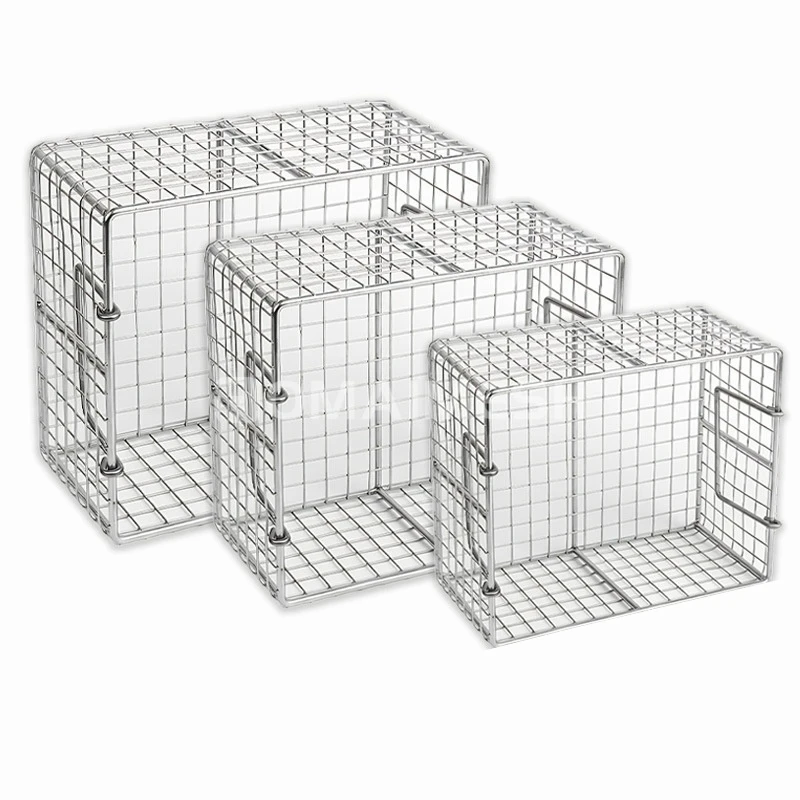
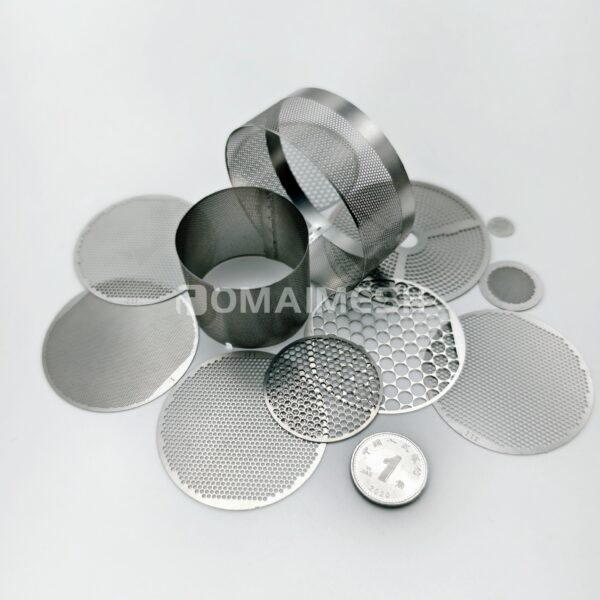
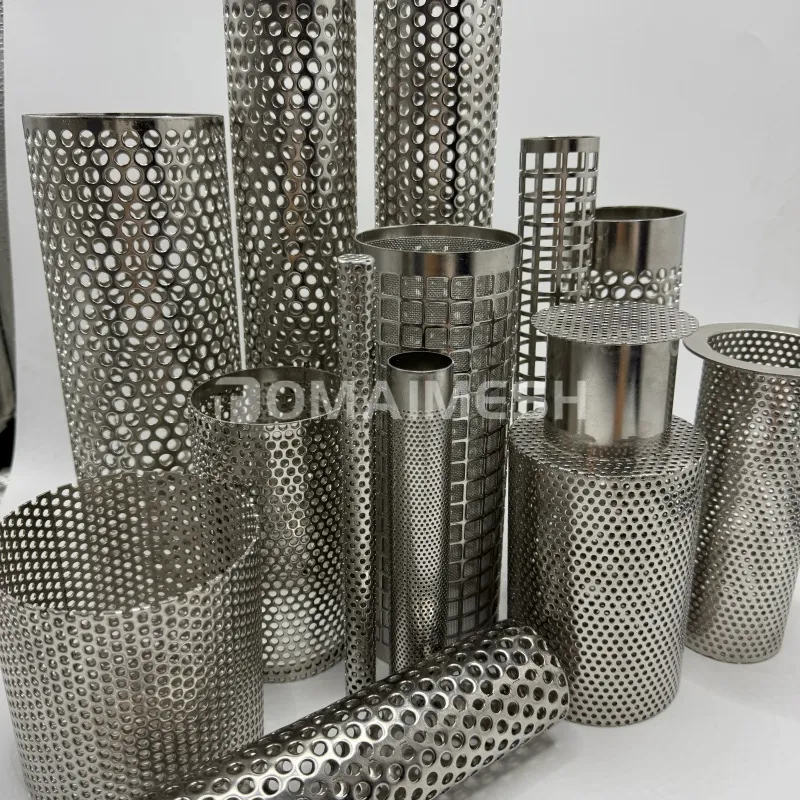
Let’s break it down simply. A perforated basket strainer is a mechanical device that filters out solid particles from liquids or gases by trapping them in a basket made from perforated metal sheets—basically metal sheets with a pattern of holes. It’s like a sieve on a grander industrial scale, except it’s built tough and designed for continuous flow systems.
The “basket” part is key: it can be removed and cleaned without dismantling the entire pipeline, which makes maintenance manageable and less disruptive. It’s a simple concept really, but its effectiveness is why it remains relevant in everything from chemical plants to food processing.
In humanitarian contexts—say, in clean water projects post-disaster—the use of such strainers ensures that airborne or waterborne debris doesn’t compromise purification systems. It’s one of those “unsung heroes” ensuring safety and dignity through reliable filtration.
Core Components That Make a Perforated Basket Strainer Tick
1. Durability of Materials
Basket strainers often face harsh environments—high pressures, corrosive fluids, and temperature swings. Their perforated baskets are usually made from stainless steel grades like 304 or 316, balancing strength with corrosion resistance. Frankly, investing in higher-grade metals pays off by minimizing downtime due to basket failure.
2. Ease of Maintenance
The removable basket design allows quick clean-outs, preventing long system shutdowns. Many engineers say this feature is why perforated strainers outlast alternatives like mesh screens or disposable filters.
3. Scalability and Flow Capacity
Depending on hole size and basket dimensions, strainers adapt to varying flow rates—from modest municipal water lines to massive industrial loops. This flexibility means they can be custom-sized for different industries without reinventing the wheel.
4. Cost Efficiency
Compared to alternative filters, these strainers save money over time through lower maintenance and disposal costs. Initially, a decent perforated basket strainer might look pricier, but that’s just short-term thinking.
5. Compatibility with Industry Standards
Compliance with ISO or ASTM specifications ensures consistent quality, especially important for industries like petrochemicals or pharmaceuticals where contamination risks are high.
Mini takeaway: The design focuses on longevity, simplicity, and adaptability, making perforated basket strainers favored across sectors.
Real-World Applications You Might Not Have Considered
- Water Treatment Plants: Filtering debris before water reaches pumps or chemicals ensures smoother processing.
- Oil and Gas Industry: Protecting delicate equipment from particulates that cause wear and tear.
- Food & Beverage: Straining raw ingredients or protecting process lines from contamination.
- Post-Disaster Relief: In remote areas where water sanitation systems must be highly reliable and easily maintainable.
- Power Generation Plants: Keeping turbines free of debris to avoid costly repairs and downtime.
Regions like Southeast Asia and Sub-Saharan Africa are increasingly adopting advanced strainers as industrialization and infrastructure projects scale up. Many NGOs now prioritize such filtration options in water purification units they deploy.
Product Specification Table
| Specification |
Details |
| Material |
Stainless Steel 304 / 316 |
| Hole Size |
0.5 mm – 10 mm (customizable) |
| Pressure Rating |
Up to 16 bar |
| Sizes Available |
DN 50 – DN 600 |
| Basket Type |
Removable perforated basket |
Why Businesses and Communities Keep Coming Back to These Strainers
Benefits are tangible and often quietly impactful:
- Cost Savings: Less frequent repairs and maintenance reduce operational expenditure.
- Sustainability: Lower waste generation than disposable filters, supporting greener practices.
- Reliability: Trusted to function under demanding conditions, preventing costly shutdowns.
- Safety and Dignity: In humanitarian water systems, reliable filtration helps safeguard public health.
Honestly, there's something reassuring about a sturdy, no-nonsense strainer that just works. It builds trust between operators and their equipment — a foundation often overlooked in technical circles.
Looking Forward: Innovations on the Horizon
While the basics are time-tested, newer materials like duplex stainless steel and advanced coatings are extending lifespan even more. Some manufacturers are experimenting with perforated basket strainer designs integrating digital sensors to monitor clogging in real time — a game-changer for predictive maintenance.
Automation and data-driven operations might soon let plants adjust filtration parameters on the fly, improving efficiency and resource usage. Plus, the push toward sustainability inspires recycled and eco-friendly materials in basket construction.
There’s also talk about modular designs that allow quick swapping on-site, which in places with limited technical services could be revolutionary.
Challenges and How Industry Pros Tackle Them
Despite their reliability, perforated basket strainers are not without challenges. Clogging can still occur if particle size and hole diameter aren’t correctly matched. Sometimes, they may be overlooked during system design, leading to oversized or undersized units.
Experts recommend rigorous pre-installation analysis, including fluid and debris testing, to define specs precisely. Training field staff on maintenance routines further reduces failures.
Innovative back-flushing mechanisms aimed at clearing baskets without removal are getting more attention as well, cutting maintenance time down substantially.
FAQ: Quick Answers About Perforated Basket Strainers
- What industries benefit the most from perforated basket strainers?
- Industries like water treatment, oil & gas, food processing, and power generation. These strainers protect sensitive equipment from suspended solids, minimizing downtime and maintenance.
- How does hole size affect strainer performance?
- Smaller holes filter out finer particles but clog faster, requiring more frequent cleaning — so selecting the right aperture balances filtration efficiency and maintenance workload.
- Can perforated basket strainers be customized?
- Absolutely. Sizes, materials, hole patterns, and pressure ratings are tailor-made to fit specific process needs and fluid types.
- Are these strainers easy to maintain in remote areas?
- Yes. Their removable basket design simplifies cleaning without specialized tools, making them ideal for remote or constrained environments.
- Is there an environmental benefit to using basket strainers?
- Yes. They reduce waste through reusable filters instead of disposable ones, lowering landfill impact and resource consumption overall.
Wrapping Up: Why Perforated Basket Strainers Are a Smart Bet for the Future
In an unpredictable world dependent on reliable infrastructure, perforated basket strainers quietly do their part. Their combination of durability, ease of maintenance, and adaptability keeps systems flowing smoothly—literally. Whether you’re running a refinery or a rural water station, understanding and choosing the right perforated basket strainer isn’t just technical detail; it’s a strategic decision that impacts costs, sustainability, and safety.
If you want to explore high-quality, customizable options tailored to your needs, have a look at perforated basket strainer suppliers and product lines—you might find just the right fit for your next project.
Vendor Comparison at a Glance
| Feature |
Tomai Filter Co. |
Global Strainers Inc. |
PureFlow Solutions |
| Material Grades |
304 / 316 Stainless Steel |
316 Stainless Steel |
Carbon Steel, SS optional |
| Max Pressure |
16 bar |
20 bar |
10 bar |
| Customization Options |
Hole size, basket shape, coatings |
Standard sizes only |
Limited customization |
| Lead Time |
2–4 weeks |
3–6 weeks |
1–2 weeks |
| Price Range |
$$ |
$$$ |
$ |