Perforated Round Tubing is a key solution in the industry, specifically within filtration, fluid handling, and structural applications. This article explores how Tomai Filter supports professionals with durable, high-performance products, and explains why this product is an ideal choice for businesses in these sectors.
Table of Contents
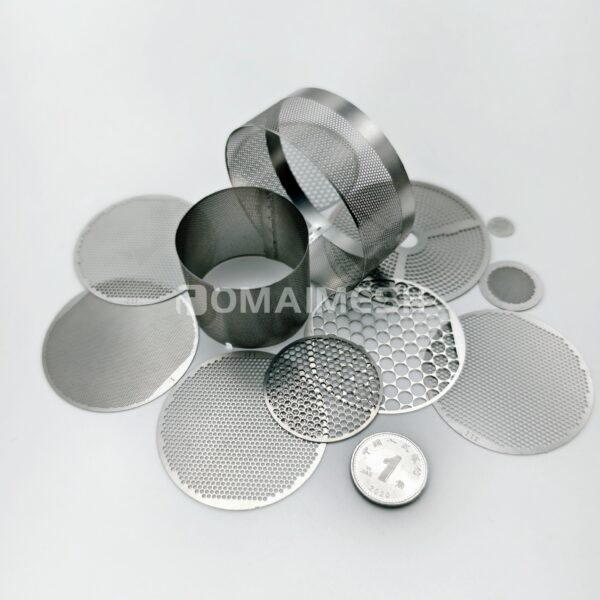
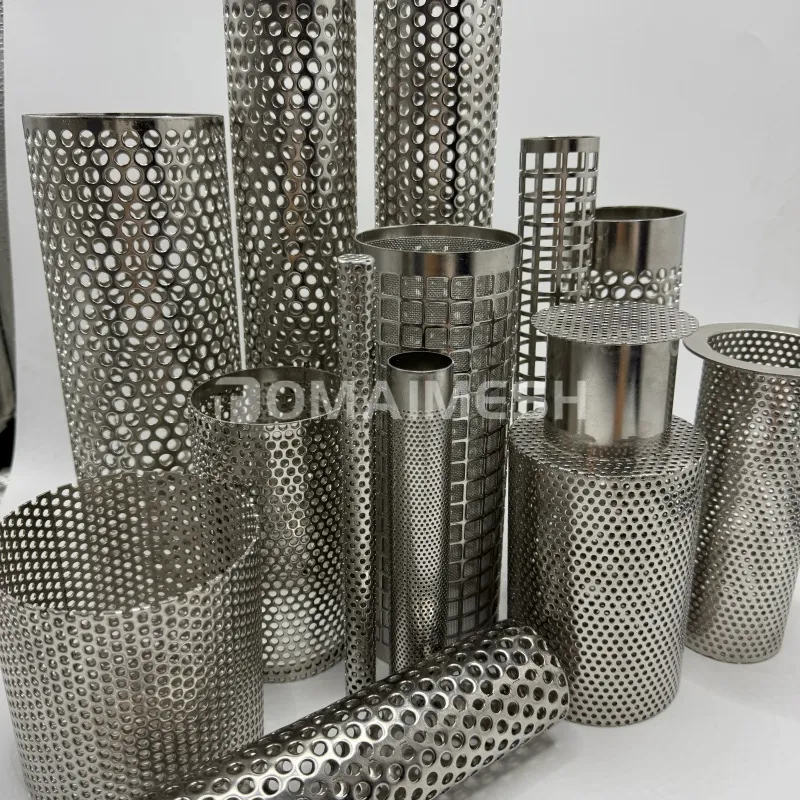
At its core, perforated round tubing is essentially cylindrical metal tubing featuring uniformly spaced holes along its walls. This design promotes fluid flow and air diffusion, making it indispensable in filtration and fluid distribution processes. You know, in terms of engineering, it's fascinating how a simple pattern of holes can significantly improve both efficiency and durability. These tubes usually come in various metals like stainless steel or carbon steel, tailored to specific industry needs.
- Material options: Stainless steel (304, 316), galvanized steel, and alloy steel.
- Hole diameters ranging from 0.5 mm to 10 mm with varying patterns for optimized flow.
- Wall thickness typically between 1 mm to 5 mm depending on application stress requirements.
| Specification |
Typical Values |
| Material |
Stainless Steel 304 / 316, Carbon Steel |
| Outer Diameter |
10mm to 200mm |
| Wall Thickness |
1mm to 5mm |
| Hole Diameter |
0.5mm to 10mm |
| Hole Pattern |
Straight, staggered, or custom patterns |
You might be wondering what makes perforated round tubing so versatile. Frankly, it’s the balance of structural integrity and permeability. Industries from wastewater treatment to HVAC systems rely heavily on these tubes for filtering particles while allowing fluid or air to pass through freely. What’s more, their resistance to corrosion – especially when made of stainless steel – extends their lifespan, reducing downtime.
- Used in oil and gas for well screens, preventing sand intrusion while maintaining flow.
- Applied in architectural projects as decorative yet functional elements allowing light and ventilation.
- Essential in food processing filtration, meeting hygiene standards and enabled by custom hole patterns.
Vendor Comparison
| Feature |
Tomai Filter |
Competitor A |
Competitor B |
| Material Options |
Wide (304/316 SS, Carbon Steel) |
Limited (Mostly Carbon Steel) |
Moderate (304 SS only) |
| Customization |
Full hole pattern & size customization |
Standard hole patterns only |
Partial customization |
| Lead Time |
2–3 weeks |
4–6 weeks |
3–5 weeks |
| Price |
Competitive |
Budget-friendly but lower specs |
Premium pricing |
Cost, Maintenance & User Experience
When it comes to the total cost of ownership, perforated round tubing from Tomai strikes a fine balance between upfront investment and long-term durability. Many engineers tell me that although the initial purchase price may be slightly higher compared to cheaper alternatives, the tube’s lifespan and resistance to corrosion lead to fewer replacements and less maintenance overall. This kind of ROI makes sense in real-world applications, especially in sectors where failure leads to costly downtime.
- Rust-resistant materials reduce the frequency of repairs.
- Easy-to-clean surface lowers operational maintenance.
- Positive feedback highlights consistent performance under demanding conditions.
Sustainability & Market Trends
Sustainability is increasingly a front-and-center topic for engineers and procurement professionals. In this light, perforated round tubing supports green initiatives by often being recyclable and contributing to energy-efficient filtration. Industry regulations push for cleaner production standards, and these tubes enable filtration processes that minimize waste and pollution. Oddly enough, manufacturers like Tomai Filter have also been innovating to reduce scrap during production—something that might get overlooked but actually makes a difference environmentally and economically.
- Shifting towards eco-friendly coatings and surface treatments.
- Greater emphasis on tube recyclability and lifecycle analysis.
- Growth in demand tied to expanding environmental and filtration markets.
Frequently Asked Questions about Perforated Round Tubing
- What is Perforated Round Tubing and how does it work?
-
Simply put, it’s cylindrical tubing punched with holes to allow liquids or gases to flow through while controlling the size and volume of flow. This makes it a perfect fit for filtration, support, and ventilation systems.
- What are the main benefits of using Perforated Round Tubing in industrial applications?
-
Durability, corrosion resistance, customizable hole patterns, and the ability to facilitate efficient fluid or air flow combine to make these tubes very beneficial in harsh industrial environments.
- How does Perforated Round Tubing compare to traditional alternatives?
-
Compared to mesh or solid tubing, perforated tubing offers better strength while maintaining permeability. In many cases, it reduces maintenance and extends service life, thanks in part to local manufacturing innovations.
- What industries can benefit most from Perforated Round Tubing implementation?
-
Oil and gas, water treatment, food and beverage processing, HVAC, and even architectural projects all find great use for perforated round tubing—each with specific customization for their unique needs.
Conclusion on Perforated Round Tubing from china
To sum things up: Perforated Round Tubing from Tomai Filter offers a truly valuable combination of customization, reliability, and sustainability. For businesses looking to enhance filtration or structural projects, this product ticks many boxes by ensuring durability without sacrificing performance. Oddly enough, sourcing from China doesn’t compromise quality here, thanks to strict standards and cutting-edge manufacturing you might not expect. I encourage B2B decision-makers to explore the competitive advantages provided by these expertly engineered tubes.
Reflecting on these insights, it’s clear that perforated round tubing remains a quietly essential technology — powerful in function, yet often overlooked amidst flashier innovations. As markets evolve, I suppose we’ll see even smarter designs and materials emerging here, especially under the rising pressure of sustainability. For now, partnering with specialists like Tomai is a pretty sure bet to stay ahead.
References:
1. Industry Filtration Journal, 2023 Annual Review
2. Engineering Materials Handbook, Vol. 7
3. Tomai Filter Product Brochures and Certifications 2024